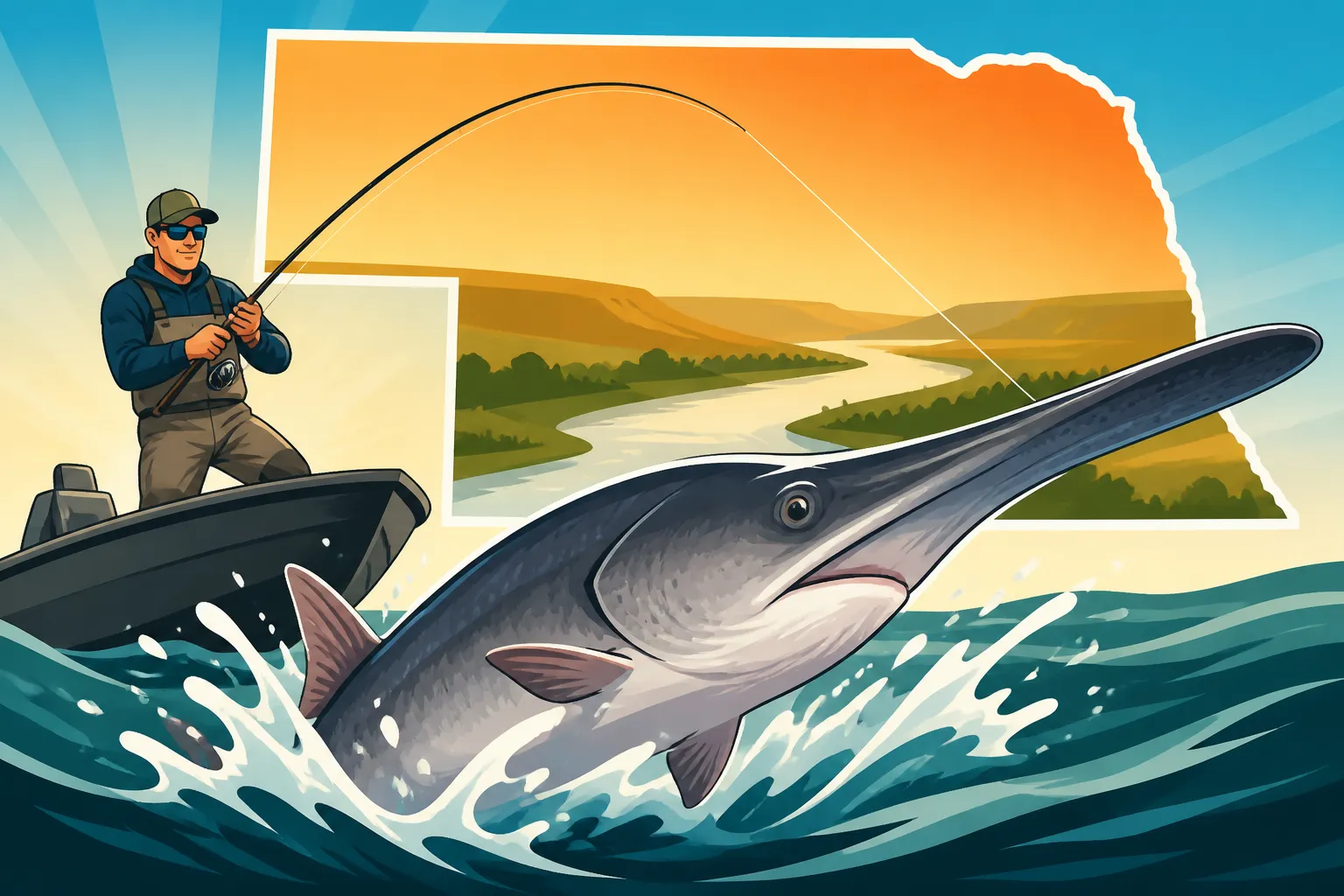
How to Snag Paddlefish on the Missouri River
Trying to tackle paddlefish on the mighty Missouri River is an experience unlike any other in Nebraska fishing. These ancient, powerful fish require a unique approach, and it’s not for the faint of heart. If you've ever felt the sheer pull of a monster on the end of your line and thought, "I need more of that," then paddlefish snagging is probably calling your name. This guide will walk you through everything you need to know to safely and effectively participate in Nebraska’s paddlefish snagging season on the Missouri River, from understanding the specific regulations to mastering the heavy-duty techniques.
Understanding Paddlefish Snagging and Why It's Unique
Paddlefish are truly incredible creatures, often called "living fossils" because they've been around for millions of years, largely unchanged. They're filter feeders, meaning they swim with their mouths open, sifting plankton from the water. This unique feeding habit is precisely why traditional hook-and-bait fishing doesn't work for them. Instead, anglers "snag" them using large, heavy treble hooks and weighted lines. It's less about finesse and more about brute strength and persistence, and it's regulated very strictly to ensure the sustainability of this unique species.
The Biology Behind the Snagging Method
Unlike nearly every other game fish you'll encounter, paddlefish don't bite lures or bait. Their diet consists almost entirely of microscopic organisms filtered from the water column. They're not chasing minnows or hitting crankbaits. Because of this, the only effective and legal way to catch them is through snagging. This involves casting a heavy weighted hook into areas where paddlefish are known to congregate, especially during their spawning migrations, and then "snagging" them as they swim through. It's an active, physically demanding style of fishing that requires a keen understanding of both the fish's behavior and the river's dynamics. You're essentially casting blind into the river, hoping to sweep your hook into a fish. When you feel that distinct "thump" on your line, it's game on, and you're in for a fight.
Key Regulations and Permit Requirements for Paddlefish
Nebraska has very specific rules to protect its paddlefish population, especially given their vulnerable spawning cycles. Before you even think about hitting the water, you absolutely need to familiarize yourself with the current regulations. First and foremost, you'll need a valid Nebraska fishing license. On top of that, paddlefish snagging requires a special paddlefish permit and an associated tag. These are limited in number and typically allocated through a lottery system for specific areas and seasons. It's crucial to apply for these well in advance and understand the drawing process. The Nebraska Fishing Season Dates and Limits guide has more information on overall seasons, but paddlefish have their own distinct windows.
For fishing on the Missouri River, particularly border waters, you also need to understand the Missouri River Border Water Fishing License Rules. Depending on where you’re fishing, you might need a license from a neighboring state or adhere to specific reciprocal agreements. Always check the current year's fishing guide published by the Nebraska Game and Parks Commission (NGPC) or verify through the GoOutdoorsNE online permit system for the most up-to-date information on season dates, open areas, daily bag, and possession limits. Failing to follow these rules can lead to significant penalties, and nobody wants their exciting day on the water to end with a fine.
Essential Gear for Missouri River Paddlefish Snagging
Paddlefish are notoriously powerful swimmers, capable of tremendous surges. This isn't the kind of fishing where you bring your ultralight panfish setup. Everything about paddlefish snagging gear is heavy-duty, designed to withstand the brutal force these fish can exert. Skimping on tackle here is a recipe for broken lines, snapped rods, and lost fish. You need equipment that can not only cast heavy weights a good distance but also muscle a potentially 50+ pound fish against a strong river current.
Rods, Reels, and Line Built for Battle
When it comes to rods, think heavy, stout, and durable. A heavy action, 8 to 10-foot surf rod or a specialized salmon/steelhead rod can work, but many dedicated paddlefish anglers opt for custom-built rods designed specifically for snagging. The rod needs to have a strong backbone to set those large hooks and absorb the powerful runs. A good example might be something in the 20-50 lb test line rating. For reels, a large, durable baitcasting reel or a heavy-duty spinning reel is a must. You'll want something with a robust drag system and high line capacity, capable of holding at least 200-300 yards of heavy line. Many anglers find reliable options for these heavy-duty setups on platforms like Amazon, where a wide range of specialized fishing gear is available.
Line choice is perhaps one of the most critical aspects. Forget about monofilament for this. You'll want heavy braided line, typically in the 80 to 120-pound test range. Braided line has minimal stretch, which is essential for feeling those subtle "thumps" and setting the hook effectively. Its strength is paramount for fighting these fish, especially if they decide to dive into snags. Make sure your knots are impeccable, as a weak knot is often the first point of failure. Consider a heavy fluorocarbon leader if you're worried about abrasion, though the primary concern with paddlefish is sheer pulling power rather than line visibility.
Hooks, Weights, and Other Important Accessories
The business end of your paddlefish rig consists of large, heavy treble hooks and equally heavy sinkers. Regulations often specify the maximum size and number of hooks allowed, so always check the current Nebraska Fishing Regulations Explained booklet. Typically, you'll be looking at large 8/0 to 12/0 treble hooks, often weighted themselves or used in conjunction with pyramid or bell sinkers weighing anywhere from 6 to 16 ounces, or even more, depending on the current and depth. These heavy weights are necessary to get your hooks down to where the paddlefish are swimming and to keep them there as you sweep your rod. You can find robust treble hooks and heavy sinkers on Amazon or at your local tackle shop.
Beyond the core tackle, several other accessories are crucial for a successful and safe trip. A large, sturdy landing net, like those recommended in our guide to Best Landing Nets for Big Fish, is absolutely essential for bringing a thrashing paddlefish into the boat or onto shore. You'll also want heavy-duty gloves to protect your hands from the rough skin of the paddlefish and the sharp hooks. Pliers or hook removers are vital for safe hook extraction, and a measuring tape to ensure your fish meets legal length requirements is a must. Don't forget a stringer or cooler for your catch, as well as plenty of water, snacks, and appropriate clothing for a long day on the river. Always have your paddlefish permit and tag readily accessible.
Mastering the Snagging Technique
Snagging paddlefish isn't just about throwing a heavy hook into the water. There's a definite technique involved, a rhythm you need to find, and an understanding of river dynamics that can greatly increase your chances of success. It's physically demanding and requires constant attention, but when you hook into one, all that effort pays off in a big way.
Reading the River and Locating Paddlefish
The Missouri River is a powerful, dynamic system, and understanding its currents, depths, and structure is key to finding paddlefish. Paddlefish often congregate in deeper holes, channels, and along current breaks, especially during their spawning runs. Look for areas where the main current flows but there are nearby eddies or slack water where fish might rest. Identifying these "holding" areas requires practice and often relies on local knowledge or good mapping. You’ll frequently find anglers targeting these fish in specific stretches of the Missouri, particularly below dams or near major river bends where fish bottlenecks occur.
Boat positioning is critical if you're fishing from a vessel. You need to be able to drift or anchor in a way that allows you to cast into the productive areas without being swept away by the current. If you're bank fishing, look for access points along the river that allow for a long, unobstructed cast into deeper water. Understanding the river's flow and how fish might be positioned within that flow is your first step. Remember to also check for potential snags or underwater obstacles that could foul your line.
The Snagging Motion and Hook Set
Once you've identified a promising area, the actual snagging technique involves a series of casts and sweeps. Cast your heavy rig upstream and across the current, letting it sink to the bottom or near the depth you believe the fish are holding. As the current carries your weight downstream, keep your rod tip high and maintain a tight line. The goal is to allow your hooks to sweep through the water column where paddlefish are swimming.
The key motion is a "sweep" or "jerk." As your weight drifts, you'll periodically sweep your rod sharply upwards or sideways, then drop it back, reeling in slack as you go. This motion causes the heavy treble hooks to move rapidly through the water, hopefully snagging a fish. It's a rhythmic, almost meditative process until you feel that distinctive "thump." This "thump" isn't a bite; it's the sensation of your hook striking the fish's body. When you feel it, set the hook hard, several times if necessary, with a powerful, sweeping motion. Because the paddlefish's skin is tough and leathery, a strong, decisive hook set is absolutely crucial to embed those large hooks securely.
Fighting and Landing a Paddlefish
Once you've hooked a paddlefish, be prepared for a fight. These fish are incredibly strong, with broad, powerful tails that can generate immense thrust. They often make long, sustained runs, peeling line from your reel. Your strong rod and heavy braided line will be put to the test. Resist the urge to horse the fish in too quickly; instead, let your rod and drag do the work. Pump the rod up to gain line, then reel down as you lower it. Maintaining constant pressure is key; any slack could allow the hook to dislodge. Our guide on How to Fight a Big Fish on Light Tackle offers general advice on angling powerful fish, but for paddlefish, multiply the force by about ten!
When the fish is near, it's time for the net. A large, robust net is indispensable here. Try to guide the fish headfirst into the net, as trying to net a paddlefish from the tail is often an exercise in frustration. Once netted, safely bring it into the boat or onto shore. Paddlefish have a cartilaginous skeleton, which means they can be handled somewhat differently than bony fish, but always treat them with respect. Ensure you have your tag ready to immediately apply to any fish you intend to keep, as per Nebraska Fishing Daily Bag and Possession Limits and specific paddlefish regulations.
Important Considerations and Best Practices
Paddlefish snagging is not just about the thrill of the catch; it’s also about responsible angling and ensuring the long-term health of the resource. The Missouri River can be a formidable environment, and proper preparation and adherence to ethical guidelines are paramount for a safe and enjoyable experience for everyone.
Safety First on the Missouri River
The Missouri River is a large, powerful body of water, and safety should always be your top priority. If you’re fishing from a boat, ensure your vessel meets all Nebraska Boat Safety Equipment Requirements, including having enough life jackets for everyone on board. The currents can be swift and unpredictable, especially after heavy rains or when water is being released from dams. Always check river conditions and weather forecasts before heading out. High water can bring debris, and strong winds can make boating hazardous.
Wear appropriate clothing for the conditions, and always let someone know where you’re going and when you expect to return. Sun protection, hydration, and a basic first-aid kit are also essential. If you’re bank fishing, be mindful of slippery banks, steep drop-offs, and swift currents near the shore. Never turn your back on the river, and be aware of other boaters and anglers around you. Paddlefish snagging often involves casting heavy weights, so always look around to ensure your casting area is clear of people or obstacles.
Handling Your Catch and Adhering to Regulations
Once you’ve successfully landed a paddlefish and decided to keep it, immediate tagging is mandatory. The specific location for attaching the tag will be outlined in the regulations that come with your permit. This tag is crucial for monitoring the harvest and ensuring compliance with the rules. If you catch a paddlefish that is outside the legal length limits, or if you simply wish to practice catch and release, ensure you do so carefully. While specific "paddlefish" catch and release practices might not be detailed in general guides like Catch and Release Best Practices in Nebraska, the principles still apply. Minimize the time the fish is out of the water, handle it gently, especially around the gills and vital organs, and support its weight properly. Release it back into the water slowly, allowing it to swim away under its own power.
It's also worth noting that the Nebraska Aquatic Habitat Stamp Explained is a separate permit required for most fishing in Nebraska, and paddlefish snagging is no exception. Make sure you have this, along with your valid fishing license and paddlefish permit, before you even consider making your first cast. Ignoring any part of the permit system can result in severe fines and loss of fishing privileges.
Timing and Environmental Conditions
The success of paddlefish snagging is highly dependent on timing and environmental conditions. Paddlefish typically move into snagging areas during specific periods, often tied to spawning migrations. This is why the season dates are so precise; you're targeting a brief window when the fish are most accessible. Water temperature, river flow, and even recent precipitation can all influence paddlefish behavior and location. High, muddy water can make locating fish difficult, while clearer, stable conditions can concentrate them in predictable areas.
Keeping an eye on river flow rates, which are often available from government agencies, can give you an edge. Many experienced snagglers will monitor these conditions closely to determine the best days and times to be on the water. Early mornings and late evenings can sometimes be more productive, but paddlefish can be caught throughout the day during peak season. Persistence, patience, and a willingness to adapt to the river's ever-changing moods are all crucial for success when snagging these magnificent, prehistoric fish on the Missouri River.
| Aspect | Description | Key Considerations |
|---|---|---|
| Fish Biology | Filter feeders, do not bite bait; require snagging. | Unique approach, heavy gear necessary. |
| Regulations | Valid fishing license, special paddlefish permit and tag required. | Check current NGPC guide, apply for lottery, heed border water rules. |
| Rods | Heavy action, 8-10 ft surf or specialized snagging rod (20-50lb rating). | Strong backbone for hook sets and fighting powerful fish. |
| Reels | Large baitcasting or heavy-duty spinning reel. | Robust drag, high line capacity (200-300 yds of heavy braid). |
| Line | 80-120 lb braided line. | Minimal stretch for feel and hook set, maximum strength. |
| Hooks | Large 8/0 – 12/0 treble hooks. | Adhere to size/number limits in regulations. |
| Weights | 6-16 oz pyramid or bell sinkers. | Match weight to current and depth to reach fish effectively. |
| Technique | Cast upstream, let sink, sweep rod to snag, powerful hook set. | Rhythmic motion, strong hook sets are critical. |
| Safety | Life jackets, check weather/river conditions, be aware of surroundings. | Missouri River can be dangerous, prioritize personal safety. |
| Catch Handling | Immediate tagging if keeping, gentle release if not. | Respect fish, follow all tagging/release rules. |
Disclaimer
This article is for general informational purposes only and does not constitute professional advice. Laws, prices and regulations vary by location and change over time. Consult a qualified professional for guidance on your specific situation.