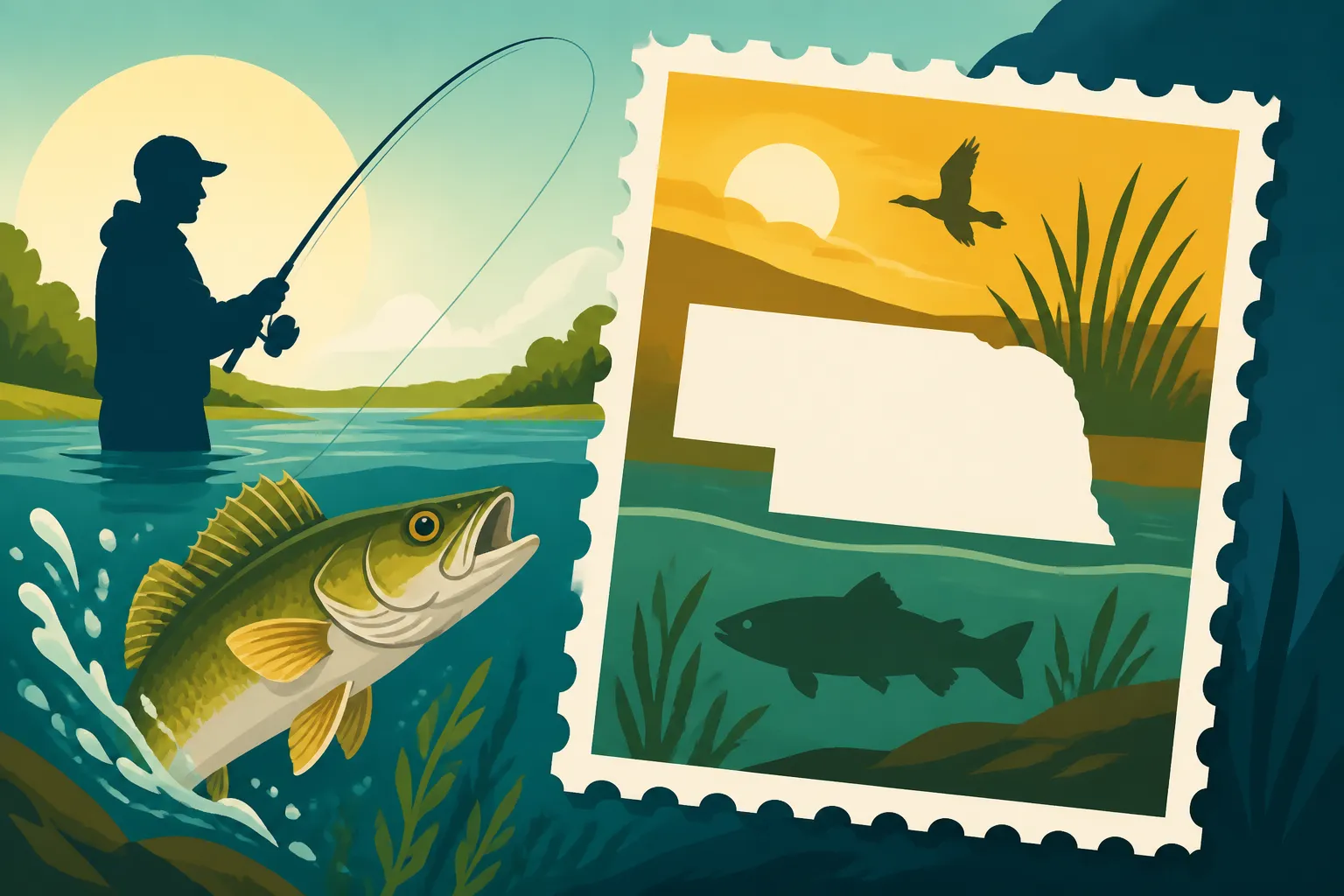
Nebraska Aquatic Habitat Stamp Explained
It's easy to feel overwhelmed when you're trying to get your fishing license sorted in Nebraska. You navigate the initial permit purchase, think you're all set, and then suddenly you see another line item pop up: the Aquatic Habitat Stamp. It can feel like just another fee tacked on, and you might wonder, "Do I really need this? What even is it?" This guide is here to cut through the confusion, explaining exactly what the Nebraska Aquatic Habitat Stamp is, why it's so important, and how it directly benefits the fantastic fishing opportunities we have here in the Cornhusker State.
Unpacking the Nebraska Aquatic Habitat Stamp: What It Really Means
Let's be honest, nobody loves paying extra fees. But when it comes to the Aquatic Habitat Stamp, understanding its true purpose can turn that groan into a nod of appreciation. This isn't just some bureaucratic charge; it's a vital piece of the puzzle that keeps our fishing waters healthy and teeming with life.
Not Just Another Sticker: The Core Mission of the Stamp
Think of the Aquatic Habitat Stamp as your direct investment in the future of Nebraska fishing. Unlike your general fishing permit fee, which covers a broad range of Nebraska Game and Parks Commission (NGPC) operations, the funds generated by this stamp are specifically earmarked for aquatic habitat improvement projects. It's a dedicated conservation fund established to address critical needs in our lakes, rivers, and streams.
The origin of this stamp wasn't just arbitrary; it came from a recognition that while we love to fish, the places we fish often need a helping hand. Over time, natural processes and human activities can degrade aquatic environments. Sedimentation fills in prime fish habitat, shorelines erode, and water quality can suffer. The stamp acts as a legislative mandate, ensuring there's a consistent, stable funding source to tackle these challenges head-on.
What kinds of projects are we talking about? We're talking about things like restoring native vegetation along stream banks to prevent erosion and provide shade, installing artificial fish habitat structures (think brush piles, rock reefs, or sunken trees) to give fish places to spawn, feed, and hide, and improving water quality through various restoration techniques. When you buy this stamp, you're literally contributing to the creation and maintenance of better homes for fish, which directly translates to better fishing for you and for generations to come. It's a small but mighty contribution that makes a tangible difference in the health of our aquatic ecosystems.
Who Needs to Contribute? Understanding the Requirements and Exemptions
Alright, so who actually needs to shell out for this stamp? The general rule of thumb is pretty straightforward: if you're required to purchase a Nebraska Fishing License Guide, you'll likely need an Aquatic Habitat Stamp. It's an additional requirement for most anglers aged 16 and older who hold any type of annual or short-term fishing permit. This applies whether you're a resident or a non-resident casting a line in Nebraska waters.
However, there are a few important exemptions, and it's easy to get these mixed up, so let's clarify. Nebraska residents who are under 16 years old are generally exempt from needing a fishing permit, and by extension, they don't need the Aquatic Habitat Stamp either. Similarly, Nebraska residents who are 69 years of age or older and hold the appropriate free senior fishing permit are also exempt. This aligns with the overall Nebraska Fishing License Rules for Kids and Seniors that make fishing more accessible for these age groups. Disabled resident anglers who hold a specific disabled angler permit might also be exempt, but it's always wise to double-check the details of your particular permit. Non-residents under 16 also generally don't need the stamp.
Where people sometimes get confused is with short-term permits, like a Nebraska 1-Day Fishing Permit or a Nebraska 3-Day Fishing Permit. Some folks assume that because it's a temporary permit, the stamp isn't required. That's a common misconception! If you're 16 or older and getting any permit that allows you to fish, you'll need the Aquatic Habitat Stamp. It's an annual stamp, not a daily one, so even if you're only fishing for a single day, you'll need to purchase it once for the calendar year. Always make sure to check the specific requirements when you're purchasing your Nebraska Fishing License Costs and Types to avoid any surprises.
Your Dollars at Work: The Tangible Impact of the Aquatic Habitat Stamp
It's one thing to know what the Aquatic Habitat Stamp is, but it's another to see how your money is actually being put to good use. This stamp isn't just collecting dust in some government coffers; it's actively funding projects that create healthier, more productive, and more accessible fishing opportunities across the state.
Breathing New Life into Nebraska's Lakes and Rivers
The primary goal of the Aquatic Habitat Stamp is to enhance and restore the physical habitats that fish and other aquatic species rely on. This is crucial work because, let's face it, without good habitat, you don't have good fishing. Funds from the stamp are invested in a variety of projects that directly benefit our fisheries.
One significant area of investment is the addition of physical fish habitat structures. Imagine sunken cedar trees, carefully constructed rock piles, or artificial brush bundles strategically placed in lakes and reservoirs. These aren't just random decorations; they provide essential cover for smaller fish to hide from predators, create ambush points for larger game fish, and offer crucial spawning substrate for many species. For example, projects at massive bodies of water like Lake McConaughy have seen the deployment of thousands of habitat structures, giving species like walleye and crappie more places to thrive. Similarly, smaller local favorites like Branched Oak Lake Fishing Guide have benefited from habitat improvements, making it a better place to catch a variety of species.
Another critical use of these funds is shoreline stabilization and erosion control. If you've ever fished a lake with heavily eroded banks, you know the water can be cloudy, and the bottom can be silty, which isn't ideal for many fish. The stamp helps fund projects that stabilize these shorelines using natural materials like vegetation, riprap, or bioengineering techniques. This not only improves water quality by reducing sediment runoff but also creates more diverse aquatic plant life and insect habitats, which are the foundation of the food chain. Projects on various river segments focus on restoring natural flow patterns, creating deeper pools, and enhancing riffle areas, all of which are vital for fish passage and healthy riverine ecosystems. Ultimately, these actions lead to more robust, healthier fish populations and, you guessed it, a much better fishing experience for everyone.
Paving the Way: Enhancing Public Access for Every Angler
Beyond improving the "homes" for fish, your Aquatic Habitat Stamp also directly funds improvements that make it easier for you to get to those fish. Not everyone has a fancy bass boat, and even those who do need good ramps! Enhancing public access is a huge part of the stamp's mission, ensuring that fishing remains an accessible and enjoyable activity for all Nebraskans and visitors.
These investments include the construction of brand-new boat ramps and the much-needed renovation of existing ones. We're talking about things like wider ramps, more parking spaces, and safer launching and loading areas. For instance, popular fishing destinations often see these kinds of upgrades, making your day on the water start smoother and less stressful. Nobody wants to wait in a long line at a dilapidated ramp on a beautiful Saturday morning.
But it's not just about boats. A significant portion of these funds goes towards developing and maintaining accessible fishing piers, docks, and shoreline access points. Picture a family with young kids, or an angler with limited mobility, being able to easily reach a prime fishing spot from a well-maintained pier. Many urban fishing ponds and state recreation areas across Nebraska have benefited from these types of access enhancements, providing safe and convenient spots for bank anglers. These projects are particularly important for fostering new anglers and making fishing more inclusive. When you're looking for the Best Places to Fish in Nebraska, you'll often find that the spots with excellent access have benefited directly from the very funds you're contributing through this stamp. It means more people can enjoy the great outdoors, whether they're seasoned pros or just starting out with a simple rod and reel.
The Practicalities: Cost and Acquisition of Your Aquatic Habitat Stamp
Now that you understand why the Aquatic Habitat Stamp exists and what it accomplishes, let's talk about the nitty-gritty details: how much it costs and how you can get your hands on it. It's a straightforward process, but knowing the specifics will help you ensure you're fully compliant and ready for your next fishing adventure.
Demystifying the Price: What You'll Pay
The good news is that the Nebraska Aquatic Habitat Stamp is a relatively small investment for the significant benefits it provides. As of the current regulations, the stamp typically costs $5.00. This is a fixed annual fee, meaning it doesn't change based on whether you're a resident or a non-resident, or whether you're buying a 1-day permit or an annual one. You purchase it once for the calendar year (January 1st through December 31st), and you're covered for that entire period, regardless of how many fishing trips you take.
It’s important to see this $5.00 in context. While it's an additional cost, it's a modest one compared to the overall Nebraska Fishing License Costs and Types. For example, a Nebraska Annual Fishing Permit for a resident is significantly more, and a Nebraska Combination Hunt and Fish Permit naturally has a higher price point due to its broader coverage. The Aquatic Habitat Stamp keeps its cost low, making conservation accessible while still generating meaningful funds through the collective contribution of thousands of anglers. It’s truly a small price to pay to help ensure that the fish populations and the waters you enjoy remain vibrant and healthy.
Adding the Stamp to Your Fishing Arsenal: Purchase Methods
Getting your Aquatic Habitat Stamp is designed to be as seamless as possible, integrating directly into the process of buying your regular fishing permit. You have a couple of primary ways to make your purchase.
The most popular and convenient method for many anglers is online through the GoOutdoorsNE Online Permit System. When you go to purchase your fishing permit – whether it's an annual, 1-day, or 3-day permit – the system will typically prompt you to add the Aquatic Habitat Stamp during the checkout process. It's usually presented as an optional add-on that you'll need to select to ensure compliance. Just click the box, and it will be added to your cart along with your permit. It’s a very straightforward digital process. If you’re ever unsure, the system usually defaults to reminding you if you've selected a fishing permit but haven't added the necessary stamps.
If you prefer to buy your permits in person, you can do so at hundreds of authorized vendors across the state. This includes most bait shops, sporting goods stores like Cabela's or Bass Pro Shops, and even some county clerk offices. When you visit these locations to purchase your Where to Buy a Nebraska Fishing License, the clerk will almost always ask you if you need the Aquatic Habitat Stamp, or they'll automatically include it in your total if it's required for the permit type you're buying. This personal interaction can be helpful, especially if you have questions.
What if you bought your license online and forgot to add it, or you bought it in person and realized you missed it? Don't panic! You can usually go back online to the GoOutdoorsNE system and purchase just the Aquatic Habitat Stamp separately. It will then be linked to your existing fishing permit. The key is to ensure you have it in your possession (either physically or digitally) before you start fishing. Remember, ignorance of the rules isn't an excuse if a game warden checks your permits.
Navigating Common Quandaries: Your Aquatic Habitat Stamp Questions Answered
Even with a clear explanation, some questions about the Aquatic Habitat Stamp tend to pop up repeatedly. Let's tackle a couple of the most common ones to ensure you're absolutely clear on what's expected and what the repercussions might be if you overlook it.
"Is This Stamp Already Covered?" Understanding Inclusions
This is a fantastic and very common question! Many anglers wonder, "Is the Aquatic Habitat Stamp Included in My Nebraska License?" The straightforward answer for most standard permits is: no, it's generally not automatically bundled as part of the core fishing permit price. Instead, it's typically listed as a separate, mandatory add-on that you need to select or confirm during your purchase, whether online or in person. The NGPC keeps it separate to clearly identify the funds collected specifically for habitat projects, distinguishing them from general license revenue.
However, there are a few exceptions where it might be effectively "included" or not needed due to the nature of the permit. For example, a Nebraska Lifetime Fishing Permit is designed to cover all necessary stamps and fees for the life of the permit holder, so it would implicitly include the Aquatic Habitat Stamp. Similarly, as discussed earlier, certain age groups (residents under 16, residents 69+) are exempt from the fishing permit itself, and therefore don't need the stamp. But for the vast majority of annual, 1-day, or 3-day permits, you'll need to make sure you specifically add that $5.00 stamp.
My best advice here, and what I always do myself, is to double-check your actual permit documentation once you've made your purchase. The electronic permit you receive through the GoOutdoorsNE system or the printed one from a vendor will clearly list all the permits and stamps you've purchased. Take a moment to review it and ensure "Aquatic Habitat Stamp" is listed if you're required to have it. It’s a quick verification that can save you a lot of hassle later on. If you realize it's missing, you can always go back online and purchase just the stamp to add to your record.
The Consequences of Skipping the Stamp: What You Need to Know
Alright, let's get real about what happens if you decide to roll the dice and fish without the required Aquatic Habitat Stamp. It might seem like a minor oversight, especially if you have your regular fishing permit, but I'm here to tell you, it's a legitimate violation, and the penalties can be more significant than you might expect.
Fishing without any required permit or stamp in Nebraska is a misdemeanor offense. This means you could be facing substantial fines, typically starting in the low hundreds of dollars, plus court costs. And trust me, those court costs add up quickly. It's not just a slap on the wrist. Game wardens are out there specifically to ensure compliance, and they do check. Imagine you're enjoying a perfect morning out on Harlan County Reservoir, finally hooked into a nice walleye, when a Nebraska Game and Parks officer pulls up. They ask for your license, you proudly present it, only for them to point out the missing Aquatic Habitat Stamp. Your relaxing day just took a sharp turn into an expensive and frustrating experience.
Beyond the immediate financial hit, there could be other implications. In some cases, repeated violations or particularly egregious offenses could potentially lead to confiscation of your fishing gear or even the suspension of your fishing privileges for a period. While that's usually reserved for more serious infractions than a missing stamp, it illustrates the importance of adhering to all regulations.
The bottom line is simple: don't risk it. That $5.00 stamp is a small price for peace of mind and to ensure you're fishing legally. It's a fundamental part of Nebraska Fishing Regulations Explained. If you accidentally forget it, pull out your phone and purchase it online immediately via the GoOutdoorsNE system before casting another line. It’s far better to spend a few minutes and a few dollars than to face a hefty fine and a ruined day on the water.
Connecting with Conservation: Seeing Your Stamp's Purpose Fulfilled
It’s one thing to pay for something; it’s another to see the direct results of your investment. For those who are passionate about fishing and conservation, knowing where your Aquatic Habitat Stamp dollars are going can make all the difference. The Nebraska Game and Parks Commission is quite transparent about these efforts, and with a little digging, you can truly connect with the purpose behind your purchase.
Exploring Project Locations and Success Stories
Want to see your $5.00 at work? The best place to start is the Nebraska Game and Parks Commission (NGPC) official website. They regularly publish annual reports, project updates, and often have interactive maps detailing current and completed aquatic habitat projects. You can literally see which lakes, rivers, or streams have received improvements thanks to these funds. For example, if you're interested in Lake McConaughy Fishing Guide, you might find reports on new fish habitat structures added there. Or perhaps updates on shoreline stabilization along a popular stretch of the Platte River.
Beyond the official channels, local resources can be invaluable. Many bait shop owners or local fishing guides are keenly aware of local conservation efforts and might be able to point you to specific spots where you can visibly see the improvements. Local conservation clubs or chapters of organizations like Walleyes Unlimited or Bass Federation also often track these projects closely. Don't be shy about asking around; fellow anglers are usually happy to share insights into where the fishing is getting better because of these efforts.
Better yet, make it a point to visit some of these improved locations. Stand on a newly installed fishing pier, launch your boat from a renovated ramp, or cast a line into a section of a stream that has seen habitat restoration. There's something incredibly satisfying about witnessing firsthand the positive impact of something you've directly supported. It transforms that $5.00 from a mere fee into a tangible contribution to a healthier aquatic environment.
Beyond the Stamp: Getting More Involved in Habitat Preservation
While buying the Aquatic Habitat Stamp is a crucial contribution, it's just one piece of a much larger conservation puzzle. For those of us who truly love spending time on the water, there are many other ways to contribute to habitat preservation and ensure great fishing for years to come.
Practicing responsible angling is paramount. This includes proper catch and release techniques for fish you don't intend to keep, minimizing stress on the fish. It also means properly disposing of all your tackle, line, and any other trash. Ghost fishing gear is a real problem, and leaving behind hooks and lines can harm wildlife. Think about purchasing reusable tackle boxes and gear. You can find a vast selection of durable, long-lasting fishing equipment on platforms like Amazon, which helps reduce waste in the long run.
Beyond your personal practices, consider getting actively involved. Many local angler groups and conservation organizations regularly organize volunteer clean-up days at lakes and rivers, or even participate in habitat construction projects. Donating a few hours of your time to help build brush piles or plant shoreline vegetation can be incredibly rewarding. It’s a chance to meet like-minded individuals and directly contribute to the health of your local fishing spots. The NGPC itself sometimes hosts public events or open houses where you can learn more about their projects and how to get involved. Picture a clear stream, bustling with fish, all because of efforts supported by things like this stamp and the dedicated work of volunteers – it's a powerful vision.
You can also leverage resources to become more informed. Educational materials on topics like invasive species prevention are critical. Knowing how to properly "Clean, Drain, Dry" your boat after each outing is a simple yet incredibly effective way to prevent the spread of harmful organisms like zebra mussels. Information on aquatic invasive species is often readily available from the NGPC, and you can even find field guides on Amazon to help identify local fish and plant species, deepening your appreciation for the ecosystem you're helping to protect.
The Big Picture: Sustaining Nebraska's Fisheries for Generations
When we talk about the Aquatic Habitat Stamp, it's easy to focus on the immediate benefits: better fishing, improved access. But its true significance lies in its contribution to the long-term sustainability of Nebraska's precious aquatic resources. It's about ensuring that the next generation of anglers has even better opportunities than we do today.
The Long Game of Aquatic Resource Management
Aquatic habitat work is rarely a "one and done" kind of deal. Our lakes, rivers, and streams are dynamic environments constantly facing new pressures. Natural forces like floods and droughts can alter habitats, while human impacts such as agricultural runoff, pollution, and development continue to pose threats. Then there's the ever-present challenge of invasive species, which can drastically alter ecosystems and require ongoing management efforts.
This means that aquatic habitat restoration and maintenance is a continuous, never-ending process. The Aquatic Habitat Stamp provides a stable, dedicated funding source that allows the NGPC to plan and execute these vital, long-term projects. Without this specific funding, these essential programs would be competing with many other conservation priorities, and some critical work might simply not get done. It's this sustained investment that helps mitigate the impacts of things like climate change on fish populations and allows for adaptive management strategies to keep our waters resilient. Every dollar from that $5.00 stamp goes towards keeping these efforts alive and ensuring that our aquatic ecosystems can not only survive but thrive amidst these ongoing challenges.
Every Angler's Part in the Ecosystem
Ultimately, purchasing the Aquatic Habitat Stamp isn't just a legal obligation; it's an ethical commitment. It's a small but powerful way that every angler contributes directly to the health and future of the sport they love. When you buy that stamp, you're not just buying permission to fish; you're buying into a collective effort to preserve and enhance the very resources that make fishing in Nebraska so enjoyable.
Think of it as an investment – an investment in clearer waters, healthier fish, and more accessible fishing spots for yourself, your kids, and your grandkids. It connects you directly to the larger conservation narrative of our state. The satisfaction of knowing you're contributing to projects that restore stream banks, build fish habitat, or create new public access points truly enhances the fishing experience itself. It makes you a steward of the environment, not just a participant.
So, the next time you see that line item for the Aquatic Habitat Stamp, remember what it represents. It's not a burden; it's an opportunity. It's an opportunity to be part of something bigger, to ensure that the beauty and bounty of Nebraska's waters endure for countless fishing seasons to come. You can find more comprehensive information on all the various regulations and requirements, including how the Aquatic Habitat Stamp fits in, by checking out resources like the Nebraska Fishing Regulations Explained.
| License Type | Aquatic Habitat Stamp Required? | Typical Cost (Approx.) | Notes |
|---|---|---|---|
| Annual Resident Fishing | Yes | $5.00 | Required for most residents aged 16-68. |
| 1-Day Resident Fishing | Yes | $5.00 | Required, even for short-term permits. |
| Annual Nonresident Fishing | Yes | $5.00 | Required for most nonresidents aged 16+. |
| 3-Day Nonresident Fishing | Yes | $5.00 | Required for temporary nonresident permits. |
| Resident Youth (under 16) | No | N/A | Exempt from needing a fishing permit and stamp. |
| Resident Senior (69+) | No (if holding free permit) | N/A | Exempt from needing a fishing permit and stamp. |
| Lifetime Fishing Permit | Included | N/A | All necessary stamps and fees are covered. |
| Disabled Resident Permit | Check specific permit details | N/A | Some disabled permits may include or exempt the stamp. |
Disclaimer
Please note that fishing regulations, license costs, and stamp requirements can change. While every effort has been made to provide accurate and up-to-date information, it is always recommended to consult the official Nebraska Game and Parks Commission website or their most current fishing guide for the definitive and most recent regulations before heading out to fish.