Nebraska Fishing Regulations Explained
Figuring out all the rules and regulations for fishing in Nebraska can feel like trying to untangle a massive bird's nest of fishing line – frustrating, time-consuming, and if you miss a single knot, it could ruin your whole trip. Whether you're a seasoned local or just visiting, the thought of accidentally breaking a rule, getting fined, or even losing your fishing privileges is enough to deter anyone. This comprehensive guide is here to cut through that confusion, demystifying Nebraska's fishing regulations so you can focus on what truly matters: enjoying the peace and thrill of the catch.
General Overview of Nebraska Fishing Regulations
Diving into fishing regulations might not be the most exciting part of planning a trip, but trust me, it's absolutely essential. Nebraska's waters offer incredible angling opportunities, from the massive reservoirs of the west to the quiet farm ponds of the east, but they're managed carefully to ensure these resources remain healthy for generations to come. Understanding the overarching principles of these rules will save you headaches and help you contribute to conservation efforts.
Why Regulations Matter for Anglers
It's easy to look at a dense rulebook and think it's just a bunch of bureaucratic red tape designed to make your life harder. But the truth is, every single regulation exists for a good reason, primarily to protect Nebraska's diverse fish populations and their habitats. Without limits on how many fish you can keep, or restrictions on certain fishing methods, our lakes and rivers would quickly become overfished, leading to declining fish stocks and ultimately, fewer opportunities for everyone. Think of those stories from other regions where a particular species was fished to near extinction – regulations are designed to prevent that here.
Moreover, these rules also ensure fair chase and ethical angling. They prevent practices that could harm the ecosystem or give an unfair advantage, promoting a sustainable and enjoyable sport for all. When you abide by the rules, you're not just avoiding a ticket; you're actively participating in the stewardship of Nebraska's natural resources. It’s about ensuring that your kids, and their kids, can experience the same joy of reeling in a trophy walleye or a feisty channel catfish.
Key Regulatory Bodies and Their Roles
In Nebraska, the primary authority overseeing all things fishing and wildlife is the Nebraska Game and Parks Commission (NGPC). They are the ones who research fish populations, determine appropriate bag and length limits, manage stocking programs, and enforce the regulations. Essentially, they're the guardians of Nebraska's aquatic ecosystems. You'll find that their decisions are based on sound scientific data, public input, and a deep understanding of what it takes to maintain healthy fish communities.
Beyond the NGPC, local authorities might have specific rules for certain bodies of water, especially those within city parks or managed recreation areas. For example, a city park lake might have stricter limits or even "catch and release only" policies that supplement the statewide regulations. It's always a good idea to check with the specific park or area you plan to fish, just to be sure there aren't any additional layers of rules you need to follow. Understanding that the NGPC sets the baseline, but local nuances can exist, is crucial for a smooth fishing experience.
Navigating the Annual Fishing Guide
The single most important resource for any angler in Nebraska is the annual Nebraska Fishing Regulations Explained guide. This booklet, published by the NGPC, is your bible for all things regulatory. It outlines everything from statewide general regulations to specific rules for individual lakes and rivers, including bag limits, length limits, special seasons, and legal methods. Don't rely on outdated information or hearsay from a buddy; grab the current year's guide.
You can pick up a physical copy at most bait shops, sporting goods stores, or NGPC offices. It's also readily available online as a PDF on the NGPC website, which is fantastic for quick searches on your phone while out on the water. Make it a habit to review this guide at the beginning of each fishing season, as rules can change from year to year based on population surveys and management goals. A quick glance at the table of contents will usually get you to the specific information you need for your target species or chosen fishing spot.
Understanding Fishing Permits and Stamps
Before you even think about casting a line, you need to make sure your paperwork is in order. Nebraska has a clear system for fishing permits and various stamps that contribute to conservation and management. Getting this right is fundamental – nothing puts a damper on a fishing trip faster than a conversation with a Game Warden about an expired or missing license.
Who Needs a License and Exemptions
Generally speaking, if you are 16 years of age or older and planning to fish in Nebraska, you need a valid fishing license. This applies to both residents and nonresidents. However, there are some important exemptions that often catch people off guard. For instance, children under the age of 16 are usually exempt from needing a permit, making it a wonderful activity for families. Nebraska even has specific Nebraska Youth Fishing License Rules to encourage young anglers.
Additionally, certain individuals might qualify for special permits, such as those with disabilities or active military personnel. There are also specific "free fishing days" periodically announced by the NGPC, which allow anyone to fish without a permit for a limited time. If you own private land, you might be exempt from needing a permit to fish on your own property. Always check the current Nebraska Fishing License Guide for the most up-to-date information on exemptions and requirements. It’s better to be overly cautious than caught unprepared.
Required Stamps: Habitat, Trout, and AIS
Beyond your basic fishing permit, Nebraska often requires additional stamps depending on your age, what you're fishing for, and where you'll be boating. The most common is the Aquatic Habitat Stamp, which funds critical projects to improve aquatic environments across the state. If you are a resident aged 16 to 64 or a nonresident 16 years of age and older, you'll generally need this stamp. For a deeper dive, check out our guide on the Nebraska Aquatic Habitat Stamp Explained.
If you're targeting trout, particularly in designated trout waters, you’ll also need a Nebraska Trout Stamp. This revenue helps fund the state's trout stocking programs, ensuring there are plenty of healthy trout for anglers to pursue. You can find detailed requirements in the Nebraska Trout Stamp Requirements article. Lastly, if you operate a boat or vessel, you'll likely need an Aquatic Invasive Species (AIS) Stamp, which helps combat the spread of harmful invasive species like zebra mussels. These stamps are usually inexpensive and can be purchased when you get your fishing license. They are vital for protecting our waters.
Purchasing Options: Online, In-Person
Gone are the days when you absolutely had to trek to a physical store to get your fishing license. Nebraska has made the process incredibly convenient. The easiest way for most people is to purchase their license online through the GoOutdoorsNE Online Permit System. This platform allows you to buy annual permits, 1-day permits, 3-day permits, and all necessary stamps from the comfort of your home. You can even print a temporary license immediately or show digital proof on your phone. This method is a lifesaver for those last-minute fishing trips.
If you prefer a more traditional route, or just like the experience of chatting with local bait shop owners, you can also purchase permits in person. Most sporting goods stores, many county treasurers' offices, and numerous bait and tackle shops across the state are authorized vendors. These locations can be great places to get local fishing tips along with your license. To find a location near you, refer to our guide on Where to Buy a Nebraska Fishing License. Just make sure you have your personal identification ready, especially if you're applying for a resident license.
Species-Specific Regulations: Bag and Length Limits
This is where things can get a little nuanced. Nebraska implements different regulations for various fish species, primarily to manage their populations effectively. What applies to a walleye often won't apply to a crappie, and understanding these differences is crucial for staying legal and contributing to sustainable fishing practices.
Walleye and Sauger Limits
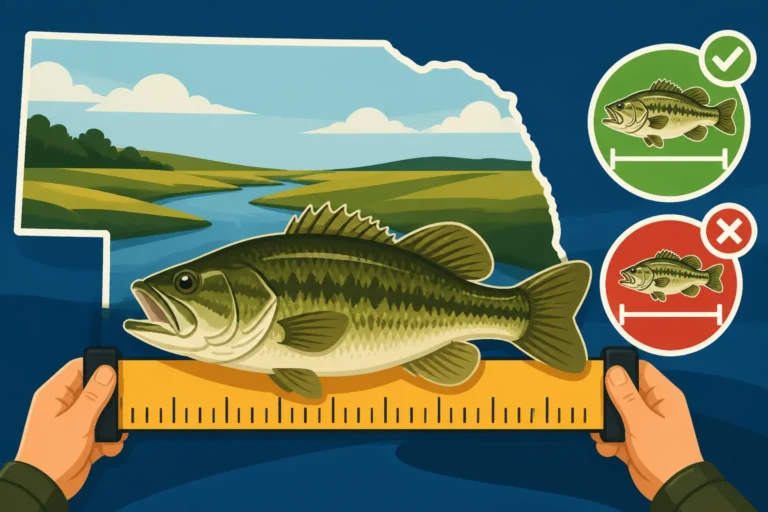
Walleye are one of Nebraska's most sought-after game fish, and as such, they have specific regulations. These often include a daily bag limit (how many you can keep in a 24-hour period) and sometimes a possession limit (how many you can have on hand, including those at home). There are frequently length limits as well, such as a minimum length to keep or slot limits that require certain sizes to be released. For example, some lakes might have a 15-inch minimum length, while others might have a slot limit where fish between, say, 18 and 22 inches, must be released. These measures are designed to protect breeding-size fish and ensure a healthy population structure.
Sauger, a close relative of the walleye, are also popular and often fall under similar regulations, sometimes even combined with walleye in a total aggregate limit. Always consult the specific regulations for the body of water you're fishing, as limits can vary greatly from Lake McConaughy to smaller reservoirs like Branched Oak Lake. You can find specific details in our article on the Nebraska Walleye Daily Bag Limit. It's a good idea to keep a ruler or measuring tape on your boat or in your tackle box, readily available, because guessing can lead to unintentional violations.
Catfish and Panfish Regulations
Catfish, particularly channel catfish, are abundant and a favorite target for many Nebraska anglers. Generally, catfish regulations are a bit more straightforward than walleye, often involving a daily bag limit and a possession limit. However, some specific waters might have unique rules for flathead or blue catfish, especially if those species are less common or being managed for trophy size. Checking the rules for specific lakes or rivers is always a good practice, especially if you're venturing to new waters. Many anglers enjoy pursuing big catfish, and knowing the specifics helps you responsibly enjoy the sport. For a deeper dive into these rules, check out the Nebraska Catfish Daily Bag Limits guide.
Panfish like crappie, bluegill, and perch are generally more liberal in their limits due to their faster reproduction rates. It's not uncommon to see higher daily bag limits for these species. However, even panfish can have specific length limits or reduced bag limits in certain waters if the population is being managed for quality or recovering from stress. For instance, a small urban pond might have a lower crappie limit to ensure healthy numbers for community fishing events. These are often detailed in the "Public Fishing Areas" section of the NGPC regulations guide. Always verify the rules for your chosen fishing spot before you start filling your livewell.
Bass, Pike, and Muskie Rules
Largemouth and smallmouth bass are prominent game fish in Nebraska, and their regulations often involve length limits and daily bag limits designed to promote trophy potential and healthy populations. Slot limits are quite common for bass, meaning you can keep fish below a certain size and above another size, but fish within the "slot" must be released. This protects the prime breeding stock. For example, a common bass slot limit might be 15-21 inches to be released, allowing anglers to keep fish under 15 inches or over 21 inches.
Northern pike and muskellunge (muskie) are often managed with very strict length limits and very low daily bag limits, sometimes as low as one fish per day, or even "catch and release" only in some waters. These large predatory fish grow slowly and are valued for their trophy potential, so conservation is key. Merritt Reservoir, for example, is known for its muskie fishery and has very specific regulations to protect these giants. Always be sure to handle these large fish carefully, especially if they are within a protected slot limit and need to be released. Using a large, rubberized landing net and a good set of pliers for hook removal is essential for the health of the fish.
Special Fishing Rules and Methods
Nebraska's fishing regulations aren't just about species and sizes; they also dictate how you can fish, when you can fish, and what gear you can use. These special rules are in place for various reasons, from safety to fair chase, and understanding them prevents unintentional violations.
Ice Fishing and Night Fishing
Ice fishing is a cherished winter tradition in Nebraska, offering unique opportunities to catch fish that might be harder to target in open water. However, ice fishing comes with its own set of rules, primarily concerning safety and the number of lines allowed. Generally, anglers are permitted to use a certain number of lines while ice fishing, often more than during open water season, but these lines must typically be closely attended. There might also be rules about the size of holes you can cut, or leaving shelters unattended overnight. Safety on the ice is paramount, and these rules are often designed with that in mind. For a full breakdown of winter angling, check out our guide on Nebraska Ice Fishing Regulations.
Night fishing is also popular, especially for species like catfish or walleye that become more active after dark. While generally permitted, some waters, particularly state parks or urban lakes, might have specific closing hours or restrictions on night fishing to manage park access and noise. Always check local signs or the NGPC guide for any specific time restrictions for the area you plan to fish after sundown. When night fishing, good lighting, such as a headlamp or lantern (like those you might find on Amazon), is essential not only for safety but also for ensuring you can correctly identify your catch and adhere to regulations.
Bowfishing, Snagging, and Trotlines
Nebraska allows various alternative fishing methods, but they are highly regulated and often species-specific. Bowfishing, which targets rough fish like carp and gar, is permitted in many waters, but there are strict rules about target species, legal equipment, and hours of operation. It’s a very visual and active sport, but requires careful adherence to the rules.
Snagging, which involves hooking fish indiscriminately, is generally prohibited for game fish but is legal for specific species like paddlefish during very short, designated seasons and in specific locations, primarily on the Missouri River. Paddlefish snagging is a unique and thrilling experience, but it requires a special permit and strict adherence to specific season dates and regulations.
Trotlines and setlines are also permitted for certain species, primarily catfish, but they come with very detailed rules regarding placement, length, number of hooks, and attendance. You typically need to tag these lines with your name and permit number, and they can't obstruct navigation. These methods are designed for efficiency but require responsible use to avoid harming other wildlife or interfering with other anglers. Always check the annual guide for precise details on these specialized methods before attempting them.
Number of Lines and Gear Restrictions
The most common "how-to" rule is the number of lines an angler can use simultaneously. For open water fishing, Nebraska typically limits anglers to a certain number of lines, often two, though this can vary. Each line must be under the direct control and observation of the angler. This rule prevents individuals from setting out dozens of lines and monopolizing fishing opportunities.
There are also rules about what constitutes a "legal" fishing method. For instance, using illegal netting, explosives, or poisons is strictly prohibited and carries severe penalties. Electronic devices designed to stun fish are also illegal. While most conventional rod-and-reel setups are fine, understanding the nuances of legal baits (e.g., live bait restrictions in certain waters to prevent disease spread) and tackle can be important. Using gizzard shad as bait, for example, is common but regulated to prevent their introduction to new waters. Always check the regulations for any specific body of water, as some might have special lure-only restrictions or limitations on live bait usage.
Boat Registration and Aquatic Invasive Species
If you're planning to enjoy Nebraska's waters from a boat, there's a whole other layer of regulations you need to be aware of. This isn't just about fishing; it's about safe boating and protecting the aquatic environment from destructive invaders. The Nebraska Boat Registration and Fishing Rules are a critical read for any boat owner.
Registering Your Boat in Nebraska
Any motorboat or sailboat over 12 feet in length operating on Nebraska waters must be registered with the Nebraska Game and Parks Commission. This includes personal watercraft (PWCs), electric-motor-powered kayaks, and even some inflatable boats. Registration involves submitting an application, proof of ownership, and paying the applicable fees, which vary based on the length and type of your vessel. Once registered, you'll receive a registration certificate and decals that must be displayed on your boat.
The registration process helps the state track vessels for safety and management purposes, and the fees contribute to boating facilities and conservation efforts. Renewals are typically required every few years. It's important to remember that just because your boat is registered doesn't mean you're exempt from fishing license requirements; these are two separate permits. Ensure your registration is current before you hit the water to avoid fines.
The Aquatic Invasive Species Stamp and Prevention
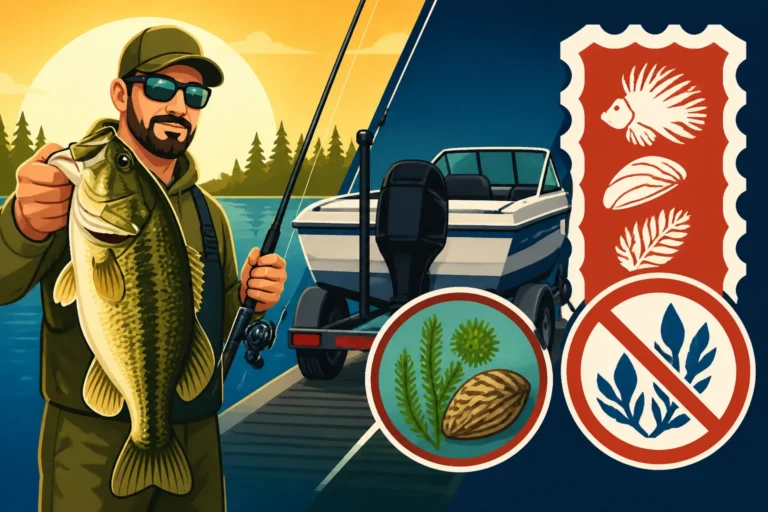
As mentioned earlier, the Aquatic Invasive Species (AIS) Stamp is a crucial component for boat owners. This stamp, purchased annually, funds efforts to prevent the introduction and spread of invasive species like zebra mussels, Asian carp, and rusty crayfish, which can wreak havoc on native ecosystems and infrastructure. These invaders can clog water intake pipes, disrupt food chains, and outcompete native fish, making fishing much harder for everyone.
Beyond the stamp, boaters are legally required to take specific preventative actions every time they leave a body of water. This is often summarized by the "Clean, Drain, Dry" mantra:
- Clean: Remove all visible aquatic plants, animals, and mud from your boat, trailer, and fishing gear.
- Drain: Pull your drain plug and drain all water from your boat, livewell, baitwell, and bilge.
- Dry: Allow your boat and equipment to thoroughly dry for at least five days before launching in another water body. If drying isn't possible, a thorough rinse with high-pressure hot water might be an alternative.
These steps are not just recommendations; they are enforceable regulations designed to protect Nebraska's precious aquatic resources. Ignoring them can lead to significant penalties.
Out-of-State Boats and Inspections
If you're bringing a boat into Nebraska from another state, there are additional rules to be aware of, particularly concerning AIS. All boats entering Nebraska from another state must undergo an inspection if they have been on a body of water known to be infested with AIS. Even if your boat isn't from an infested water, the "Clean, Drain, Dry" rule applies just as rigorously.
Nebraska has designated inspection stations, especially along major travel corridors and near popular reservoirs. These stations are there to help you comply with the rules and protect Nebraska's waters. Failing to stop at an inspection station when required, or being found with aquatic invasive species on your boat, can result in hefty fines. It's always best to arrive prepared, having already followed the Clean, Drain, Dry protocol to ensure a smooth entry and an enjoyable, responsible fishing trip.
Common Violations and Penalties
Nobody wants to deal with a Game Warden under less-than-ideal circumstances. Understanding the most common fishing violations and their potential penalties is a strong deterrent and an important part of responsible angling. The fines and consequences can be significant, extending beyond just a monetary penalty.
Fishing Without a License
This is perhaps the most common and easily avoidable violation. Simply put, if you're 16 or older and not exempt, you need a valid Nebraska fishing license. Getting caught fishing without one can result in a fine, and potentially even the confiscation of your fishing gear. The exact amount of the fine can vary, but it's always far more expensive than the cost of the actual license.
Beyond the immediate fine, repeated offenses could lead to a suspension of your fishing privileges, meaning you wouldn't be able to legally purchase a license for a period of time. It's a preventable mistake that can ruin your day and cost you a lot more than just a few bucks. If you're ever in doubt about needing a license, it's always safer to just purchase one. Remember, you can easily pick one up online via GoOutdoorsNE or at a local bait shop. Our article on the Fine for Fishing Without a License in Nebraska details the severity of this offense.
Exceeding Bag or Length Limits
This violation often happens inadvertently, especially with slot limits or when anglers are having a particularly good day and lose track of their count. Keeping more fish than the daily bag limit or possessing fish outside of legal length limits (either too small or too large, depending on the rule) is a serious offense. This is why having a ruler on hand and being meticulous about counting your catch is so important.
The penalties for exceeding limits can range from fines to restitution, where you might have to pay a set value for each fish illegally harvested. For especially egregious or repeated violations, fishing privileges can be revoked. The goal of bag and length limits is to ensure sustainable fish populations, and violating these rules directly undermines conservation efforts. It's not just about what you keep; it's about making sure there are plenty of fish left for tomorrow.
Illegal Fishing Methods and Poaching
Using prohibited fishing methods or engaging in what is considered poaching carries the most severe penalties. This includes using illegal nets, chemical substances, explosives, or any method specifically outlawed by the NGPC. Poaching, which is the illegal taking of wildlife, often involves fishing out of season, taking protected species, or selling game fish illegally. These acts are not just violations; they are criminal offenses with potentially severe consequences.
Penalties for illegal methods and poaching can include substantial fines, confiscation of all equipment (boats, vehicles, fishing gear), and lengthy suspensions of fishing and hunting privileges. In severe cases, particularly involving commercial poaching, jail time is a possibility. The NGPC takes these violations very seriously because they directly threaten the integrity of Nebraska's wildlife resources. If you witness or suspect any illegal fishing activity, it's critical to report it to the authorities promptly to help protect our shared natural heritage.
Staying Informed: Resources and Updates
Regulations aren't static; they can and do change. Being a responsible angler means staying current with the rules, especially when planning trips to new areas or targeting different species. Thankfully, the Nebraska Game and Parks Commission provides several excellent resources to help you stay in the know.
Official Resources and Publications
The most authoritative source for all Nebraska fishing regulations is the Nebraska Game and Parks Commission (NGPC) itself. Their official website (OutdoorNebraska.gov) is a treasure trove of information, hosting the current year's fishing guide, press releases about regulation changes, fish stocking reports, and detailed information about specific lakes and rivers. bookmarking this site is a must for any serious Nebraska angler.
Beyond the main guide, the NGPC often publishes special brochures or online fact sheets for specific fisheries or unique situations, such as paddlefish snagging or specific youth programs. Keep an eye on their news section or sign up for their email newsletters to receive updates directly. These resources are designed to educate and assist anglers, ensuring everyone has access to accurate and timely information. You might even find useful accessories like measuring tapes or small guides available for purchase on platforms like Amazon, which can be invaluable tools when out on the water.
Leveraging Online Tools Like GoOutdoorsNE
The GoOutdoorsNE Online Permit System is more than just a place to buy your license; it's a central hub for managing your permits and staying updated. Through your personal account, you can often view your permit history, manage renewals, and access digital copies of your licenses and stamps. This online portal makes it incredibly convenient to ensure you're always properly licensed before heading out.
Many states are moving towards digital proofs of purchase, which means having the GoOutdoorsNE app or a PDF of your license saved on your phone is often sufficient proof of a valid permit. This eliminates the worry of forgetting your physical card at home. The system also frequently links to current regulations, so you can often access the full guide right from your account interface, making it an indispensable tool for the modern angler.
Reporting Violations and Getting Clarification
If you're ever unsure about a regulation or witness a potential violation, knowing who to contact is key. The NGPC has a dedicated hotline and online reporting system for wildlife violations. Reporting suspicious activity anonymously helps Game Wardens enforce the rules and protect our resources. Don't hesitate to report; you're doing your part to ensure sustainable fishing for everyone.
For questions or clarification on regulations, the best approach is to contact the Nebraska Game and Parks Commission directly. Their regional offices or headquarters can connect you with staff who can provide accurate answers. Avoid relying on unofficial sources or old information from forums, as regulations can be complex and subject to change. A quick, direct call or email to the NGPC can save you from an accidental violation and ensure you're fishing by the book.
Reciprocity and Border Waters
Nebraska shares borders with several other states, and some of these border waters have special agreements that can affect your fishing license requirements. Navigating these rules can be particularly confusing, but understanding them is essential if you plan to fish rivers like the Missouri or lakes that straddle state lines.
Missouri River Border Water Rules
The Missouri River forms a significant portion of Nebraska's eastern border, touching Iowa, Missouri, Kansas, and South Dakota. Because it's a shared resource, special reciprocal agreements are in place for fishing licenses. Generally, if you possess a valid fishing license from Nebraska, you can fish the Nebraska portion of the Missouri River. However, these agreements often extend to the "main channel" of the river.
The tricky part comes with tributaries, oxbow lakes, or backwaters that are clearly within the border of another state. For example, if you float down a tributary that enters the Missouri River on the Iowa side, your Nebraska license likely won't cover you once you're in Iowa's territorial waters. It's crucial to consult the Missouri River Border Water Fishing License Rules to understand the precise boundaries and reciprocity agreements with each adjacent state. Often, specific maps or geographic descriptions are included in the annual regulations guide to clarify these zones. Always err on the side of caution and get a non-resident license for the adjacent state if you plan to fish anything beyond the main channel.
Lewis and Clark Lake Agreement with South Dakota
Lewis and Clark Lake, a popular reservoir on the Missouri River, is another prime example of a border water with specific rules. Shared between Nebraska and South Dakota, this lake has a special reciprocal agreement allowing anglers with a valid fishing license from either state to fish anywhere on the main body of the lake. This is a fantastic convenience, as it means you don't need two separate licenses to fish the entire lake.
However, just like the broader Missouri River rules, this reciprocity usually applies only to the main lake body. If you venture into tributaries or designated areas that are clearly within one state's exclusive jurisdiction (e.g., a boat ramp and adjacent shoreline within a South Dakota state park), you might need that state's license. Always check the current year's regulations for any changes to this agreement and ensure you understand the boundaries. This agreement is designed to make fishing Lewis and Clark Lake as seamless as possible for anglers from both states.
Interstate Considerations for Fishing Licenses
Beyond the major border waters, if you frequently fish in neighboring states, it's important to remember that a Nebraska fishing license is generally only valid within Nebraska's state lines and its reciprocal border waters. It does not automatically grant you permission to fish in Iowa, Kansas, Missouri, Colorado, Wyoming, or South Dakota. Each state has its own distinct fishing license requirements, fees, and regulations.
If you plan a fishing trip to a neighboring state, make sure to research and purchase the appropriate nonresident fishing license for that state. Many states, like Nebraska, offer various options such as annual, multi-day, or even short-term permits, which can be cost-effective for a brief visit. While it might seem like a hassle, respecting each state's regulations is crucial for maintaining interstate cooperation and ensuring conservation efforts are effective across regions.
Disclaimer
The information provided in this guide is for general informational purposes only and is not intended as legal advice. Fishing regulations are subject to change and may vary by specific location, season, and species. It is the responsibility of each angler to consult the official Nebraska Game and Parks Commission regulations guide and any local ordinances before fishing. Always verify the most current rules and requirements directly from official sources to ensure compliance.