Best Lantern for a Nebraska Night Fishing Trip
Night fishing in Nebraska offers a unique serenity and often some of the best angling opportunities, but trying to navigate in the dark can quickly turn a peaceful evening into a frustrating fumbling session. From tying knots with freezing fingers to safely moving around your fishing spot, having adequate light is absolutely crucial. This guide will walk you through everything you need to know to pick the perfect lantern for your next Nebraska night fishing trip, ensuring you can see clearly, stay safe, and enjoy every moment under the stars.
Why Nebraska Night Fishing Demands the Right Lighting
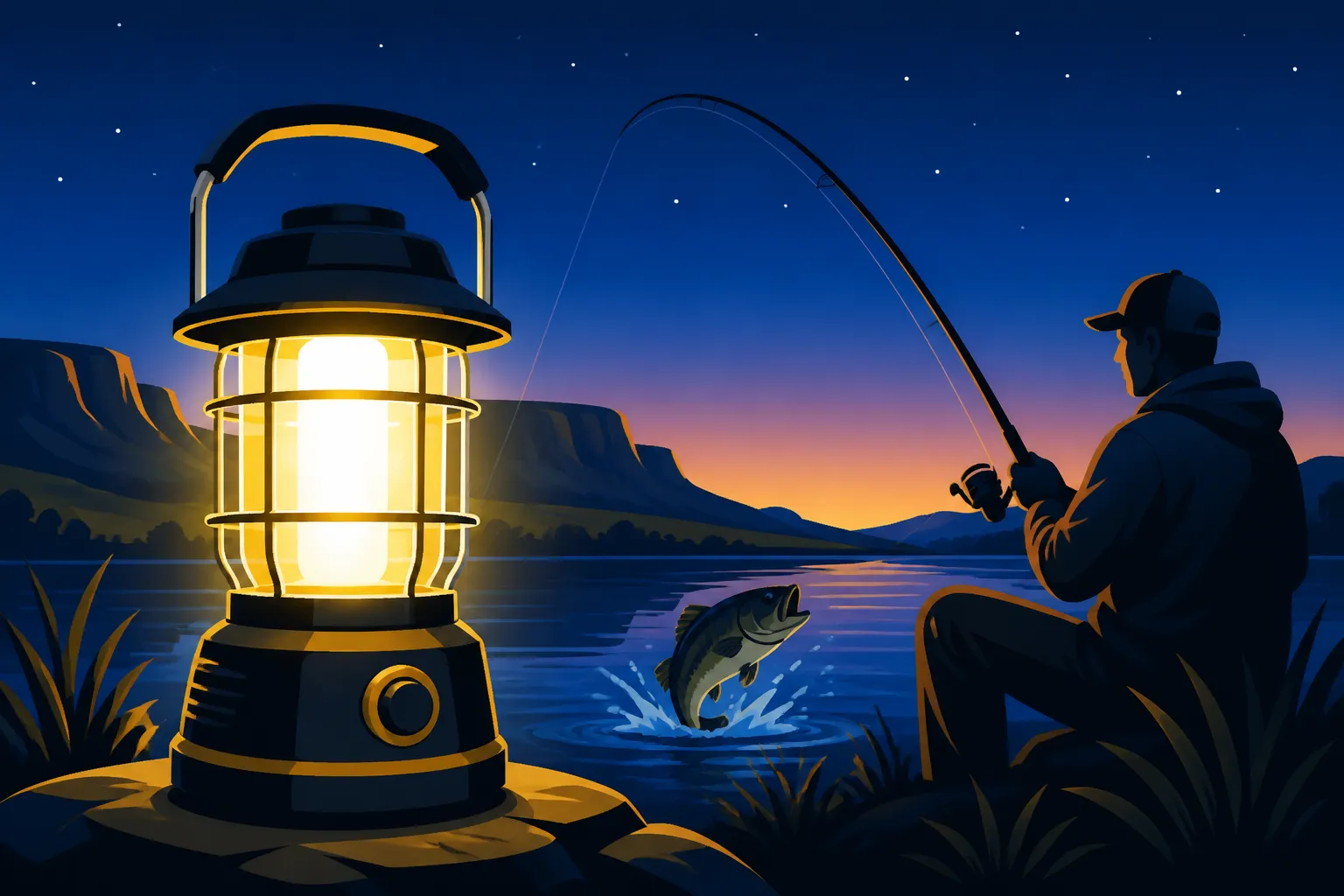
There's something truly magical about casting a line under the vast Nebraska sky, with the sounds of the night replacing the usual daytime chatter. The cooler temperatures can bring out bigger fish, like those elusive walleye moving into shallower water or big channel catfish becoming more active. However, this enchanting experience comes with a significant challenge: the dark. And not just any dark, but the deep, often windy, and sometimes buggy dark of the Nebraska outdoors.
The Unique Challenges of Nebraska Nights
Nebraska nights can be surprisingly intense. Away from city lights, the darkness can be profound, making even familiar surroundings feel disorienting. You're not just trying to see your bait; you're trying to avoid tripping on uneven ground, locate dropped tackle, or safely move from your truck to the water's edge. Add in the famous Nebraska wind, which can make a small flashlight beam dance wildly, or a swarm of hungry mosquitoes drawn to an unshielded light, and you've got a recipe for frustration if you're not properly equipped. A flimsy, dim light just won't cut it when you're dealing with these elements. You need something that can stand up to the conditions and provide consistent, reliable illumination.
Another aspect to consider is the subtle nature of night fishing itself. While you might be able to get by with ambient light during a full moon, that's not always the case. Setting up a trotline, untangling a bird's nest in your reel, or even just re-baiting your hook requires a steady, hands-free light source. Relying on your phone's flashlight is a recipe for a dead battery and a dropped device in the water. We’ve all been there, squinting and cursing under our breath, wishing we had just invested in a proper light. Don't let a lack of illumination be the reason your peaceful night turns into a stressful ordeal.
Beyond Just Seeing: Safety and Setup
Proper lighting for night fishing in Nebraska isn't just about catching fish; it's fundamentally about safety and making your experience enjoyable from start to finish. Imagine walking back to your vehicle across a rocky shore at Lewis and Clark Lake Fishing Guide or setting up an ice fishing shelter on a dark, frozen Merritt Reservoir Ice Fishing Conditions. Without adequate, steady light, you're risking a fall, a twisted ankle, or worse. Boats also need navigation lights, but even on the water, a good personal lantern ensures you can see your gear, avoid dropping items overboard, and safely handle fish.
Beyond personal safety, a well-lit fishing area makes the entire process smoother. From the moment you arrive, you'll appreciate a strong lantern that helps you unpack your gear, rig your rods, and prepare your bait without fumbling. It also helps in observing your surroundings for wildlife, understanding the terrain, and simply feeling more secure. Many anglers choose night fishing for the tranquility, and a constant struggle with inadequate light completely ruins that peaceful ambiance. Invest in a good lantern, and you're not just buying light; you're buying peace of mind and extending your effective fishing hours.
Essential Features to Prioritize in a Fishing Lantern
When you're outfitting yourself for a night on the water or ice, a lantern isn't just a luxury; it's a necessity. But with so many options out there, how do you choose? It really comes down to understanding the key features that will make the biggest difference in your specific Nebraska fishing adventures.
Brightness and Beam Type
The most obvious feature, brightness, is measured in lumens. While more lumens generally mean more light, it’s not always about having the brightest light possible. Sometimes, too much bright, white light can spook fish or ruin your night vision. Look for lanterns that offer adjustable brightness settings. This allows you to dial down the light for subtle tasks like tying a knot, or crank it up when you need to illuminate a wider area, like scouting the shoreline or searching for a dropped item.
Equally important is the beam type. Some lanterns provide a focused, directional beam, much like a flashlight, which is great for pinpointing specific spots. Others offer a diffused, omnidirectional light, illuminating a broader area more softly. For fishing, a diffused light is often preferable as your primary light source, creating a comfortable ambient glow around your setup. This is where lanterns truly shine over headlamps (though headlamps are fantastic complements). Many modern fishing lanterns also include a "red light" mode. Red light preserves your natural night vision much better than white light and is less likely to scare off nocturnal fish. This feature is a game-changer for serious night anglers.
Power Source and Battery Life
Nothing ruins a night fishing trip faster than your light source dying unexpectedly. Consider the power source carefully. You'll find lanterns powered by traditional disposable batteries (AA, D, C), rechargeable internal batteries, and even some that run on propane or gas. Disposable batteries offer the convenience of quick swaps if you carry spares, but they can be costly over time and add weight. For extended trips or frequent use, rechargeable options are often more economical and environmentally friendly. Many modern rechargeable lanterns use USB ports, allowing you to charge them from a power bank, your vehicle, or even a small solar panel.
Battery life, often listed as runtime, is critical. Look for a lantern with a runtime that exceeds your typical fishing session. If you plan to be out for eight hours, aim for a lantern that boasts 10-12 hours on a medium setting to give yourself a buffer. Some lanterns have extremely long runtimes on their lowest settings, which can be useful for ambient light, but always check the runtime at your preferred brightness level. A good strategy is to have a primary rechargeable lantern and a small, battery-powered backup flashlight or headlamp for emergencies.
Durability and Weather Resistance
Nebraska weather is famously unpredictable. One minute it's calm, the next, a stiff wind whips up, potentially bringing rain or blowing sand. Your fishing lantern needs to be built to withstand these elements. Look for models with a high IPX rating (Ingress Protection rating). An IPX4 rating means it can resist splashes from any direction, which is usually sufficient for rain or accidental splashes near the water. An IPX7 rating means it can be submerged in water for a short period, which offers even greater peace of mind if it accidentally tumbles into Branched Oak Lake Fishing Guide.
Beyond water resistance, consider the overall construction. A rugged plastic or metal housing will stand up better to accidental drops or bumps in your tackle box. Things tend to get knocked around more in the dark, so a durable design is essential. Check for sturdy hanging hooks or handles that won't snap under pressure. You don't want your primary light source to shatter just because it slipped off a railing or fell from a tackle box.
Portability and Mounting Options
A great lantern needs to be easy to carry and position where you need it most. Size and weight are important, especially if you're hiking to a remote spot or have limited space in a kayak. Compact, lightweight lanterns are usually preferred, but don't sacrifice essential features for minimal weight.
Look for versatile mounting options. A sturdy handle for carrying or hanging from a tree branch is standard. Many modern lanterns incorporate collapsible hooks, carabiner clips, or even magnetic bases. Magnets can be incredibly useful for attaching your light to a metal boat hull, the inside of a fishing shelter, or even the side of your vehicle's tailgate. The more ways you can position your light hands-free, the better. When you're busy handling a fish or retying a line, the last thing you want is to juggle a handheld light.
Special Features for Anglers
Some lanterns come with features specifically designed to enhance the fishing experience. As mentioned, a red light mode is highly beneficial for preserving night vision and not spooking fish. Another fantastic feature is a built-in bug repellent or "bug-attracting" UV light mode. Some lanterns emit a yellow or amber light that is less attractive to mosquitoes and other insects, keeping them away from your immediate area. Others might have an integrated UV light that draws bugs away from you and into a zapper grid. While not perfect, these can make a significant difference on a buggy Nebraska summer night.
Other useful features might include a USB charging port to power your phone or other small devices, a built-in fan for warmer nights, or even remote control operation for convenience when you're bundled up in an ice shanty. While these aren't strictly necessary, they can certainly elevate your comfort and overall enjoyment, especially during long waits for a bite.
Different Types of Lanterns for Nebraska Anglers
Just like there are different types of fishing, there are various types of lanterns, each with its own set of pros and cons. Understanding these distinctions will help you pinpoint the best illumination for your specific night fishing adventures in Nebraska.
Traditional Battery-Powered LED Lanterns
These are the workhorses of the modern camping and fishing world. Using readily available disposable batteries (AA, C, or D cells), LED lanterns offer reliable, energy-efficient light. They've come a long way from the dim, yellow glow of incandescent bulbs; modern LEDs are bright, durable, and consume very little power. This means a set of fresh batteries can last for many hours, sometimes even days, on lower settings.
The major advantages here are simplicity and availability. You can find batteries almost anywhere, from gas stations to local bait shops. If your light dies, a quick battery swap gets you back in action. They're often very affordable, making them a great option for casual anglers or as a reliable backup. Brands like Coleman, Energizer, and many general outdoor brands offer excellent LED lanterns. However, the ongoing cost of batteries can add up over time, and disposing of used batteries isn't the most environmentally friendly option. They also tend to be a bit bulkier and heavier than their rechargeable counterparts due to the battery compartment.
Rechargeable and USB-Powered Options
This category has exploded in popularity, and for good reason. Rechargeable lanterns come with an integrated battery that can be juiced up via a USB cable, often using the same micro-USB or USB-C cords you use for your phone. This makes them incredibly convenient for regular use, eliminating the need to constantly buy disposable batteries. Many can be charged from a wall outlet, a car charger, or a portable power bank, which is invaluable on extended trips where power access might be limited.
Beyond just powering the light, many rechargeable lanterns double as power banks themselves, offering a USB-out port to charge your phone, GPS, or other small electronics. This multi-functionality is a huge plus for anglers who rely on their devices. They tend to be more compact and lighter than traditional battery models for comparable brightness. The initial cost might be slightly higher, but the long-term savings on batteries and added convenience usually make them a worthwhile investment. You'll find a wide array of these on Amazon and at outdoor retailers like Bass Pro Shops. Their only real downside is that if the internal battery dies and you don't have a way to recharge it, you're out of luck until you can get to a power source.
Headlamps: A Versatile Companion
While not strictly a "lantern," a headlamp is an indispensable tool for any night angler and deserves a mention. Its primary advantage is hands-free illumination, pointing the light exactly where your eyes are looking. This is critical for tasks requiring fine motor skills, like tying tiny knots, baiting small hooks, or accurately identifying structures in the dark. Many anglers use a headlamp as their personal, task-oriented light, complementing a larger lantern that provides ambient light for the general area.
Modern headlamps boast incredible brightness, long battery life, and often include red light modes, floodlight/spotlight options, and motion sensors. They are typically very lightweight and durable. For those times you need to walk a trail to your fishing spot or manage your tackle without fumbling, a headlamp is king. However, a headlamp on its own doesn't provide the wide, diffused ambient light that a lantern does, which can be less comfortable for extended periods of sitting and waiting. It's often best to carry both a good lantern and a reliable headlamp.
Propane/Gas Lanterns: The Old School Brightness
Before the LED revolution, propane or gas lanterns were the go-to for serious outdoor illumination. They provide an incredibly bright, warm light, often rivaling or exceeding many LED lanterns in sheer output. The hissing sound and flickering mantle evoke a classic outdoor vibe that many still cherish. They run on small propane canisters or liquid fuel, offering a readily available fuel source if you're already carrying it for a camp stove.
However, these lanterns come with several significant drawbacks for fishing. They are hot to the touch, making them less safe around children or in confined spaces like ice shanties. They are also much heavier, bulkier, and require delicate mantles that can break easily. The biggest issue for anglers, though, is their noise and intense bright white light, which can be very disruptive to fish and other wildlife. They also produce carbon monoxide, making them unsafe to use in unventilated areas. While they offer unparalleled brightness for some situations, for the average Nebraska night fishing trip, a modern LED or rechargeable lantern is usually a more practical and safer choice.
Choosing Your Perfect Lantern: Scenarios and Recommendations
The best lantern for you really depends on how and where you plan to fish in Nebraska after dark. A walleye angler on Lake McConaughy will have different needs than someone targeting catfish on the Platte River or ice fishing a sandpit lake.
Bank Fishing Setup
For anglers who prefer to cast from shore, often hiking a bit to find that perfect spot, portability and battery life are paramount. You want something relatively lightweight that can easily be carried in a backpack or tackle bag. A lantern with a sturdy hanging hook or a magnetic base is ideal, allowing you to suspend it from a tree branch, a rod holder, or even the side of your cooler.
A rechargeable LED lantern with adjustable brightness and a red light mode is a fantastic choice. You can hang it over your primary fishing zone for ambient light, using the red light to maintain night vision. A compact model with a built-in power bank is a bonus, allowing you to charge your phone if you're using it for weather updates or a fishing app. Don't forget a headlamp for tying knots and baiting hooks – a perfect combo for any Best Bank Fishing Rigs for Nebraska Reservoirs setup.
Boat Fishing Illumination
Fishing from a boat, whether it’s a bass boat on Branched Oak Lake Striped Bass Fishing Tips or a small Jon boat on the Missouri River, presents its own lighting challenges. Space is often at a premium, and the lantern needs to be secure and durable enough to withstand movement and splashes. Weather resistance (IPX4 or higher) is crucial here.
Rechargeable lanterns with magnetic bases are incredibly useful for boats, allowing you to stick them to metal surfaces or hang them from Bimini tops. Consider a lantern that offers both diffused area lighting and a more focused beam for spotting buoys or navigating shallow areas. A lantern with a bright enough setting to illuminate your entire casting deck, combined with a dimmer red light for stealthy fishing, offers great versatility. Make sure any lantern you bring aboard meets Nebraska Boat Safety Equipment Requirements if it's considered part of your general illumination.
Ice Fishing Comfort
Ice fishing brings a whole new set of considerations. Inside an ice shelter, warmth and confined spaces are key. A lantern that produces minimal heat is essential, ruling out gas lanterns due to heat and carbon monoxide concerns. Battery life is also extremely important, as cold temperatures can significantly drain batteries faster.
A compact, rechargeable LED lantern is perfect for ice fishing. Look for models that can be hung easily from the roof of a shelter or set on a small table. A red light mode is excellent for maintaining night vision when you peek outside your shelter. If you're using a bigger shelter or a permanent shack, consider a powerful, multi-directional rechargeable lantern that can illuminate the entire space. For those long, cold nights, a lantern with an integrated fan (for warmer days) or a USB charging port for other electronics will add considerable comfort to your Nebraska Ice Fishing Gear Setup.
Budget-Friendly vs. Premium Options
Just like with fishing rods, lanterns come in a range of prices. A budget-friendly option, often found on Amazon or at local discount stores, might be a basic battery-powered LED lantern. These are excellent for occasional use or as backups, providing reliable light without breaking the bank. They'll typically offer decent brightness and battery life but might lack advanced features like red light modes, magnetic bases, or power bank capabilities.
On the other hand, premium lanterns, often available from dedicated outdoor retailers like Bass Pro Shops, will boast superior construction, advanced features, higher IPX ratings, and longer warranties. They often feature proprietary battery systems, brighter and more efficient LEDs, and thoughtful design elements like collapsible diffusers or integrated solar charging. These are investments for serious anglers who spend many nights out or demand the utmost reliability and versatility. Decide what features are truly essential for your fishing style and then find the best lantern within your budget that meets those needs.
Here's a quick comparison of common lantern types:
| Lantern Type | Pros | Cons | Ideal Nebraska Fishing Scenario |
|---|---|---|---|
| Traditional LED (Battery) | Affordable, readily available, simple to use, reliable (with fresh batteries) | Batteries add ongoing cost/waste, can be bulky, limited advanced features | Casual bank fishing, backup light, short trips |
| Rechargeable LED (USB) | Cost-effective long-term, compact, often multi-functional (power bank, red light) | Relies on power for recharging, battery life can diminish over time, potentially higher initial cost | Frequent night fishing, boat fishing, ice fishing, multi-day trips |
| Headlamp | Hands-free, directional light, lightweight, portable, good for task-specific work | Limited ambient light, can be uncomfortable for extended wear, only illuminates where you look | Essential complement to any lantern, knot tying, baiting |
| Propane/Gas Lantern | Extremely bright, warm classic glow | Hot, noisy, fragile mantles, carbon monoxide risk, bulky, fuel cost, disruptive to fish | Not recommended for most fishing, perhaps for large camp area lighting |
Disclaimer
This article is for general informational purposes only and does not constitute professional advice. Laws, prices and regulations vary by location and change over time. Consult a qualified professional for guidance on your specific situation.