Merritt Reservoir Ice Fishing Conditions
There's nothing quite like the crisp air and quiet solitude of ice fishing, but hitting the frozen waters of a place like Merritt Reservoir without understanding the current conditions can turn a serene day into a frustrating, or even dangerous, experience. Anglers often face the challenge of unpredictable ice, rapidly changing weather, and the mystery of where the fish are hiding beneath the surface. This comprehensive guide is here to cut through the confusion, offering a deep dive into what you can expect when venturing out for ice fishing at Merritt Reservoir, providing crucial insights into ice safety, productive techniques, and how to stay informed before you even leave home.
Navigating the Ice Fishing Season at Merritt Reservoir
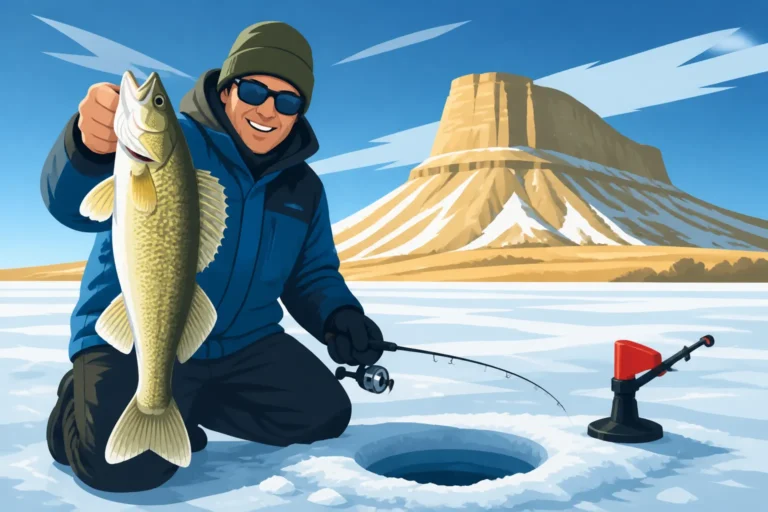
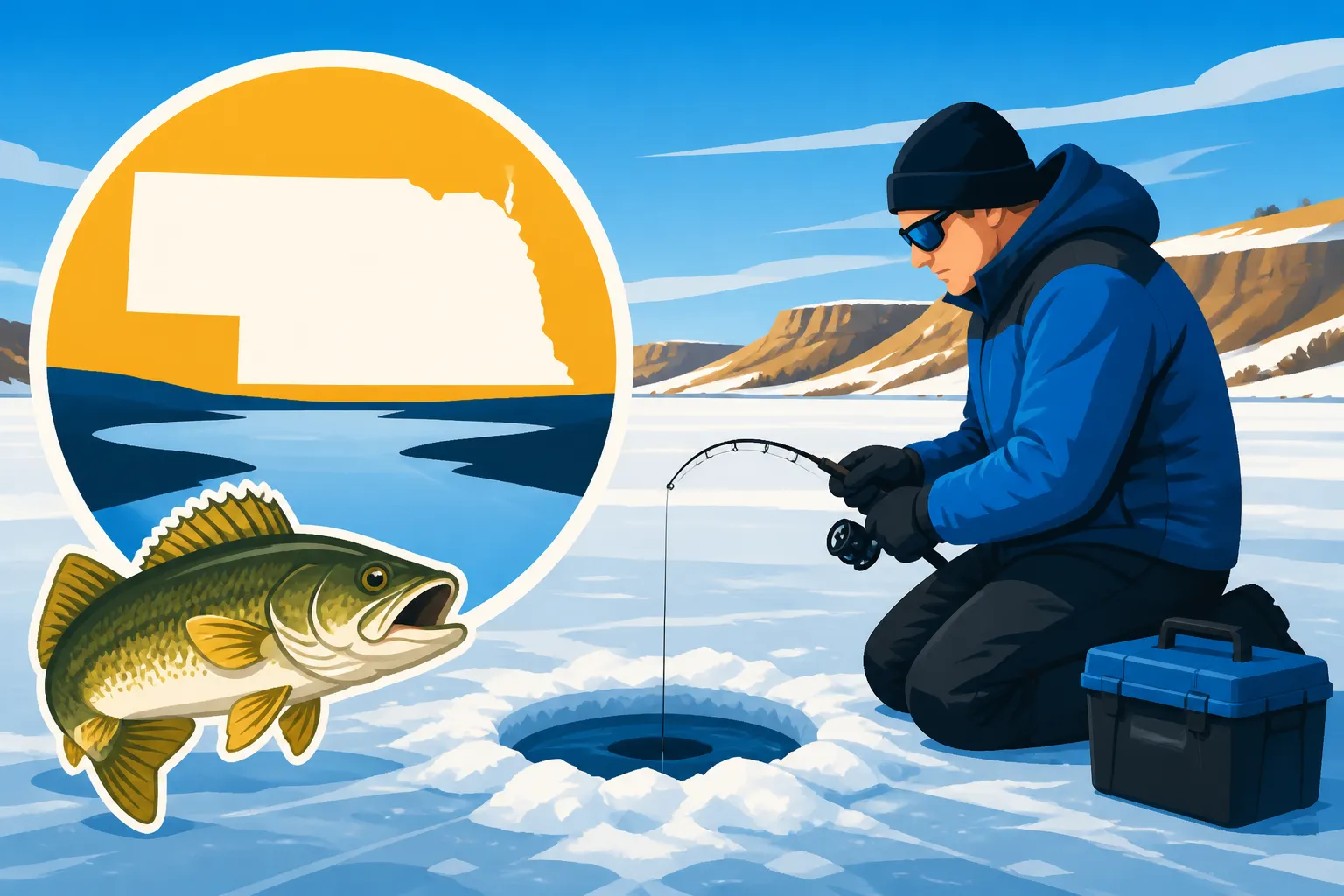
Merritt Reservoir, nestled in the Sandhills of Nebraska, transforms into an ice angler's paradise each winter, drawing enthusiasts eager to brave the cold for a shot at its impressive walleye, crappie, and northern pike. However, the season's start, duration, and conditions are never a given, heavily influenced by the specific quirks of this unique locale.
How Ice Forms and Thaws at Merritt Reservoir
Ice formation on Merritt Reservoir is a complex dance between temperature, wind, snow cover, and the sheer volume and depth of the water body. Typically, the shallower coves and northern bays, being less exposed to prevailing winds and having less water volume to cool, will "lock up" first. This usually occurs in late November or early December, once consistent freezing temperatures settle in. However, the vast, open expanses of the main lake, particularly near the dam and in deeper sections, take much longer to freeze solid. Strong winds can churn the water, delaying ice formation significantly, even during cold snaps. Snowfall can also play a dual role; a heavy blanket of early snow can insulate thinner ice, slowing its growth, while later season snow on already thick ice can also act as an insulator, sometimes leading to deceptively thin spots beneath.
The thaw, conversely, begins from the edges inward, and around any inlets or springs that introduce warmer water. South-facing shorelines, exposed to more direct sunlight, will degrade faster. Later in the season, as spring approaches, slush layers and honeycomb ice become common, signaling a dangerous transition. Always remember that even on a seemingly frozen lake, ice conditions can vary wildly from one area to another. Deep channels, underwater currents, and structure near shore can create localized thin spots that are incredibly hazardous.
Typical Ice Fishing Season Duration and Best Times
The ice fishing season at Merritt Reservoir usually kicks off in earnest around mid-December, though some brave souls might find fishable ice in sheltered bays earlier. The prime window, offering the most stable and thick ice, generally runs from January through mid-February. During this period, the reservoir often boasts ice depths of 10 to 20 inches or more, making travel safer, though vigilance is always key.
As March approaches, the ice begins to deteriorate rapidly, especially with sunny days and fluctuating temperatures. Early March might still offer some fantastic fishing, but it becomes increasingly risky, with large areas of open water appearing, particularly on the main lake. For specific species, the early ice often brings aggressive walleye and crappie that haven't seen much fishing pressure. Mid-season usually means consistent panfish action, and later ice can be great for northern pike as they prepare for their spawn. Checking resources like FishingBooker for local guide reports can often give you real-time insights into when the season is truly safe and productive. For comprehensive details on the overall ice fishing calendar, you might want to review when ice fishing season starts in Nebraska.
Prime Species and Techniques for Merritt Reservoir Ice
Merritt Reservoir is renowned for its diverse fishery, and the ice fishing season offers unique opportunities to target several popular species. Knowing what's biting and how to catch them can make all the difference in your success.
Targeting Walleye and Panfish Through the Ice
Walleye are undoubtedly the star attraction for many ice anglers at Merritt. During early ice, these toothy predators often congregate on shallow flats near drop-offs or along the edges of weed beds in 10-20 feet of water. As the season progresses and the ice thickens, they tend to move deeper, seeking out main lake structure like submerged humps, points, and channel edges in 20-35 feet. A classic approach involves using jigging spoons tipped with a minnow head or small live minnows fished on a plain hook or a small jig. Aggressive jigging followed by short pauses can trigger strikes. Another effective strategy is to set up multiple lines (within legal limits), using tip-ups baited with larger shiners or suckers, especially after dark, which can be prime time for bigger walleye.
Panfish, including crappie, bluegill, and yellow perch, are also abundant and provide excellent action. Crappie often suspend over deeper water near submerged timber or brush piles, sometimes at mid-depths (e.g., 10-15 feet over 30 feet of water). Tiny tungsten jigs tipped with wax worms, spikes, or small plastics are deadly. Perch tend to be more bottom-oriented, often found on flats or soft bottoms in 15-25 feet, and readily take small spoons or jigs tipped with live bait. Bluegill typically hold tighter to weeds or structure in shallower water, often 5-15 feet deep. Ultralight gear is key for these smaller, but feisty, fish.
Muskie and Northern Pike Opportunities on Ice
Merritt Reservoir is one of Nebraska's premier muskie fisheries, and while challenging, ice fishing for muskies is a thrilling pursuit. These formidable predators require a different approach. Look for them in areas with substantial submerged timber, along deep weed lines, or near prominent points where baitfish congregate. The season for muskie on ice typically starts once thick, stable ice covers these deeper, more exposed areas. Large tip-ups rigged with heavy braided line, a strong fluorocarbon leader, and big live bait such as large suckers or golden shiners are standard. Place these offerings just above known structure or suspended over deeper water where muskies might ambush prey. Patience is paramount, as muskie bites can be few and far between, but the reward of landing one through a small hole is immense. If you're looking for more specialized advice, our guide on Merritt Reservoir Muskellunge Fishing Tips offers deeper insights.
Northern pike, while not reaching the trophy sizes of muskie, are more numerous and provide aggressive strikes. They are often found in similar habitats, particularly in bays with remnant weeds or along drop-offs leading to shallower feeding flats. Medium to large tip-ups with good-sized shiners or dead smelt are very effective. Pike are often caught closer to shore in 5-15 feet of water, especially during low light periods. Remember to use a wire or heavy fluorocarbon leader for both muskie and pike to prevent bite-offs from their razor-sharp teeth.
Staying Safe and Prepared on Merritt's Frozen Surface
Merritt Reservoir is a large body of water, and while it offers incredible ice fishing, safety must always be your top priority. Ice conditions can change quickly, and underestimating them can lead to serious consequences.
Essential Safety Gear and Practices for Ice Anglers
Before you even step foot on the ice, you need to be equipped. Essential safety gear includes:
- Ice Picks: Worn around your neck, these can be life-savers for self-rescue if you fall through.
- Spud Bar or Ice Chisel: Crucial for testing ice thickness as you move, especially during early or late ice. You should tap ahead of you, and if it goes through with one hard hit, the ice is too thin.
- Flotation Suit: An insulated suit designed to provide warmth and buoyancy in case of a plunge. It's an investment that could save your life.
- Rope: A length of sturdy rope (at least 50 feet) that can be thrown to someone who has fallen through.
- First-Aid Kit: For minor injuries that can occur even on solid ice.
- Communication Device: A fully charged cell phone (in a waterproof bag) or a marine radio.
- Headlamp/Lantern: For early morning, late evening, or night fishing.
Beyond gear, practice safe habits. Never fish alone, and always inform someone of your plans, including your exact location and expected return time. Spread out your weight if you're in a group, especially on new or questionable ice. Be extra cautious around inlets, outlets, bridges, and points, as these areas often have thinner ice due to currents. For a detailed rundown on what you need, check out our guide on Nebraska Ice Fishing Gear Setup.
Monitoring Ice Thickness and Recognizing Hazards
Knowing the current ice thickness is paramount. A generally accepted rule for safe ice is:
| Activity | Minimum Ice Thickness (inches) | Notes |
|---|---|---|
| Walking (single) | 4 | New, clear ice. Double for white or cloudy ice. |
| Small group (line) | 5-7 | Walking in a single file line, maintaining distance. |
| Snowmobile/ATV | 8-12 | New, clear ice. Avoid slushy areas. |
| Small Car/Truck | 12-15 | Only on clearly marked ice roads, with extreme caution. |
Always remember these are minimums, and conditions can vary widely.
Beyond thickness, recognize other hazards. Pressure ridges are areas where ice sheets collide, creating jagged, unstable mounds that can be incredibly dangerous. Slush on top of the ice can hide thin spots or make walking treacherous. Spring holes or areas with underwater currents can remain thin throughout the season. Discolored ice (darker often means thinner, milky white can be weaker) or areas with sounds like cracking or groaning should be avoided or approached with extreme caution. Never assume ice is safe just because others are on it. Your safety is your responsibility. Our comprehensive article on How Thick Ice Needs to Be to Fish Safely in Nebraska provides even more critical details.
Real-Time Conditions and Resources for Your Trip
One of the biggest anxieties for ice anglers is uncertainty about current conditions. Thankfully, for a popular spot like Merritt Reservoir, there are ways to get up-to-the-minute information to help you plan your trip.
Where to Find Up-to-Date Ice Reports
Before you hitch up the trailer or pack your auger, do your homework. The most reliable sources for real-time ice conditions at Merritt Reservoir typically come from:
- Local Bait Shops: Businesses like Merritt Trading Post or any bait shop in nearby Valentine are often the first to know the local scoop. They rely on local anglers and their own observations. A quick phone call can save you a long, unproductive drive.
- Online Forums and Social Media Groups: Several Nebraska fishing groups on platforms like Facebook or dedicated fishing forums (e.g., Nebraska Outdoor Forum) have active communities where anglers share reports, photos, and current conditions. Just be sure to cross-reference information, as not all reports are equally reliable.
- Nebraska Game and Parks Commission (NGPC): While the NGPC doesn't provide daily ice thickness reports for every body of water, their website often has general advisories, regulation updates, and links to relevant information. They also stock fish, and knowing when trout are stocked, for example, can impact your fishing plans. You can often find official updates or seasonal outlooks that indicate when areas like Merritt are likely to be fishable.
- FishingBooker: This platform can be a fantastic resource. While primarily for booking fishing charters, many local guides who operate on Merritt Reservoir update their availability and sometimes post recent catches or general fishing conditions. It's a great way to gauge activity levels and potentially connect with an expert for a guided trip if you're new to the area or ice fishing.
Always remember that conditions can change rapidly, especially with fluctuating temperatures or heavy snowfalls. A report from yesterday might not be accurate today.
Local Amenities and Accommodations Near Merritt Reservoir
A successful ice fishing trip isn't just about catching fish; it's also about having comfortable support services. Merritt Reservoir is somewhat remote, but there are options.
- Lodging: The nearby town of Valentine, about 25 miles west, offers several motel options. Closer to the reservoir, there are cabins available for rent at the Merritt Trading Post, which also serves as a general store and bait shop. These often book up quickly during peak ice fishing season, so plan ahead.
- Bait and Tackle: The Merritt Trading Post, located right on the reservoir, is your primary stop for bait, tackle, and essential supplies. They typically carry live minnows, wax worms, and common ice fishing lures. Valentine also has sporting goods stores that can supplement your gear.
- Food and Fuel: The Trading Post has basic groceries and a small diner. Valentine offers more extensive dining options and multiple gas stations. Always make sure your vehicle is fueled up before heading out to the reservoir, especially in winter conditions.
- Ice Fishing Guides: If you're new to Merritt or want to maximize your chances, consider hiring a local ice fishing guide. They know the reservoir's intricacies, prime locations, and effective techniques. Many guides can be found through online searches or by checking platforms like FishingBooker, which lists local fishing professionals and their specialties, often with reviews from other anglers. This can be especially helpful for targeting specific species like muskie or for learning the ropes of Merritt Reservoir Ice Fishing.
Maximizing Your Catch: Tips and Tricks for Merritt Reservoir
Once you're safely on the ice, knowing where and how to present your bait can dramatically improve your success. Merritt Reservoir has its own nuances that experienced ice anglers learn to leverage.
Strategic Fishing Locations and Depths
Merritt Reservoir is known for its structure, and finding it is key to locating fish. Don't just drill holes randomly.
- Submerged Humps and Points: Walleye and perch often relate to these features, especially if they rise significantly from the main lake bottom. Start by drilling holes on top of the hump and work your way down the breaks, experimenting with different depths. A good contour map is invaluable here.
- Old River Channels: The Snake River channel runs through Merritt, and fish will often use its edges as travel corridors or hold in the deeper pockets. Look for crappie suspended along these channel breaks.
- Weed Lines: While deep snow can sometimes kill off weeds, areas with remaining green vegetation can hold panfish and pike, especially early in the season. These provide cover and attract baitfish.
- Isolated Structure: Don't overlook single submerged trees, brush piles, or rock piles. These can be magnets for crappie and walleye. Using a portable fish finder with good side-imaging or 360-degree sonar can help you locate these treasures from above the ice.
- Depths: Early ice walleye might be in 10-20 feet, but mid-winter often sees them move to 25-35 feet. Crappie can suspend anywhere from 10 feet down to just above the bottom in 40+ feet of water. Perch are often found hugging the bottom in similar depths to walleye. Experimentation is crucial! Consider how water temperature Walleye prefer might influence their depth.
Bait and Lure Selection for Merritt's Winter Bite
Matching your presentation to the species and conditions is vital.
- Walleye:
- Jigging Spoons: Slab spoons like the Northland Forage Minnow, VMC Tingler Spoon, or custom-painted spoons are popular. Tip them with a minnow head or small plastic.
- Jigging Raps/Puppet Minnows: These lipless baits mimic baitfish and are excellent for aggressive walleye.
- Live Bait: Shiners or small suckers on a plain hook or a small jig head, suspended under a bobber or on a tip-up, are consistently effective.
- Crappie:
- Small Tungsten Jigs: Micro jigs (1/32 to 1/16 oz) in glow, chartreuse, pink, or black are fantastic. Tip with a small plastic, wax worm, or spike.
- Small Spoons: Tiny flutter spoons or panfish spoons can trigger bites when jigged subtly.
- Live Minnows: Small crappie minnows fished under a sensitive bobber are a perennial favorite.
- Perch:
- Small Spoons and Jigs: Similar to crappie, but sometimes a slightly larger presentation works.
- Euro Larvae/Spikes/Wax Worms: Tipped on a small jig.
- Muskie/Pike:
- Large Live Bait: Big suckers, shiners, or even dead smelt on large tip-ups.
- Large Spoons/Jigging Lures: For active jigging, though tip-ups are more common for these species.
Remember, the activity level of the fish can vary. Sometimes a subtle quiver of the rod tip is all it takes, while other times an aggressive snap-jigging motion is needed. Don't be afraid to experiment with retrieve speed, pauses, and different baits until you find what triggers a strike.
Regulations and Responsible Ice Fishing Practices
Beyond the thrill of the catch, responsible angling is crucial for sustaining Merritt Reservoir's excellent fishery for generations to come. This includes knowing and abiding by all regulations and practicing good etiquette.
Understanding Nebraska's Ice Fishing Regulations
Nebraska has specific rules for ice fishing that every angler must follow. While I can't list every single nuance, here are some key areas to be aware of:
- Fishing License: Everyone 16 years of age and older needs a valid Nebraska fishing license. This often includes additional stamps like the Aquatic Habitat Stamp. Make sure you understand the Nebraska Fishing License Guide.
- Number of Lines: Generally, a Nebraska fishing license allows you to use up to two lines, but there are exceptions for ice fishing. For specific details on these expanded privileges, be sure to consult the official Nebraska Game and Parks regulations guide, or our detailed piece on Nebraska Ice Fishing Regulations. Always double-check the current regulations annually, as they can change.
- Shelters: Most shelters are allowed, but they must be labeled with the owner's name and address. There are also specific rules about removing shelters after certain dates, typically at the end of the ice season.
- Daily Bag and Possession Limits: These vary by species and water body. Merritt Reservoir, being a premier walleye fishery, often has specific length and bag limits for walleye, crappie, northern pike, and muskie. For instance, there might be specific Nebraska Walleye Bag Limits or special size restrictions for muskies. Always check the current year's fishing guide for Merritt Reservoir before heading out. Overharvesting can lead to penalties, including a Nebraska Bag Limit Penalty for Overharvesting.
- Aquatic Invasive Species (AIS): Nebraska is proactive about preventing the spread of AIS. This means inspecting your gear, draining all water, and cleaning your equipment after each trip. This is not just a suggestion; it's vital for protecting our waters.
Ignorance of the law is not an excuse. Always carry a copy of the current Nebraska Fishing Guide with you, either digitally on your phone or a physical copy.
Leave No Trace and Ethical Angling
Merritt Reservoir is a beautiful, natural resource, and it's up to us to keep it that way. Practicing "Leave No Trace" principles is essential for ethical ice angling.
- Pack It In, Pack It Out: Everything you bring onto the ice, from bait containers and plastic bags to empty propane canisters and broken gear, must leave with you. Don't leave trash behind, no matter how small.
- Respect Other Anglers: Ice fishing can involve a lot of space, but be mindful of others. Don't drill holes right next to someone who is already set up, especially if they are targeting finicky species like walleye. Keep noise to a minimum, and respect everyone's right to enjoy the outdoors.
- Proper Fish Handling: If you're practicing catch and release, do so quickly and carefully. Minimize the fish's time out of water, especially in freezing temperatures. Use appropriate tools like jaw spreaders for toothy fish and long-nosed pliers to remove hooks. If you're keeping fish, dispatch them humanely and store them properly to maintain freshness.
- Responsible Waste Disposal: This includes bait. Do not release unused baitfish into the reservoir, as they could introduce diseases or invasive species. Dispose of them properly in the trash.
- Ice Shanty Cleanup: When the season winds down and you remove your ice shelter, ensure no garbage, wood, or lost gear is left on the ice. Leaving debris can contaminate the water once the ice melts.
By following these guidelines, we ensure that Merritt Reservoir remains a pristine and productive ice fishing destination for everyone to enjoy.
Disclaimer
Please be aware that fishing regulations, ice conditions, and local amenities can change. Always consult the official Nebraska Game and Parks Commission website or local authorities for the most current information before planning your trip to Merritt Reservoir. Ice fishing carries inherent risks; always prioritize safety.