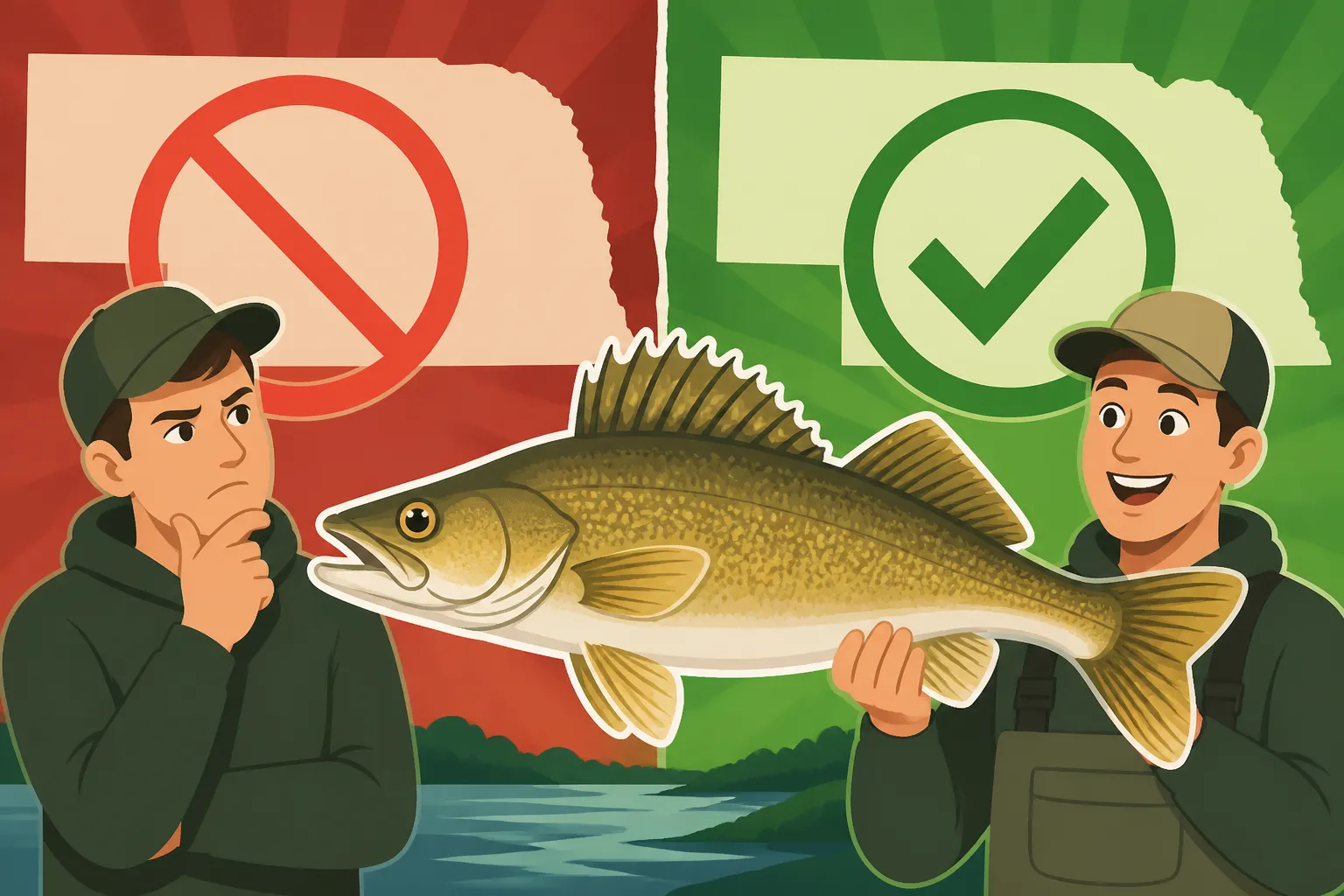
Can You Keep a Walleye Over 22 Inches in Nebraska?
It's a question that's sparked countless debates on the water, sent anglers scrambling for their regulation booklets, and often leads to a moment of pure confusion when you've just landed a truly impressive walleye in Nebraska: "Can I actually keep this fish if it's over 22 inches?" Many of us have heard whispers or half-truths about slot limits, and it's frustrating to be unsure when you're just trying to enjoy a day of fishing and follow the rules. This guide is here to clear up that specific mystery about walleye length limits in Nebraska, especially concerning those larger, trophy-sized fish, so you can confidently know what to do when that big one bites.
Understanding Nebraska's Walleye Regulations
Nebraska's fishing regulations can feel like a labyrinth sometimes, especially when you're passionate about chasing a specific species like walleye. The Nebraska Game and Parks Commission works hard to balance angling opportunities with maintaining healthy fish populations, and that often means implementing specific rules for different bodies of water. For walleye, one of the most popular game fish in the state, these rules are particularly important.
The Statewide Walleye Length Limit Rule
Let's cut right to the chase with the standard rule: generally, in Nebraska, the statewide regulation for walleye is a 15-inch minimum length limit. This means any walleye shorter than 15 inches must be immediately released. However, and this is where the confusion often arises, there isn't a statewide maximum length limit that prohibits you from keeping a walleye over 22 inches. If you catch a walleye that's 15 inches or longer, and you're fishing in a body of water with only the statewide regulations, it's generally a keeper, assuming you haven't exceeded your daily bag limit. The real trick is knowing when and where special rules apply.
Special Exemptions and Slot Limits in Specific Lakes
This is the critical part, and where the 22-inch question truly comes into play. While there's no statewide upper length limit, many popular Nebraska walleye fisheries have special regulations in place, often in the form of slot limits. A slot limit is designed to protect a certain size range of fish, usually the prime spawning females, to ensure the population can reproduce effectively. For example, a common slot limit might say you can keep walleye under 18 inches, and one fish over 28 inches, but nothing between 18 and 28 inches. This means a 22-inch walleye, while legal elsewhere, would be illegal to keep in a water body with an 18-28 inch protected slot.
These special rules are usually posted prominently at boat ramps and access points, but it's always your responsibility as an angler to check the latest "Nebraska Fishing Regulations Explained" booklet or the Game and Parks website before you hit the water. It’s definitely a hassle, but it’s crucial for responsible angling.
Why These Regulations Exist: Protecting the Fishery
You might wonder why Nebraska Game and Parks makes these rules so specific and sometimes, frankly, complicated. The answer lies in conservation and sustaining quality fishing opportunities for everyone. Walleye are slow-growing fish, especially the larger females that contribute significantly to the spawning success of a lake. If anglers were to keep all the large walleye, it could quickly deplete the breeding stock, leading to fewer fish for future generations.
Slot limits, minimum length limits, and daily bag limits are all tools used by fisheries biologists to manage populations. For instance, protecting fish within a certain "slot" allows those fish to grow, spawn multiple times, and contribute to the next generation of walleye, eventually reaching a size where they might become a trophy catch that an angler can keep, even if it's over 22 inches, provided it's outside the protected slot. This long-term thinking helps ensure that Nebraska's waters remain vibrant and productive for years to come. Understanding these principles helps make the regulations less frustrating and more logical.
Navigating the 22-Inch Walleye Rule
So, let's get down to the brass tacks: when is a 22-inch walleye fair game, and when do you have to let that beauty swim away? It truly boils down to where you are fishing, and whether that location has adopted special rules beyond the statewide minimum.
When a 22-Inch Walleye is a Keeper
In many of Nebraska's smaller lakes, ponds, and even some rivers, the standard statewide walleye regulations apply. That means a minimum length of 15 inches and a daily bag limit, usually four walleye. In these waters, if you catch a walleye that measures 22 inches, congratulations! It's well over the 15-inch minimum, and it's a perfectly legal fish to keep (again, assuming you haven't already hit your daily limit).
This is often the case in less pressured waters or those where walleye populations are managed differently. It's a fantastic feeling to land a fish of that size and know you can take it home. But the key takeaway is: always verify the specific regulations for the body of water you intend to fish. Don't assume. A quick check of the "Where to Find the Nebraska Fishing Regulations Booklet" can save you a lot of headache and potential fines.
The Trophy Dilemma: Catching a Giant Walleye
Imagine you're out on a renowned walleye lake, and you hook into the fish of a lifetime – a massive 28-inch, maybe even 30-inch walleye. This is where those special slot limits can cause significant heartbreak or immense joy, depending on the rule. If that lake has, for example, an 18-28 inch protected slot, your 22-inch walleye would have to go back. However, a 29-inch walleye would be a legal "over-slot" fish, often with a limit of one per day.
This scenario highlights the importance of precise measuring and understanding the specific nuance of the regulations. Many anglers find it frustrating to release a beautiful fish that’s technically within a legal statewide size range but falls into a protected slot on a particular lake. However, this management strategy is exactly why those lakes often produce the opportunity for trophy fish in the first place. The fish in that protected slot are allowed to grow into those larger, highly sought-after sizes.
Practical Tips for Measuring and Handling Large Walleye
Measuring a lively fish accurately, especially a big walleye, can be a challenge. Here are some practical tips:
- Use a Reliable Measuring Board: Forget the tape measure that flops around. Invest in a solid, flat measuring board. Many come with a raised end to butt the fish's nose against for an accurate read. You can find excellent options on Amazon, often designed specifically for kayak or boat fishing.
- Wet Your Hands: Always wet your hands thoroughly before handling a fish you intend to release. This protects their delicate slime coat, which is their primary defense against disease.
- Handle with Care: Support the fish horizontally, especially large walleye, which can easily injure their internal organs if held vertically by the mouth or gills.
- Measure Quickly: Get the measurement, snap a quick photo if you like, and get the fish back in the water as fast as possible. The longer it's out of water, the lower its chances of survival.
- Know Your Markings: Be familiar with where to measure. It’s usually from the tip of the nose (mouth closed) to the very end of the tail fin (pinched together).
This careful handling is crucial, particularly when dealing with fish you need to release due to a slot limit. You want that fish to swim away strong and healthy to spawn again.
Specific Water Bodies and Their Walleye Rules
Nebraska is blessed with a diverse array of fishing opportunities, from massive reservoirs to quaint sandpit lakes. Each can have its own set of rules, and nowhere is this more true than with walleye. Knowing the specific regulations for the body of water you're targeting is non-negotiable.
Lake McConaughy: A Prime Example of Special Rules
When it comes to walleye in Nebraska, Lake McConaughy is often the first place that comes to mind. It's a trophy fishery, known for producing massive walleye, and its regulations reflect that. While specific rules can change, McConaughy often has a protected slot limit designed to protect its prime spawning fish. For instance, the regulation might state a 15-inch minimum length limit, with a protected slot from 22 to 28 inches. This would mean you can keep fish under 22 inches, but nothing within that 22-28 inch range. However, you might be allowed to keep one walleye over 28 inches as part of your daily bag limit.
If you caught a 22-inch walleye on Lake McConaughy, under such a rule, you would have to release it. This is a perfect example of how the "Can I keep a walleye over 22 inches?" question depends entirely on location. Anglers flock to McConaughy for its reputation, and these specific rules contribute to that by ensuring the big breeding fish are protected. For more detailed information, checking out our Lake McConaughy Fishing Guide is always a good idea.
Merritt Reservoir and Other Key Walleye Fisheries
Merritt Reservoir, another jewel in Nebraska's fishing crown, is also renowned for its walleye. Like McConaughy, Merritt often has its own set of special walleye regulations that diverge from the statewide standard. These might include a different minimum length, a unique slot limit, or even a modified daily bag limit. Anglers targeting Merritt should always consult the current regulations for that lake.
Other significant walleye fisheries like Sherman Reservoir, Harlan County Reservoir, and Calamus Reservoir also frequently have their own specific rules. These are often updated annually or biennially, so relying on memory from last season isn't a safe bet. The Nebraska Game and Parks website and the annual fishing guide are your best friends here. You can even find specifics like "Nebraska Walleye Bag Limits" for various locations within those resources.
Checking Regulations for Your Specific Fishing Spot
The simplest way to avoid a costly mistake or, worse, harm to the fish population, is to make checking the regulations part of your pre-fishing ritual.
Here’s how you can easily check:
- Nebraska Game and Parks Website: This is the most up-to-date source. Navigate to the fishing section and look for the current year's fishing guide.
- Official Fishing Guide Booklet: Pick up a physical copy at any permit vendor, bait shop, or Game and Parks office. Many anglers keep one in their tackle box or boat.
- GoOutdoorsNE App: Nebraska Game and Parks offers a mobile app where you can access regulations digitally, which is incredibly convenient right on the water.
- Signage at Access Points: Most major lakes and reservoirs with special regulations will have large signs posted at boat ramps and popular access areas. Don't just walk by them!
Remember, ignorance of the law is not an excuse. Taking five minutes to confirm the "Nebraska Walleye Minimum Length Limit" for your chosen spot can make all the difference.
Beyond Length Limits: Other Important Walleye Regulations
While the length limit is often the most confusing aspect for walleye, it's far from the only regulation you need to be aware of. There are several other crucial rules that every angler must follow to ensure they're fishing legally and responsibly in Nebraska.
Daily Bag and Possession Limits for Walleye
Every fish species, including walleye, has a daily bag limit and a possession limit. The daily bag limit is the maximum number of fish of a particular species you can keep in one day. For walleye, this is typically four fish statewide, but as we've discussed, it can vary by specific water body. The possession limit, on the other hand, is the maximum number of fish you can have in your possession at any given time, whether they are freshly caught, stored in your freezer at home, or in your cooler on the way back from a trip. This is often double the daily bag limit (e.g., eight walleye if the daily limit is four).
Understanding the difference is vital. If you catch your daily limit of four walleye today, you cannot go out tomorrow and catch four more if you still have all eight from both days in your possession. These limits are in place to prevent overharvesting and ensure that the fish populations remain healthy and sustainable for all anglers. Check the "Nebraska Fishing Daily Bag and Possession Limits" to stay informed.
The Importance of the Aquatic Habitat Stamp
Any angler over the age of 16 needs to purchase an Aquatic Habitat Stamp along with their fishing license in Nebraska, unless they fall under specific exemptions. This stamp might seem like just another fee, but it plays a crucial role in funding vital conservation efforts across the state. The money generated from these stamps directly supports projects that improve aquatic habitats, build new fishing access sites, and stock fish, ultimately enhancing fishing opportunities for everyone.
Think of it this way: your contribution to the Aquatic Habitat Stamp helps ensure that the lakes and rivers where you chase walleye continue to thrive. It's a small fee that has a big impact on the overall health of Nebraska's fisheries. If you're curious about the specifics, our guide on the "Nebraska Aquatic Habitat Stamp Explained" delves deeper into this important program.
Reporting Violations and Responsible Angling
Responsible angling goes beyond just knowing the rules; it also means being a steward of the resource. If you witness someone violating fishing regulations, whether it's keeping undersized fish, exceeding bag limits, or disregarding slot limits, it's important to report it. Poaching and illegal harvest directly undermine the conservation efforts that these regulations are designed to protect.
You can typically report violations to the Nebraska Game and Parks Commission law enforcement division. They rely on observant anglers to help them protect the state's natural resources. By understanding and adhering to the "Nebraska Fishing Regulations Explained," handling fish properly, and supporting conservation efforts like the Aquatic Habitat Stamp, you're doing your part to ensure that Nebraska remains a fantastic place to fish for walleye and countless other species for generations to come.
Remember, fishing is a privilege, and respecting the resource and its regulations is paramount. Being well-informed is your best tool for a successful and legal day on the water.
| Walleye Regulation Type | Statewide General Rule | Example: Lake McConaughy (Illustrative) |
|---|---|---|
| Minimum Length Limit | 15 inches | 15 inches |
| Protected Slot Limit | None (all fish >= 15 inches are legal) | 22-28 inches (fish in this range must be released) |
| "Over Slot" Keeper | N/A (no upper limit statewide) | One fish over 28 inches may be kept (part of daily bag) |
| Can you keep a 22-inch Walleye? | Yes, if it's over 15 inches. | No, if it falls within a protected 22-28 inch slot. |
| Daily Bag Limit | 4 walleye | 4 walleye (with potential one over 28 inches) |
| Possession Limit | 8 walleye (typically double the daily bag) | 8 walleye (typically double the daily bag) |
Note: This table provides an illustrative example for Lake McConaughy. Actual regulations can change and should always be verified with the current Nebraska Game and Parks Fishing Guide.
Disclaimer
The information provided in this guide is for general informational purposes only and is subject to change. While we strive to provide accurate and up-to-date information, fishing regulations are regularly reviewed and updated by the Nebraska Game and Parks Commission. It is the responsibility of every angler to consult the most current official Nebraska Fishing Guide and regulations prior to fishing in any specific body of water. Failure to do so may result in penalties.