Nebraska Channel Catfish Daily Limit
It's incredibly frustrating when you're just trying to enjoy a peaceful day on the water, but the rules and regulations around fishing limits feel like a confusing maze. You want to do the right thing, avoid a hefty fine, and contribute to healthy fish populations, but figuring out the exact daily limit for every species can be a real headache. This comprehensive guide is here to untangle the specifics of the Nebraska channel catfish daily limit, helping you understand the rules so you can fish with confidence and peace of mind.
Understanding Nebraska's Channel Catfish Daily Limits
Let's be real, navigating fishing regulations can sometimes feel like trying to read a legal document in a foreign language. But when it comes to channel catfish in Nebraska, the rules are generally quite straightforward, designed to ensure everyone gets a fair shot at catching these beloved bottom-dwellers while protecting their long-term health. Knowing the exact numbers is your first step to a successful and legal outing.
Statewide Daily and Possession Limits for Channel Catfish
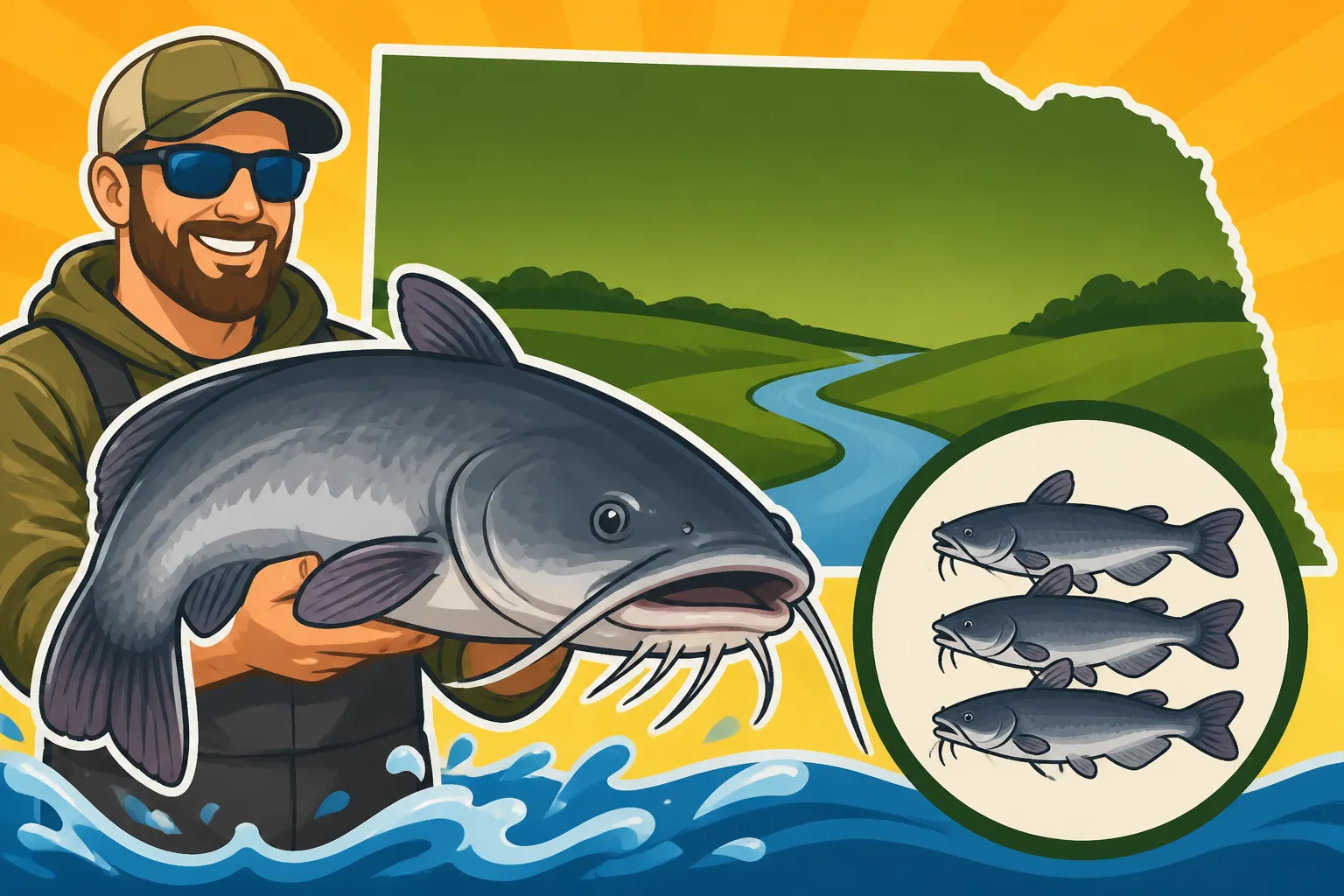
For most anglers enjoying the vast network of lakes, reservoirs, and rivers across Nebraska, the daily bag limit for channel catfish is 10 fish. This means that in any 24-hour period, from midnight to midnight, you can keep a maximum of ten channel catfish that you’ve caught. It's a pretty generous limit, allowing you to fill a cooler for a delicious fish fry without overharvesting the resource.
Now, let's talk about the possession limit. This is where things can get a little tricky for those on longer trips. The possession limit refers to the total number of fish you can have in your possession at any given time, whether they're fresh from today's catch, frozen in your cooler at the campsite, or stored back home in your freezer. For channel catfish in Nebraska, the possession limit is also typically 10 fish. So, if you're out fishing for three days straight at a place like Branched Oak Lake, you can't come home with 30 catfish. You can only possess 10 in total, regardless of how many days you've been fishing. This rule is crucial for ensuring sustainable harvests and preventing commercial exploitation under the guise of sport fishing. If you're on a multi-day trip, careful planning is key, and sometimes that means a delicious catfish dinner right at the lake! You can always find these details in the official Nebraska Fishing Daily Bag and Possession Limits document.
Special Water Body Regulations and Exceptions
While the statewide limit of 10 channel catfish is standard for most Nebraska waters, there are always exceptions to the rule. Certain water bodies might have specific regulations that differ from the general statewide limits. These special rules are often put in place to manage unique fisheries, protect recovering populations, or enhance fishing opportunities in specific areas. For instance, some smaller community lakes or urban ponds, especially those managed for high fishing pressure, might have reduced limits to spread the catch among more anglers. Conversely, a large reservoir might have a more liberal limit if its catfish population is booming and needs more harvest.
It's absolutely critical to check the specific regulations for the particular body of water you plan to fish before you even tie on your first hook. A quick look at the Nebraska Game and Parks Commission (NGPC) website or the current fishing guide, which you can often pick up at bait shops or through the GoOutdoorsNE Online Permit System, will clarify any specific local rules. For example, if you're planning a trip to the Missouri River, which forms the eastern border of Nebraska, you'll want to pay close attention to the Missouri River Border Water Fishing License Rules as reciprocal agreements with neighboring states can sometimes influence bag limits or license requirements. Always err on the side of caution and double-check, because an honest mistake can still lead to a violation.
Why Limits Exist: Conservation and Management
Sometimes it feels like these rules are just there to make our lives harder, right? But the truth is, fishing limits, including those for channel catfish, are incredibly important tools for conservation and responsible management of our natural resources. They're not arbitrary; they're based on scientific data, population studies, and the collective wisdom of fisheries biologists.
The primary goal of daily and possession limits is to prevent overfishing. Channel catfish are prolific, but their populations aren't endless. Without limits, a few highly successful anglers could quickly deplete a local population, impacting not only the number of fish but also their size and age structure. Imagine if everyone could take as many catfish as they wanted from a popular spot; pretty soon, there wouldn't be many left for anyone to enjoy. These regulations help spread the harvest among more anglers, ensuring that plenty of fish remain in the water to reproduce and grow, maintaining a healthy, balanced ecosystem. It's all about ensuring that your kids, grandkids, and future generations can experience the same joy of reeling in a feisty channel cat that we do today. It’s part of the bigger picture of Nebraska Fishing Regulations Explained.
Practical Application: Navigating the Rules on Your Fishing Trip
Understanding the daily limits is one thing; putting that knowledge into practice on the water is another. There's nothing worse than getting caught off guard by a regulation you misunderstood, especially when you're just trying to enjoy your time outdoors. Let's walk through how to seamlessly integrate these rules into your fishing routine, from planning to packing up.
Before You Go: Checking the Latest Regulations
The absolute best defense against a fishing violation is being prepared. Before you even think about loading your gear into the truck, take a few minutes to confirm the current regulations. Fishing rules, while generally stable, can change. The Nebraska Game and Parks Commission updates its fishing guide annually, and sometimes specific emergency regulations or special provisions might be implemented during the year.
The easiest way to get the most up-to-date information is by visiting the official NGPC website or downloading their digital fishing guide. You can also pick up a physical copy wherever you buy your Nebraska Fishing License Guide, like at a local Cabela's, Bass Pro Shops, or even smaller bait and tackle shops around the state. I always keep a digital copy saved on my phone, and sometimes even a printed page in my tackle box, just in case cell service is spotty out on the water. It’s a small step that can save you a huge headache and potential fines. Trust me, it’s far better to spend five minutes confirming the rules than to face the consequences later.
During Your Trip: Counting and Culling Your Catch
Alright, you're out on the water, the catfish are biting, and your cooler is starting to look good. This is where active management of your catch becomes important. Keep a running tally of the fish you decide to keep. If you're fishing with a buddy, remember that limits apply per angler, not per boat. So if you and your friend each have a 10-fish daily limit, your boat can legally possess 20 fish (10 for you, 10 for them).
What if you catch a small channel cat, put it in your livewell, and then later catch a much bigger one you’d rather keep? This is called "culling." In Nebraska, once a fish is placed in a livewell or on a stringer and counts toward your daily limit, it can usually be replaced by a larger fish as long as you haven't exceeded your daily limit at any point. However, this isn't always the case for all species or in all water bodies, so it's another situation where knowing the specific rules for channel catfish and your fishing spot is vital. Generally, for channel catfish, culling is permitted as long as you adhere to the 10-fish daily and possession limit. Just ensure you immediately release the smaller fish and it has a good chance of survival. Always handle fish gently during this process to minimize stress. If you're using a stringer, make sure to get one that's sturdy and easy to use; you can find reliable options on Amazon, which always comes in handy for last-minute gear needs.
After the Catch: Transportation and Storage
The fishing trip isn't over until the fish are properly taken care of! Transporting your catch requires a bit of attention to detail, especially concerning possession limits. If you caught your 10 channel catfish, cleaned them, and put them on ice, those 10 fish count towards your possession limit. If you head out the next day for another fishing trip, you cannot catch and keep another 10 fish if you still have the previous day's catch in your possession (e.g., in a cooler at your campsite or in your vehicle). Your total at any time cannot exceed the possession limit of 10.
When you're transporting fish, particularly from remote locations back home, it's a good idea to keep them whole or in large pieces that allow for easy species identification and length verification if needed by a conservation officer. While most anglers fillet their catch on the spot for convenience, leaving a patch of skin on the fillet can help identify the species. The NGPC usually requires this if you're transporting fish from waters with length limits, though channel catfish generally don't have length limits in Nebraska. Still, it's a good practice to be aware of. Properly chilling and storing your fish quickly is also essential for food safety and taste – a good quality cooler packed with ice is a must-have, and many anglers swear by specialized coolers that can hold ice for days, often available on Amazon.
Common Misconceptions and Avoiding Violations
Despite everyone's best intentions, misunderstandings about fishing regulations are common. It's easy to get confused, especially if you're new to fishing in Nebraska or coming from another state with different rules. Clearing up these misconceptions can save you from an awkward encounter with a game warden and, more importantly, from potential fines.
The "Catch and Release" vs. "Keep" Confusion
This is a big one. Many anglers believe that if they put a fish in a livewell and then release it later, it doesn't count towards their daily limit. This is generally not true. Once a fish is in your livewell, on a stringer, or otherwise "reduced to possession" (meaning you have physical control over it and intend to keep it, even temporarily), it counts towards your daily bag limit. If you decide to release it later, that's fine, but that slot in your daily limit has been used.
The only exception is if you are strictly catch-and-release fishing and the fish never touches a stringer or a livewell. If you reel it in, admire it, take a quick photo, and immediately release it back into the water without ever placing it in a container meant for retention, then it doesn't count. But if it goes into a livewell, even for a short time, it's considered "kept" for limit purposes. This is why if you're culling (swapping a smaller fish for a larger one), you need to be mindful that you're only swapping within your legal limit, not adding to it. Understanding this distinction is key to adhering to the Nebraska Fishing Regulations Explained and avoiding an accidental violation.
Penalties for Overharvesting Channel Catfish
Nobody wants to deal with a fishing violation. It's stressful, embarrassing, and can be costly. The Nebraska Game and Parks Commission takes its conservation mission seriously, and violating fishing limits can lead to significant penalties. These aren't just slaps on the wrist; they can include hefty fines, court costs, and even the suspension of your fishing license. The exact penalty can vary depending on the severity of the offense, the number of fish over the limit, and whether it's a repeat offense.
For instance, if you're caught with more than the daily or possession limit of channel catfish, you could be facing a fine that far outweighs the cost of a few extra fish, plus court fees. In more serious cases, you might even have your fishing gear confiscated. These penalties are designed to be a strong deterrent, reinforcing the importance of respecting wildlife regulations. If you're curious about the general consequences for various offenses, you can read up on Nebraska Fishing Violation Penalties to get a clearer picture of what's at stake. It’s always better to be safe than sorry and ensure you're within the legal limits.
Reporting Violations and Staying Informed
As responsible anglers, we all have a role to play in protecting Nebraska's fisheries. If you ever witness a fishing violation, such as someone openly keeping far more channel catfish than the legal limit, it's important to report it. You can contact the Nebraska Game and Parks Commission directly or call their toll-free hotline. Try to gather as much information as possible without putting yourself in harm's way: location, description of the individuals or boat, and the nature of the violation. These reports are crucial for helping game wardens enforce regulations and maintain healthy fish populations for everyone.
Staying informed isn't just about avoiding trouble; it's about being a good steward of our natural resources. Beyond the annual fishing guide, consider signing up for email newsletters from the NGPC or following their social media channels. They often share updates on stocking, special regulations, and news that directly impacts anglers. You can even check out various fishing forums online, though always cross-reference information with official sources. Regularly checking the official channels, even if you’re a seasoned angler, is one of the best habits you can adopt. After all, new fishing techniques, like those for How to Catch Catfish in Nebraska, are constantly evolving, and so sometimes are the rules! And when it comes to gear for these trips, I often start my research on Amazon to see what's new and highly-rated for fishing.
Nebraska Channel Catfish Daily and Possession Limits Overview
To help you keep track of the basics, here’s a quick table summarizing the general statewide limits for channel catfish in Nebraska. Remember, always consult the official NGPC regulations for any specific water body you plan to fish, as local exceptions can and do apply.
| Category | Statewide Limit | Description | Important Considerations |
|---|---|---|---|
| Daily Bag Limit | 10 fish | Maximum number of channel catfish you can keep in a 24-hour period (midnight to midnight). | Applies to each individual angler. |
| Possession Limit | 10 fish | Total number of channel catfish you can have in your possession at any given time. | Includes fish on hand, at camp, or at home. Cannot exceed 10 even after multiple days. |
| Length Limits | None | Generally no minimum or maximum length limits for channel catfish. | Always check specific water body regulations. |
| Exceptions | Variable | Some lakes, rivers, or special management areas may have different limits. | Always confirm rules for your specific fishing location. |
This table provides a snapshot, but it's never a substitute for reading the full Nebraska Fishing Regulations Explained booklet or checking the NGPC website before you head out. Understanding your Nebraska Resident Fishing License Requirements is also a foundational part of being a legal angler. And don't forget to review the Best Bait for Nebraska Catfish to make sure you're properly equipped!
Disclaimer
Please remember that fishing regulations, including daily and possession limits, are subject to change. While this guide provides comprehensive information based on current public knowledge, it is essential to always consult the most recent official Nebraska Game and Parks Commission (NGPC) fishing guide or website before embarking on any fishing trip. Your fishing license vendor or the GoOutdoorsNE online system can also provide the latest rules. Adhering to official regulations is solely the responsibility of the angler.