Do You Need a License to Fish From a Dock in Nebraska?
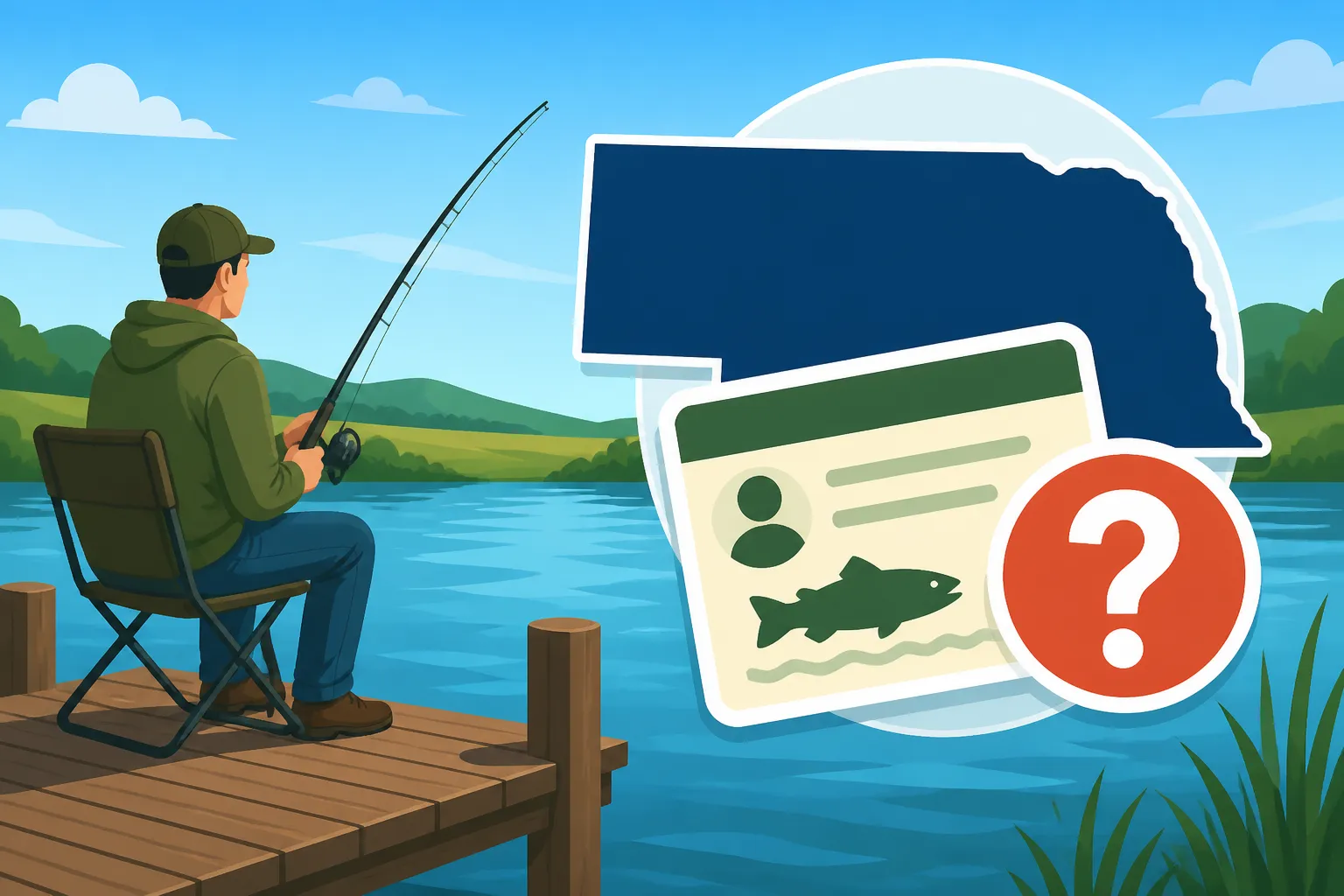
You've packed your cooler, grabbed your favorite rod, and found that perfect spot on the dock, only to suddenly wonder: do I even need a fishing license for this? It's a common, frustrating question that trips up even seasoned anglers in Nebraska, and the answer isn't always as simple as a straightforward yes or no. Many folks assume that if they're not in a boat or wading in the river, the rules might be different, but that's not always the case. This comprehensive guide will clarify exactly when you need a license to fish from a dock in Nebraska, and when you can cast your line worry-free.
The Core Rule: Is a License Required for Dock Fishing in Nebraska?
Let's cut to the chase: In Nebraska, the general rule is that if you are 16 years of age or older, you need a valid fishing license to fish in any public waters of the state, regardless of whether you're casting from a boat, the shoreline, or a dock. It's a common misconception that fishing from a fixed structure like a dock, especially if it feels like part of a park or private property, might be exempt. However, the Nebraska Game and Parks Commission (NGPC) considers fishing from a dock to be no different than fishing from any other point in or on public waters.
Think of it this way: the regulations pertain to the act of fishing itself, not just the mode of access. Whether you're on a fancy boat on Lake McConaughy, wading in the Platte River, or simply dropping a line off a pier at Branched Oak Lake, if it's public water and you're 16 or older, a license is generally a must-have. This rule is in place to help fund conservation efforts, fish stocking programs, and habitat improvements across our beautiful state. Without these funds, our incredible fisheries wouldn't be nearly as vibrant and productive as they are.
It’s easy to get confused, especially if you’re fishing at a place like a state park where you might already have a park entry permit. It feels like you’ve paid to be there, so shouldn’t that cover everything? Unfortunately, these are usually separate requirements. A park entry permit grants you access to the park facilities, but a fishing license is specifically for the privilege of angling. So, while you're enjoying the scenery and facilities at Eugene T. Mahoney State Park, remember that your fishing license needs to be separate and current.
Understanding Nebraska's General Fishing License Requirements
To truly understand why dock fishing usually requires a license, it helps to grasp the broader licensing structure in Nebraska. The state has a clear framework for who needs a license and what types are available, designed to make sure everyone contributes to the health of our aquatic ecosystems.
Age and Residency Considerations
The primary factors determining whether you need a license are your age and your residency status. For many states, these are the fundamental criteria, and Nebraska is no exception.
- Age 16 and Older: As mentioned, anyone who is 16 years old or older must possess a valid fishing license. This applies to both residents and non-residents. So, if your child just celebrated their 16th birthday, it's time to get them their first official permit if they want to continue fishing. You can find more details on what age can fish without a license in Nebraska.
- Under 16 Years Old: Kids under the age of 16 are generally exempt from needing a fishing license in Nebraska. This is a fantastic initiative to encourage youth participation in outdoor activities without adding extra hurdles for families. It’s a great way to introduce them to the joys of angling, whether it's dropping a worm off a dock for bluegill or learning to cast for bass. This also applies to the Nebraska Mentored Youth Fishing Program Rules, where young anglers can fish without a license when accompanied by a licensed adult.
- Nebraska Residents: To qualify for a resident fishing license, you must meet certain residency requirements, typically involving living in the state for a specified period (usually 30 days) and having proof of residency. Resident licenses are always more affordable, which is a nice perk for those of us who call the Cornhusker State home. Check out Nebraska Resident Fishing License Requirements for precise details.
- Non-Residents: If you don't meet Nebraska's residency criteria, you'll need to purchase a non-resident fishing license. These are more expensive but grant you the same fishing privileges. Many out-of-state visitors enjoy fishing our reservoirs and rivers, and their contributions are just as vital to conservation. If you're visiting from a neighboring state, be sure to check the Nebraska Nonresident Fishing License Guide.
Essential License Types and Add-Ons
Beyond the basic age and residency, Nebraska offers several license types and required stamps that you need to be aware of, some of which are often bundled together for convenience.
- Annual Fishing Permit: This is the most common and cost-effective option for regular anglers, valid for a full calendar year (January 1 to December 31). It's perfect if you plan on fishing more than a few times a year. You can purchase your Nebraska Annual Fishing Permit online or in person.
- Short-Term Permits: For those just visiting or only planning a quick trip, Nebraska offers convenient shorter-term options like the Nebraska 1-Day Fishing Permit or the Nebraska 3-Day Fishing Permit. These are great if you're hitting a specific spot for a weekend.
- Aquatic Habitat Stamp: This is often overlooked but is generally required for anyone 16 years or older purchasing an annual fishing license, or any short-term permit for that matter. The funds generated by the Aquatic Habitat Stamp are solely dedicated to improving aquatic habitats, which means better fishing for everyone. You can learn more about the Nebraska Aquatic Habitat Stamp Explained.
- Trout Stamp: If you specifically plan to fish for trout, particularly in designated trout waters, you might also need a Trout Stamp. This is an additional stamp on top of your general fishing license and aquatic habitat stamp. It's important to verify if your target fishing spot is a designated trout water. Do I Need a Trout Stamp to Fish for Trout in Nebraska? will answer this specifically.
Understanding these requirements is crucial. Before heading out to your favorite dock or any fishing spot, take a moment to double-check that you have all the necessary permits. It saves you hassle and ensures you're contributing to the sport you love.
Key Exceptions: When You Don't Need a License (Even on a Dock!)
While the general rule is to have a license, Nebraska does offer specific exemptions. These are important to know, as they can save you time and money, and in some cases, simplify getting new anglers out on the water.
Young Anglers
As mentioned earlier, perhaps the most significant exemption is for our youngest anglers. Children under the age of 16 are not required to have a fishing license in Nebraska. This is fantastic news for families looking to introduce kids to the outdoors. Imagine spending a warm summer evening on a public dock at a place like Holmes Lake in Lincoln, teaching a youngster how to cast for panfish. As long as they're under 16, they can fish without a license. This also means that if you're an adult with a license, you can bring along a younger family member or friend, and they can fish alongside you without needing their own permit. This program helps foster a love for fishing from an early age, ensuring future generations appreciate our natural resources.
Free Fishing Day
Mark your calendars! Nebraska hosts an annual Free Fishing Day, typically in late May. On this special day, residents and non-residents alike can fish without a state fishing license. It's a fantastic opportunity to try out a new spot, introduce someone to fishing, or simply enjoy a day on the water without the usual permit requirement. While the exact date changes each year, the spirit of the day remains the same: open access to everyone. Be sure to check the Nebraska Game and Parks Commission website for the specific Nebraska Free Fishing Day Date for 2026. This is a perfect time to hit those popular docks at state recreation areas or city parks without needing to purchase a permit.
Fishing on Private Land and Private Waters
This is where the "dock" question can get a little tricky, and it's important to understand the nuance. If you are fishing on private land that you own, and the water body you are fishing is entirely private (meaning it does not have public access or connections to public waterways), then you might not need a license. For example, if you own a farm pond that is completely contained within your property and doesn't connect to a river or public lake, you and your guests can typically fish it without a license.
However, many "private" docks are on public waters. Think of a dock owned by a cabin owner on Lake McConaughy or a private residential dock on a channel that connects to a public lake. Even though the dock itself is privately owned, the water it extends into is considered public. In these cases, a license is required. The exemption for private land only applies if both the land and the water are fully private and enclosed. Do You Need a License to Fish on Private Land in Nebraska? delves deeper into this specific exemption. If there's any doubt, it's always best to err on the side of caution and get a license.
Disabled Anglers
Nebraska also offers specific permits for anglers with qualifying disabilities. These permits can sometimes waive the general fishing license requirement, or offer significant discounts. The rules and eligibility for these permits are specific and require documentation, so it's best to check with the Nebraska Game and Parks Commission directly for the most current information on the Nebraska Disabled Angler Fishing Permit. This is another way the state tries to make fishing accessible to everyone who wants to enjoy it.
It's clear that while most dock fishing requires a license, these specific exceptions ensure that youth, new anglers, and those with certain circumstances can still enjoy Nebraska's fantastic fishing opportunities. Always verify your specific situation with the NGPC if you are unsure.
How to Secure Your Nebraska Fishing License
Alright, so you’ve figured out you need a license. Now what? Getting your Nebraska fishing license is a straightforward process, thanks to modern technology and a network of vendors across the state. You have a few convenient options, ensuring you can grab your permit whether you’re planning ahead or making a last-minute decision to hit the water.
Purchasing Online: The GoOutdoorsNE System
By far the easiest and most popular method for obtaining your fishing license is through the Nebraska Game and Parks Commission's online permit system, GoOutdoorsNE. This digital platform allows you to purchase various permits, including fishing, hunting, and combination licenses, from the comfort of your own home.
Here's how it generally works:
- Visit the GoOutdoorsNE Website: Simply navigate to the official GoOutdoorsNE portal.
- Create or Log In to Your Account: If you’re a new user, you’ll need to create an account by providing some basic personal information. If you've purchased a permit before, you can log in with your existing credentials. You can also explore how to set up a GoOutdoorsNE account if you need a step-by-step guide.
- Select Your Desired Permit: Browse the available fishing permits – annual, 1-day, 3-day, combination hunt and fish, etc. – and any necessary stamps like the Aquatic Habitat Stamp or Trout Stamp.
- Complete the Purchase: Follow the prompts to enter your payment information. The system is secure and efficient.
- Print or Save Your Permit: Once your purchase is complete, you'll receive a digital copy of your permit. You can print this out and carry a physical copy, or, even better, simply save it to your smartphone. Nebraska recognizes digital copies as valid proof of purchase, making it super convenient. No more worrying about a paper license getting soggy or lost!
The GoOutdoorsNE Online Permit System is available 24/7, which means you can literally buy your license on your way to the lake if you suddenly decide to go fishing. It’s incredibly user-friendly and ensures you’re legal before your hook even touches the water.
In-Person Vendors
While the online system is fantastic, sometimes you prefer a face-to-face interaction, or you're already out and about running errands. Luckily, Nebraska has a wide network of authorized vendors where you can purchase your fishing license in person. These vendors include:
- Sporting Goods Stores: Larger retailers like Cabela's or local independent tackle shops are almost always authorized vendors. They often have knowledgeable staff who can help you pick out the right license and perhaps offer some local fishing tips too.
- Convenience Stores and Gas Stations: Many smaller stores, especially those in rural areas or near popular fishing spots, are equipped to sell permits. This is a lifesaver when you realize you forgot your license moments before hitting the water.
- Nebraska Game and Parks Commission Offices: You can always visit an official NGPC office during business hours to purchase your permit.
These locations provide a great alternative if you don't have internet access or simply prefer to handle the transaction in person. Before heading out, you might want to check the Nebraska Game and Parks website or use their store locator to find a Where to Buy a Nebraska Fishing License near your destination. When visiting a vendor, remember to bring a valid form of identification, especially if you're applying for a resident license, to verify your eligibility.
So, whether you're a tech-savvy angler or prefer the traditional route, getting your Nebraska fishing license is quick and easy, leaving you more time to focus on what really matters: catching fish! You can even pick up some last-minute gear from a vendor while you're there, or check out options on Amazon before your trip for anything you might need.
The Consequences of Fishing Without a License
It's tempting to think, "What's the worst that could happen?" if you decide to try your luck fishing from a dock without a license. But trust me, fishing without a valid permit in Nebraska isn't a minor oversight; it's a violation that can lead to some significant and unpleasant consequences. It’s not worth the risk, especially when getting a license is so easy and affordable.
Fines and Penalties
The most immediate and common consequence of fishing without a license is a hefty fine. The exact amount can vary depending on the discretion of the game warden, the specific circumstances, and whether it’s a first-time offense or a repeat violation. However, you can expect a base fine that will almost certainly be much more expensive than the cost of an annual fishing license.
For example, a common Fine for Fishing Without a License in Nebraska can easily run into the hundreds of dollars, sometimes even closer to $200-$300, plus court costs. Compare that to an annual resident fishing license, which is a fraction of that amount. It simply doesn't make financial sense to gamble. Additionally, game wardens often have the authority to confiscate your fishing gear, which can include your rod, reel, and tackle box. Imagine losing your favorite setup over something that could have been easily avoided.
The state also takes these violations seriously because it undercuts the conservation efforts funded by license sales. Every angler who fishes legally contributes to the health of our waters. Those who don't are essentially freeloading on everyone else's contributions, which isn't fair to the thousands of responsible anglers.
Legal Ramifications and Future Impact
Beyond the immediate fines and potential gear confiscation, there can be longer-term legal ramifications. Fishing without a license is a misdemeanor offense. While it might not seem as serious as other crimes, it still goes on your record and can have implications.
- Court Appearances: You'll likely be required to appear in court, which means taking time off work or other obligations. This adds another layer of hassle and expense to the situation.
- Loss of Privileges: Depending on the severity or if it's a repeat offense, the court or the Nebraska Game and Parks Commission could suspend your fishing privileges for a period. This means you wouldn't be allowed to purchase a license or fish legally in Nebraska for a set amount of time.
- Interstate Implications: If you frequently fish in other states, a violation in Nebraska could potentially impact your ability to get licenses there, depending on interstate agreements regarding wildlife violations.
Always Check Expiration Dates
It's not just about having a license; it's about having a current license. An expired license is effectively no license at all in the eyes of the law. Nebraska fishing licenses typically run on a calendar year, expiring on December 31st, regardless of when you purchased them during the year. It's incredibly easy to forget to renew, especially if you purchased it mid-year and think you have more time.
Before your next fishing trip, always take a quick moment to check the Nebraska Fishing License Expiration Date on your permit, whether it's the physical card or the digital copy on your phone. A simple check can save you a lot of grief. Many anglers set a reminder on their phone or calendar for early January to renew their permits for the new year. When you're packing your tackle box or checking for new lures on Amazon, make it a habit to check your license status too. It’s a small step that ensures your dock fishing experience remains enjoyable and legal.
Disclaimer
Please note that fishing regulations can change. While this guide provides the most current and accurate information available at the time of writing, it is always your responsibility to consult the official Nebraska Game and Parks Commission website or their annual fishing guide for the very latest regulations and updates before you go fishing. This content is for informational purposes only and should not be considered legal advice.