Lewis and Clark Lake License Reciprocity With South Dakota
Trying to figure out which fishing license you need when hitting a border water like Lewis and Clark Lake can be a real headache. You’ve got Nebraska on one side, South Dakota on the other, and a whole lot of water in between. This guide cuts through the confusion, explaining exactly how license reciprocity works on Lewis and Clark Lake so you can cast your line with confidence and avoid any unwelcome surprises.
Understanding Border Water Agreements
Border water agreements are put in place to make life a little easier for anglers who want to fish waters that straddle state lines. Without them, you'd constantly be worried about drifting a few feet into another state's jurisdiction and suddenly being out of compliance. It’s a common frustration, and honestly, it’s a valid one! The idea is that as long as you have one valid fishing license from either of the bordering states, you're generally covered on specific shared waters. However, "generally covered" isn't good enough when it comes to regulations, and that's where the specifics for Lewis and Clark Lake come in.
The Nebraska-South Dakota Reciprocity Agreement
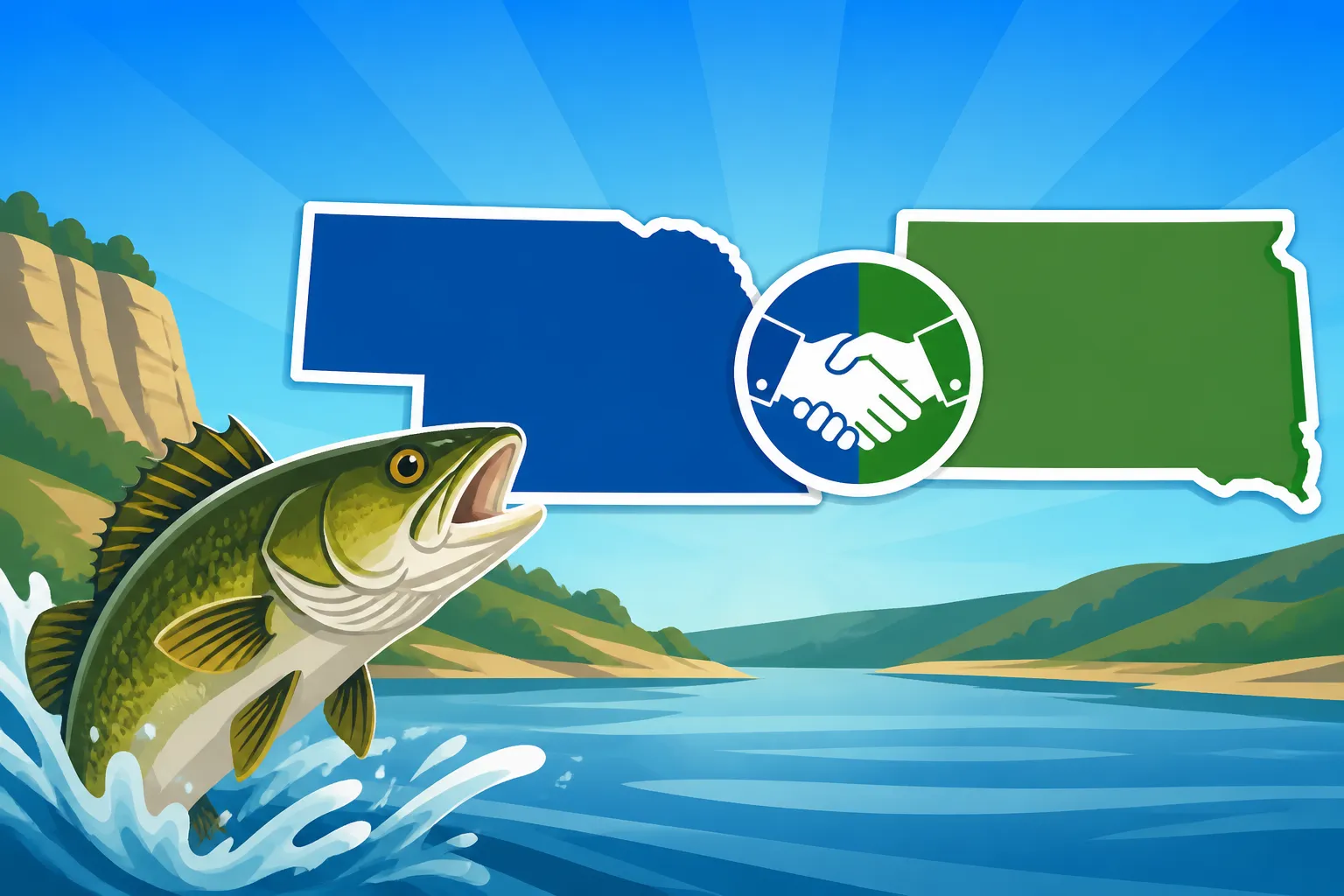
The good news is that Nebraska and South Dakota do have a specific reciprocity agreement in place for Lewis and Clark Lake. This means that if you possess a valid Nebraska fishing license, you are legally permitted to fish the entire main body of Lewis and Clark Lake, including areas that are technically within South Dakota's state boundaries. The same holds true if you have a valid South Dakota fishing license; you can fish the entire lake, including the Nebraska portions. This agreement simplifies things immensely for anglers who frequent this popular reservoir. It means you don't need to buy two separate state licenses just to explore all the fantastic fishing opportunities the lake offers.
However, it's crucial to understand the exact scope of this agreement. It generally applies to the main channel and reservoir areas of Lewis and Clark Lake. This doesn't necessarily extend to all tributaries that flow into the lake or other sections of the Missouri River far upstream or downstream from Lewis and Clark itself. Always double-check if you plan to venture beyond the immediate lake boundaries. For a broader understanding of how these agreements work on other parts of the big river, you might want to read our article on Missouri River Border Water Fishing License Rules.
Practical Implications for Anglers
Let's talk about what this really means for your fishing trip to Lewis and Clark Lake. Imagine you're launching your boat from Weigand Marina on the Nebraska side. With your valid Nebraska fishing license, you can motor across the lake, fish the famous sandbars on the South Dakota side, or target walleye near the Gavins Point Dam, all without needing a separate South Dakota license.
Conversely, if you're coming from the South Dakota side, perhaps launching from Yankton, and you have a South Dakota fishing license, you can freely fish the coves and shorelines on the Nebraska side of the lake. This seamless movement is the beauty of the reciprocity agreement, designed to encourage recreational use of this incredible fishery.
However, a common scenario that can trip people up is when they're fishing from the bank. If you're physically standing on the shore, you are definitively in one state or the other. If you're on the Nebraska shoreline, you need a Nebraska license. If you're on the South Dakota shoreline, a South Dakota license is typically required. The reciprocity primarily benefits those fishing from a boat on the shared water body itself. So, if you're planning a shore fishing trip, make sure your license matches the state you're standing in.
What License Do You Actually Need?
The core of Lewis and Clark Lake license reciprocity is that you only need one valid license from either Nebraska or South Dakota to fish the main lake waters. This simplifies planning, but it's still important to understand the specifics of each state's licensing and whether any additional stamps might apply.
When a Nebraska License is Enough
If you're a Nebraska resident, or even a nonresident who prefers to purchase your permits through the Nebraska Game and Parks Commission, a valid Nebraska fishing license is all you need to fish the entirety of Lewis and Clark Lake from your boat. This includes the main channel and open waters, regardless of which side of the invisible state line you're floating over.
When acquiring your Nebraska license, whether it's an annual permit, a 1-day, or a 3-day option, ensure it’s active for your fishing dates. You can easily purchase these licenses online through the GoOutdoorsNE Online Permit System or find a vendor in person. For more details on costs and types, refer to our comprehensive Nebraska Fishing License Guide. Remember that standard Nebraska requirements, such as the Nebraska Aquatic Habitat Stamp Explained, are usually included or required with your fishing permit and are valid when fishing Lewis and Clark Lake under the reciprocity agreement. However, if you're specifically targeting trout in stocked waters that aren't part of the main lake (like some unique tailwater sections or small ponds on either side), you'd need to ensure you meet those specific state's requirements, including a Nebraska Trout Stamp Requirements if fishing Nebraska's designated trout waters.
When a South Dakota License is Required (or Preferable)
Similarly, if you're a South Dakota resident, or a nonresident who typically buys your licenses from South Dakota Game, Fish and Parks, a valid South Dakota fishing license will cover you for the entire main body of Lewis and Clark Lake. The same logic applies: you can fish all shared waters regardless of which side you're on.
There might be practical reasons to choose a South Dakota license even if you're a Nebraska resident, or vice-versa, especially if you also plan to fish exclusively within that state’s other waters. For instance, if you live closer to Yankton, South Dakota, and frequently fish other South Dakota lakes in addition to Lewis and Clark, a South Dakota license might be more convenient. Always consider your overall fishing plans for the year when deciding which state's license to purchase. Both states offer robust online purchasing options and local vendors, making it easy to comply.
Common Misconceptions and Troubleshooting
Despite the reciprocity agreement, confusion can still arise. Anglers often have questions about how certain situations are handled or what the boundaries truly entail. It’s easy to second-guess yourself, especially when you’re out on the water and just want to enjoy your time.
Missouri River Differences
It’s vital to distinguish the Lewis and Clark Lake reciprocity from other sections of the Missouri River. The specific agreement for Lewis and Clark Lake doesn’t automatically extend up or downstream to other portions of the river that form the Nebraska-South Dakota border. For example, if you're fishing a different stretch of the Missouri River hundreds of miles from Lewis and Clark Lake, you'll need to verify the specific border water rules for that particular section. Sometimes, these rules vary, or no reciprocity exists at all, meaning you might need a license for the state whose waters you are actively fishing in. Always consult the respective state's regulations booklet, which you can often find online or at sporting goods stores. Even a quick search on Amazon for current year's regulations can point you to the official resources.
What Happens If You're Wrong?
Fishing without the correct license, or violating any fishing regulation, can lead to some pretty significant penalties. Nobody wants their relaxing day on the water to end with a fine or, worse, their gear confiscated. Law enforcement officers, including game wardens from both Nebraska and South Dakota, patrol Lewis and Clark Lake. They have the authority to check licenses and ensure compliance from all anglers, regardless of which state’s water you’re technically on, as long as it's part of the reciprocal agreement.
Penalties for fishing without a license can range from hefty fines to even confiscation of fishing equipment, depending on the severity and frequency of the offense. For instance, you can learn more about Fine for Fishing Without a License in Nebraska and other Nebraska Fishing License Violation Penalties in our detailed guides. It’s simply not worth the risk. A few minutes verifying your license is valid and understanding the rules is a small price to pay for peace of mind.
Here’s a quick table to help clarify common Lewis and Clark Lake scenarios:
| Scenario | Valid License Needed | Notes |
|---|---|---|
| Fishing from a boat on Lewis and Clark Lake (anywhere) | Nebraska OR South Dakota (one of either) | The reciprocity agreement applies to the main body of the lake for boat anglers. |
| Fishing from the Nebraska shoreline | Nebraska | When on shore, you must comply with the state you are physically in. |
| Fishing from the South Dakota shoreline | South Dakota | Same as above – shore fishing requires the license of the state you're standing in. |
| Launching boat in Nebraska, fishing across state line | Nebraska OR South Dakota (one of either) | As long as you possess one valid license, you're covered for the entire lake from a boat. |
| Launching boat in South Dakota, fishing across state line | Nebraska OR South Dakota (one of either) | Same as above. |
| Fishing tributaries flowing into Lewis and Clark Lake | License for the state the tributary is located in (Nebraska OR South Dakota) | Reciprocity may not extend to tributaries; always check specific state regulations for these waters. |
Preparing for Your Trip to Lewis and Clark Lake
A successful and stress-free fishing trip to Lewis and Clark Lake starts long before you even back your boat into the water. Knowing the regulations is a huge part of that, but it also involves making sure all your other ducks are in a row. Don't leave things to chance – a little preparation goes a long way.
Essential Pre-Trip Checks
Before you head out, always perform a few key checks. First, verify the validity and expiration date of your chosen fishing license. If you're a Nebraska resident, review your Nebraska Resident Fishing License Requirements; if you're an out-of-stater, check your Nebraska Nonresident Fishing License Requirements. You can often renew or purchase new licenses online instantly via the state’s official game and parks websites.
Next, it’s always a good idea to quickly skim the current year’s Nebraska Fishing Regulations Explained (or South Dakota's, depending on your license choice) for any recent changes. Regulations can sometimes be updated, and what was true last year might have a slight modification this year. Local bait shops or conservation offices are also excellent resources for up-to-date information.
Finally, if you’re bringing a boat, make sure it’s properly registered and equipped with all necessary safety gear as per the laws of both states if you plan on extended use across the border. Our guide on Nebraska Boat Registration and Fishing Rules can help you confirm those requirements. This includes life jackets, fire extinguishers, and navigation lights. Game wardens often conduct spot checks for safety compliance.
Gear Considerations for Border Waters
When packing your gear for Lewis and Clark Lake, think about the species you're targeting and the conditions you expect. Walleye are a huge draw here, but wipers, catfish, and various panfish are also abundant. Many anglers find the convenience of ordering general fishing tackle, like specific lure colors or hook sizes, through online retailers like Amazon to be incredibly helpful before a big trip. Having a well-stocked tackle box means you're ready for whatever bites!
Ensure you have a variety of baits and lures suitable for different depths and techniques, as Lewis and Clark Lake offers diverse fishing environments, from shallow flats to deep main channel structure. If you’re planning to fish from shore, make sure you have appropriate rods and reels for casting distance and sturdy rod holders. For boat anglers, a reliable fish finder and a GPS unit can be invaluable for navigating the lake and locating promising spots, regardless of the state line. Don't forget essentials like a good pair of polarized sunglasses (also easily found on Amazon), a hat, sunscreen, and plenty of water, especially during the warmer months. Being prepared allows you to focus on the joy of fishing, not on regulations or missing gear.
Disclaimer
The information provided in this guide is for general informational purposes only and is subject to change. While we strive to provide accurate and up-to-date information, fishing regulations and reciprocity agreements can be modified by state wildlife agencies at any time. It is always the angler's responsibility to consult the most current official Nebraska Game and Parks Commission and South Dakota Game, Fish and Parks regulations before fishing.