Lake Ogallala Trout Fishing
The crisp, clean air hitting your face as you step out of the truck, the sound of the water rushing from the dam, and the hopeful anticipation of a bent rod – there's nothing quite like chasing trout in Nebraska. But if you've ever felt that frustration of casting all day with no luck, or wondering if you're even in the right spot for those elusive cold-water fish, you're not alone. This comprehensive guide will equip you with all the knowledge you need to successfully target trout at Lake Ogallala, Nebraska's premier destination for these beautiful species.
Lake Ogallala: Nebraska's Cold-Water Trout Haven
Lake Ogallala isn't just another body of water in Nebraska; it's a unique ecosystem specifically tailored for trout. Located immediately below the massive Kingsley Dam, which impounds the much larger Lake McConaughy, Ogallala benefits from a consistent flow of cold, oxygen-rich water. This vital feature is what allows trout, which thrive in cooler temperatures, to flourish here year-round, making it a standout fishery in a state more commonly known for its warm-water species like catfish and walleye.
The Unique Environment Below Kingsley Dam
The magic of Lake Ogallala for trout anglers lies squarely in its geography. Kingsley Dam draws cold water from the depths of Lake McConaughy and releases it into Lake Ogallala. This ensures a stable, chilly environment even during the peak of Nebraska's scorching summers. This consistent cold-water outflow creates a tailwater fishery, which means the water characteristics are largely dictated by the upstream dam operations rather than surface temperatures alone. Anglers will notice strong currents, especially near the dam outflow and in the power canal, which mimics a riverine environment that trout naturally prefer. This continuous flow also helps to keep the water oxygenated, another critical factor for trout health and activity.
Beyond the dam, the lake itself transitions into more typical lake characteristics, though still influenced by the cold inflow. This creates a diverse range of habitats, from swift, turbulent water to calmer, deeper pools. The varied structure, including submerged timber, rocky bottom, and weed beds in certain areas, provides ample cover and feeding opportunities for trout. Understanding this unique environment is the first step to unlocking its secrets.
Primary Trout Species: Rainbows and Browns
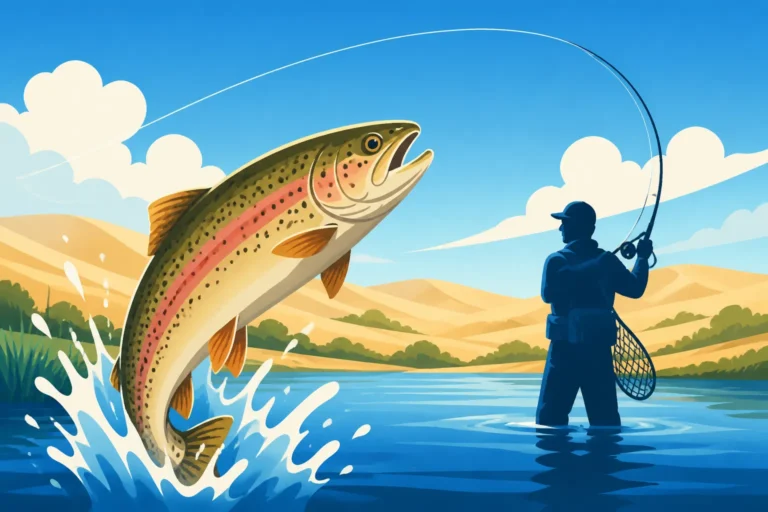
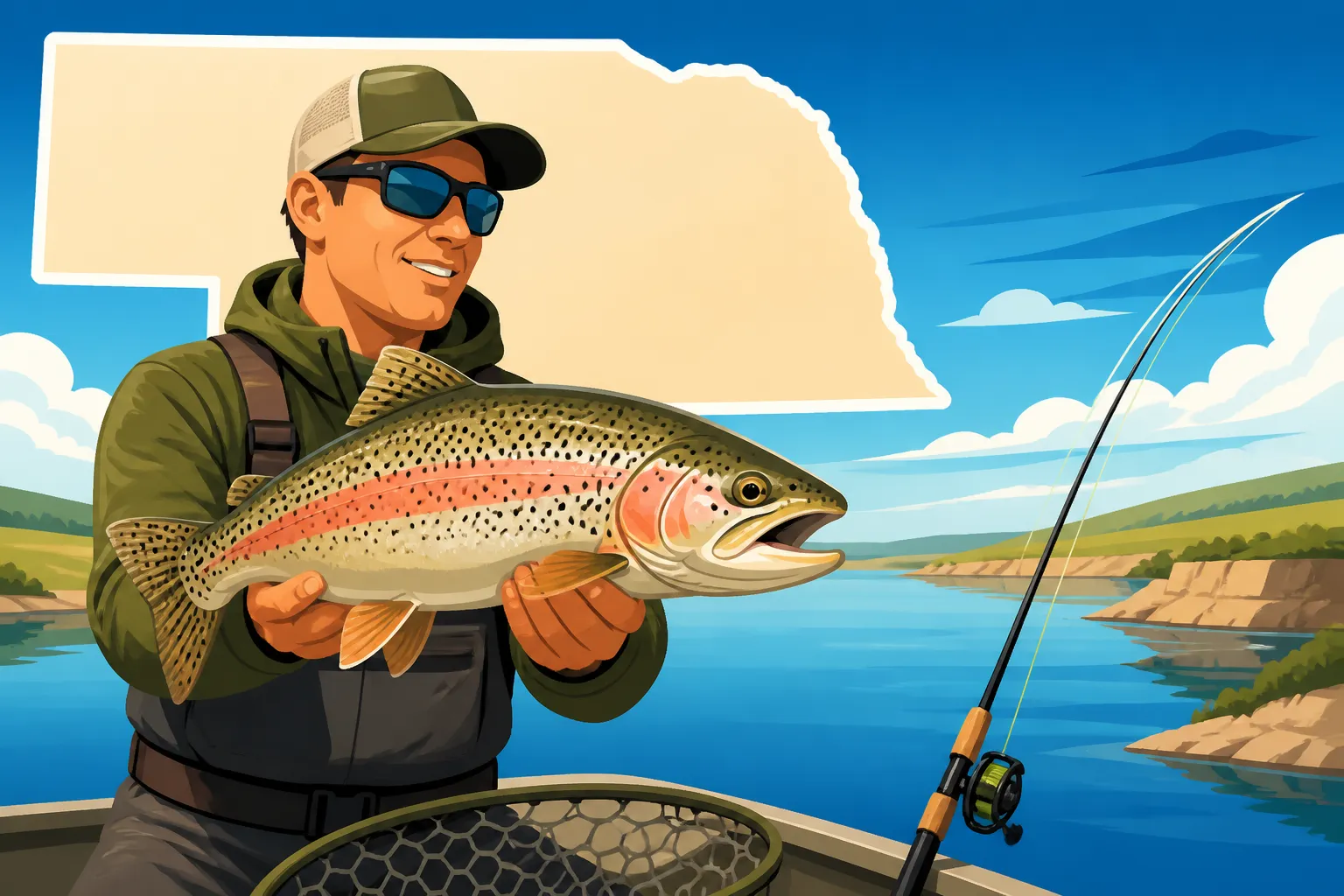
Lake Ogallala is primarily known for its thriving populations of Rainbow Trout, which are regularly stocked by the Nebraska Game and Parks Commission (NGPC). These stockings are crucial for maintaining the fishery, providing anglers with fresh opportunities, particularly in the spring and fall. Rainbows are known for their aggressive strikes and spirited fights, making them a favorite target for many. They often cruise the shallower areas and current seams, actively feeding on insects, small fish, and various baits.
While Rainbow Trout dominate the catch, Lake Ogallala also holds a respectable population of Brown Trout. These fish are typically less numerous and often more wary than their rainbow counterparts, making them a prize catch for dedicated anglers. Brown Trout tend to be more solitary and prefer lurking in deeper, more structured areas, often near submerged timber or rocky ledges. They are also more predatory, readily taking larger lures and flies that imitate baitfish. Catching a large, wild brown trout from Lake Ogallala is a true testament to an angler's skill and patience, and they can grow to impressive sizes here.
Public Access and Shoreline Fishing Opportunities
One of the great advantages of Lake Ogallala is its excellent public access, especially for shore anglers. The entire perimeter offers numerous spots where you can pull up, set up your gear, and start fishing without needing a boat. Popular areas include the banks near the dam, along the power canal, and around the various campgrounds and day-use areas. Many of these spots are easily accessible by vehicle, making it a great destination for families or those with limited mobility.
Wading is also a popular and highly effective technique, particularly in the shallower, current-heavy areas. Just remember to exercise caution, especially when the water flow from the dam is high, as currents can be swift and the bottom can be uneven. Always wear appropriate wading boots with good grip. For those who prefer a boat, small boats are allowed, but motorized boats are generally restricted to electric trolling motors only on Lake Ogallala itself. The adjacent power canal allows for small gasoline outboards. This keeps the atmosphere peaceful and focused on fishing. You'll find plenty of space to spread out, though popular spots can get busy during peak seasons and after fresh trout stockings.
Mastering Techniques for Lake Ogallala Trout
Success at Lake Ogallala, like any specialized trout fishery, hinges on understanding the right gear and techniques. It's not just about throwing out any old line; it's about matching your approach to the fish, their environment, and the season. Whether you're a seasoned fly angler or prefer the simplicity of a spinning rod, there are effective strategies to employ.
Essential Rods, Reels, and Line Setups
For most trout fishing at Lake Ogallala, a light to ultralight spinning setup is incredibly versatile and effective. A 6 to 7-foot spinning rod with a fast action provides enough sensitivity to feel subtle bites and enough backbone to handle a feisty trout. Pair this with a small spinning reel (size 1000 or 2000) spooled with 4 to 6-pound monofilament or fluorocarbon line. Monofilament offers good knot strength and some stretch, which can be forgiving when a trout makes a sudden run. Fluorocarbon, on the other hand, is nearly invisible underwater and has less stretch, offering better sensitivity, which can be crucial for detecting light bites in clear water. Many anglers opt for a braid main line (6-8 lb) with a fluorocarbon leader (4-6 lb) for the best of both worlds – sensitivity and invisibility.
Fly fishing is also exceptionally popular, especially in the areas with more current. A 4 to 6-weight fly rod, typically 8.5 to 9 feet long, is ideal. This setup provides the finesse needed for delicate presentations of nymphs and dry flies, but also enough power to cast streamers and fight larger fish. A floating fly line is standard, with various leaders and tippets (4X to 6X) depending on the conditions and fly size. Having a spare spool with a sinking line can also be beneficial if you plan to target deeper-holding fish with streamers. Choosing the right gear from the start can significantly improve your chances of a successful outing.
Effective Baits, Lures, and Flies That Work
Trout at Lake Ogallala have a varied diet, and understanding what they're likely to strike can make all the difference. For bait anglers, prepared trout dough baits like Berkley PowerBait in various colors (chartreuse, rainbow, garlic scent) are incredibly popular and often very effective, especially for freshly stocked Rainbow Trout. Rigging these on a small treble hook with a slip sinker, allowing the bait to float off the bottom, is a common and successful method. Live baits such as nightcrawlers, mealworms, or waxworms can also be deadly, particularly when fished under a bobber or slowly drifted in the current.
When it comes to artificial lures, small inline spinners like Mepps Aglia or Panther Martin in sizes #0 to #2 are consistently productive. Silver, gold, or brass blades with a splash of color often entice strikes. Small spoons, such as Kastmasters or Little Cleos, are also great for casting distance and mimicking injured baitfish. For deeper water or when trout are less active, small jigs (1/16 to 1/8 oz) tipped with a small plastic grub or Gulp! bait can be highly effective when retrieved slowly or jigged vertically.
Fly anglers will find success with a wide array of patterns. Nymphing, using patterns like Hare's Ear, Pheasant Tail, Prince Nymph, or Zebra Midges, is a year-round staple, especially when drifting them naturally in the current. When hatches occur, matching the size and color of the emerging insects with dry flies like Adams, Elk Hair Caddis, or Parachute Adams can lead to explosive topwater action. For larger, more predatory Brown Trout, streamers such as Woolly Buggers (black, olive, or brown) or larger baitfish imitations can be very effective, especially when stripped actively through deeper pools or along current breaks. To really nail down what to use, check out our guide on the best flies for Nebraska trout fishing.
Fishing Strategies for Different Conditions
The key to consistent success at Lake Ogallala is adapting your strategy to the prevailing conditions. When the dam is releasing a lot of water, creating strong currents, focus your efforts on current seams, eddy lines, and behind structure where fish can rest and ambush prey. Drifting baits or nymphs naturally with the current can be incredibly effective here. If you're using lures, cast upstream and retrieve just fast enough to keep your lure working as it drifts downstream. This natural presentation is often irresistible.
In calmer areas of the lake, or when dam releases are minimal, trout tend to spread out and might be found cruising closer to the bottom or suspended at various depths. Here, a slip bobber rig with bait can allow you to present your offering at a precise depth. Trolling slowly with small crankbaits or spoons from a kayak or small boat can also cover a lot of water and locate active fish. During bright, sunny days, trout will often move to deeper, shadier areas, so targeting ledges, drop-offs, or submerged cover becomes paramount. Conversely, on overcast days or during dawn and dusk, trout might move into shallower water to feed more aggressively. Paying attention to these subtle environmental cues can drastically improve your catch rate.
Seasonal Strategies for Trout Success
Lake Ogallala truly shines as a year-round trout fishery, but what makes it special is how different seasons require distinct approaches. The trout's behavior, their feeding patterns, and even where they hold in the water column can change dramatically with the shifting temperatures and dam operations throughout the year. Being prepared for these seasonal variations is crucial for a productive outing.
Winter's Chill: Ice Fishing and Cold-Water Tactics
When winter fully grips Nebraska, Lake Ogallala transforms into an ice fishing paradise, drawing anglers from all over. The stable cold water ensures good ice formation, and the trout remain active under the frozen surface. If you're wondering, "Is Lake Ogallala good for winter trout fishing?", the answer is a resounding yes! The key is to be prepared for the cold. You'll need an ice auger to drill holes, and an ice fishing shelter can make the long waits much more comfortable.
Under the ice, trout tend to hug the bottom or suspend just above it, particularly in deeper areas. Small ice jigs tipped with a waxworm, mealworm, or a piece of PowerBait are incredibly effective. A common technique is to gently jig your bait a few inches off the bottom, occasionally bumping it, to attract attention. For a more aggressive approach, small spoons can also work well. Pay attention to your fish finder if you have one; it will show you where the fish are holding and how they're reacting to your presentation. Don't be afraid to drill multiple holes and move around until you locate a school of active trout. Safety on the ice is paramount, so always check ice thickness and let someone know your plans.
Spring's Bounty: Post-Stocking Action
Spring at Lake Ogallala is often synonymous with fresh trout stockings, and this is when the action can be absolutely furious, especially for Rainbow Trout. The Nebraska Game and Parks Commission regularly stocks the lake in the spring, and these newly introduced fish are often eager to bite as they acclimate to their new environment. This period is a fantastic time for beginners and families, as success rates tend to be very high. To learn more about specific techniques, consult our article on how to catch Rainbow Trout after stocking.
During this post-stocking frenzy, trout will often congregate near the stocking points, but they quickly disperse throughout the lake. Simple tactics work best: powerbait on a slip sinker rig, small spinners, or even just a worm under a bobber can produce consistent bites. Focus on areas with easy access and moderate current, as the trout will be actively searching for food. The cooler water temperatures of spring keep the trout energetic, so be ready for some exciting fights! The crowds can be significant during these times, so plan to arrive early to secure a good spot.
Summer's Heat: Deep Water and Early Morning Bites
Summer in Nebraska can get hot, and while Lake Ogallala's cold-water inflow helps, the surface temperatures can still warm up, pushing trout into deeper, cooler refuges. This doesn't mean fishing shuts down, but it does require a shift in strategy. During the hottest parts of the day, trout will seek the thermal refuge of the deepest parts of the lake or congregate directly in the cold-water outflow areas near the dam.
Anglers should focus their efforts during the cooler parts of the day – dawn, dusk, and even into the night can be very productive. Targeting deeper structure, such as drop-offs, submerged ledges, or the main channel, with jigs, spoons, or even deep-running crankbaits, will yield results. If you're fishing from shore, concentrate on the dam face or areas with significant current where the water remains coolest. Fly anglers might find success with heavy nymph rigs or streamers fished on sinking lines to get down to where the fish are holding. Patience is key during the summer, as the bite can be more sporadic, but the rewards can be larger, as the fish have had more time to grow.
Autumn's Delight: Active Fish and Pre-Winter Feeding
As fall arrives and the air temperatures begin to drop, Lake Ogallala experiences another surge of trout activity. The cooling water reinvigorates the fish, and they often enter a period of aggressive feeding as they prepare for the lean winter months. This is arguably one of the best times to fish, as conditions are comfortable for anglers, and the trout are often very active. Many anglers consider this a prime season for catching trophy-sized trout.
During the fall, trout will spread out more throughout the lake, actively feeding in a wider range of depths. Both Rainbows and Brown Trout will be on the prowl. Spinners, spoons, and various bait presentations continue to be highly effective. Fly anglers will find excellent opportunities for nymphing, especially during periods of insect activity, and streamer fishing can be particularly productive for larger browns. The cooler water also means trout might be more willing to move into shallower areas, especially during low light conditions, offering excellent opportunities for sight fishing if the water clarity allows. The changing leaves and crisp air make for a truly enjoyable fishing experience, even if the bite isn't always red-hot.
Navigating Regulations and Conservation
Before you even make your first cast at Lake Ogallala, it's absolutely essential to be familiar with Nebraska's fishing regulations. Not only is it the law, but understanding and adhering to these rules plays a critical role in preserving the health and sustainability of this incredible trout fishery for future generations. Don't let a simple oversight turn a relaxing day into a costly one. For a comprehensive overview, check out our guide on Nebraska fishing regulations explained.
Understanding Nebraska Trout Fishing Permits
To fish legally at Lake Ogallala, every angler 16 years of age and older needs a valid Nebraska fishing license. This is your fundamental permit to fish any public waters in the state. However, if you plan to specifically target trout, or if trout are present in the waters you're fishing (which they definitely are at Lake Ogallala!), you'll also need a Nebraska Trout Stamp. This additional stamp is specifically dedicated to funding trout management programs, including the stocking efforts that make Lake Ogallala such a productive trout fishery.
You can easily purchase your Nebraska fishing license and Trout Stamp online through the GoOutdoorsNE Online Permit System, which is incredibly convenient. Alternatively, many sporting goods stores, bait shops, and even some local general stores across Nebraska sell permits in person. Make sure to check out our detailed article on Nebraska Fishing License Costs and Types to understand the different options available, whether you need an annual, short-term, or resident/nonresident permit. Always carry proof of your licenses with you while fishing, either a physical copy or a digital one on your phone. If you're unsure, ask yourself: do I need a trout stamp to fish for trout in Nebraska? The answer is almost always yes for public waters!
Bag Limits and Size Restrictions for Trout
Regulations concerning bag and possession limits are in place to ensure a healthy population of trout in Lake Ogallala. For Rainbow and Brown Trout, the statewide daily bag limit is generally 5 fish in combination. However, there can be specific nuances for certain waters, so always double-check the current Nebraska Fishing Guide for any special regulations pertaining specifically to Lake Ogallala or tailwater fisheries. Our guide on Nebraska Trout Daily Limit provides more general information.
Currently, there aren't any statewide minimum length limits for Rainbow or Brown Trout, meaning any legal-sized fish can be kept up to the daily bag limit. However, regulations can change, and special areas might have different rules, so it’s always smart to consult the most recent NGPC Fishing Guide. The possession limit, which is the total number of fish you can have on hand at any given time (including those at home in your freezer), is typically twice the daily bag limit. Being familiar with these numbers helps ensure you're fishing responsibly and legally.
Practicing Responsible Catch and Release
While keeping a few trout for a delicious meal is certainly part of the angling experience, practicing responsible catch and release is vital for the long-term health of the Lake Ogallala fishery, particularly for larger, wilder Brown Trout. These fish are a valuable resource, and their survival after release contributes to a robust and sustainable population.
When practicing catch and release, handle fish gently and quickly. Minimize their time out of the water. Wet your hands before touching the fish to protect their protective slime coat. If a fish has swallowed the hook deeply, it’s often best to cut the line as close to the hook as possible rather than attempting to remove it, which can cause more damage. Using barbless hooks, or crimping down the barbs on your hooks, can make hook removal much easier and less traumatic for the fish. When releasing, hold the fish upright in the water until it regains its strength and swims away on its own. Observing these simple practices ensures that the thrill of Lake Ogallala trout fishing can be enjoyed by all, far into the future.
Beyond the Cast: Amenities and Nearby Adventures
A trip to Lake Ogallala isn't just about the fishing, though that's certainly the main draw. The area around Kingsley Dam and Lake McConaughy offers a wealth of amenities and additional recreational opportunities, making it an ideal destination for a weekend getaway or a longer family vacation. Whether you're looking to extend your angling adventures, set up a comfortable camp, or explore the local scene, there's plenty to keep you busy.
Camping and Lodging Options
For those who love to stay close to the action, there are several fantastic camping options right at Lake Ogallala and in the immediate vicinity. Lake Ogallala State Recreation Area itself offers basic and electric campsites, many with beautiful views and easy access to the fishing grounds. These spots fill up quickly, especially during peak seasons, so booking well in advance is highly recommended. The nearby Lake McConaughy State Recreation Area also provides numerous camping opportunities, ranging from primitive beach camping right on the shores of "Big Mac" to developed campsites with modern facilities.
If camping isn't your style, the nearby city of Ogallala offers a good selection of hotels and motels to suit various budgets. You'll find familiar chains and local establishments, providing a comfortable base camp for your fishing adventures. Many of these lodging options are just a short drive from Lake Ogallala, ensuring you can be on the water early without a lengthy commute. This flexibility means you can tailor your stay to your preferred level of comfort and convenience.
Local Services and Angler Resources
The town of Ogallala is well-equipped to support visiting anglers. You'll find several bait and tackle shops that stock everything from PowerBait and worms to specific lures and fly patterns known to work well on the local trout. These shops are invaluable resources for up-to-date fishing reports, local tips, and any specific regulations or conditions you should be aware of. Don't hesitate to strike up a conversation with the staff – they often have the inside scoop.
For those new to the area or looking to maximize their time on the water, consider hiring a local fishing guide. A guide can provide invaluable insights into current fish patterns, effective techniques, and secret spots. Websites like FishingBooker are a great resource for finding and booking experienced local guides who specialize in Lake Ogallala trout fishing. These guides often provide all the necessary gear and can dramatically increase your chances of a successful and enjoyable trip.
Exploring the Wider Lake McConaughy Area
Lake Ogallala is just a stone's throw from Lake McConaughy, Nebraska's largest reservoir, often affectionately called "Big Mac." This massive body of water offers a completely different fishing experience, boasting a wide array of warm-water species including Walleye, Striped Bass, Catfish, and Crappie. If you want to extend your fishing trip, dedicating a day or two to explore McConaughy can be incredibly rewarding. It's also known for its stunning white sand beaches, making it a popular destination for swimming, boating, and various water sports.
Beyond fishing, the area provides opportunities for hiking, bird watching, and simply enjoying the vast Nebraska landscape. The Kingsley Dam itself is an impressive engineering marvel worth seeing up close. Whether you're a solo angler, a couple looking for a peaceful retreat, or a family seeking adventure, the combination of Lake Ogallala's fantastic trout fishery and the broader recreational offerings of the Lake McConaughy area truly offers something for everyone.
Seasonal Trout Fishing Guide for Lake Ogallala
To help you plan your perfect trout fishing adventure, here's a quick reference guide outlining the typical conditions and best techniques by season at Lake Ogallala:
| Season | Water Temperature | General Conditions | Primary Techniques | Recommended Baits/Lures/Flies | Common Catch |
|---|---|---|---|---|---|
| Winter | Very Cold (30s-40s°F) | Ice fishing, stable ice (when formed), clear water. | Ice jigging, tip-ups, slow retrieves. | Small jigs (1/16 oz), waxworms, PowerBait, small spoons. | Rainbow Trout (active under ice) |
| Spring | Cold-Cool (40s-50s°F) | Post-stocking frenzy, rising water levels, potential runoff. | Slip bobber with bait, small spinners, drift fishing. | PowerBait, worms, small inline spinners (Mepps, Panther Martin). | Rainbow Trout (high activity), some Browns |
| Summer | Cool-Mild (50s-60s°F) | Trout seek deep, cool water; strong dam outflow current. | Deep jigging, trolling (electric), early/late bank fishing. | Jigs with plastics, deep-diving crankbaits, streamers (fly). | Rainbow Trout (deeper), larger Browns |
| Fall | Cool (40s-50s°F) | Active feeding, comfortable weather, clear water. | Spinners, spoons, drift fishing, nymphing, streamers. | Worms, PowerBait, inline spinners, Kastmasters, Woolly Buggers. | Rainbow Trout, more active Brown Trout |
Disclaimer
Please be aware that fishing regulations, conditions, and fish stocking schedules can change. Always consult the most current Nebraska Game and Parks Commission (NGPC) fishing guide and local advisories before heading out on your fishing trip. The information provided in this guide is for general informational purposes only and should not be considered legal advice.