Best Nebraska Rivers for Fishing
It can feel incredibly daunting to look at a map of Nebraska and wonder where on earth you should even begin to cast a line in its vast network of rivers. Many anglers, myself included, have spent countless hours driving, scouting, and even blindly fishing only to come up empty-handed or feel like they've missed the prime spots. If you're tired of guessing and want to truly understand where the best river fishing opportunities lie across the Cornhusker State, this comprehensive guide is here to untangle the currents and lead you to your next successful catch.
The Mighty Platte River: A Central Nebraska Powerhouse
The Platte River, a truly iconic waterway that dissects the heart of Nebraska, might not be known for crystal-clear waters, but don't let its often-murky appearance fool you. This sprawling river system is a vibrant ecosystem teeming with fish, especially certain species that thrive in its dynamic, braided channels. Anglers who take the time to learn its nuances often find themselves richly rewarded with fantastic fishing experiences.
Target Species and Prime Locations
When you're thinking about the Platte, the first fish that should come to mind is the channel catfish. These whiskered warriors absolutely dominate the Platte River, growing to impressive sizes and offering a fight that'll make your reel sing. You'll find them almost anywhere, but especially in deeper holes, around logjams, and in areas where the current slows down, providing a break for them to ambush prey. Many anglers target areas downstream from dams or near bridge pilings, as these structures create excellent habitat and current breaks.
Beyond catfish, the Platte also holds significant populations of flathead catfish, particularly in the lower stretches and larger oxbows where they can find ample cover and forage. Drum, or freshwater drum, are also plentiful and offer a surprising fight on lighter tackle, often biting on the same baits as catfish. For those seeking something different, white bass and wipers can be found, especially during their seasonal runs, providing fast-action opportunities in the spring and fall. Access points can be found near towns like Kearney, Grand Island, and Columbus, with public access often available at bridge crossings and designated wildlife management areas. For a deeper dive into specific areas, check out our guide on the Platte River Fishing Guide.
Best Techniques for Platte River Success
Fishing the Platte often requires a robust approach. For those dominant channel cats, bottom fishing with bait is king. Think about using traditional stink baits, cut bait (like shad or sunfish), chicken livers, or even a good old glob of nightcrawlers. A simple Carolina rig or a three-way swivel rig with a heavy sinker to hold bottom in the current will serve you well. Casting your rig upstream and letting it drift naturally into deeper holes or slack water can be incredibly effective.
When targeting flatheads, bigger baits are the key. Live bait such as bluegill, sunfish, or even large shiners presented on a stout circle hook in deep, woody cover at night can yield some truly massive fish. Don't be afraid to fish heavy gear – braided line in the 30-50lb range, paired with a sturdy rod and reel, is not overkill on the Platte, especially when battling a strong current and potential snags. For daytime anglers, targeting current seams and eddy lines with artificial lures like crankbaits or large jigs can also produce white bass and an occasional walleye, though the latter are less common than in some other Nebraska waters.
Navigating Access and Seasonal Challenges
One of the biggest frustrations for newcomers to the Platte can be understanding access and the river's constantly changing nature. The Platte is a braided river, meaning it splits into multiple channels, constantly shifting sandbars and depths, especially after heavy rains or significant water releases. This ever-evolving landscape means what was a great spot last year might be inaccessible or completely different this year. Always be mindful of private land boundaries, and stick to designated public access points or obtain permission from landowners.
Seasonal variations also play a huge role. Spring brings higher water and colder temperatures, which can make fishing tougher, but also kicks off the white bass run. Summer sees lower, warmer water, which is prime time for catfish, especially at night. Fall can offer excellent fishing as fish feed heavily before winter, and water levels often become more manageable. Always check local regulations and streamflow conditions before heading out. Understanding the Nebraska Fishing Season Dates and Limits can help you plan your trips around optimal times for different species.
The Majestic Missouri River: Border Water Opportunities
The "Mighty Mo" forms Nebraska's entire eastern border, a truly massive river that presents a different set of challenges and rewards than the Platte. This is a river of epic proportions, with incredible depth, powerful currents, and a rich history, offering some of the most exciting fishing in the state, particularly for trophy-sized fish.
Key Fish Species and Hotspots
The Missouri River is a catfish angler's paradise. Not only does it hold an abundance of channel catfish, but it's also home to some truly enormous flathead catfish and, in its lower reaches, even blue catfish. These blues are known for their immense size and fighting power, drawing anglers from all over. Beyond catfish, you'll find a strong population of walleye, particularly around wing dams, riprap, and submerged structures. Sauger, a close cousin to the walleye, are also common, especially in deeper, cooler waters during winter.
Other species like white bass, drum, and various panfish are also present, providing diverse angling opportunities. Hotspots often include the extensive system of wing dams, which are rock structures designed to narrow the channel and maintain navigation. These dams create incredible current breaks, scour holes, and eddies that concentrate fish. Areas below major dams like Gavins Point Dam near Yankton (South Dakota side, but accessible from Nebraska) are particularly productive for walleye and sauger, especially during colder months. Access points are available at numerous boat ramps and public access areas along the river, from Omaha to South Sioux City. You can explore more specific locations and strategies in our comprehensive guide to Missouri River Fishing in Nebraska.
Effective Fishing Strategies for the Big Mo
Fishing the Missouri requires heavy-duty gear and an understanding of river dynamics. For catfish, especially the larger flatheads and blues, live bait (like large shad, sunfish, or goldeye) or substantial cut bait are essential. A heavy three-way swivel rig or a substantial sliding sinker rig (up to 8 ounces or more, depending on current) will be needed to hold your bait on the bottom. Focus on the backside of wing dams, deep scour holes, and log jams. Night fishing is often incredibly productive for the biggest catfish.
Walleye and sauger anglers will often employ trolling techniques with crankbaits or bottom-bouncing rigs with live bait (nightcrawlers or minnows) along riprap, wing dams, and deeper channel edges. Jigging with heavy jigs tipped with minnows or plastics can also be highly effective, especially around current breaks. For white bass, casting small spoons, spinners, or crankbaits into surfacing schools or current seams can lead to fast and furious action, particularly during their spring and fall runs. It's truly a diverse fishery that can challenge and excite any angler.
Border Water Regulations and Considerations
Fishing the Missouri River comes with a unique set of rules because it serves as the border with Iowa, Missouri, Kansas, and South Dakota. Generally, a Nebraska fishing license is valid for the Nebraska portions of the river and can often be used to fish from a boat on the border waters. However, understanding the specifics of these reciprocal agreements is crucial. For instance, in areas like Lewis and Clark Lake on the Nebraska-South Dakota border, you might be able to fish with either state's license, but it's always best to check the latest regulations.
Beyond licenses, boaters need to be acutely aware of navigation rules for commercial traffic, as barges frequently travel the lower Missouri. Safety is paramount due to the strong currents and potential for rapidly changing weather conditions. Always have appropriate safety gear, including enough life jackets for everyone on board. Familiarize yourself with the Nebraska Fishing Regulations Explained to avoid any costly mistakes, as fines for fishing violations can be significant.
The Wild Niobrara River: A Northern Gem
Nestled in the Sandhills region of northern Nebraska, the Niobrara River offers a vastly different fishing experience than the broad, often muddy Platte or Missouri. This federally designated National Scenic River is known for its pristine beauty, spring-fed waters, and unique blend of eastern and western flora and fauna. For anglers, it's a haven for smallmouth bass and, in certain stretches, even trout.
Smallmouth Bass and Trout Havens
The Niobrara River is arguably Nebraska's premier destination for smallmouth bass. These bronze beauties thrive in the river's rocky, clear waters and swift currents, offering an exhilarating fight on light tackle. Anglers can expect to find smallmouth throughout much of the Niobrara's length, particularly in stretches with plenty of rocky structure, logjams, and deeper pools. They are aggressive predators and will readily strike a variety of lures.
While Nebraska isn't traditionally known for trout, certain cold, spring-fed tributaries and stretches of the Niobrara River itself do support healthy populations of both rainbow and brown trout. These trout are often found in the upper reaches of the river and in smaller, clear feeder streams like Fairfield Creek or Schlagel Creek. Catching a wild trout in Nebraska is a special experience, requiring a more finessed approach. Our guide on Niobrara River Smallmouth Bass Fishing delves deeper into what makes this river so special for these species.
Fly Fishing and Wading Techniques
The Niobrara's clear waters and diverse current make it an ideal river for fly fishing, especially for smallmouth bass and trout. For smallmouth, streamers, poppers, and even larger nymphs can be incredibly effective. Cast towards structure like submerged logs, undercut banks, and current seams. For trout, matching the hatch with dry flies, nymphing techniques, or small streamers will yield results. The quiet, solitary nature of fly fishing on the Niobrara perfectly complements the river's wild character.
Spin fishermen will also find success using lightweight spinning gear. Small crankbaits, inline spinners (like Mepps or Rooster Tail), soft plastic tubes, and grubs are excellent choices for smallmouth. For trout, small spinners, spoons, or even live bait like worms or minnows (where legal) can be effective. Wading is a popular and often necessary technique on the Niobrara, allowing anglers to access prime spots that boats might not reach. Always wear sturdy wading boots with good ankle support, as the bottom can be rocky and uneven.
Remote Access and Conservation Focus
Accessing the Niobrara can be more challenging than larger, more developed rivers. Many stretches flow through private land, so respecting property rights is absolutely critical. Public access points are available at various bridge crossings and state recreation areas, but some of the best fishing might require a bit of a hike or floating the river by canoe or kayak. Outfitters in towns like Valentine can arrange canoe trips, allowing you to float and fish remote sections.
Due to its unique ecological value and designation as a National Scenic River, conservation efforts are strong. Anglers are encouraged to practice catch-and-release, especially for larger smallmouth bass and trout, to help maintain healthy populations. Pack out everything you pack in, and tread lightly to preserve the pristine environment. The Niobrara offers not just a fishing trip, but an immersive wilderness experience that demands respect and careful stewardship.
The Productive Elkhorn River: Eastern Nebraska's Angling Delight
Winding through eastern Nebraska, the Elkhorn River is a fantastic local resource for many anglers. Often overlooked in favor of the larger Platte or Missouri, the Elkhorn provides consistent action, particularly for catfish, and offers numerous accessible spots for both bank anglers and those with smaller boats or kayaks. It's a river that consistently delivers good fishing without the heavy crowds of some other popular destinations.
Channel Catfish and Panfish Abundance
Like many Nebraska rivers, the Elkhorn is a prime destination for channel catfish. They thrive in its meandering currents, deep bends, and woody cover. Anglers regularly pull out impressive numbers and sizes of channel cats, especially during the warmer months. Beyond the catfish, the Elkhorn is also home to a healthy population of various panfish species, including crappie and bluegill, which often congregate around submerged brush and slower eddies.
White bass are another exciting species to target, especially during their spawning runs in spring when they move upstream from larger reservoirs or the Missouri River. You might also encounter common carp, which provide a powerful fight, and occasional northern pike in some of the larger, slower pools, particularly in the lower reaches before it joins the Platte. Specific productive areas can be found near towns like Norfolk, Fremont, and Waterloo, often at bridge crossings or public parks. Learn more about targeting these whiskered fish in our guide to Elkhorn River Channel Catfish Fishing.
Bank Fishing and Small Boat Tactics
The Elkhorn River is exceptionally friendly for bank anglers. Numerous access points, including public parks and road crossings, allow easy access to good fishing spots. Look for outside bends, where the current carves deeper holes, or areas with woody debris and log jams, which provide excellent cover for catfish and panfish. Simple bottom rigs with cut bait, chicken liver, or worms are consistently effective for channel catfish. For panfish, a small jig under a bobber with a minnow or piece of worm can yield a great day of action.
For those with small boats, canoes, or kayaks, the Elkhorn offers excellent opportunities to float and fish. This allows you to cover more water and reach less-pressured spots. Drifting baits or lures through deeper sections and around fallen trees can be very productive. Be mindful of shallow sections and potential log jams, especially during lower water periods. Always scout your route or talk to local anglers if you're planning a float trip on an unfamiliar stretch.
Public Access Points and Local Tips
One of the best things about the Elkhorn is the prevalence of public access. Many county roads cross the river, and often there’s public access near these bridges, or at designated state recreation areas and wildlife management areas. Always confirm public access rights, but generally, there are many opportunities. Places like Ta-Ha-Zouka Park in Norfolk or Fremont Lakes State Recreation Area, though not directly on the Elkhorn, offer nearby fishing and good local information.
A common frustration for Elkhorn anglers is water clarity, which can vary wildly depending on recent rainfall. After heavy rains, the river can become muddy and swift, making fishing tough. However, catfish often become more active in stained water. Waiting a day or two after a significant rain for the water to begin to clear and stabilize can be a good strategy. Local bait shops are invaluable resources for up-to-date river conditions and hot spots, so don't hesitate to stop in and ask for advice.
The Flowing Loup River System: Understated Opportunities
The Loup River system, consisting of the North, Middle, and South Loup Rivers, along with their confluence into the main Loup River, offers a sprawling network of fishing opportunities across central Nebraska. While perhaps not as famous as the Platte or Missouri, these rivers provide excellent fishing, particularly for those seeking a quieter experience and abundant populations of hardy river species.
Catfish and Drum in the Loup Channels
Like many of Nebraska's warm-water rivers, the Loup system is a fantastic destination for channel catfish. These rivers boast strong, healthy populations of catfish that thrive in the deeper bends, undercut banks, and around any available structure like fallen trees or brush piles. Anglers can expect consistent action, often pulling in good numbers of eater-sized catfish, with the occasional larger specimen.
Freshwater drum are also incredibly prevalent throughout the Loup system. While sometimes considered a "rough fish," they put up a surprisingly strong fight and can be a lot of fun on light to medium tackle. They often feed on the same baits as catfish, making them a common bonus catch. Other species you might encounter include common carp, and occasionally white bass, especially in the lower main stem of the Loup, closer to its junction with the Platte.
Fishing Diverse Structures and Currents
The Loup Rivers feature a mix of sand-bottomed stretches, gravel bars, and areas with more significant woody debris and rock. Anglers targeting catfish should focus on the deeper holes, which are often found on the outside bends of the river, where the current has scoured out the bottom. Log jams and brush piles provide crucial cover and ambush points for predatory fish. Using a simple bottom rig with a weight heavy enough to hold your bait in the current is key.
During periods of lower flow, wading can be an effective way to access prime fishing spots that might be difficult to reach from the bank. For those with kayaks or canoes, floating sections of the Loup can provide an excellent way to prospect for fish, casting to different structures as you drift. Focus your efforts on current seams, eddy lines, and anywhere the river's flow changes abruptly, as these are natural holding areas for fish. Our guide to Loup River Fishing offers more detailed insights into this often-underestimated system.
Exploring the River's Branches and Tributaries
The beauty of the Loup system lies in its network of branches. Each of the North, Middle, and South Loup Rivers, as well as their many smaller tributaries, offers slightly different characteristics and fishing prospects. The North Loup, for example, tends to be clearer and can hold smallmouth bass in its upper reaches, while the Middle and South Loup are often more turbid but excel for catfish.
Access to the Loup Rivers is generally good, with numerous bridge crossings and state wildlife management areas providing public entry points. Always be aware of private property and respect landowner rights. Checking local fishing reports or consulting with bait shops in towns like Fullerton, St. Paul, or Ord can provide valuable, up-to-date information on current conditions and productive spots along the different branches of the system. The diversity of the Loup system means there's always a new bend to explore and a new challenge to overcome.
The Resilient Republican River: Southern Nebraska's Fishing Line
Flowing through the picturesque canyons and rolling plains of southern Nebraska, the Republican River is a resilient waterway that offers some truly unique angling opportunities, especially in conjunction with the series of reservoirs built along its course. For anglers seeking a mix of river and reservoir action, the Republican provides a compelling option.
Walleye and Catfish in Reservoir Tailwaters
While the Republican River itself holds a good population of channel catfish and common carp, its real fishing draw often comes from the tailwaters below the major reservoirs, such as Harlan County Reservoir, Enders Reservoir, and Swanson Reservoir. These tailwater fisheries are incredibly productive, as baitfish and game fish are flushed through the dam, concentrating them in the river below.
Below these dams, particularly Harlan County Reservoir, you'll find excellent walleye fishing, especially during periods of water release. These areas create ideal current conditions and concentrate forage, making them hotspots for these toothy predators. Catfish are also abundant in these tailwater sections, feasting on the easy pickings. Beyond the tailwaters, the river's deeper pools and slow stretches will hold good numbers of channel cats. For a localized perspective, our article on Republican River Fishing Near McCook provides specific details for that region.
Seasonal Tactics for River and Reservoir Fishing
Fishing the Republican River and its associated tailwaters requires adapting your techniques to the season and specific location. In the tailwaters, vertical jigging with jigs tipped with minnows or soft plastics is often deadly for walleye and sauger, especially during colder months. Casting crankbaits or even live bait on a three-way rig can also be effective when current is present. For catfish in these areas, heavier bottom rigs with cut bait or stink bait are the standard.
For the river sections away from the dams, traditional bottom fishing for catfish with natural baits remains the most consistent producer. During the warmer months, night fishing can be particularly productive for larger catfish. Anglers targeting common carp will find success with corn, dough baits, or even specific carp pellets fished on a hair rig. Pay attention to water levels, as they can fluctuate significantly based on reservoir releases and rainfall, impacting fish behavior and access.
Accessing Public Lands and State Recreation Areas
Access along the Republican River is often well-supported by numerous state recreation areas and wildlife management areas associated with the reservoirs. These areas typically provide boat ramps, bank fishing access, and sometimes even camping facilities, making them ideal bases for a fishing trip. Examples include Harlan County Reservoir State Recreation Area, Swanson Reservoir State Recreation Area, and Enders Reservoir State Recreation Area.
When fishing the river sections that flow through private land, always be diligent about identifying public easements or obtaining permission from landowners. Many bridge crossings offer legitimate public access points, but it's always better to be certain. Fishing Booker can be a valuable resource if you're looking to hire a local guide who knows these specific river and tailwater sections like the back of their hand, ensuring you hit the most productive spots without guessing.
Essential Gear and Best Practices for River Angling
Venturing out onto Nebraska's rivers requires more than just a rod and reel; it demands preparedness, the right tools, and a healthy respect for the environment and its regulations. Having the right gear can make all the difference between a frustrating day and a fantastic one, especially when dealing with currents, snags, and potentially large, hard-fighting fish.
Must-Have Tackle for Nebraska Rivers
For most river fishing in Nebraska, especially for the abundant catfish, a medium-heavy to heavy action spinning or baitcasting rod, about 7 to 9 feet long, paired with a reel spooled with 20-50lb test monofilament or braided line, will be your workhorse. Braided line offers superior sensitivity and strength for pulling fish out of cover, while monofilament is more forgiving. You'll need an assortment of sinkers – bank sinkers, pyramid sinkers, or egg sinkers, ranging from 1/2 ounce to several ounces, depending on the current.
Terminal tackle should include strong circle hooks (sizes 2/0 to 8/0 are common for catfish), swivels, and a selection of leader material. For walleye or smallmouth, lighter spinning gear (medium action rod, 6-7 feet, with 8-12lb test line) will be more appropriate for casting smaller lures. Don't forget a sturdy landing net, preferably one with a rubberized mesh to protect fish for release. A good pair of pliers for hook removal is also essential. Check out our guide on Best Bait for Nebraska Catfish to make sure you're stocked up on the most effective options.
Safety First: Wading and Boating Considerations
River safety cannot be overstated. If you plan to wade, always use sturdy wading boots with good grip, and consider a wading staff for stability, especially in strong currents or on slippery bottoms. Always know the river's depth and current speed before stepping in. Never wade alone, and let someone know your float plan if you're exploring remote stretches.
For boaters, whether in a motorboat, canoe, or kayak, mandatory safety equipment is a must. This includes a properly fitted life jacket for every person on board, a sound-producing device (whistle or horn), a throw cushion or ring, and navigation lights for dawn/dusk/night operation. Strong currents, submerged obstacles, and rapidly changing weather conditions can make Nebraska rivers dangerous, so always check the forecast and err on the side of caution. If you're wondering, "Do you need a license to fish from a dock in Nebraska?" the answer depends on your age and whether the dock is on private or public water, so always consult the latest Nebraska Fishing License Guide.
Respecting the Resource and Regulations
Nebraska's rivers are precious resources, and responsible angling ensures they remain healthy for future generations. Always be aware of and follow all state and local fishing regulations, including bag and possession limits, length limits, and season dates for specific species. These rules are in place to protect fish populations and maintain ecological balance. Ignorance of the law is not an excuse, and penalties for violations can be steep.
Practice "leave no trace" principles: pack out all your trash, including fishing line and bait containers. Consider practicing catch and release for certain species or larger trophy fish, especially if you've already filled your creel or don't intend to eat the fish. If you do keep fish, handle them carefully and dispatch them quickly and humanely. Being a responsible steward of the environment helps preserve the natural beauty and abundance of Nebraska's incredible river fisheries.
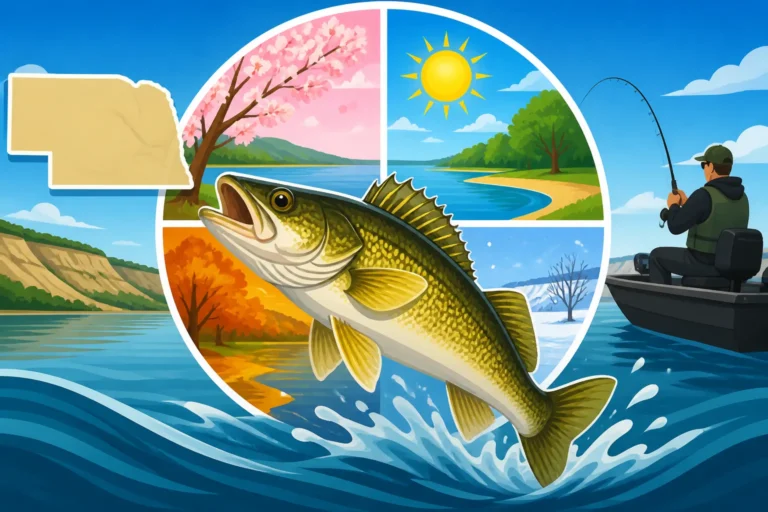
Nebraska's River Fishing Calendar: Timing Your Trip
Understanding the seasonality of river fishing in Nebraska is paramount to success. Fish behavior is heavily influenced by water temperature, flow rates, and spawning cycles. Knowing when and where to target different species throughout the year can transform a slow day into a memorable one.
Spring Rises and Spawning Runs
Spring on Nebraska's rivers can be a mixed bag, offering both challenges and incredible opportunities. Early spring often brings higher, colder water from snowmelt and rain, which can make fishing tough. However, as water temperatures slowly climb, various species begin their spawning rituals. This is prime time for the white bass run on rivers like the Platte and Elkhorn, as they move upstream to spawn. Anglers can experience fast and furious action casting small inline spinners, spoons, or crankbaits into current seams.
Catfish also start to become more active as water temperatures rise, though their peak activity is still a bit away. Walleye and sauger will be finishing their spawn or post-spawn in tailwater areas, often aggressively feeding to recover. This period can also be excellent for targeting trout in the Niobrara River and its cold-water tributaries, as they become more active after the winter lull. Always keep an eye on river gauges, as rapid rises in water levels due to spring rains can quickly make fishing unsafe or unproductive. Our Nebraska Fishing Seasons Explained article provides more detail on these crucial timing considerations.
Summer Heat and Low Water Tactics
Summer is undoubtedly prime time for catfish on all of Nebraska's major rivers. As water temperatures warm considerably, channel and flathead catfish become highly active, feeding aggressively throughout the day and especially at night. This is when baits like chicken liver, cut bait, and stink baits truly shine. The warm water also means panfish like bluegill and crappie are active, often found in slower moving areas, brush piles, or around shady cover.
However, summer can also bring lower water levels in some river stretches, especially during dry periods. This can concentrate fish in deeper pools but can also make access more challenging for boats and even waders. Adapt your tactics by focusing on the deepest holes, fishing at dawn, dusk, or overnight when temperatures are cooler, and targeting areas with current breaks or shade. For some rivers, like parts of the Platte, turbidity can be an issue, but stained water often benefits catfish anglers. Learning How to Fish From Shore in Nebraska effectively becomes even more important during these lower water periods.
Fall Feeding Frenzies and Winter Opportunities
As autumn arrives, air and water temperatures begin to drop, signaling a massive feeding push for many river species. Fish know winter is coming and will gorge themselves, making fall one of the most productive times to be on the water. Catfish remain highly active, often putting on weight, and can be caught throughout the day. Walleye and sauger fishing in tailwater areas typically heats up dramatically as they move into these areas for wintering and feeding. Casting crankbaits, jigging, or slow-trolling can be incredibly effective.
Even winter offers fishing opportunities, particularly on the larger, deeper rivers and their tailwaters, though ice fishing is more common on lakes. Open water sections of the Missouri River below dams can offer excellent cold-weather fishing for walleye and sauger, requiring heavy jigs, spoons, or slow-retrieved minnow imitations. For those brave enough to bundle up, winter river fishing can be a truly rewarding, albeit chilly, experience, offering a chance at some of the biggest fish of the year.
Disclaimer
Fishing involves inherent risks. Always prioritize safety, understand and follow all local regulations, and be aware of weather and water conditions. This guide provides general information and recommendations, but specific conditions can vary. Neither the author nor the publisher assumes responsibility for any accidents, injuries, or legal issues encountered while fishing. Always consult the latest Nebraska Game and Parks Commission regulations before your trip.