How Many Life Jackets Are Required on a Nebraska Boat?
It can be incredibly confusing trying to keep track of all the rules and regulations when you're heading out on the water in Nebraska. One of the most common questions, and perhaps one of the most critical for safety, revolves around life jackets: exactly how many do you need, and who actually has to wear them? This guide is here to untangle all that jargon and give you clear, actionable information so you can enjoy Nebraska's beautiful lakes and rivers safely and legally.
The Golden Rule: It's All About Accessibility and Wearability
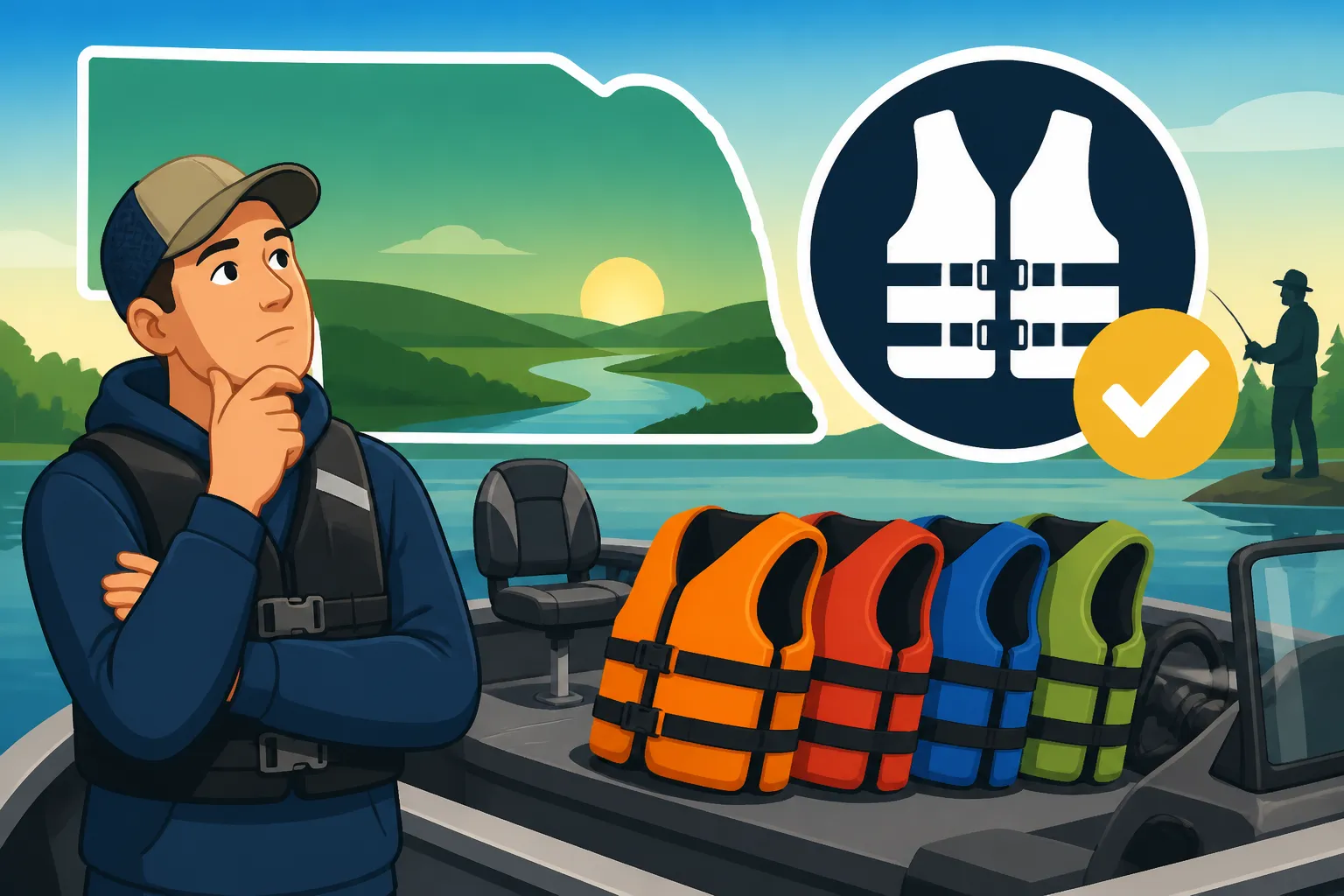
When you're out enjoying a day of fishing or boating on a Nebraska lake or river, the last thing you want is a run-in with law enforcement or, far worse, a safety incident. The primary, overarching rule for personal flotation devices (PFDs), or life jackets, on any vessel in Nebraska is simple: you must have one U.S. Coast Guard (USCG) approved life jacket for every person on board. This isn't just a suggestion; it's a fundamental requirement designed to save lives. It applies whether you're on a massive pontoon boat, a nimble fishing boat, or even a small canoe.
This requirement means that before you even back your boat down the ramp at Lake McConaughy or launch your kayak into the Platte River, you need to count heads. If there are four people on your boat, you need four life jackets. If you pick up a fifth person, you need a fifth life jacket, immediately. It’s not about how many people might fall in, but how many could need one in an emergency. These PFDs need to be readily accessible, too. Tucked away under a pile of gear, still in their original plastic packaging, or stowed in a locked compartment isn't "readily accessible." They should be easy to grab, put on, and use within a moment's notice, especially if an unexpected event sends someone overboard or capsizes your vessel.
The "Count" vs. the "Wear" for Different Age Groups
While having enough life jackets for everyone is step one, understanding who must wear them is equally important. Nebraska's rules have specific mandates for children, which is a huge relief for parents who want to keep their little ones safe. For adults, the requirement is generally to have the life jacket on board and accessible, but not necessarily worn. However, wearing it is always the safest option, and many experienced anglers and boaters choose to wear theirs constantly, especially when conditions are rough or they're alone.
The critical distinction comes with age. In Nebraska, children under 13 years of age must wear a USCG-approved life jacket at all times while on any vessel. This rule applies unless they are within a fully enclosed cabin. This isn't a recommendation; it's the law. Many families fishing at Branched Oak Lake or enjoying a leisurely float on the Elkhorn River will tell you that getting kids used to wearing their life jackets from a young age makes it second nature. It removes the argument and ensures their safety. For anyone 13 and older, while wearing isn't generally mandatory on larger vessels (unless they're being towed or on a personal watercraft), having it on hand and in good condition is. It’s a good idea to discuss the Nebraska Fishing License Rules for Kids and Seniors if you're planning a family trip to ensure everyone is properly covered.
Approved vs. Unapproved: What Makes a Life Jacket Legal?
Not all flotation devices are created equal in the eyes of the law, or for your safety. For a life jacket to count toward the legal requirement in Nebraska, it must be U.S. Coast Guard approved. This approval usually means it has specific labeling on it, often inside, indicating its type (Type I, II, III, IV, or V) and that it meets USCG standards. You'll often see "USCG Approved" printed clearly.
This means that those fun inflatable pool toys, old worn-out boat cushions not marked as Type IV, or even a PFD that's ripped or has a broken buckle, won't cut it. A life jacket needs to be in serviceable condition: no tears, no missing straps, no excessive fading that compromises the material, and all buckles and zippers must be fully functional. If you're unsure if your PFDs are up to snuff, it's always best to replace them. Stores like Bass Pro Shops or even online retailers like Amazon offer a wide selection of USCG-approved life jackets for all ages and activities, making it easy to comply. Having a collection of compliant PFDs is a core part of Nebraska Boat Safety Equipment Requirements.
Specific Scenarios and Nebraska's Nuances
While the general rule of "one per person, readily accessible" is universal, Nebraska has specific rules that apply to different types of vessels and activities. Understanding these nuances can prevent a costly fine and, more importantly, ensure you're prepared for any situation on the water.
Kids Under 13: A Non-Negotiable Rule
As mentioned, this is probably the most critical distinction for families. Any child under 13 years of age aboard any vessel must wear a USCG-approved life jacket while the vessel is underway. The only exception is if the child is in an enclosed cabin. "Underway" means when the boat isn't anchored, moored, or aground. So, even if you're just slowly drifting while fishing for crappie at Pawnee Lake, the kids need their vests on.
This rule is in place for a very good reason: small children can fall overboard silently and quickly. They might not know how to swim, or if they do, the shock of cold water or an injury could render them helpless. A properly fitted life jacket keeps their head above water, dramatically increasing their chances of survival and rescue. Parents often struggle with getting kids to wear them, especially on hot summer days. Look for comfortable, lightweight vests designed specifically for children. They come in fun colors and designs, making them less of a chore to wear. Teaching children early about water safety and why life jackets are important can make all the difference, and it's something we deeply encourage for all young anglers.
Paddlecraft and Smaller Vessels: Don't Get Caught Off Guard
Kayaks, canoes, stand-up paddleboards (SUPs), and other small, non-motorized vessels have grown immensely in popularity in Nebraska, especially on calmer waters like city parks' ponds or sections of the Niobrara River. While these vessels often feel very "open" and less like a traditional "boat," they are still considered vessels under Nebraska law, and the life jacket rules apply.
For every person on a kayak, canoe, SUP, or similar paddlecraft, a USCG-approved life jacket must be on board. Now, here's where it gets interesting: while adults (13 and older) aren't always mandated to wear the life jacket on these craft (unless the child rule applies or other specific circumstances), it is highly recommended, and often enforced in practice by safety-conscious patrols. Many people choose to wear Type III PFDs, which are comfortable for paddling. In some bodies of water or during certain activities, local ordinances or specific event rules might even mandate wearing them. So, while you technically might just need it on board, having it on you is always the safest bet, especially if you're solo Nebraska Kayak Fishing Techniques. When buying a kayak, remember to factor in the cost of appropriate PFDs. You can find excellent options suitable for Best Kayaks for Nebraska Fishing at retailers like Bass Pro Shops or online at Amazon.
Special Considerations: Towing and Personal Watercraft (PWC)
There are specific situations where wearing a life jacket becomes mandatory for everyone, regardless of age (over 13). These typically involve high-speed activities or situations where the risk of falling into the water is significantly higher.
- Towing Sports: Anyone being towed behind a boat on skis, a wakeboard, an inflatable tube, or similar devices must wear a USCG-approved life jacket. This is non-negotiable. The forces involved in towing sports mean that if you fall, you hit the water hard, and a PFD is essential for immediate flotation and visibility.
- Personal Watercraft (PWC): If you're operating or riding on a personal watercraft (like a Jet Ski or WaveRunner), you must wear a USCG-approved life jacket. These vessels are inherently designed for high-speed maneuvers and often involve riders being ejected into the water. A life jacket is crucial here for safety and quick recovery. Make sure you understand all the Nebraska Boat Registration and Fishing Rules for your PWC.
These mandatory wear rules for towing and PWC are critical safety measures. They acknowledge the dynamic nature of these activities and the increased risk of sudden immersion. Always make sure everyone involved is properly outfitted and understands the rules before you start the engine.
Beyond the Basics: Choosing the Right PFD and Avoiding Penalties
Knowing the rules is one thing, but making sure you have the right gear and maintain it properly is just as vital. A life jacket is a piece of safety equipment, not just a fashion accessory, and its effectiveness depends on its condition and suitability for your activity.
Types of Life Jackets and Their Uses
The USCG categorizes life jackets into different "Types" based on their design, flotation capabilities, and intended use. Understanding these can help you pick the right one for your boating adventures in Nebraska.
| Type of PFD | Description & Buoyancy | Best Use Cases | Key Features |
|---|---|---|---|
| Type I | Offshore Life Jacket (Min. 22 lbs buoyancy) | Rough, open, or remote waters where rescue may be delayed. | Turns unconscious wearer face-up; bulky; good for extended survival. |
| Type II | Near-Shore Buoyant Vest (Min. 15.5 lbs) | Calm, inland water; good chance of quick rescue. | Turns some unconscious wearers face-up; less bulky than Type I. |
| Type III | Flotation Aid (Min. 15.5 lbs) | Calm, inland water; good chance of quick rescue; active participation. | Most comfortable for continuous wear; does NOT guarantee turning face-up. |
| Type IV | Throwable Device (Min. 16.5 lbs) | Supplemental to wearable PFDs; for immediate rescue of conscious person. | Ring buoys, boat cushions; must be thrown, not worn. (Not counted "per person") |
| Type V | Special Use Device (Varies) | Designed for specific activities (kayaking, sailing, work vests, etc.) | May require being worn to count as approved; often inflatable. |
For most recreational fishing and general boating on Nebraska's lakes like Lewis and Clark Lake or Harlan County Reservoir, Type II or Type III PFDs are the most common and practical choices. Type III vests, often seen as "fishing vests" or "kayak vests," are popular because they allow for a greater range of motion and are comfortable enough to wear all day without feeling restrictive. Remember, a Type IV throwable device is a supplement to your wearable PFDs, not a replacement for them in the "one per person" count.
When you're shopping for life jackets, consider the activity. If you're going to fish from a kayak in Nebraska, a Type III vest designed for paddle sports will offer more comfort and freedom than a bulkier Type II. For young children, ensure their life jacket is properly sized for their weight range – a common mistake is putting a child in an adult vest "they'll grow into," which can be incredibly dangerous.
Maintaining Your PFDs: Safety Beyond the Purchase
Just buying the right number and type of life jackets isn't the end of your responsibility. PFDs need to be maintained to ensure they work when you need them most. Here are a few key tips:
- Inspect Regularly: Before each season, and periodically throughout, check your life jackets. Look for tears, punctures, mildew, or rot. Test buckles and zippers to ensure they fasten securely. If an inflatable PFD, check the inflation mechanism and CO2 cartridge.
- Keep Them Dry: Store life jackets in a dry, well-ventilated area. Don't leave them perpetually soaked or crumpled in a wet locker, as this promotes mildew and degradation of the materials.
- Avoid Harsh Chemicals: Don't clean your life jackets with harsh detergents or solvents, as these can break down the flotation material or fabric. A mild soap and water solution is usually sufficient for cleaning.
- Proper Fit: A life jacket should fit snugly but comfortably. It shouldn't ride up over your ears when you lift your arms or try to float in the water. For children, this is especially important – if it's too loose, it can slip off in the water.
- Don't Use as Cushions (unless Type IV): Unless your boat cushion is explicitly labeled as a Type IV throwable PFD, don't use it as a flotation device. Also, avoid sitting on wearable PFDs, as this can compress and damage the flotation material over time, reducing its effectiveness.
Proper maintenance not only extends the life of your PFDs but also ensures they perform as intended during an emergency, which is the whole point.
The Cost of Non-Compliance: Fines and Safety Risks
Ignoring Nebraska's life jacket requirements can lead to serious consequences, both legal and personal. On the legal side, boating violations, including those related to PFDs, can result in fines. The exact amount can vary depending on the specific violation and whether it's a first offense, but expect it to be a deterrent. A Game and Parks Commission officer patrolling the waters of Lake Ogallala or Merritt Reservoir is well within their rights to stop you and check your safety equipment, including your life jackets. They are looking out for everyone's safety, and these checks are a routine part of their duties.
Beyond the financial penalty, the far greater cost is the risk to life and limb. Drowning is a tragic reality, and the vast majority of drowning victims in boating accidents were not wearing a life jacket. A sudden capsize, collision, or unexpected fall overboard can happen to anyone, regardless of swimming ability. Cold water shock, injuries sustained during an incident, or even just panic can quickly incapacitate someone. A life jacket provides immediate flotation, keeping you visible and your head above water, allowing time for rescue or self-recovery.
Investing in good quality, USCG-approved life jackets for everyone on board is a small price to pay for peace of mind and, potentially, for saving a life. Don't take chances; make sure you're compliant with Nebraska Fishing Regulations Explained and always prioritize safety on the water.
Important Reminders for Safe Boating in Nebraska
Fishing and boating in Nebraska offer incredible opportunities to connect with nature, create memories with family and friends, and maybe even catch a trophy fish. By understanding and adhering to the life jacket requirements, you're not just following the law; you're actively participating in creating a safer environment for everyone on the water.
Remember to consider these key takeaways:
- One per person: Every single person on your vessel needs a USCG-approved life jacket that is readily accessible.
- Kids under 13 must wear them: This is a firm rule. No exceptions unless they're inside an enclosed cabin.
- Special activities require wearing: If you're on a PWC or being towed for water sports, everyone must wear their life jacket.
- Check condition: Your life jackets must be in serviceable condition, free of tears or damage, with all straps and buckles working.
- Choose wisely: Select the right type of PFD for your activity and ensure it fits properly, especially for children.
Before you head out, do a quick safety check. Ensure all your Nebraska Boat Safety Equipment Requirements are met. This includes not just life jackets, but also things like distress signals, fire extinguishers, and navigation lights. Many resources are available to help you, including the Nebraska Game and Parks Commission website and local retailers. Enjoy your time on Nebraska's beautiful waters, and always boat safely!
Disclaimer
This article is for general informational purposes only and does not constitute professional advice. Laws, prices and regulations vary by location and change over time. Consult a qualified professional for guidance on your specific situation.