How Much It Costs to Outfit a Beginner Angler
One of the biggest hurdles I hear from folks considering getting into fishing here in Nebraska is the perceived cost. They picture expensive boats, fancy electronics, and tackle boxes overflowing with high-priced lures, and it feels completely out of reach. But I'm here to tell you that you absolutely do not need to break the bank to start enjoying the peace and excitement of fishing. This guide is all about demystifying those initial costs and showing you exactly what it takes to outfit a beginner angler without emptying your wallet, proving that the joy of a tug on the line is accessible to everyone.
The Initial Sticker Shock: Is Fishing Really That Expensive?
Let's be real, you flip through any outdoor magazine or watch a professional fishing show, and it's easy to get the impression that you need a second mortgage just to afford the gear. You see gleaming bass boats, sophisticated sonar systems, and rods that look like they belong in a museum. This image, while exciting for experienced anglers, can be incredibly intimidating for someone just dipping their toes in the water, making them think fishing is a hobby reserved for the wealthy.
The truth is, while there’s certainly a high-end market for fishing gear, it's not a prerequisite for catching fish or having a fantastic time outdoors. The fundamental principles of fishing—a line, a hook, bait, and patience—have remained unchanged for centuries. Modern gear simply refines the experience, but it doesn't replace the core act. My goal is to show you that you can start incredibly simple and still have success, perhaps even more, because you'll be focusing on the basics rather than being overwhelmed by choices.
Dispelling the Myth of Needing High-End Gear
It’s easy to fall into the trap of thinking "more expensive equals better" or "I need what the pros use." This couldn't be further from the truth, especially for a beginner. The highly specialized gear you see often caters to very specific techniques or target species, offering marginal gains that only become significant for competitive anglers or those pursuing records. For someone learning the ropes, these nuances are unnecessary and can even complicate the learning process.
Instead of chasing the latest carbon-fiber rod or the most advanced sonar, focus on reliability and simplicity. A basic rod and reel combo, a handful of hooks, and some worms are more than enough to get started. Many of the fish you'll target as a beginner, like bluegill, channel catfish, or even smaller bass, aren't particularly fussy about what they bite or the presentation. They're often abundant and willing to cooperate, making them perfect targets for learning.
Understanding the Core Essentials vs. "Nice-to-Haves"
When you’re starting out, it's crucial to differentiate between what you absolutely need to go fishing and what would be nice to have down the road. The essentials are the items that enable you to legally and effectively put a line in the water. Everything else, from specialized lures to advanced electronics, falls into the "nice-to-have" category. These can be acquired gradually as your interest grows and your skills develop.
For instance, a comfortable fishing chair is a "nice-to-have" for bank fishing, but you can certainly sit on a cooler or even the grass to start. A fancy fish finder might be great for locating deep-water walleye, but for panfish in a local pond, your eyes and a simple bobber are often all you need. By focusing on the core essentials first, you keep your initial investment low and ensure you get out on the water sooner rather than later.
Breaking Down the Bare Necessities for a Nebraska Angler
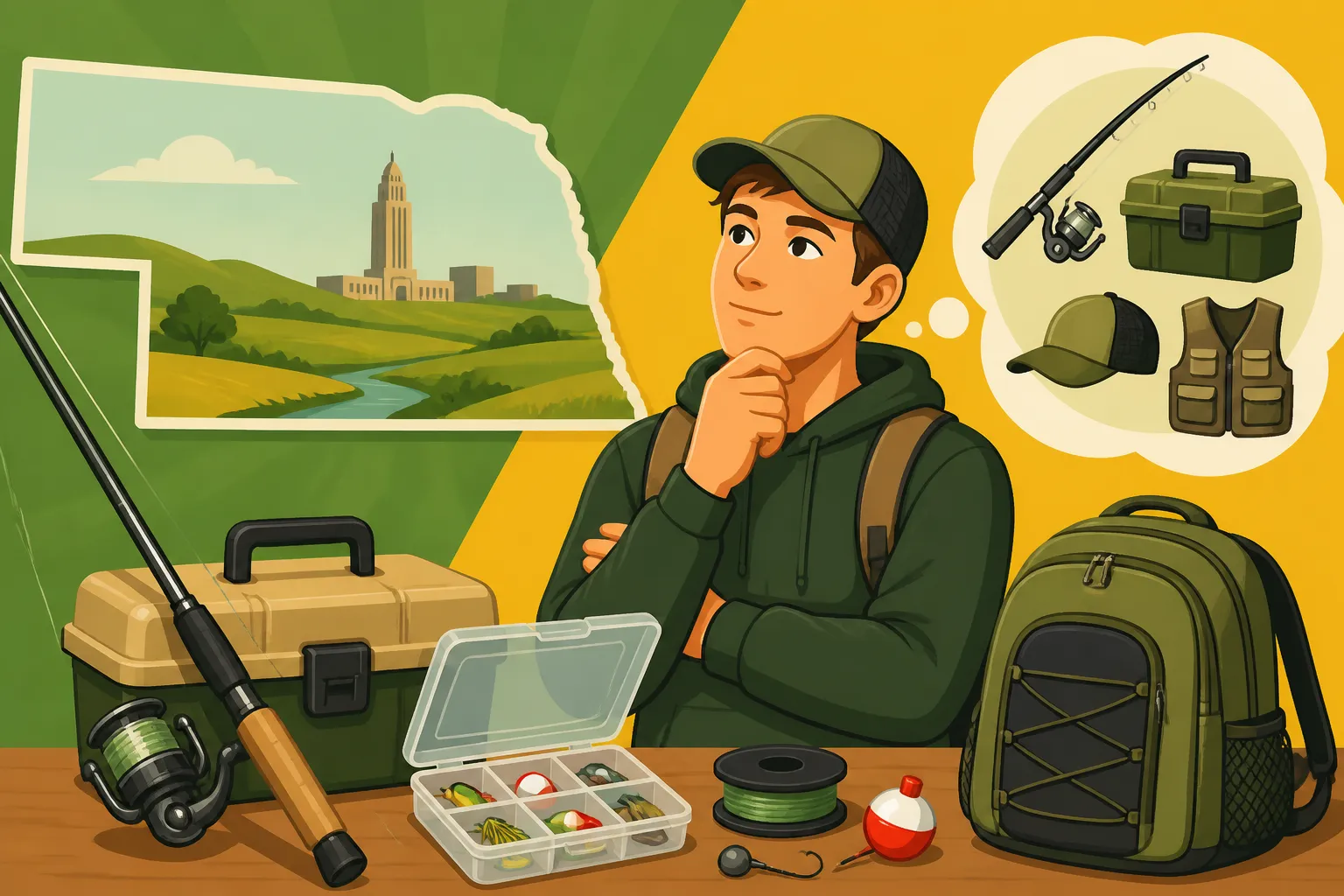
So, what does an absolute beginner really need to start fishing in Nebraska? Let's break it down into the fundamental items that will get you from wanting to fish to actually casting a line. Remember, we're thinking minimal and functional here, not fancy.
Your Rod and Reel Combo: The Foundation
This is perhaps the most iconic piece of fishing gear, and for good reason—it’s how you cast your line and fight your fish! For a beginner, a pre-assembled rod and reel combo is often the best and most economical choice. These combos are designed to be balanced and easy to use right out of the box, often coming pre-spooled with line.
I usually recommend a spinning combo for most new anglers. They are versatile, easy to learn, and can handle a wide range of Nebraska species from panfish to smaller bass and catfish. Look for a light to medium power rod, typically 6 to 7 feet long. This size is manageable for casting and gives you enough backbone for common catches. You can find decent, reliable spinning combos that won't strain your budget at places like Bass Pro Shops or through online retailers like Amazon. Don't feel pressured to buy the most expensive one; a solid entry-level combo will serve you well for your first few seasons. A spincast reel, often called a "push-button" reel, is another fantastic option for absolute beginners, especially kids, due to its incredible ease of use.
Essential Line, Hooks, and Sinkers
Once you have your rod and reel, you need the bits that actually interact with the fish. Fishing line, hooks, and sinkers are the unsung heroes of your tackle box, and luckily, they are very inexpensive.
For line, monofilament (mono) is the way to go for beginners. It’s affordable, easy to tie knots with, and has a bit of stretch, which can be forgiving when fighting a fish. A 6 to 10-pound test line is a good all-around choice for many Nebraska fishing scenarios. As for hooks, start with a small assortment of general-purpose hooks. Sizes like a #6 or #8 Aberdeen or bait holder hook are perfect for panfish, while a #2 or 1/0 circle hook or J-hook will work well for channel catfish. Get a small variety pack of split shot or bell sinkers to help get your bait down to where the fish are. Remember, simplicity is key here – you don't need a hundred different types.
A Few Basic Baits and Lures
This is where the magic happens! Bait and lures are what entice the fish to bite. For a beginner, starting with natural baits is often the most effective and rewarding route. Live bait has a natural scent and action that fish find irresistible.
Good old nightcrawlers (earthworms) are king for panfish, trout, and even smaller catfish. They are cheap, easy to find, and almost universally effective. Minnows are another excellent choice for crappie, walleye, and bass. If live bait isn't your preference or readily available, consider a few simple artificials. A small assortment of grub jigs (1/16 oz to 1/8 oz in various colors), a couple of simple bobbers, and maybe a small spinner or spoon are great starting points. These versatile options can cover a lot of ground in many Nebraska waters.
The All-Important Fishing License
Here in Nebraska, a fishing license isn't just a "nice-to-have"; it's a legal requirement for most anglers. This is one of the foundational costs that simply cannot be skipped, and it’s arguably the most important "piece of gear" you'll acquire. The money from licenses directly funds conservation efforts, fish stocking programs, and public access to waterways, so it's an investment in the future of fishing.
The exact cost will depend on whether you're a resident or non-resident, your age, and the type of permit you choose (annual, 1-day, 3-day, etc.). Make sure to check the current regulations with the Nebraska Game and Parks Commission. You can often purchase these online, at most bait shops, or at Bass Pro Shops and other sporting goods stores. Skipping this step can lead to significant fines, which is certainly not the way to start your fishing journey. For more detailed information, check out our guide on Nebraska Fishing License Costs and Types or How to Buy a Nebraska Fishing License Online.
Basic Tackle Storage
Finally, you'll need somewhere to keep all these small bits organized. A simple tackle box or a small tackle bag is essential to prevent hooks from getting tangled, sinkers from scattering, and baits from drying out.
You don't need a multi-tiered, professional-grade tackle box with a thousand compartments. A basic plastic utility box with adjustable dividers, or even a small fabric tackle bag with a few plastic trays, will do the trick. The goal is to keep your essentials neat, accessible, and protected. This will make your time on the water much more enjoyable and less about fumbling through a disorganized mess. Many beginner combos even come with a small starter kit that includes a basic box and some tackle, which can be a great way to consolidate your initial purchase.
Beyond the Absolute Essentials: Smart Upgrades for Comfort and Success
Once you've got the bare bones covered and you've decided fishing is something you truly enjoy, there are a few practical additions that can significantly enhance your experience. These aren't mandatory for your very first trip, but they definitely make a difference over time.
A Sturdy Landing Net
When you hook into a nice fish, especially one that puts up a good fight, bringing it into shore or into your boat can be a challenge. A good landing net helps you safely and securely land your catch, minimizing stress on the fish and preventing accidental loss right at the bank. This is particularly true for species like larger walleye or catfish that have sharp fins or are a handful to manage.
For beginners, a simple, moderately sized net with a rubberized or knotless mesh is ideal. Rubberized nets are gentler on fish, reducing scale and slime loss if you plan on releasing your catch, and they also prevent hooks from getting tangled as easily. You don't need a huge, extendable net right away, but one that's easy to handle and stores compactly will be a welcome addition to your gear.
Pliers and Clippers
These small tools make a world of difference. A good pair of fishing pliers is invaluable for safely removing hooks from a fish's mouth, especially if it's deeply hooked or if the fish has teeth. They protect both you and the fish. Many pliers also come with built-in line cutters, but a dedicated pair of line clippers (or even a small pair of nail clippers) works wonders for quickly and cleanly trimming excess line after tying a knot.
Fumbling with dull scissors or trying to bite your line can be frustrating and even dangerous. Investing in a durable pair of pliers, perhaps made of stainless steel or with corrosion resistance for use near water, is a smart move. You can often find decent multi-tool options that combine pliers, clippers, and other useful features in a single compact unit.
Cooler for Keeping Your Catch (or Lunch) Fresh
If you plan on keeping fish for a delicious meal, a cooler is non-negotiable. Keeping your catch on ice immediately after harvesting is crucial for maintaining its quality and taste. Even if you're strictly catch-and-release, a small cooler is perfect for keeping your drinks, snacks, and bait cool and fresh throughout your fishing excursion.
You don't need a huge, rotomolded super-cooler to start. A basic insulated cooler with enough capacity for a few fish or a day's worth of food and drinks will be perfectly adequate. Look for one that's easy to carry and clean. Remember to fill it with ice before you head out, and if you're taking fish home, consider using a separate bag for your catch to keep everything hygienic. How to Keep Fish Fresh Without a Cooler might be a good read down the line.
Sun Protection: Hat, Sunglasses, Sunscreen
Nebraska weather can be unpredictable, but when the sun is out, it can be intense, especially with the added reflection off the water. Protecting yourself from the sun's harmful UV rays is paramount for your comfort and long-term health.
A wide-brimmed hat or a baseball cap will keep the sun off your face and neck. Sunglasses not only protect your eyes but can also significantly reduce glare on the water, allowing you to see submerged structure or even fish swimming below the surface. While polarized sunglasses offer the best glare reduction, any pair of sunglasses is better than none for eye protection. Don't forget a good quality, water-resistant sunscreen to apply to any exposed skin. A sunburn can quickly ruin an otherwise perfect day on the water.
A Comfortable Chair or Bucket
Bank fishing, which is how many beginners start, can involve a lot of waiting. A comfortable place to sit can make a huge difference, turning what could be an uncomfortable wait into a relaxing experience.
A lightweight, foldable camping chair is a popular choice, as is a sturdy 5-gallon bucket. Many anglers actually prefer the bucket because it serves a dual purpose: a seat and a convenient way to carry your gear, bait, or even a small catch. Some even come with padded lids. Whatever you choose, having a dedicated spot to rest will allow you to enjoy longer sessions without fatigue, increasing your chances of success and enjoyment.
Basic First Aid Kit
Accidents happen, even on the most serene fishing trips. A small, basic first aid kit is an essential safety item that everyone should carry. You might get a minor cut from a hook, a scrape from a rocky bank, or a splinter from a wooden dock.
Your kit doesn't need to be elaborate; a few adhesive bandages, antiseptic wipes, pain relievers, and perhaps some bug bite cream are a great start. Store it in a waterproof bag or container to protect the contents from moisture. Knowing you have basic supplies on hand for minor mishaps provides peace of mind and allows you to quickly address small injuries without having to cut your trip short.
Where to Find Gear Without Breaking the Bank
Finding affordable, yet reliable, fishing gear is easier than you might think. You don't always need to go to a specialized store, and sometimes the best deals are found unexpectedly. Here are some prime places to check:
Local Bait and Tackle Shops
These often overlooked gems are fantastic resources for beginner anglers. Your local bait and tackle shop isn't just a place to buy worms; it's a hub of local knowledge. The staff are usually passionate anglers themselves and can offer invaluable advice on what gear works best for your specific local waters, what fish are biting, and what regulations you need to be aware of.
They often carry a good selection of entry-level rods, reels, and terminal tackle that are perfect for beginners, and they can help you assemble a cost-effective starter kit. Plus, supporting local businesses keeps our communities vibrant. Many smaller shops pride themselves on catering to the everyday angler, ensuring you get practical, no-nonsense advice and gear that fits a modest budget.
Big Box Retailers
Large sporting goods stores are another excellent option. Chains like Bass Pro Shops offer a massive selection of fishing gear, from budget-friendly beginner combos to high-end equipment. Their sheer volume often means competitive pricing, and they frequently run sales or promotions that can save you a significant amount of money.
These stores are great for seeing and handling different rods and reels before you buy, which can be very helpful for a beginner trying to figure out what feels comfortable. Beyond rods and reels, you'll find a wide variety of line, hooks, sinkers, artificial lures, and accessories. Just be careful not to get overwhelmed by the sheer number of options and stick to your list of essentials!
Online Shopping
The internet has revolutionized how we shop for just about everything, and fishing gear is no exception. Websites like Amazon offer an incredible array of products, often at very competitive prices, and the convenience of having it delivered right to your door is hard to beat.
Online marketplaces are fantastic for comparing prices, reading reviews from other anglers, and finding specialized items that might not be available locally. You can often find great deals on beginner combos and bulk packs of terminal tackle. Just remember to factor in shipping costs and delivery times when making your purchase. While you can't physically examine the gear, reputable brands generally provide accurate descriptions and photos.
Secondhand Market
Don't underestimate the power of the secondhand market! Garage sales, thrift stores, local online marketplaces, and even dedicated fishing forums can be goldmines for gently used gear at a fraction of the cost. Many anglers upgrade their equipment regularly and sell off their perfectly functional older gear.
You might find a perfectly good spinning rod, a serviceable tackle box, or even a collection of hooks and weights that someone no longer needs. Always inspect used gear carefully for damage, especially rods for cracks or guides that are bent, and reels for smooth operation. But with a bit of patience and a keen eye, you can assemble a surprisingly good beginner's kit for very little money. This is an excellent way to get started with minimal financial risk.
Estimated Cost Breakdown for a Beginner Angler's Kit
To give you a clearer picture, let's look at what you might expect to spend for a basic, yet effective, fishing kit. Remember, these are general estimates; actual costs will vary based on brands, sales, and where you purchase your items. We’ll look at two levels: the "Bare Bones" approach, which gets you on the water for the absolute minimum, and a "Comfortable Start," which includes a few key upgrades for enhanced comfort and versatility.
| Item Category | Bare Bones (Estimated Range) | Comfortable Start (Estimated Range) | Notes |
|---|---|---|---|
| Nebraska Fishing License | Modest Fee | Modest Fee | Required for most anglers. Varies by residency, age, and permit type (annual, 1-day, 3-day). Check current Nebraska Game and Parks Commission rates. |
| Rod & Reel Combo | Low Price Range | Mid Price Range | For Bare Bones, think basic spincast or spinning combo, often pre-spooled. For Comfortable Start, a slightly better quality spinning combo with smoother action. |
| Fishing Line | Very Low Price | Very Low Price | Monofilament line, 6-10 lb test. Often comes pre-spooled on beginner combos, or purchase a small spool for re-spooling. |
| Hooks | Very Low Price | Very Low Price | Small assortment of #6-#8 for panfish, #2-1/0 for catfish. Can buy in small packs or a basic variety kit. |
| Sinkers/Weights | Very Low Price | Very Low Price | Small pack of split shot or bell sinkers. |
| Basic Baits/Lures | Low Price Range | Low to Mid Price Range | Bare Bones: Package of nightcrawlers or simple plastic worms/grubs. Comfortable Start: Live bait, small assortment of versatile jigs, bobbers, and maybe a basic spinner. |
| Tackle Box/Bag | Very Low Price | Low Price Range | Bare Bones: Small plastic utility box or even a sturdy resealable bag for minimal tackle. Comfortable Start: Small-to-medium tackle box with dividers or a small fabric tackle bag with trays. |
| Landing Net | Not Included | Low Price Range | A simple, moderately sized net, especially useful for handling larger fish or practicing catch-and-release gently. |
| Pliers/Clippers | Not Included | Low Price Range | Essential for hook removal and line trimming. A basic multi-tool or dedicated pair. |
| Small Cooler | Not Included | Low Price Range | For keeping bait, snacks, drinks, or fish fresh. Basic insulated cooler. |
| Sun Protection | Not Included | Very Low Price | Hat and sunscreen. (Sunglasses, especially polarized, can add to the cost but are a great investment later). |
| Chair/Bucket | Not Included | Low Price Range | A foldable camping chair or a sturdy 5-gallon bucket for comfortable bank fishing. |
| Basic First Aid Kit | Not Included | Very Low Price | Small, pre-packaged kit for minor scrapes or cuts. |
| Total Initial Outlay | Generally Low to Mid Price | Generally Mid Price | Note: This does not include any specific dollar amounts as prices fluctuate and depend on brand choices. Please check current prices at retailers for exact figures. |
As you can see, the "Bare Bones" approach focuses solely on what you need to put a line in the water legally and effectively. The "Comfortable Start" adds those quality-of-life items that make the experience more enjoyable and safer. You can easily start with the "Bare Bones" and gradually add items from the "Comfortable Start" list as your interest and budget allow. The most important thing is getting out there and fishing!
Making Your Fishing Budget Go Further in Nebraska
Okay, so you’ve got a handle on the costs, but what if you still want to be extra savvy with your spending? There are plenty of ways to stretch your fishing budget, ensuring you get the most bang for your buck and enjoy more time on the water without worrying about expenses.
Start Simple and Add Later
This is perhaps the single best piece of advice for any beginner. You don't need all the gear at once. Get the absolute essentials first – a rod, reel, line, hooks, sinkers, bait, and that all-important Nebraska fishing license. Go fishing a few times. See what you like, what you find yourself wishing you had, and what types of fishing truly capture your interest.
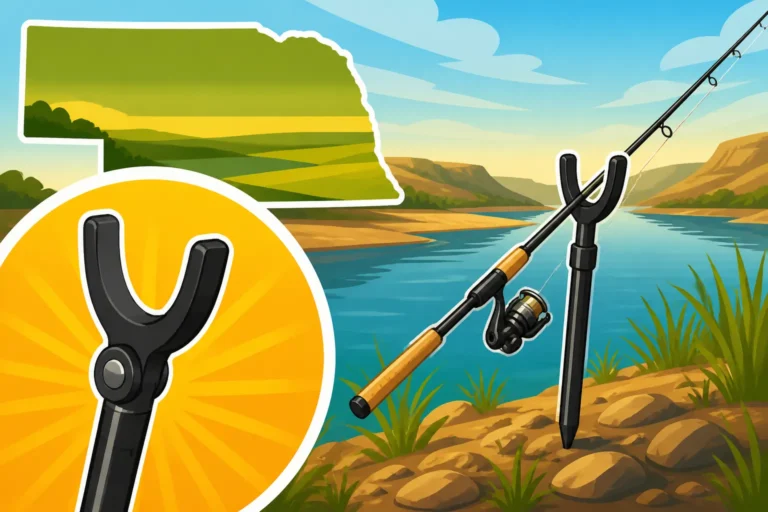
For example, if you find yourself mostly chasing bluegill in a local pond, you might then invest in a small bobber assortment and some tiny jigs. If you get hooked on catfish, you might then add some stronger hooks and a dedicated rod holder. This phased approach prevents you from buying expensive gear you might never use and allows your hobby to grow naturally with your skills and preferences. Think of it like a journey, not a sprint, and enjoy each step along the way. Beginner Fishing Gear Guide for Nebraska can provide more insights here.
Utilize Free Fishing Days
Did you know Nebraska has a "Free Fishing Day" each year? This is an incredible opportunity for aspiring anglers, especially families, to try fishing without the upfront cost of a license. It’s typically held in May and allows anyone to fish in Nebraska waters without a fishing permit.
This is the perfect chance to borrow a rod and reel from a friend, or even just buy a super cheap combo, and see if fishing is for you. It removes a significant barrier to entry and lets you experience the joy of the sport firsthand. Keep an eye on the Nebraska Game and Parks Commission website for the exact date each year. It's a fantastic initiative designed to introduce more people to the outdoors. Learn more about it in our article, Nebraska Free Fishing Day.
Prioritize Versatility
When selecting your initial gear, especially your rod and reel, think about versatility. A medium-action spinning combo around 6.5 to 7 feet long, spooled with 8-pound monofilament line, is a fantastic all-around setup for Nebraska waters. This kind of setup can handle panfish, smaller bass, channel catfish, and even light walleye fishing.
Avoid highly specialized gear initially, like ultralight trout rods or heavy-duty catfish rods, unless you know that’s the only type of fishing you’ll be doing. Versatile gear means you can fish a wider range of species and locations without needing to buy multiple expensive setups. As your skills advance, you can then consider adding more specialized tools to your arsenal. For ideas on all-around setups, check out Best Rod and Reel Combo for Beginners in Nebraska.
Learning DIY Baits
While store-bought baits and lures are convenient, many fish, especially catfish, are perfectly happy with simple, homemade concoctions. Learning to create your own baits can significantly reduce your ongoing costs.
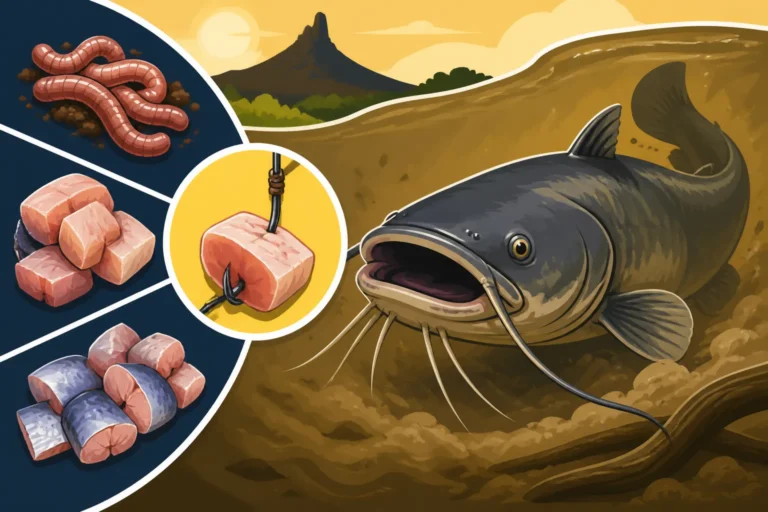
For instance, chicken liver, hot dogs, corn, or even simple dough balls can be incredibly effective for channel catfish and carp. These items are often already in your fridge or can be purchased very cheaply at the grocery store. Experimenting with homemade baits is not only cost-effective but can also be a fun part of the fishing experience, giving you a sense of accomplishment when a fish bites on something you prepared yourself.
Mentor Programs
For younger aspiring anglers, or even adults looking for guidance, Nebraska offers some fantastic resources. The Nebraska Mentored Youth Fishing Program is a wonderful way for kids to learn fishing techniques, ethics, and regulations from experienced anglers, often with gear provided or available. This program helps introduce the next generation to the sport without the family needing to make a large initial investment in equipment.
Even if you're an adult, seek out experienced friends or family members who fish. Most seasoned anglers are more than happy to share their knowledge, and sometimes even their spare gear, to help new folks get started. Learning from someone else’s experience can prevent costly mistakes and accelerate your learning curve, making your initial outings much more successful and enjoyable.
Conclusion
Getting started in fishing in Nebraska doesn't have to be an intimidating financial endeavor. By focusing on the true essentials, understanding where to find affordable gear, and being smart about your purchases, you can easily outfit yourself or a loved one for a lifetime of angling adventures. The real cost of fishing isn't measured in dollars, but in the peaceful moments on the water, the thrill of a biting fish, and the memories made outdoors. So, grab a basic combo, get your license, and get out there – Nebraska's waters are waiting for you!
Disclaimer
This article is for general informational purposes only and does not constitute professional advice. Laws, prices and regulations vary by location and change over time. Consult a qualified professional for guidance on your specific situation.