Nebraska Mentored Youth Fishing Program
It can feel like a real hurdle getting kids involved in fishing when you're not entirely sure about all the rules and regulations. The thought of needing a license for your little angler, or even for yourself as you guide them, might seem complicated and take some of the fun out of it. This guide is here to clear up the confusion about the Nebraska Mentored Youth Fishing Program, showing you exactly how it helps young people experience the joy of fishing without the usual licensing worries, fostering a love for the outdoors.
Understanding the Nebraska Mentored Youth Fishing Program
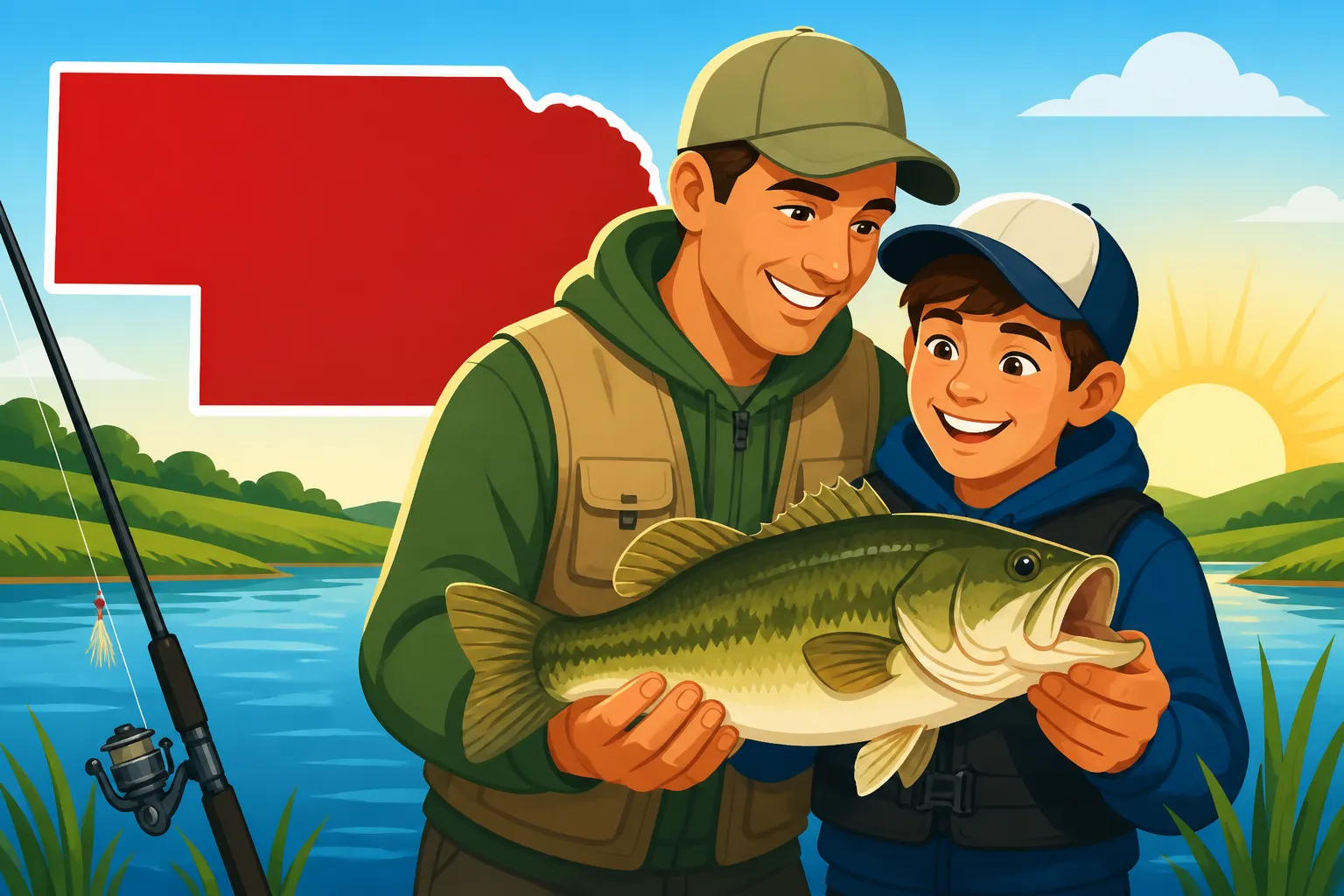
For many of us who grew up fishing, those early days often involved a patient parent, grandparent, or family friend showing us the ropes. We learned how to bait a hook, cast a line, and, most importantly, developed a deep appreciation for nature and the tranquility of being by the water. The Nebraska Game and Parks Commission understands that these experiences are invaluable, and they’ve designed the Mentored Youth Fishing Program specifically to encourage these vital connections, making it easier for new, young anglers to get started.
This program isn't just about saving a few bucks on a license; it's about breaking down barriers to participation and actively promoting mentorship. It recognizes that kids learn best from hands-on experience, guided by someone with a bit of wisdom and patience. It’s a brilliant initiative that aims to ensure the next generation of Nebraskans falls in love with fishing, just like so many of us have.
What is the Program's Core Purpose?
At its heart, the Nebraska Mentored Youth Fishing Program is all about education and outreach. The primary goal is to provide an accessible entry point for young people to discover fishing. Think of it as a bridge, connecting curious kids with experienced anglers who can impart not just fishing techniques, but also the ethical principles of conservation, responsible angling, and safety on the water. It’s about building foundational knowledge and confidence.
The program specifically targets youth under a certain age who might otherwise be deterred by the complexities of licenses. It allows them to fish legally under the direct supervision of a licensed adult, removing the financial and administrative hurdle of purchasing a separate permit for the child. This simple yet effective approach is designed to foster a positive first experience, creating lifelong anglers rather than just temporary participants. It truly simplifies the process, especially for those who are just dipping their toes into the fishing world for the first time.
Why Was This Program Created?
You might wonder why such a program is necessary. Well, in today's fast-paced world, it's increasingly challenging to pull kids away from screens and into the great outdoors. Many parents, perhaps not being anglers themselves, might not know where to start, or they might be unsure about the legal requirements. The Mentored Youth Fishing Program addresses these exact concerns head-on. It was created to counteract declining participation rates in outdoor activities by providing a clear, low-barrier pathway into fishing.
Beyond just participation, the program serves a crucial conservation role. By introducing kids to fishing in a mentored setting, they learn about fish identification, habitat protection, and the importance of adhering to Nebraska Fishing Regulations Explained. These lessons, taught early and practically, instill a sense of stewardship that goes far beyond the fishing trip itself. It’s an investment in the future of Nebraska's natural resources, ensuring that the next generation respects and protects the waters we all cherish.
Who Can Participate: Eligibility and Requirements
Understanding who qualifies for the Mentored Youth Fishing Program is key to taking advantage of its benefits. There are specific age requirements for the youth and clear guidelines for the adult mentor. It’s all designed to ensure safety, proper guidance, and adherence to the spirit of the program. If you're looking to get a young person involved, or if you're an experienced angler wanting to share your passion, this section will lay out exactly what you need to know.
Let's clarify what this means for both the budding angler and the seasoned pro stepping into a mentor role. The rules are straightforward, making it easy to see if you or your family members are eligible.
Age Requirements for Youth Anglers
The most important detail for the youth is their age. In Nebraska, kids under the age of 16 generally don't need a fishing license to begin with. This program specifically targets those young anglers who are under 16 years of age. If a child is 16 or older, they are required to have their own Nebraska fishing license, regardless of whether they are being mentored. So, for the 15-year-old who's eager to learn, this program is perfect!
This exemption is fantastic because it removes a common hurdle for families. You won't have to worry about buying a Nebraska Youth Fishing License Rules or wondering, "Do Kids Need a Fishing License in Nebraska?" as long as they meet the age criteria and are fishing with a qualified mentor. It's a simple way to get them hooked on fishing without additional administrative steps, keeping the focus squarely on the experience itself.
Responsibilities of the Adult Mentor
Now, for the adult side of the equation. Any adult acting as a mentor in this program must possess a valid Nebraska fishing license. This isn't just a formality; it ensures that the adult is knowledgeable about current regulations and is setting a good example for the youth. The mentor is entirely responsible for supervising the youth angler, ensuring they understand and follow all fishing regulations, including bag and length limits.
The mentor must also be "actively engaged" in the act of mentoring. This isn't a program designed for an adult to simply bring a kid along while they fish completely independently. It means actively teaching, assisting with baiting, casting, identifying fish, and explaining the rules. They must be within a reasonable distance to provide immediate assistance and instruction. It's truly a hands-on role, emphasizing teaching and shared experience over independent fishing. For instance, if you're out at Branched Oak Lake teaching a youngster how to cast, you need to be right there, guiding their technique and celebrating their successes.
How the Program Works: Steps to Get Started
Getting involved with the Nebraska Mentored Youth Fishing Program is relatively straightforward once you understand the basic framework. There aren't any special forms to fill out or separate permits to purchase for the youth if they meet the age criteria. The beauty of this program lies in its simplicity, relying on the licensed adult to facilitate the experience.
It’s less about jumping through hoops and more about understanding the spirit of mentorship. Let's break down the practical steps an adult mentor and a young angler can take to make the most of this fantastic opportunity. This ensures everyone is on the same page and ready for a fun, educational day on the water.
No Special Permit Needed for the Youth
This is often where people get confused. For the youth participant (under 16), there is no special "mentored youth permit" to buy. Their ability to fish without a license stems directly from the fact that they are under the supervision of a licensed adult mentor. This makes the program incredibly accessible. The focus is shifted from paperwork to actual fishing. Just remember, as soon as that young angler turns 16, they'll need to secure their own permit. This means understanding What Age Can You Fish Without a License in Nebraska? is crucial for planning future fishing adventures.
The licensed adult's permit covers the youth's participation, making it easy to head out to your favorite fishing spot, whether it's a small pond or a larger reservoir like Lake McConaughy. This simplicity means less time spent on administration and more time spent casting lines and making memories. Just ensure your adult license is current and readily available, perhaps even linked to your GoOutdoorsNE Online Permit System account on your phone, in case a Nebraska Game and Parks conservation officer asks to see it.
Direct Supervision and Active Engagement
The core principle of the Mentored Youth Fishing Program is direct supervision and active engagement. This means the licensed adult mentor must be physically present and actively instructing the youth. It's not enough to be in the same boat or on the same shoreline; the mentor needs to be within a distance that allows for immediate assistance and guidance. This could involve showing them how to tie a knot, helping them reel in a fish, or explaining why a certain bait might work better.
Consider a scenario where you're introducing a child to fly fishing on one of Nebraska's trout streams. You wouldn't just hand them a rod and walk away. You'd be right there, demonstrating the cast, explaining the drift, and helping them untangle their line. This active involvement is what makes the program successful, not just in terms of legality, but in terms of truly educating and inspiring the next generation. It’s about building skills and fostering a love for the sport through shared experiences and direct instruction.
Here’s a quick overview of what's expected for both parties:
| Role | Requirement | Key Responsibilities |
|---|---|---|
| Youth | Must be under 16 years of age. | Learn from mentor, follow instructions, adhere to regulations (with mentor's guidance). |
| Mentor | Must possess a valid Nebraska fishing license (annual, short-term, or lifetime permit). Must be 16 years or older. | Actively supervise and instruct youth, ensure compliance with all fishing rules, provide a safe and educational environment. |
Benefits Beyond the License Exemption
While the primary draw of the Mentored Youth Fishing Program for many is the license exemption for young anglers, the true value of the program stretches far beyond simply saving a few dollars. This initiative is a holistic approach to fostering a love for the outdoors, imparting crucial life skills, and strengthening intergenerational bonds. It’s an investment in the future, not just of fishing, but of responsible citizenship and environmental stewardship.
Let's delve deeper into the rich tapestry of benefits that this program weaves, showing how it enriches both the lives of the young participants and the mentors themselves. These are the aspects that truly make the program a cornerstone for nurturing future outdoor enthusiasts.
Building Skills and Confidence
Imagine a young person, perhaps a bit shy or uncertain, holding a fishing rod for the very first time. Under the patient guidance of a mentor, they learn to bait a hook – maybe with some wriggly worms you picked up at a local bait shop or even found on Amazon – cast their line, and feel the thrill of a fish biting. Each small success, from a perfectly tied knot to reeling in their first bluegill, builds immense confidence. They're not just learning to fish; they're learning patience, perseverance, and problem-solving. These are transferable skills that extend far beyond the water's edge.
A mentor can teach them about different Best Bait for Bluegill and Sunfish, how to identify various fish species, and even the nuances of reading the water. This hands-on learning, coupled with the encouragement of an experienced individual, helps cement these skills and builds a self-assuredness that is invaluable. It transforms uncertainty into capability, making the child more willing to try new things and tackle challenges in other areas of their life.
Fostering a Connection to Nature
In an increasingly digitized world, direct connection with nature is more important than ever. The Mentored Youth Fishing Program provides a perfect conduit for this. Spending time by a lake or river, away from urban distractions, allows children to observe wildlife, appreciate the quiet beauty of the Nebraska landscape, and understand ecological systems firsthand. They might see a great blue heron fishing alongside them, a deer grazing on the bank, or hear the distinct call of a red-winged blackbird. These moments create lasting memories and foster a deep respect for the natural world.
A mentor can help point out these details, explaining the role of a healthy aquatic habitat and why conservation efforts are so important. This experiential learning is far more impactful than anything learned from a textbook. It cultivates a sense of wonder and a desire to protect these precious environments, potentially inspiring a lifelong passion for conservation. It’s a chance to truly unplug and reconnect with what’s real.
Strengthening Family and Community Bonds
There's something uniquely bonding about a shared fishing trip. The quiet anticipation, the shared excitement of a catch, the stories told, and the lessons learned create indelible memories. The Mentored Youth Fishing Program implicitly encourages these interactions, strengthening the relationships between children and their parents, grandparents, or other adult mentors. It’s quality time spent together, away from daily routines, fostering communication and mutual respect.
Beyond immediate family, the program can also be a catalyst for community engagement. Local fishing clubs, conservation organizations, and even individuals might host Nebraska Mentored Youth Fishing Program Rules events, offering opportunities for experienced anglers to mentor children from diverse backgrounds. This builds community, shares knowledge across generations, and creates a supportive network for aspiring young anglers. It’s a beautiful way to pass on traditions and build connections.
Common Questions and Troubleshooting
Even with the best intentions, questions and minor hiccups can pop up when navigating a program like this. It's natural to want to make sure you're doing everything correctly and that the experience is as smooth and enjoyable as possible for everyone involved. Addressing these common queries beforehand can save you a lot of head-scratching and ensure your fishing outing is all about making memories.
Let's tackle some of the typical questions that arise, from what kind of license is needed for the mentor to how to handle unexpected situations on the water. Being prepared means you can focus on the fun, not the regulations.
What Kind of License Does the Mentor Need?
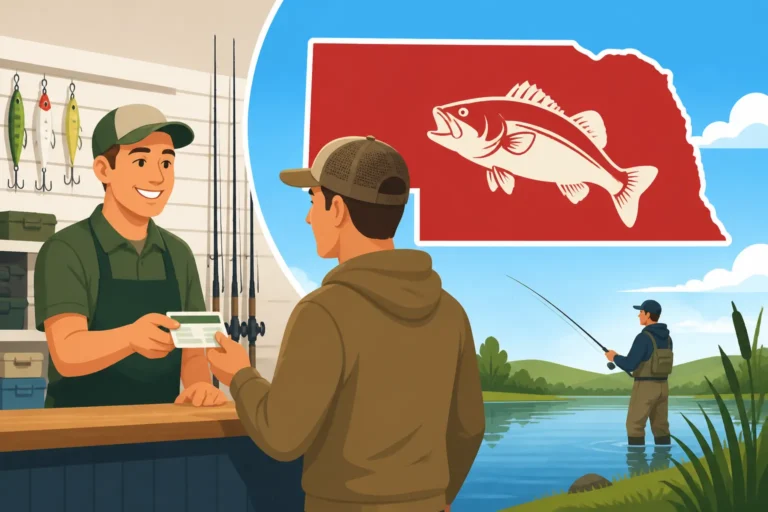
This is a recurring question. The adult mentor simply needs any valid Nebraska fishing license. This could be an annual resident fishing license, a nonresident fishing license, a 1-day permit, or even a lifetime permit. The key is that it must be current and valid for fishing in Nebraska waters. There isn't a special "mentor license" or endorsement required. The standard fishing permit is all you need to legally act as a mentor.
It’s worth noting that if you’re a Nebraska resident, an Nebraska Resident Fishing License Requirements will cover you for the entire year. If you're just visiting or want to try it out for a short period, options like a Nebraska 1-Day Fishing Permit are available. Just ensure whatever you choose, it's active and in your possession while mentoring.
What if the Youth Catches a Fish Over the Limit?
This is a fantastic "problem" to have, as it means the fishing is good and the young angler is skilled! However, it brings up an important point about regulations. Even though the youth doesn't have their own license, they are still fishing under the mentor's permit, and therefore, all bag and possession limits apply to the combined efforts of the mentor and the youth. For example, if the daily Nebraska Walleye Daily Bag Limit is four, the mentor and youth together can only keep four walleye total, not four each.
The mentor is ultimately responsible for ensuring all regulations, including size and bag limits, are followed. This is a great teaching moment to explain conservation and why these rules are in place. You can explain that while it's exciting to catch many fish, responsible anglers only keep what they need or what is legally allowed, releasing the rest to grow and reproduce. This reinforces the conservation message embedded in the program.
Can the Mentor Fish Independently While Mentoring?
This question touches on the "actively engaged" aspect. While the mentor has their own valid license and is legally able to fish, the spirit and intent of the Mentored Youth Fishing Program is for the adult to primarily focus on mentoring. If the adult is actively fishing themselves, especially if they are far from the youth or not directly involved in teaching, it could be argued that they are not fulfilling the role of an active mentor.
It's best practice for the mentor to prioritize teaching and assisting the youth. This doesn't mean you can't cast a line yourself occasionally, but your main focus should be on guiding the young angler. Think of it as a shared experience where your role is more teacher and facilitator than independent angler. The idea is to make the child's experience the central point of the outing.
Finding Mentorship Opportunities and Resources
So, you're keen on getting a young person involved in fishing through the Mentored Youth Fishing Program, but maybe you're not an experienced angler yourself, or you're looking for more structured opportunities. Or perhaps you're an experienced angler who wants to give back and become a mentor. The good news is that Nebraska offers various avenues and resources to connect potential mentors with eager young anglers and vice versa. It’s all about finding the right fit and making those connections.
Connecting with the right resources can make all the difference, transforming a casual interest into a lifelong passion. Let’s explore where you can look for support, educational materials, and even organized events designed to promote youth fishing.
Connecting with Local Fishing Clubs and Organizations
One of the best places to start looking for mentorship opportunities, or to offer your services as a mentor, is through local fishing clubs and conservation organizations. Groups like Nebraska B.A.S.S. Nation, local Trout Unlimited chapters, or even general sportsman’s clubs often have youth outreach programs or members who are passionate about introducing kids to fishing. They might organize specific youth fishing clinics or events where experienced members volunteer to mentor new anglers.
These organizations are a treasure trove of local knowledge and a fantastic way to network. They can guide you to great local fishing spots, share tips on How to Teach a Kid to Fish in Nebraska, and sometimes even provide gear for those just starting out. Attending their meetings or checking their online presence can open doors to incredible opportunities for both mentors and mentees. They're often looking for volunteers, and it's a great way to give back to the community.
Nebraska Game and Parks Commission Resources
The Nebraska Game and Parks Commission (NGPC) is the driving force behind the Mentored Youth Fishing Program, and as such, they are your primary resource for information and support. Their website, OutdoorNebraska.gov, has a wealth of information on fishing regulations, stocking reports, and often lists upcoming youth fishing events. They regularly host "Family Fun Fishing" days or "Take a Kid Fishing" events at various state parks and recreation areas, which are perfect for new anglers to experience fishing in a supervised, supportive environment.
Keep an eye on their calendar for specific events like Nebraska Free Fishing Day. These events often provide loaner rods, bait, and plenty of experienced volunteers to help teach kids. The NGPC also offers various educational materials, including the annual fishing guide, which details all the rules and regulations, as well as information on popular species like Walleye Fishing in Nebraska or Channel Catfish Fishing in Nebraska. These resources are invaluable for any aspiring or experienced angler.
Gear and Educational Materials
Getting started doesn't require a massive investment in high-end gear. For a beginner youth angler, a simple spinning rod and reel combo, some basic tackle, and a tackle box are usually all that’s needed. You can often find affordable starter kits at local sporting goods stores or through online retailers like Amazon. Look for a combo that's easy for small hands to manage, perhaps a 5 to 6-foot ultralight or light action rod.
Beyond gear, consider investing in some educational materials. There are many excellent books on Best First Fish for a Kid to Catch in Nebraska or general fishing basics that can complement the hands-on learning. Visual guides to fish identification, like those often found at local bait shops or through the NGPC, can also be a fun way for kids to learn about the different species they might encounter in Nebraska's waters. Learning about the fish before heading out, even just a little, can significantly enhance their excitement and understanding.
Disclaimer
The information provided in this article is for general guidance only and is subject to change. While we strive to provide accurate and up-to-date information, fishing regulations and program details can be updated by the Nebraska Game and Parks Commission. It is always the responsibility of the individual angler to consult the latest official Nebraska fishing regulations, available on the Nebraska Game and Parks Commission website or in their annual fishing guide, before participating in any fishing activity.