How Much a Basic Fishing Kayak Costs
It's an age-old question for many aspiring anglers in our great state of Nebraska: you see folks gliding silently across the water in their fishing kayaks, hitting those tucked-away spots, and you think, "I want to do that!" But then the reality sets in – how much does one of these things actually cost? It's a valid concern, and navigating the world of fishing kayak prices can feel a bit like paddling upstream against a strong current. This guide is here to break down the expenses, from the basic kayak itself to those essential must-have accessories, so you can plan your budget and get out on the water without breaking the bank.
What Defines a "Basic" Fishing Kayak?
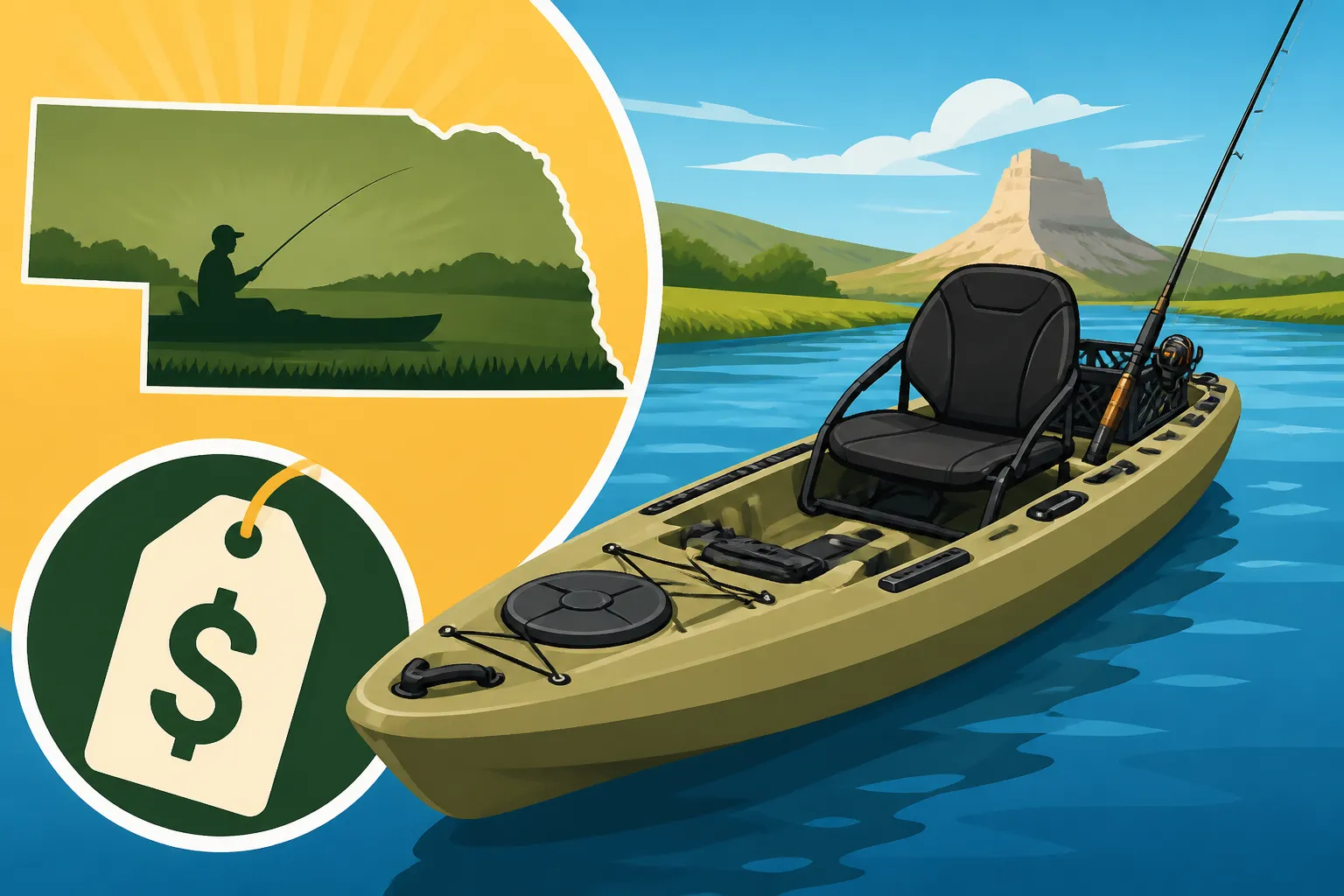
When we talk about a "basic" fishing kayak, we're not talking about the top-of-the-line models with all the bells and whistles, the ones that practically fish for you. Instead, we're focusing on entry-level models that are stable, functional, and purpose-built for angling, without excessive luxury features. These are the workhorses that get you started, perfect for exploring a quiet farm pond or hugging the shorelines of a Nebraska reservoir.
Hull Design and Stability
A fundamental aspect of any fishing kayak, especially a basic one, is its hull design, which directly impacts stability. Unlike recreational kayaks designed purely for cruising, fishing kayaks prioritize a wider, more stable platform, often at the expense of pure speed. This is crucial when you're casting, reeling in a feisty channel catfish, or reaching for your tackle box. Basic fishing kayaks typically feature a sit-on-top design, which means you're sitting on top of the kayak rather than inside it. This design is inherently more stable, easier to get in and out of, and provides more room to move around, making it a favorite for many anglers, particularly beginners. They might not cut through the water like a sleek touring kayak, but they'll keep you upright while you focus on the fish, which is what truly matters.
You'll find that these entry-level models are often made of roto-molded polyethylene, a durable and resilient plastic that can take a beating, which is perfect for dragging over rocky shores or bumping into submerged timber. While some advanced kayaks might boast pedal drives or super-lightweight materials, a basic model focuses on solid, dependable construction that will last for years with proper care. It’s all about getting a vessel that feels secure beneath you, especially if you're venturing out onto waters like Branched Oak Lake or even some of the slower stretches of the Platte River.
Seating and Comfort
Comfort is key, even in a basic fishing kayak, because let's face it, if you're uncomfortable, your fishing day is going to feel a lot longer and less enjoyable. Entry-level fishing kayaks typically come with a basic, molded-in seat or a simple, adjustable stadium-style seat. While these might not have the plush padding and intricate adjustments of higher-end models, they are designed to offer adequate support for several hours on the water. The goal here is functionality, not luxury.
Many basic models offer adjustable seatbacks and sometimes even a little bit of elevation, which can make a huge difference in reducing fatigue. You might not get a fancy high-low seating system, but a decent entry-level seat will prevent you from feeling too cramped or developing a sore back after a morning chasing walleye. If you plan on long excursions, you might consider adding a simple seat cushion or back support later, but for starting out, the included seating is usually sufficient. Remember, the focus is on getting started, and you can always upgrade components as your passion grows and your budget allows.
Storage and Features
Even a basic fishing kayak needs to carry your gear, otherwise, what's the point? These kayaks typically offer practical storage solutions without being overly complex or expensive. You'll often find a tank well area at the stern, a large open space secured with bungee cords, perfect for stashing a cooler, tackle crate, or a dry bag. Some models will include a small bow hatch or a center console for keys, phone, or other smaller items you want to keep secure and dry.
Rod holders are also standard on most fishing kayaks, even basic ones. You'll usually get a couple of flush-mount rod holders behind the seat, perfect for trolling or storing rods while paddling. Some might even have a small accessory track for mounting additional gear like a fish finder or GPS later on. While a basic kayak won't have integrated live wells, power poles, or complex electronics wiring, it will provide the essential functionality to carry your rods, tackle, and other necessities for a productive day of fishing. It's about smart, simple design that caters to the core needs of an angler.
The Price Tag: What to Expect for Entry-Level Fishing Kayaks
Alright, let's get down to brass tacks: the actual cost. It’s easy to get sticker shock when you see some of the fully rigged fishing kayaks out there, but a basic model is far more accessible than you might think. We're talking about getting you on the water, not outfitting a professional tournament angler.
New Kayak Costs (Entry-Level)
For a brand-new, entry-level fishing kayak that meets the criteria we just discussed, you can generally expect prices to start at a certain point and go up from there, depending on the brand, features, and where you buy it. These are usually 10-12 foot sit-on-top models, stable enough for most Nebraska waters, and equipped with basic fishing amenities like rod holders and decent storage. Brands commonly found in this price range are often available at larger outdoor retailers like Bass Pro Shops or online platforms like Amazon, as well as smaller local outfitters.
The real key here is distinguishing between a recreational kayak and a fishing kayak. A recreational kayak might be cheaper, but it often lacks the stability, storage, and accessory mounting options that make a fishing kayak truly functional. Investing a bit more upfront for a kayak designed specifically for fishing will save you frustration and potential upgrades down the road. Keep an eye out for sales, especially during the off-season or around major holidays, as these can offer significant savings. You're looking for value, a solid performer that won't feel like a toy on the water.
Used Kayak Options
One of the smartest ways to get into kayak fishing without breaking the bank is to explore the used market. Just like cars, kayaks depreciate, and many anglers upgrade regularly, meaning there's a steady supply of perfectly good used kayaks available. You might find a great deal on local classifieds, online marketplaces, or even through dedicated kayak fishing groups. How Much a Basic Fishing Kayak Costs for a used model can be significantly less than buying new, often allowing you to get a higher-quality kayak for an entry-level price.
When buying used, always inspect the kayak thoroughly. Look for deep gouges, cracks, or excessive warping. Check the scupper holes for damage and ensure any hatches or bungee cords are in good working order. A little wear and tear is normal, but structural damage could be a deal-breaker. Sometimes, you'll even find a used kayak that comes with some of the essential accessories, like a paddle or a life vest, further sweetening the deal. It's a fantastic way to stretch your budget and get out on the water faster.
Seasonal Sales and Deals
Timing your purchase can also lead to significant savings. Just like any outdoor gear, kayaks often go on sale during specific times of the year. Think end-of-season clearances (late fall/early winter), holiday sales (Black Friday, Memorial Day, Labor Day), or even manufacturer promotions when new models are about to be released. This is when retailers might offer tempting discounts on existing inventory.
Subscribing to newsletters from outdoor gear stores or checking their online flyers can keep you informed about upcoming sales. Sometimes, even independent outfitters will have "demo" sales where they sell off kayaks used for test paddles at a reduced price. Don't be afraid to ask about last year's models, either; often, the changes between model years are minimal, but the price difference can be substantial. Being patient and strategic can truly pay off when it comes to getting a great deal on your first fishing kayak.
Beyond the Kayak: Essential Accessories and Their Costs
While the kayak itself is the biggest expense, it's certainly not the only one. There are several other items you must have to safely and effectively enjoy kayak fishing in Nebraska. Skipping these could not only be illegal but also compromise your safety and enjoyment.
Safety Gear (PFD, Paddle)
First and foremost, safety cannot be overlooked. A U.S. Coast Guard-approved Personal Flotation Device (PFD), or life vest, is absolutely non-negotiable and legally required in most situations. Even if you're a strong swimmer, a PFD can save your life if you unexpectedly capsize in cold water or get knocked out. Entry-level PFDs designed for paddling are comfortable and allow for a full range of motion while casting. You'll find a wide range of options, but a basic, comfortable PFD will add to your overall initial investment.
Secondly, a good paddle is crucial. Your kayak won't move itself! While some kayaks might come with a basic paddle, often it's worth investing in a slightly better, lightweight, and appropriately sized paddle. A good paddle makes a world of difference in reducing fatigue, especially if you plan on covering some distance on a larger body of water like Lake McConaughy. There are different materials and blade designs, but for a beginner, an aluminum or fiberglass shaft with durable plastic blades is an excellent starting point. Don't cheap out too much here, as a terrible paddle can quickly ruin your day. Remember, per Nebraska Boat Registration and Equipment Requirements, these are essentials for any small watercraft.
Rod Holders and Storage
While many basic fishing kayaks come with a couple of flush-mount rod holders, you might find you need more specialized options depending on your fishing style. For example, a track-mounted rod holder that allows you to adjust the angle and position of your rod can be incredibly useful for trolling or holding a rod while you're busy with something else. These are relatively inexpensive additions and provide a lot of versatility.
Beyond rod holders, you'll need a way to organize your tackle. A simple milk crate or a dedicated kayak tackle crate that fits in the tank well is a popular and cost-effective solution. These can hold multiple tackle boxes, a small cooler, and other gear, keeping everything secure and accessible. Waterproof dry bags are also a smart investment for electronics, keys, and anything else you absolutely cannot get wet. When you're out there, especially on a windy day on Harlan County Reservoir, you'll appreciate having everything secured and dry.
Transportation and Launching
Getting your kayak to and from the water is often an overlooked aspect of the initial setup. Unless you live right on the water, you'll need a way to transport it. For most basic fishing kayaks, a roof rack system for your car is the most common solution. This involves crossbars and kayak cradles or J-hooks to secure the kayak safely. While the crossbars might be a larger initial cost if your vehicle doesn't have them, the kayak-specific attachments are usually quite affordable.
Once you get to the launch, especially if it's a bit of a hike from the parking lot, a kayak cart or dolly is a game-changer. These simple devices allow you to easily wheel your kayak to the water's edge, saving your back and making solo launches much more manageable. They are relatively inexpensive and worth every penny, particularly if you're exploring multiple access points. Consider this a vital piece of gear for anyone who doesn't want to wrestle their kayak every time they go fishing.
Here's a simplified breakdown of potential costs for a basic setup:
| Item | Typical New Cost Range (Estimate) | Notes |
|---|---|---|
| Basic Fishing Kayak | Medium to High | Entry-level 10-12 ft sit-on-top, new from retailers like Bass Pro Shops |
| Used Fishing Kayak | Low to Medium | Can be a great value, inspect carefully |
| PFD (Life Vest) | Low | Absolutely essential, comfortable paddling-specific vests recommended |
| Paddle | Low to Medium | Don't skimp too much; a good paddle reduces fatigue |
| Kayak Anchor | Low | For staying put, consider a grappling or mushroom anchor |
| Rod Holders (extra) | Low | If not enough integrated, track-mounted options are versatile |
| Tackle Crate/Dry Bag | Low | For organization and keeping gear dry |
| Kayak Cart/Dolly | Low to Medium | Saves your back for transport to launch |
| Roof Rack Attachments | Low (if crossbars exist) to Medium | Essential for vehicle transport, J-hooks or cradles |
Note: These are general cost indications. Always check current prices with retailers or private sellers.
Making Your Kayak Fishing Dream a Reality on a Budget
It's entirely possible to get started with kayak fishing in Nebraska without spending a fortune. The key is to be strategic, prioritize, and not be afraid to start small and build up your gear over time. This isn't about buying the most expensive gear; it's about smart choices that get you on the water safely and effectively.
Prioritizing Your Purchases
When you're first starting, focus on the absolute essentials. The kayak, a PFD, and a paddle are your core three. Everything else, while helpful, can often wait or be acquired gradually. For example, instead of a fancy fish finder, learn how to Locate Fish Without Electronics by reading the water, looking for structure, and observing baitfish. You can add a fish finder later if you find you're serious about targeting specific species in deeper water.
Think about the type of fishing you'll primarily be doing. If you're mainly fishing small, calm ponds for panfish or bass, you might not need as robust a setup as someone tackling the strong currents of the Missouri River. Prioritize gear that enhances safety and core functionality first, then consider comfort and convenience items. A good rule of thumb: if you can't fish without it, buy it first. If it just makes fishing easier or more comfortable, it can be a later addition.
DIY Solutions and Upgrades
One of the great things about kayak fishing is the vibrant community of anglers who love to customize and innovate. Many budget-conscious kayak anglers embrace DIY solutions for storage, rod holders, and even minor modifications. A simple milk crate can be transformed into a highly functional tackle management system with a few zip ties and PVC pipe sections for rod holders. You can find inspiration and tutorials for these kinds of projects all over the internet.
Don't be afraid to start with basic gear and upgrade components over time. For example, you might start with the paddle that came with a used kayak, and then after a season or two, invest in a higher-quality, lighter paddle that better suits your paddling style and the distances you cover. Or you might start with a basic seat and then purchase a premium seat cushion for added comfort later on. This phased approach allows you to spread out your costs and refine your setup as you gain experience and figure out what truly matters to you on the water.
Finding Value in the Long Run
Ultimately, investing in a basic fishing kayak and the essential gear is about finding long-term value. Unlike some hobbies, kayak fishing can be incredibly cost-effective once your initial setup is complete. You're not paying for fuel for a big boat, nor do you have the ongoing maintenance costs associated with motors and trailers. Your "fuel" is your own paddle power!
Consider the endless opportunities it opens up: exploring remote coves on Merritt Reservoir, slipping into quiet stretches of the Elkhorn River, or simply enjoying the tranquility of a local pond. The experience and memories you create are priceless. While the initial investment might seem daunting, think of it as buying access to countless hours of peace, challenge, and connection with Nebraska's beautiful outdoors. With careful planning and smart choices, your dream of kayak fishing is well within reach. Don't forget to get your Nebraska Fishing License Guide sorted before you head out!
Disclaimer
This article is for general informational purposes only and does not constitute professional advice. Laws, prices and regulations vary by location and change over time. Consult a qualified professional for guidance on your specific situation.