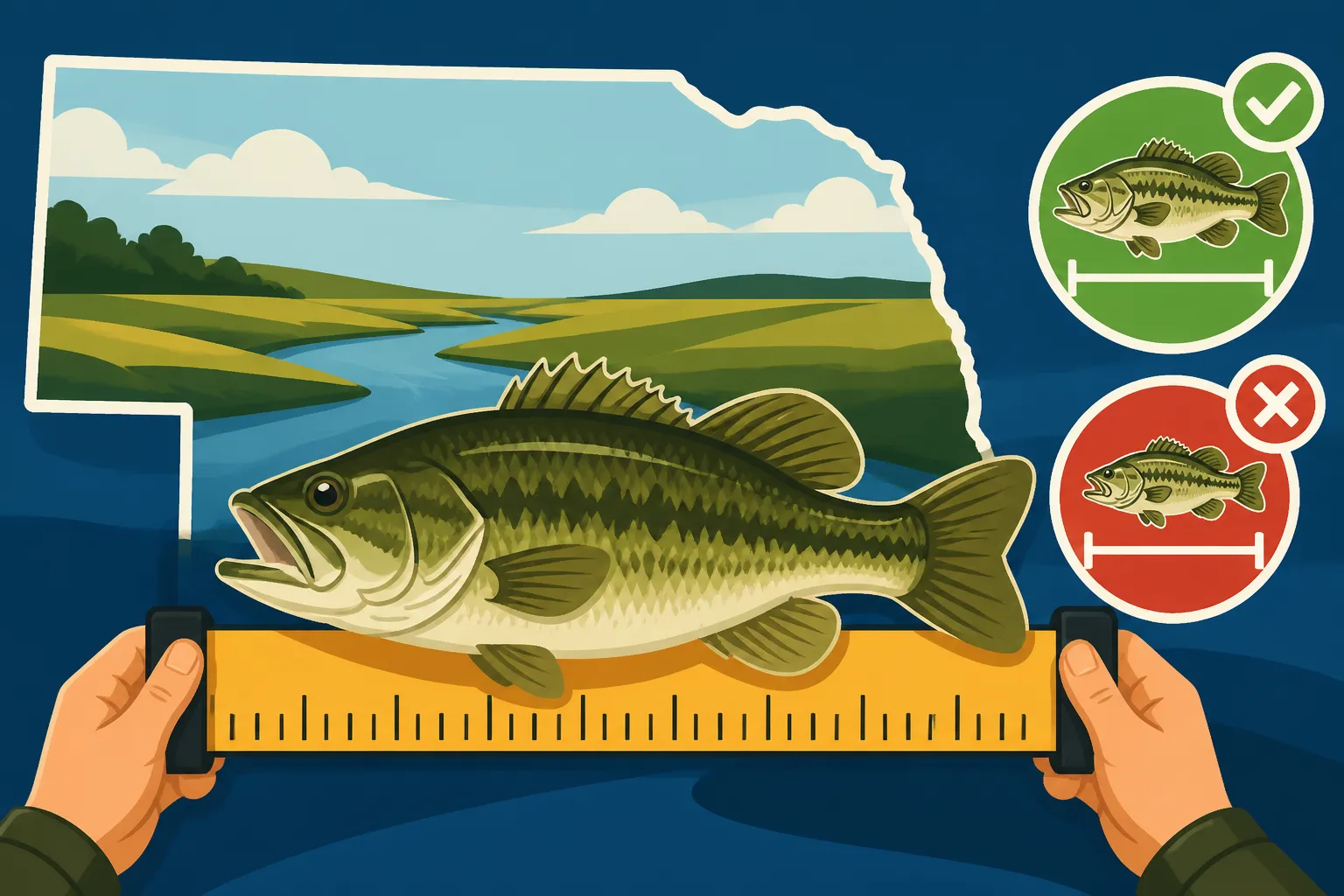
Nebraska Bass Length Limits
It's incredibly frustrating, isn't it? You spend all that time on the water, finally hook into a beautiful bass, and then a wave of doubt washes over you: Can I keep this one? Is it too short, too long? Does this lake have special rules? Nebraska's fishing regulations, particularly for bass length limits, can feel like a labyrinth if you don't know where to look. This comprehensive guide is here to untangle that confusion, giving you the clear, actionable information you need to understand and confidently abide by the bass length limits across the Cornhusker State.
Understanding Nebraska's Bass Regulations
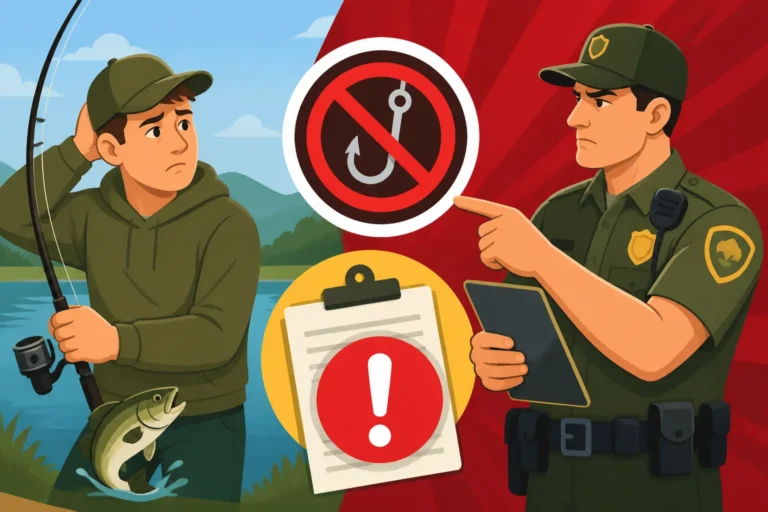
When it comes to fishing in Nebraska, understanding the "rules of the road" is just as crucial as knowing your favorite lures or secret fishing spots. Bass, being one of the most popular game fish, are often subject to specific regulations designed to ensure healthy populations and quality fishing experiences for everyone. Ignoring these rules, even unintentionally, can lead to fines and the loss of your catch, which is the last thing any angler wants after a successful day.
The Nebraska Game and Parks Commission (NGPC) is the authority behind these regulations, constantly monitoring fish populations and habitats to make informed decisions. They balance the joy of harvesting fish with the critical need for conservation, ensuring that future generations can enjoy the same fantastic fishing opportunities we do today. This dynamic approach means regulations can sometimes change, so staying informed is paramount. For a broader understanding of all the rules, it’s always a good idea to check out the Nebraska Fishing Regulations Explained article.
The "Why" Behind Length Limits
You might wonder why these length limits exist in the first place. It's not just to make things complicated, I promise! The primary goal of bass length limits is conservation and the enhancement of fishing quality. Think of it like managing a garden: you don't want to harvest all your small plants before they have a chance to grow, and you also want to ensure enough mature plants are left to reseed for the next season.
For bass, especially Largemouth Bass, length limits often involve what's called a "protected slot limit." This strategy aims to protect a certain size class of fish, typically medium-sized individuals, allowing them to grow larger and contribute to the breeding population. By encouraging anglers to harvest smaller fish and release larger, more mature fish (often trophy-sized), as well as the protected slot fish, it helps improve the overall size structure of the bass population in a given water body. This leads to more big fish for everyone to enjoy catching, and a stronger genetic pool for future generations of bass. It’s a win-win for the fish and the angler!
Common Bass Species in Nebraska
Nebraska's waters are home to several species of bass, each with its own characteristics and, sometimes, specific regulations. The most commonly targeted and regulated bass species here are the Largemouth Bass and the Smallmouth Bass. While you might occasionally encounter a Spotted Bass in some of the southeastern waters, they are less prevalent and typically fall under the same general regulations as Largemouth Bass unless otherwise specified.
The Largemouth Bass ( Micropterus salmoides) is arguably the most recognized bass, found in nearly every warm-water lake, pond, and slow-moving river throughout the state. They love structure – weed beds, submerged timber, docks – anything they can ambush prey from. The Smallmouth Bass (Micropterus dolomieu), often called "bronzebacks," prefer cooler, clearer water with rocky bottoms and current, making them common in rivers like the Niobrara and Missouri, and some deeper reservoirs. Knowing which species you've caught is the first step in applying the correct length limit. If you're keen on learning more about them, dive into our articles on Nebraska Largemouth Bass Fishing and Nebraska Smallmouth Bass Fishing.
Statewide Largemouth Bass Length Limits
The Largemouth Bass is a staple for many Nebraska anglers, and consequently, its regulations are often the most detailed. While specific lakes will have their own unique rules (which we'll get into), there are general statewide guidelines that apply to waters without special designations. Always consult the current regulations booklet, but this section will give you a solid foundation.
General Statewide Rules
For the vast majority of lakes, ponds, and reservoirs in Nebraska not listed with special regulations, the statewide Largemouth Bass length limit is straightforward: there is no minimum length limit. This means you can keep any legal-sized Largemouth Bass you catch, as long as you adhere to the daily bag and possession limits. This general rule aims to allow anglers to harvest fish from waters where populations are robust and overharvest is not a significant concern.
However, it's crucial to remember that "no minimum length limit" doesn't mean no limit. It refers specifically to the length. The daily bag and possession limits still apply. For instance, if the daily bag limit is five bass, you can keep five bass of any length from these general waters. It’s always tempting to keep a nice meal, but consider the health of the fishery. Sometimes, releasing a medium-sized fish can contribute more to the overall fishery in the long run.
"Protected Slot Limit" Explained
Now, this is where things can get a little more nuanced, and it’s critical to pay attention. Many of Nebraska's prime bass fisheries utilize a "protected slot limit" for Largemouth Bass. This regulation means that bass within a certain size range must be immediately released. Anglers are typically allowed to keep bass under the slot and/or over the slot.
For example, a common protected slot limit might be "15-21 inches." This means any Largemouth Bass you catch that measures exactly 15 inches up to, but not including, 21 inches, must go back into the water. You can keep bass that are less than 15 inches (referred to as "sub-slot") and bass that are 21 inches or greater (referred to as "over-slot"). The idea is to remove smaller, more abundant fish, and protect the mid-sized fish so they can grow into larger, trophy-quality bass and reproduce more effectively. This ensures a balanced fishery with a good mix of sizes. Ignoring a slot limit can result in significant penalties, so it’s vital to know if the lake you’re fishing has one.
Daily Bag and Possession Limits
Beyond length, the number of bass you can keep is also strictly regulated. Daily bag limits refer to the maximum number of fish you can harvest in one calendar day. Possession limits refer to the maximum number of fish you can have in your possession at any given time, whether they are in your livewell, cooler, vehicle, or freezer at home. For most bass species in Nebraska, the general statewide daily bag limit is 5 bass, and the possession limit is 10 bass.
It’s important to note that these limits are often combined for all bass species, meaning you can't keep 5 Largemouth and 5 Smallmouth if the combined limit is 5. Always check the specific regulations for the water body you're fishing, as these numbers can change, especially on waters with special length limits. For a more comprehensive look at various fish species, our Nebraska Fishing Daily Bag and Possession Limits article covers all the essentials. Always count your catch carefully to avoid exceeding these limits, which is a common (and costly) mistake.
Specific Water Body Regulations for Bass
While statewide regulations provide a baseline, many of Nebraska's premier fishing destinations have unique rules tailored to their specific ecosystems and management goals. These are often the places where trophy bass fishing is pursued, and the rules are designed to protect and enhance those opportunities.
Notable Largemouth Bass Lakes with Special Rules
Many of Nebraska's most popular lakes feature special slot limits or different bag limits for Largemouth Bass. It's crucial to check the specific body of water before you cast your line. Here are a few examples of well-known lakes with specific bass regulations that often utilize protected slot limits:
- Branched Oak Lake: Located near Lincoln, Branched Oak is a fantastic fishery but is known for its protected slot limits on Largemouth Bass. Typically, this means bass within a specific size range (e.g., 15-21 inches) must be released. You can keep fish under or over this slot. This regulation helps maintain a healthy population of larger bass. If you're heading there, our Branched Oak Lake Fishing Guide has more detailed information.
- Merritt Reservoir: Up in the Sandhills, Merritt is a pristine spot that also often employs special bass regulations, sometimes including reduced bag limits or slot limits to preserve its quality fishery. These rules are vital for protecting the breeding stock in such a remote and productive lake.
- Other Lakes: Many smaller lakes, state recreation areas, and city park ponds are managed under specific rules. For example, some urban ponds managed by the Nebraska Urban Fishing Program might have different catch-and-release rules or specific length limits to provide family-friendly fishing opportunities. Always assume there might be a special regulation unless explicitly stated otherwise.
These special regulations are put in place for a reason – to create better fishing for everyone. It might seem like a hassle to remember different rules for different lakes, but the reward is often a more vibrant and exciting fishing experience with the chance to catch larger, healthier fish.
Smallmouth Bass Regulations in Rivers and Lakes
Smallmouth Bass, with their preference for clearer, rocky habitats and flowing water, are found in different environments than their largemouth cousins, and their regulations can reflect this. While the general statewide bag and possession limits usually apply (5 daily, 10 possession), length limits can vary significantly by water body.
- Missouri River: The vast Missouri River, which forms Nebraska's eastern border, is a prime location for Smallmouth Bass. Regulations for the Missouri River and its border waters can be complex due to reciprocity agreements with neighboring states like Iowa and Missouri. Often, the length limits for smallmouths here might differ from inland lakes, sometimes having a minimum length or a protective slot. It's essential to consult the specific "Missouri River Border Water Fishing License Rules" section in the official regulations booklet. Our Missouri River Fishing in Nebraska article can give you a head start on what to expect.
- Niobrara River: A designated National Scenic River, the Niobrara offers incredible smallmouth fishing opportunities. Due to its unique ecosystem and conservation efforts, it might also have special length or bag limits for smallmouths. These are designed to protect the wild, self-sustaining populations in this beautiful river. Always check the specific section for the Niobrara in the NGPC guide.
- Lewis and Clark Lake: This large reservoir on the Missouri River system is another hotspot for Smallmouth Bass. Similar to the Missouri River, its size and border water status (with South Dakota) can influence its specific regulations. Often, you'll find minimum length limits here to protect growing fish. Our Lewis and Clark Lake Fishing Guide will provide valuable insights into fishing this incredible body of water.
Unique Regulations for Spotted Bass
Spotted Bass, sometimes confused with Largemouth Bass due to their similar appearance, are less common in Nebraska but can be found in some southeastern streams and reservoirs. Generally, where Spotted Bass are present, they fall under the same regulations as Largemouth Bass unless a specific water body explicitly states otherwise. The NGPC typically groups "black bass" (Largemouth, Smallmouth, Spotted) together for bag and possession limits, but always double-check if a unique length limit is specified for Spotted Bass in a particular area. As of my last check, most specific length limits in Nebraska target Largemouth and Smallmouth due to their prevalence and popularity.
| Water Body | Species | Length Limit Type | Specific Limit Example | Daily Bag Limit | Notes |
|---|---|---|---|---|---|
| Most Statewide Waters | Largemouth Bass | No Minimum | N/A | 5 | Applies unless specific regulations are listed for water. |
| Branched Oak Lake | Largemouth Bass | Protected Slot | Release 15-21 inches | 5 (sub/over-slot) | Protects breeding-size fish. |
| Merritt Reservoir | Largemouth Bass | Varies/Protected Slot | Check current regulations | Varies | Often aims for trophy management. |
| Missouri River (Border) | Smallmouth Bass | Minimum Length | Check current regulations | 5 (combined bass) | Subject to border water agreements. |
| Niobrara River | Smallmouth Bass | Varies/Minimum Length | Check current regulations | 5 (combined bass) | Protects native populations in specific zones. |
| Lewis and Clark Lake | Smallmouth Bass | Minimum Length | Check current regulations | 5 (combined bass) | Often 12-15 inch minimum to promote growth. |
Note: This table provides examples and general information. Always refer to the most current Nebraska Game and Parks Commission Fishing Guide for precise and up-to-date regulations.
Measuring Your Catch Accurately and Legally
You've done your homework, you know the limits for your chosen lake, and now you've got a fish on the line. The moment of truth arrives: is it a keeper? Measuring your bass accurately isn't just about adhering to the rules; it's also about ethical angling and making sure you don't inadvertently harm a fish by misjudging its size. A few inches, or even fractions of an inch, can make all the difference.
Mis-measuring can lead to an illegal harvest or, conversely, releasing a legal fish you wanted to keep. The key is consistency and understanding the precise method required by the Nebraska Game and Parks Commission. This might seem like a small detail, but it's one that conservation officers pay close attention to, and getting it wrong can still result in a citation.
The Proper Measuring Technique
The standard technique for measuring fish length in Nebraska, and indeed most places, is crucial to follow. Here’s how it’s done to ensure accuracy and compliance:
- Mouth Closed: The fish's mouth must be completely closed. Don't stretch the jaw open; let it rest naturally. This sets the starting point for your measurement.
- Laying Flat: Lay the fish flat on its side on a measuring device. A bump board or a straight ruler is best.
- Against the Bump/Start: The fish's snout, with the mouth closed, should be pressed firmly against the "bump" or the zero mark of your measuring device.
- Tail Pinched: Gently pinch the tail fin lobes together to maximize the length, and read the measurement at the furthest tip of the tail. Don't be aggressive or overly squeeze the fish, but ensure the tail is extended as far as it can naturally go.
It's not about guessing or estimating. If a fish is borderline, it's always best to err on the side of caution and release it. Remember, these fish are a resource we all share, and responsible handling and measurement ensure their survival and the health of the fishery.
Essential Measuring Tools
Having the right tools makes accurate measuring quick and stress-free. Forget trying to use your fishing rod or a shaky tape measure; dedicated fish measuring devices are inexpensive and invaluable.
- Bump Boards: These are arguably the best tool for accurate measurement. A bump board has a fixed end (the "bump") against which you press the fish's mouth, and a clear ruler extending from it. This eliminates guesswork about where to start measuring. They often float, which is a huge bonus if you accidentally drop one overboard! You can find a wide variety of durable, easy-to-read bump boards on platforms like Amazon, perfect for any type of bass.
- Flexible Measuring Tapes/Rulers: While less ideal than a bump board for precise, consistent measurements, a flexible, waterproof measuring tape can work in a pinch, especially for larger fish. Ensure it's clearly marked and easy to read even when wet. Just remember the "mouth closed, tail pinched" rule applies no matter what tool you use.
- Smart Phones (with caution): There are apps available that claim to measure fish, but these should be used with extreme caution and never as a primary legal measurement. They can be fun for estimating or photo-taking, but official regulations always require a physical measurement.
Invest in a good quality measuring device. It's a small investment that pays off by saving you potential headaches and ensuring you're a responsible angler. Plus, it makes it easier to quickly get the fish back in the water if it's not a keeper, minimizing stress on the fish.
Navigating Regulation Changes and Resources
Just like the weather in Nebraska, fishing regulations can and do change. What was legal last year might not be this year, or a specific lake's rules could be updated based on population surveys. The worst feeling is getting a citation because you were fishing under outdated information. Staying on top of these changes is a fundamental part of being a responsible angler.
The Nebraska Game and Parks Commission is dedicated to transparent communication of these rules, but it's ultimately up to each angler to seek out and understand the current regulations. Don't rely solely on what you think you remember or what a buddy told you. Always verify. This proactive approach ensures you're compliant and helps you enjoy your time on the water without worry.
Where to Find the Latest Nebraska Fishing Regulations Explained
The best and most reliable source for up-to-date Nebraska fishing regulations is always the Nebraska Game and Parks Commission itself. They put out a comprehensive guide annually, and it's your go-to reference.
- Official NGPC Website: The Nebraska Game and Parks Commission website (OutdoorNebraska.gov) is the digital hub for all regulations. You can find and download the current year's Fishing Guide, often broken down into easily navigable sections. This is perhaps the quickest way to get the most recent information.
- Printed Fishing Guide: Every year, the NGPC publishes a physical "Nebraska Fishing Guide." These booklets are available for free wherever Where to Buy a Nebraska Fishing License – bait shops, sporting goods stores, county treasurers, and NGPC offices. Keep one in your tackle box, boat, or vehicle. It’s a great idea to grab one at the start of each fishing season, as changes are often highlighted. Our article Where to Find the Nebraska Fishing Regulations Booklet has more details on this essential resource.
- GoOutdoorsNE Mobile App: The GoOutdoorsNE platform, available via web and mobile app, is becoming an increasingly important resource. Not only can you buy your fishing license online through GoOutdoorsNE Online Permit System, but the app also often provides digital access to the regulations, making it convenient to check rules right on the water from your phone.
Remember, ignorance of the law is not an excuse. Taking a few minutes to review the regulations for your chosen body of water can save you a lot of trouble and ensure your fishing trip is enjoyable and legal.
Penalties for Violations
It's easy to dismiss regulations as minor details, but violating fishing laws, including bass length limits, can carry serious consequences. Nebraska's Game and Parks Commission takes conservation seriously, and their conservation officers are out there to enforce these rules.
Penalties for fishing violations can range from monetary fines to the loss of your fishing equipment, forfeiture of your catch, and even the suspension of your fishing privileges. The specific penalty often depends on the severity of the violation, whether it's a first offense, and the type of fish involved. For instance, knowingly keeping over-limit fish or fish from a protected slot limit can result in higher fines and more severe consequences than a minor, unintentional oversight. If you're curious about the specifics, our Nebraska Fishing Violation Penalties article goes into more detail.
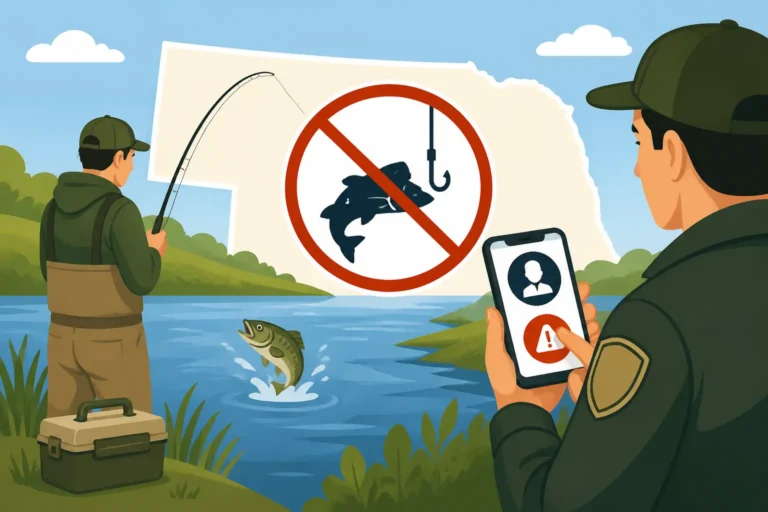
If you suspect a violation or witness illegal fishing activities, it's important to report it. You can contact the NGPC or the local conservation officer. Ensuring fair and legal fishing practices helps protect the resource for everyone.
Remember, fishing is a privilege, not a right. By respecting the regulations, staying informed, and practicing ethical angling, we all contribute to the long-term health and enjoyment of Nebraska's fantastic bass fisheries. Happy fishing, and may your lines be tight with legal-sized bass!
Disclaimer
The information provided in this guide is for general informational purposes only and is subject to change. While we strive to offer accurate and up-to-date content, fishing regulations, laws, and policies are dynamic. It is the sole responsibility of each individual angler to consult the most current official Nebraska Game and Parks Commission Fishing Guide or website before engaging in any fishing activities to ensure full compliance with all applicable rules and regulations.