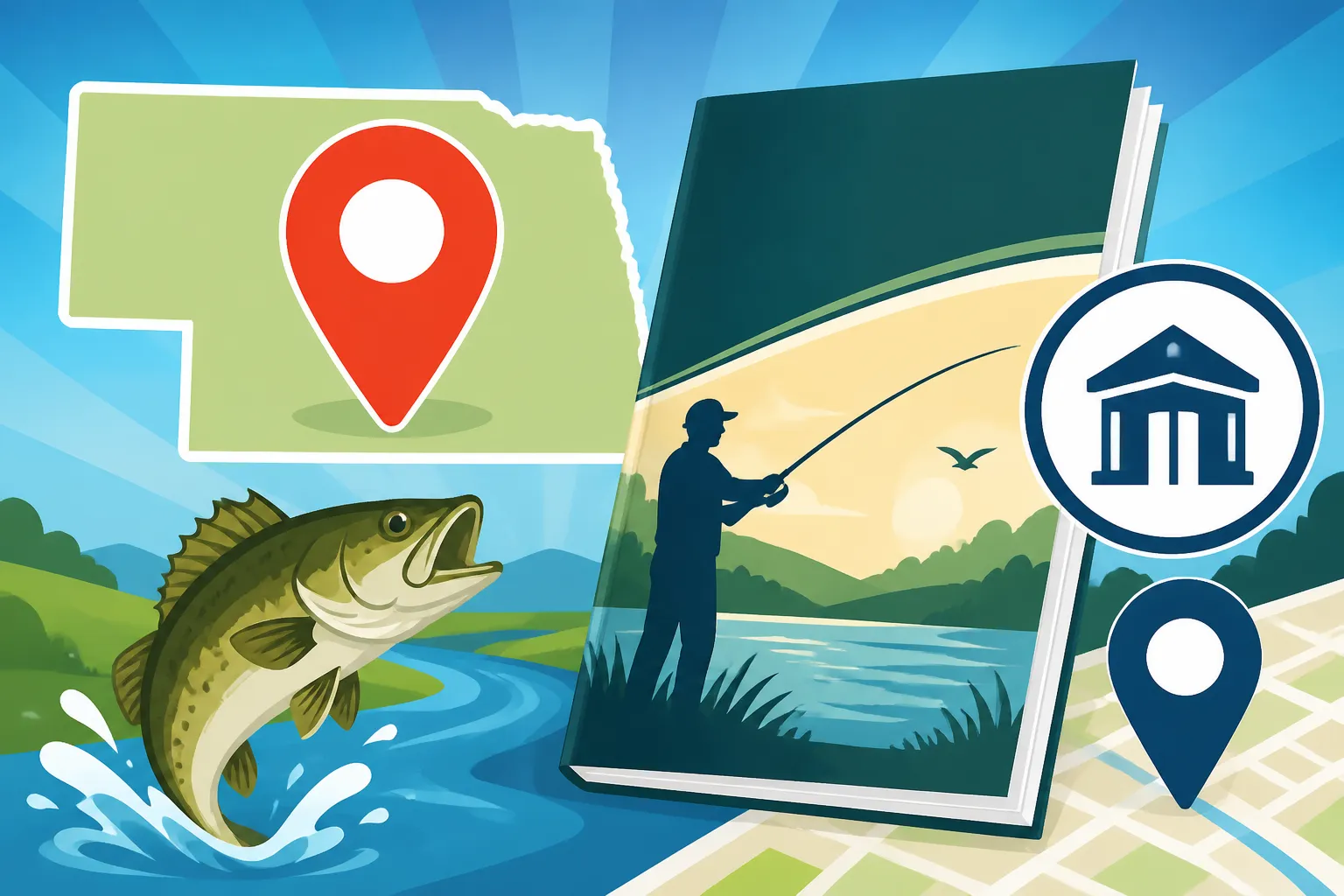
Where to Find the Nebraska Fishing Regulations Booklet
It's incredibly frustrating when you're trying to do everything right, you've got your gear ready, your Nebraska Fishing License Guide is in hand, but you can't for the life of you track down the definitive, official source for all the current Nebraska fishing rules. You want to make sure you're compliant, not just guessing. This comprehensive guide will walk you through exactly where to find the official Nebraska Fishing Regulations Booklet, both online and in print, and explain why having it is so crucial for any angler in the Cornhusker State.
Why the Official Regulations Booklet is Your Best Friend on the Water
Before you even think about casting a line, understanding the rules and regulations is paramount. It’s not just about avoiding a fine; it’s about participating responsibly in the conservation efforts that keep Nebraska's fisheries healthy and thriving for everyone.
Avoiding Costly Mistakes and Confusion
Imagine spending a beautiful Saturday morning on Lake McConaughy, catching a mess of walleye, only to find out later you unknowingly violated a length limit or caught more than the daily possession limit. That sinking feeling in your stomach is something no angler wants to experience. The official regulations booklet, specifically the document titled something like "Nebraska Fishing Guide" or "Fishing Regulations," is your ultimate cheat sheet. It lays out all the rules in clear, concise language, eliminating guesswork.
Without it, you might rely on outdated information from a friend, a random forum post, or even last year's regulations booklet. Trust me, regulations can change, and what was legal last year might not be this year. For instance, specific lakes might have unique slot limits for bass, or the statewide Nebraska Walleye Bag Limits might have been adjusted. These aren't minor details; they are legally binding rules. Having the current booklet ensures you're always on the right side of the law, preventing potential fines or even the loss of your fishing privileges. It's a small investment in time that pays off big in peace of mind.
Understanding the "Why" Behind the Rules
Fishing regulations aren't just arbitrary rules designed to make your life harder. They are carefully crafted by the Nebraska Game and Parks Commission (NGPC) based on scientific data, population surveys, and conservation goals. When you read through the booklet, you'll start to understand the "why" behind specific rules. For example, length limits for species like largemouth bass are often designed to protect juvenile fish so they can grow to reproductive age, ensuring future generations. Slot limits, where you can only keep fish below or above a certain size, aim to protect the prime breeding stock in a fishery.
Possession limits, which dictate how many fish you can have on hand, help distribute the harvest among more anglers and prevent overfishing of popular species. Understanding these ecological principles makes you a more informed and responsible angler. You'll appreciate that the rules are there to maintain the health and sustainability of Nebraska's diverse aquatic ecosystems, from the clear waters of Merritt Reservoir to the sprawling expanse of the Platte River. This deeper understanding enhances your entire fishing experience, connecting you more closely to the natural resources you enjoy.
The Dynamic Nature of Fishing Laws
One of the most critical reasons to always consult the current official regulations booklet is that fishing laws are not static. They can, and often do, change. The NGPC annually reviews and updates regulations, typically for the new permit year which usually begins on January 1st. Sometimes, emergency regulations might even be put into effect mid-season due to unforeseen circumstances, like a drought impacting a specific fishery or a sudden decline in a fish population.
Relying on an old booklet, or information you heard years ago, is a recipe for trouble. For instance, a particular lake might have introduced a special trout management regulation, or the Nebraska Fishing Season Dates and Limits for paddlefish snagging could have shifted. The official booklet is the definitive word, incorporating all the latest amendments and changes. Think of it as your yearly fishing almanac, constantly updated to reflect the most current state of affairs. Always double-check, especially if it's been a while since you last hit the water or if you're exploring a new fishing destination.
Where to Get Your Hands on the Nebraska Fishing Regulations Booklet
Now that we've established why it's so important, let's talk about where you can actually find this essential document. Thankfully, the NGPC makes it quite accessible for everyone.
Online Access: Your Digital Lifeline
In today's digital age, the easiest and often quickest way to get the most current Nebraska fishing regulations is online. The Nebraska Game and Parks Commission website is the official hub for all things outdoors in the state, and that includes the regulations.
You'll want to head over to their official site (usually ngpc.ne.gov) and look for a section dedicated to "Fishing" or "Regulations." They typically provide a downloadable PDF version of the complete "Nebraska Fishing Guide" or "Regulations Booklet." This digital version is fantastic because:
- It's always current: The NGPC updates the PDF as soon as new regulations are finalized, often even before physical copies are widely distributed.
- Convenience: You can download it to your smartphone, tablet, or laptop. This means you have the entire rulebook in your pocket, ready to reference instantly while you're out on the water, even without an internet connection if you've saved it. No more frantic calls to friends or debates about length limits.
- Searchable: A PDF document allows you to use keyword searches, making it incredibly fast to find specific rules for a particular species like Nebraska Crappie Bag Limits or a specific body of water.
- Printable: If you prefer a physical copy, you can easily print out the entire booklet or just the relevant pages for your trip at home.
The NGPC site also offers a wealth of other useful information, including details on how to use the GoOutdoorsNE Online Permit System to purchase your fishing license and stamps. Make it a habit to bookmark the regulations page and check it at the beginning of each year, or before any major fishing trip to an unfamiliar area.
In-Person Pickup: The Traditional Route
For those who prefer a tangible copy or simply enjoy the ritual of picking one up, there are plenty of physical locations where you can grab a free Nebraska Fishing Regulations Booklet.
- Nebraska Game and Parks Commission Offices: All regional and district NGPC offices throughout the state will have stacks of the current year's booklet available. If you're near Lincoln, Omaha, Kearney, North Platte, or Scottsbluff, you can usually stop in during business hours.
- Bait and Tackle Shops: This is often the most popular spot for anglers. Local bait and tackle shops are usually well-stocked with the latest regulations booklets. These folks are often avid anglers themselves, so grabbing a booklet here might also lead to some invaluable local tips on what's biting and where. This is also one of the prime locations for Where to Buy a Nebraska Fishing License.
- Sporting Goods Stores: Larger retailers like Cabela's and Scheels, which have a significant presence in Nebraska, are reliable sources for the regulations booklet. Head to their fishing department, and you'll almost certainly find a display.
- County Clerks and Permit Vendors: Many businesses authorized to sell fishing permits, such as certain gas stations, convenience stores, and even some grocery stores, will also have the free regulations booklets on hand. If you're purchasing your Nebraska Annual Fishing Permit or a short-term license, just ask for a copy of the regulations.
Picking up a physical copy has its own charm. You can dog-ear pages, highlight important sections, and it's always ready, even if your phone battery dies. Plus, it's a good excuse to browse for new lures or chat with other anglers.
Looking Beyond Official Channels: What to Watch Out For
While the internet is a fantastic resource, it's also a double-edged sword when it comes to official regulations. You might encounter third-party fishing apps, blogs, or forums that attempt to summarize or explain Nebraska's fishing rules. While these can be helpful for general information or discussions, they should never be your primary source for current, legally binding regulations. Information can be misinterpreted, outdated, or simply incorrect.
Similarly, be wary of older, unofficial printed guides or even commercial fishing books you might find on platforms like Amazon. While Amazon is an excellent place to find all sorts of fishing gear, books on fishing techniques, or even specific lures you need for Walleye Fishing in Nebraska, it is not where you'll find the official, annually updated Nebraska Fishing Regulations Booklet. That document is distributed free by the state. Always default to the NGPC website or a current physical copy directly from an official distributor. Your best bet for accuracy is always the source itself.
Navigating the Booklet: Key Sections to Pay Attention To
Once you have the Nebraska Fishing Regulations Booklet in hand, whether digital or physical, it can sometimes feel a bit overwhelming with all the text and tables. But don't fret! There are a few core sections that every angler should prioritize and understand thoroughly.
General Regulations for All Waters
This section is your foundation. It covers the universal rules that apply across virtually all public fishing waters in Nebraska, unless specifically stated otherwise. Pay close attention to:
- Number of Poles/Lines: Nebraska has specific rules about how many lines an individual angler can actively use at one time. This often changes slightly depending on whether you're fishing open water or ice fishing.
- Legal Hours: While most fishing is allowed 24/7, there might be specific exceptions, especially for certain species or in particular state park areas.
- Protected Species: The booklet will clearly list any species that are entirely protected and cannot be harvested, or those that have very strict rules.
- Live Baitfish Regulations: There are often rules about what baitfish can be used, where they can be collected, and where they cannot be transported to prevent the spread of diseases and invasive species. This is crucial for anyone who likes to use live minnows.
- Aquatic Habitat Stamp and Invasive Species Stamp: Beyond your basic fishing license, you'll learn about additional required stamps like the Nebraska Aquatic Habitat Stamp Explained or the Aquatic Invasive Species Stamp, which are vital for supporting conservation efforts.
Familiarizing yourself with these general rules, often found near the front of the booklet or in a dedicated "General Regulations" chapter, will save you a lot of trouble and ensure you have a good grasp of the basic legal framework for fishing anywhere in Nebraska. You can always check the full Nebraska Fishing Daily Bag and Possession Limits in this section too.
Species-Specific Rules: Know Your Limits
This is where things get really specific and often vary significantly. Nebraska manages different fish populations differently to ensure their health and provide quality angling opportunities. You'll find detailed sections for popular game fish, outlining their specific bag limits, possession limits, and length limits.
- Bag Limits: This is the maximum number of a particular species you can keep in a single day. For instance, Nebraska Walleye Bag Limits might be different from Nebraska Catfish Bag Limits.
- Possession Limits: This refers to the total number of fish you can have on your person, in your cooler, or in your vehicle, whether fresh or processed. It's often twice the daily bag limit but can vary.
- Length Limits: These are critical.
- Minimum Length: You must release any fish shorter than a specified length. This protects younger fish.
- Maximum Length: Sometimes, very large fish (often prime breeding stock) must be released.
- Slot Limits: This is a combination rule. You might have to release fish within a certain size "slot" (e.g., all bass between 15-20 inches must be released), but you can keep fish both smaller and larger than the slot. This helps maintain a balanced population.
- You'll find detailed tables and descriptions for species like walleye, largemouth bass (Nebraska Bass Length Limits), channel catfish, crappie, northern pike, and trout. Understanding these variations is vital to avoid violations.
To help illustrate, here's a simplified example of how some species-specific rules might look (always refer to the official current booklet for exact, up-to-date figures):
| Fish Species | Daily Bag Limit | Possession Limit | Length Limit Examples | Notes |
|---|---|---|---|---|
| Walleye | 4 | 8 | None under 15 inches | Some waters may have higher minimums or slot limits. |
| Largemouth Bass | 5 | 10 | None under 15 inches | Many urban ponds & specific lakes have specific slot limits. |
| Channel Catfish | 10 | 20 | No size limit on general waters | Some specific lakes might have a 12-inch minimum. |
| Crappie | 15 | 30 | None under 9 inches | Often no minimum size, but some lakes may implement one. |
| Rainbow Trout | 5 | 10 | None under 10 inches | Special regulations exist for trout streams. (See Nebraska Trout Stamp Requirements) |
Note: This table is for illustrative purposes only. Always consult the current official Nebraska Fishing Regulations Booklet for the most accurate and up-to-date information.
Waterbody-Specific Regulations: The Fine Print
Beyond the general and species-specific rules, Nebraska has a vast array of lakes, reservoirs, rivers, and ponds. Many of these individual waterbodies have their own unique regulations that supersede the general rules. This section is often one of the trickiest to navigate but is incredibly important.
For example:
- A specific reservoir might have a completely different slot limit for walleye than the statewide rule, or it might be catch-and-release only for certain species.
- Urban fishing ponds, part of the NGPC's community fishing program, often have simplified regulations (e.g., "any two fish" daily limit) to encourage participation.
- Trout streams or specifically managed lakes (like Lake Ogallala below Lake McConaughy's Kingsley Dam) will have very specific rules regarding tackle, bait, and harvest limits for trout.
- Some Nebraska State Park Fishing Permit Rules may apply within state recreation areas, requiring additional knowledge beyond just the fish regulations.
- The Missouri River border waters have special reciprocity agreements with neighboring states like Iowa, meaning you might be able to fish with either state's license, but rules still apply.
Always check the section in the booklet that lists specific waters by name. If you're fishing a new lake, pond, or river, this is the section you absolutely must check. Failing to do so can easily lead to unintentional violations. The Nebraska Fishing Regulations Explained page on the NGPC website often highlights these special rules as well.
Integrating the Regulations into Your Fishing Routine
Making the regulations booklet a regular part of your fishing routine is easier than you think and will ultimately make you a more confident and successful angler.
Pre-Trip Planning and Checks
Before you even load your rods into the truck, a quick regulations check should be part of your planning process. This is especially true if you’re heading to a body of water you haven’t fished before, or if it’s been a while since your last trip.
- Consult the Digital Copy: With the regulations downloaded to your phone or tablet, it takes mere seconds to open the PDF and search for the specific lake or species you're targeting. Are there any new length limits for that particular reservoir's bass? Has the daily bag limit for catfish on that river changed? A quick check can answer these questions.
- Review Your Target Species: If you're specifically going after walleye, quickly review the Nebraska Walleye Daily Bag Limit and any specific size restrictions for the body of water you'll be fishing. Similarly, if you're targeting panfish, confirm the Nebraska Crappie Daily Limit.
- Plan Your Gear Accordingly: Sometimes regulations dictate the type of gear you can use (e.g., artificial lures only in certain trout streams). Knowing this beforehand will prevent you from bringing the wrong tackle.
Making this a habit, just like checking the weather or charging your trolling motor battery, will ensure you're always prepared and compliant.
On-the-Water Reference
Even with pre-trip planning, situations arise on the water where you might need to quickly consult the regulations. Maybe you caught a fish that looks borderline on a length limit, or perhaps a curious game warden stops by for a friendly chat.
- Physical Copy in Your Tackle Box: Many seasoned anglers keep a small, laminated physical copy of the essential pages (like the daily bag/length limits) right in their tackle box or boat's glove compartment. This provides immediate access, even if your phone battery dies or you're in an area with no signal.
- Digital Access on Your Device: For many, the digital PDF on a smartphone is perfect. You can quickly pull it up, scroll to the relevant section, and confirm a rule in real-time. This is particularly handy if you’re fishing with friends and a debate starts about a specific regulation!
Being able to confidently show an officer the exact rule in the official booklet not only demonstrates your responsibility but also resolves any ambiguities quickly and professionally.
Staying Updated Annually
As mentioned, regulations are dynamic. The best way to stay informed about changes is to make it a point to acquire the new regulations booklet every year.
- Early Year Check: Around January 1st, or shortly after, is usually when the new regulations are released. Check the NGPC website for the updated PDF or visit your local bait shop to grab a fresh physical copy.
- Sign Up for NGPC Alerts: The Nebraska Game and Parks Commission often offers email newsletters or alert systems. Signing up for these can notify you directly when new regulations are released or if any in-season changes occur. This is an excellent way to keep your knowledge current without constantly having to remember to check manually.
- Nebraska Fishing License Renewal: When you renew your annual fishing permit, whether online or in person, take that opportunity to grab the newest regulations booklet. Often, the online system or physical vendor will direct you to it.
By adopting these simple practices, you'll always be an informed and responsible angler, contributing to the healthy future of Nebraska's incredible fishing resources. Happy fishing!
Disclaimer
Please note that while this guide provides extensive information, fishing regulations are subject to change. Always refer to the most current official Nebraska Game and Parks Commission Fishing Regulations Booklet for the definitive and legally binding rules before engaging in any fishing activities. This content is for informational purposes only and should not be considered legal advice.