Do You Need a License to Fish on Private Land in Nebraska?
It’s a common question that pops into every angler's mind, especially if you’re lucky enough to have friends with a private pond or a family farm with a creek running through it: "Do I really need a fishing license if I'm on private land in Nebraska?" The truth is, this is one of the most misunderstood aspects of fishing regulations, and it can lead to some costly surprises if you're not careful. This comprehensive guide will clear up the confusion, lay out the rules, and help you understand when a license is required and when it truly isn't, ensuring your time on the water is stress-free and legal.
The Straight Answer: Yes, You Usually Need a License, Even on Private Land
Let's get straight to the point because this is where many people get tripped up. In Nebraska, the general rule is that if you're fishing, you need a fishing license. This applies whether you're casting lines in a bustling public reservoir, a quiet state park lake, or a seemingly secluded private pond. The Nebraska Game and Parks Commission (NGPC) regulations cast a wide net, intending to manage fish populations and fund conservation efforts across all waters of the state, regardless of land ownership.
Why the Common Misconception Exists
It's easy to see why this misconception takes root. Many folks assume that "private land" means "private rules," or perhaps "no rules at all" when it comes to things like fishing. They might think, "Well, if I own the land, or if I have the landowner's permission, surely that's enough?" This line of thinking is perfectly logical from a property rights standpoint, but when it comes to wildlife and natural resources like fish, the state often maintains jurisdiction. Think of it like hunting: even if you're hunting on your own private acreage, you still need the proper permits and adhere to season limits. Fishing largely operates under a similar principle. The fish themselves are considered a public resource, managed by the state for everyone's benefit, even if they happen to be swimming in a pond on someone's private property.
Nebraska's Broad Reach of Fishing Regulations
The Nebraska Fishing Regulations Explained document makes it clear that most waters within the state fall under their regulatory umbrella. This means bag limits, length limits, and, yes, licensing requirements are in effect almost everywhere. The revenue from these licenses, which you can easily obtain through the GoOutdoorsNE Online Permit System, directly supports fish stocking programs, habitat improvements, research, and enforcement that benefit all anglers. If everyone fished private waters without a license, a significant portion of that critical funding would dry up, impacting the very resources we all cherish. So, while it might feel counterintuitive when you're on a buddy's quiet farm pond, the license helps maintain the overall health and sustainability of Nebraska's fisheries.
Navigating the Nuances: When Exemptions Apply
Now, before you think you need a license for every single cast, there are specific, limited exceptions to this rule. These exemptions are quite narrow and apply to very particular situations, primarily involving landowners and their immediate families on their own property. Understanding these distinctions is crucial, as misinterpreting them can still lead to fines.
The Landowner and Immediate Family Exemption
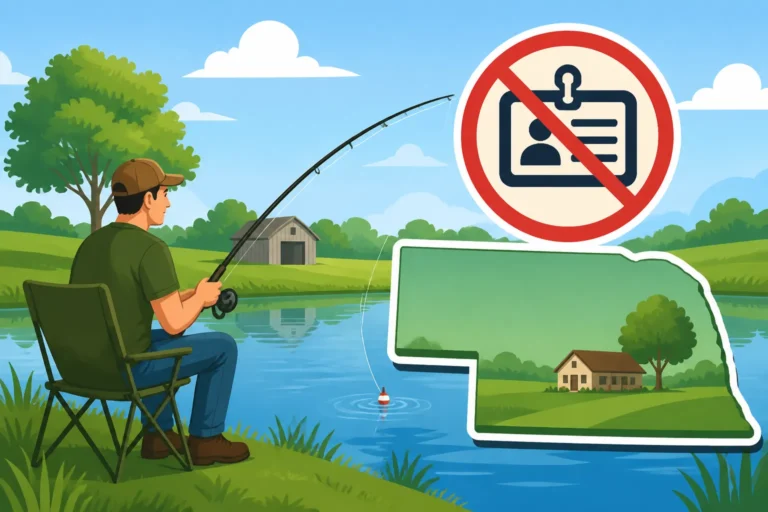
This is the big one, and it's where the "private land" concept actually does come into play regarding licenses. According to the Nebraska Game and Parks Commission, a resident landowner or their immediate family members (spouse and children under 18) are exempt from needing a fishing license when fishing on their own property. This exemption also extends to tenants and their immediate family members fishing on land they lease or rent. The key here is "their own property" or "property they lease."
Let's break down this crucial exemption:
- Who is exempt? The actual landowner, the tenant who leases the land, and their immediate families (spouse and children under 18).
- Where are they exempt? Only on the property they own or lease.
- What about non-resident landowners? This exemption typically applies to resident landowners. A non-resident landowner would still need a Nebraska Nonresident Fishing License Requirements.
- What if the landowner also owns other properties? The exemption only applies to the specific parcel of land they are fishing on. If they own multiple properties, it applies to each one individually.
This exemption is designed to allow those who maintain the land and often the ponds on it to enjoy the fruits of their labor without an additional administrative burden. However, it doesn't extend much beyond that immediate circle. You can find more specific details on the Nebraska Landowner Fishing Permit Exemption documentation.
Defining "Immediate Family" and "Their Own Land"
The terms "immediate family" and "their own land" might seem straightforward, but they are often points of confusion.
- Immediate Family: For the purpose of this exemption, "immediate family" generally refers to the spouse and children under 18 years of age of the landowner or tenant. Grandparents, uncles, aunts, cousins, or even adult children (18 and over) typically do not fall under this umbrella, even if they are very close family. If your adult son comes to fish your pond, he would need a license. This is a common point where anglers mistakenly believe everyone in the extended family is covered. For specific rules regarding younger anglers, check out Nebraska Fishing License Rules for Kids and Seniors or What Age Can You Fish Without a License in Nebraska?.
- Their Own Land: This means the land where the fishing is taking place must be legally owned or leased by the person claiming the exemption. If you own 10 acres, but the pond you're fishing is technically on your neighbor's 5 acres, even with permission, you would still need a license. It has to be your property.
Invited Guests and Private Water Bodies
This is perhaps the most significant distinction for most anglers. If you are an invited guest, friend, or relative (who isn't an immediate family member under 18) fishing on someone else's private property—whether it's a small farm pond, a large private lake, or a section of a river that flows through private land—you absolutely need a valid Nebraska fishing license.
Think of it this way: the permission from the landowner grants you access to their property, but it doesn't grant you an exemption from state fishing regulations. The state still views you as an angler participating in a regulated activity. This is why it's so important to confirm you have your Nebraska Fishing License Guide in hand before you head out. Even if you're fishing a pond that has never seen a game warden, it's simply not worth the risk or the potential hassle. It's much easier to just buy your permit, whether it's a Nebraska 1-Day Fishing Permit or an Nebraska Annual Fishing Permit, and enjoy your time without worry.
Here’s a quick summary to help clarify:
| Scenario | License Required? | Notes |
|---|---|---|
| Landowner fishing own private pond | No | For resident landowners/tenants and their immediate family (spouse, children under 18) on their property. |
| Tenant fishing leased private pond | No | Same as landowner exemption. |
| Landowner's adult child fishing pond | Yes | Adult children are typically not considered "immediate family" for this exemption. |
| Landowner's friend fishing private pond | Yes | Permission to access land does not grant exemption from state fishing license requirements. |
| Fishing a river/creek on private land | Yes | State regulations apply to natural waters, regardless of adjacent land ownership. |
| Non-resident fishing on private land | Yes | Non-residents always need appropriate non-resident licenses. |
Beyond the Permit: Ethical Angling and Landowner Relations
While the license is a legal requirement, there's a whole other layer to fishing on private land: the ethics and courtesy involved in maintaining good relationships with landowners. These often go hand-in-hand with ensuring future access to those special, private fishing holes.
The Critical Importance of Permission
This cannot be stressed enough: Always, always obtain explicit permission from the landowner before stepping foot on their property to fish. Even if you do have your license, trespassing is a serious offense, and it can quickly shut down access for everyone. A simple phone call, a friendly knock on the door, or a casual conversation can make all the difference. Many landowners are incredibly generous with access, especially if you show respect for their property and their time. But never assume.
Imagine driving by a beautiful, secluded pond on private property and just deciding to try your luck. Even if you have your Nebraska Fishing License Costs and Types paid up, that doesn't give you permission to enter someone's land. Landowners have legitimate concerns about liability, property damage, and privacy. A respectful request demonstrates you understand and value their property rights.
Respecting Property and Preserving Access
Once you've secured permission, your actions on the property reflect not just on you, but on all anglers. This is your chance to be an ambassador for the sport.
- Leave No Trace: Pack out everything you pack in, and then some. Don't leave trash, fishing line, or bait containers behind.
- Close Gates: If you open a gate to access a pond, close it behind you. Livestock can wander, and a forgotten gate can cause big problems for a farmer.
- Stay in Designated Areas: Don't wander into fields or areas not specified for fishing. Stick to the immediate vicinity of the pond or waterway.
- Ask About Restrictions: Does the landowner have any specific rules? Maybe they don't want you to drive on wet grass, or they prefer you fish only from one side of the pond. Always ask and abide by their wishes.
- Report Any Issues: If you notice a broken fence, a gate left open, or anything unusual, report it to the landowner immediately. This shows you care about their property.
- Offer a Token of Thanks: A simple "thank you" goes a long way. Some anglers like to offer a portion of their catch (if keeping fish), or a small gift, to show appreciation for the privilege of fishing private water.
By adhering to these principles, you not only ensure your own continued access but help foster a positive perception of anglers, which can open doors for others in the future. Ignoring these courtesies can lead to landowners putting up "No Trespassing" signs permanently, effectively closing off valuable fishing opportunities for everyone.
The Price of Ignorance: Penalties for Unlicensed Fishing
Even with the best intentions, overlooking the rules can lead to uncomfortable and expensive situations. No one wants their peaceful day of fishing to end with a conversation with a game warden, especially when it could have been easily avoided.
Understanding Violation Consequences
Fishing without a valid license in Nebraska is a violation of state law. It's not a minor infraction that's usually just shrugged off. If a Nebraska Game and Parks conservation officer finds you fishing without the required permits, you can face a citation.
The specific penalties for fishing without a license can vary depending on the circumstances, whether it's a first offense, and the discretion of the courts. However, you can generally expect:
- Fines: These can range from a couple of hundred dollars to significantly more, plus court costs.
- Loss of Equipment: In some cases, especially with repeat offenses, your fishing equipment might be confiscated.
- Suspension of Privileges: Your fishing and even hunting privileges in Nebraska (and potentially other states due to interstate compacts) could be suspended for a period of time.
- Mandatory Court Appearance: You might be required to appear in court, which means taking time off work and dealing with legal proceedings.
These consequences far outweigh the relatively small cost of a fishing license, which you can purchase conveniently at various locations (see Where to Buy a Nebraska Fishing License) or through the GoOutdoorsNE system.
Avoiding Costly Mistakes
The easiest way to avoid these penalties is simply to purchase the correct license before you go fishing. It’s that simple. When in doubt, always err on the side of caution and get a license.
Before heading out, double-check that your license is current and valid. Nebraska fishing licenses typically run from January 1st to December 31st each year. If you're unsure, you can always verify your status online or call the Nebraska Game and Parks Commission. Think of it like a driver's license for fishing; you wouldn't drive without one, so don't fish without one. Familiarize yourself with the Nebraska Fishing Violation Penalties so you're fully aware of the stakes involved.
For most people, the question of "Can Landowners Fish Without a License on Their Own Pond in Nebraska?" boils down to whether they are the landowner (or immediate family under 18), or if they are a guest. For guests, the answer is almost always yes, you need a license. It’s a small investment that contributes to the health of Nebraska’s fisheries and ensures your angling adventures remain enjoyable and worry-free.
Disclaimer
The information provided in this guide is for general informational purposes only and is not legal advice. Fishing regulations in Nebraska can change, and interpretations may vary. It is always the responsibility of the individual angler to consult the most current Nebraska Game and Parks Commission regulations booklet or website to ensure full compliance with all applicable laws and rules before fishing.