Nebraska Walleye Daily Bag Limit
Figuring out the exact walleye daily bag limit in Nebraska can feel like trying to solve a puzzle, especially when you consider that the rules aren't always the same from one lake to the next. It's not just about knowing a single number; it's about understanding how those numbers can change and what they mean for your fishing trip. This guide is here to untangle all that confusion, breaking down the general statewide regulations and diving into the specific nuances of different Nebraska waters so you can fish confidently and legally.
Why Nebraska Has Walleye Bag Limits: More Than Just Rules
It’s easy to look at fishing regulations and just see a bunch of rules, maybe even feel like they’re there to make your life harder. But when it comes to fish like walleye, those daily bag and length limits are actually incredibly important tools for keeping our fisheries healthy and thriving for years to come. Think of them as a way to ensure future generations get to experience the same great fishing we do today.
Understanding Conservation Goals
The Nebraska Game and Parks Commission (NGPC) doesn’t just pull these numbers out of a hat. A lot of science, research, and data go into setting fishing regulations. For walleye, which are a highly prized sport fish and a fantastic eating fish, managing their populations is critical. These conservation goals focus on ensuring a healthy spawning population each year, preventing overharvest in specific areas, and allowing fish to grow to a good size before they're kept. Without these limits, it wouldn't take long for our best walleye lakes to become severely depleted, leaving little for anyone to catch. It’s all about balance – balancing angler opportunity with the long-term health of the fish.
The Importance of Sustainable Harvest
Sustainable harvest is a fancy term for something pretty simple: taking enough fish to enjoy, but not so many that the population can’t replenish itself naturally. Walleye daily bag limits, along with length limits, are the primary tools used to achieve this. For instance, if anglers kept every walleye they caught, regardless of size or number, it could quickly decimate a lake's walleye population. By setting a specific number of fish you can keep in a single day, the NGPC helps control the overall pressure on the fishery. This ensures that there are always enough walleye left in the water to reproduce and grow, maintaining a healthy ecosystem and ensuring there's a strong population for next season. It’s a collective effort, and every angler plays a part in respecting these limits.
Decoding the Nebraska Walleye Daily Bag Limit
So, you’re out on the water, you’ve landed a few beautiful walleye, and now you’re wondering exactly how many you can take home. This is where understanding the specifics of the Nebraska walleye daily bag limit comes into play. It’s not just a single number; there are nuances, especially when you factor in species like sauger and saugeye.
The Statewide Standard: What You Need to Know
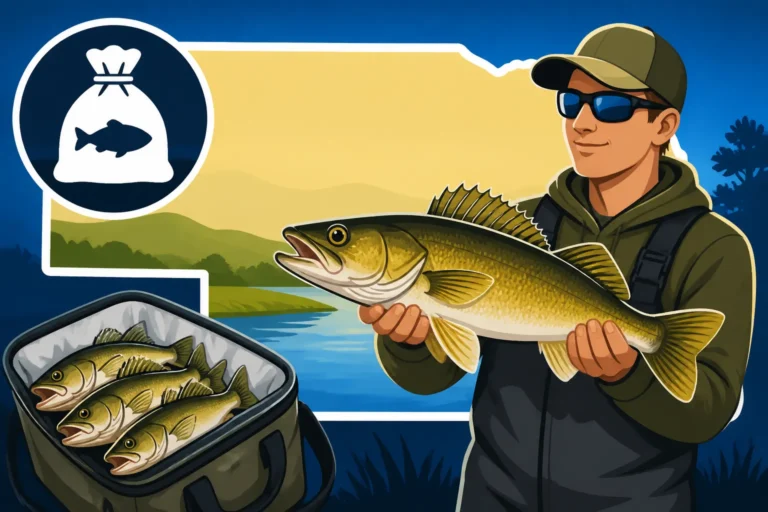
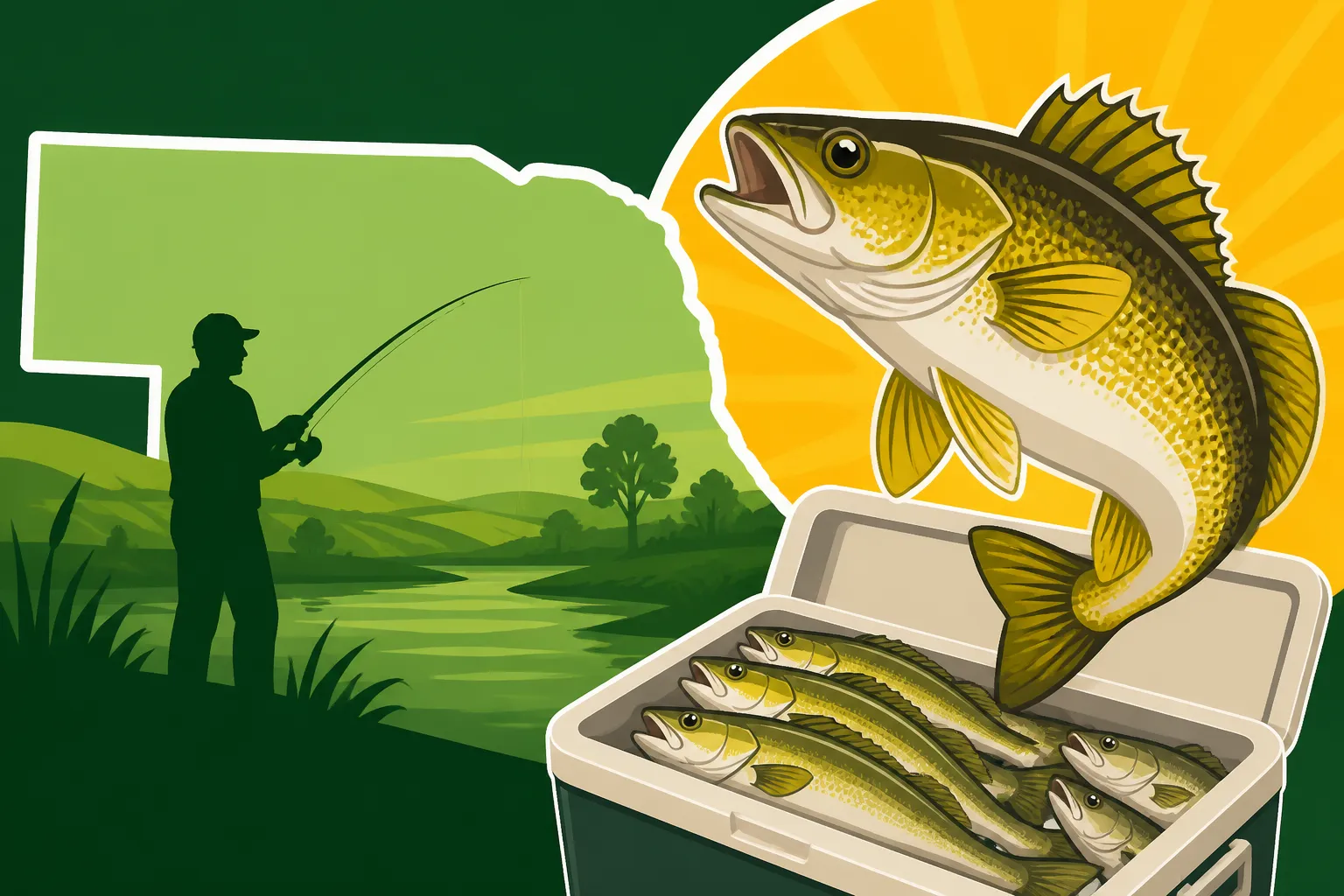
Across most public waters in Nebraska, the general statewide daily bag limit for walleye, sauger, and saugeye combined is 4 fish. This means that in any 24-hour period, you can legally harvest a maximum of four fish from this group. It's important to remember this limit is for the combined species, not 4 walleye, 4 sauger, and 4 saugeye. You might catch a mix of these species, but the total number you keep in a single day cannot exceed four.
Along with the daily bag limit, there's also a statewide possession limit of 8 fish for walleye, sauger, and saugeye combined. We'll dive into the difference between these two shortly, but for now, know that these are the numbers you'll encounter on most lakes and rivers in Nebraska. Always keep a current copy of the Nebraska Fishing Regulations Explained guide with you, or check the GoOutdoorsNE app, to be absolutely sure. You can even find physical copies at most bait shops, or easily order one along with a measuring board from retailers like Amazon if you prefer a tangible guide.
Daily Bag vs. Possession Limit: What's the Difference?
This is where things can sometimes trip up even experienced anglers, but it’s a critical distinction to understand to stay legal.
-
Daily Bag Limit: This refers to the maximum number of fish of a specific species (or combined species, like walleye, sauger, and saugeye) that you can catch and keep in a single day. It resets every 24 hours. So, if you hit your limit of 4 walleye today, you cannot keep any more until tomorrow. This is about what you harvest from the water within a day.
-
Possession Limit: This refers to the maximum number of fish of a specific species (or combined species) that you can have in your possession at any given time. This includes fish in your livewell, cooler, freezer at home, or anywhere else under your control. The possession limit is usually twice the daily bag limit. So, if the daily bag limit is 4, the possession limit is 8. This means if you caught your limit of 4 walleye today, and you still have 4 from a previous day in your freezer, you are still within the possession limit of 8. However, if you already have 8 walleye in your freezer from previous trips, you cannot legally keep any more walleye until you consume some of the fish you already possess.
The key takeaway is that the daily bag limit governs what you can harvest from the water on a particular day, while the possession limit dictates the total number of fish you can have on hand. Always make sure you understand both before heading out, especially if you're on a multi-day fishing trip in Nebraska.
Navigating Walleye Length Limits
Beyond just how many fish you can keep, you also often need to pay attention to how long those fish are. Nebraska employs length limits for walleye in many waters, and these can come in a few different forms:
-
Minimum Length Limits: This is the most common type. It means a fish must be at least a certain length to be legally kept. For example, many waters might have a 15-inch minimum length limit for walleye. Any walleye you catch that measures less than 15 inches must be immediately released unharmed. This protects younger fish, giving them a chance to grow and spawn, contributing to the population's health. You can learn more specific details on the Nebraska Walleye Minimum Length Limit.
-
Protected Slot Limits: These are a bit more complex. A slot limit protects fish within a certain size range. For instance, a lake might have a rule that says you can keep walleye under 15 inches and one fish over 28 inches, but no fish between 15 and 28 inches. This strategy aims to protect the prime breeding stock (the medium-sized fish) while allowing anglers to keep smaller fish for the pan and occasionally a truly large trophy fish.
-
Maximum Length Limits: Less common for walleye, but some species might have a maximum length limit, meaning you can't keep fish over a certain size. This is usually to protect very large, mature breeding fish.
It's absolutely crucial to check the specific regulations for the body of water you plan to fish, as length limits for walleye frequently vary. Always have a reliable measuring device on your boat or in your tackle box. A simple, flat measuring board is often the easiest and most accurate tool.
When Regulations Get Specific: Waterbody Exceptions
While the statewide walleye daily bag limit of 4 is a good baseline, Nebraska fishing isn't a one-size-fits-all situation. Many of our most popular and productive walleye fisheries have special regulations in place designed to manage their unique populations. Ignoring these local rules can quickly turn a fantastic fishing day into a legal headache.
Lake McConaughy Walleye Rules: A Prime Example
Lake McConaughy, often lovingly called "Big Mac," is probably Nebraska's most renowned walleye fishery, and with that status comes tailored regulations to protect its precious stock. Anglers flock to Lake McConaughy Walleye Fishing for the chance at trophy fish, and the rules reflect that. Currently, Lake McConaughy, including Lake Ogallala, typically has a specific set of walleye regulations that often include:
- A reduced daily bag limit: Often, the daily bag limit for walleye, sauger, and saugeye combined at Lake McConaughy is 4 fish.
- A minimum length limit: You generally cannot keep any walleye under 15 inches.
- A protective slot limit: This is the big one for Lake Mac. Historically, anglers are often restricted from keeping walleye that fall within a certain size range, for example, between 20 and 28 inches. The idea here is to protect those prime spawning fish, allowing them to contribute more to the lake's population.
- One fish over a certain size: To allow for a trophy opportunity, you might be allowed to keep one fish over 28 inches, even if that size falls within the protected slot.
These rules are dynamic and can change based on population surveys, environmental factors, and management goals. Always, always check the latest Nebraska Game and Parks Fishing Guide before heading to Lake McConaughy. You can grab a printed copy at local bait shops or view the digital version on the NGPC website, or through the GoOutdoorsNE system.
Other Notable Waters with Unique Walleye Regulations
Lake McConaughy isn't the only spot with special rules. Several other productive walleye lakes and reservoirs across Nebraska also have their own specific regulations. These can include variations in daily bag limits, minimum length limits, or even slot limits, much like Big Mac.
- Harlan County Reservoir: This large reservoir in southern Nebraska is another walleye hotspot. It often has special regulations for walleye, typically involving length limits designed to improve the quality of its fishery.
- Merritt Reservoir: Known for its clear waters and excellent fishing, Merritt Reservoir also frequently has specific walleye regulations, which can include length restrictions.
- Box Butte Reservoir: This Panhandle lake might also see adjusted limits to manage its walleye population.
- Smaller Sandpit Lakes: Occasionally, even smaller, less-known sandpit lakes or community fishing ponds that are specifically managed for walleye might have unique rules tailored to their size and stocking efforts.
The takeaway here is universal: never assume the statewide limit applies everywhere. If you're heading to a specific lake or river for walleye, take a few minutes to confirm the exact regulations for that particular body of water. This simple step can save you a lot of grief and ensure you're fishing responsibly.
Border Water Considerations: Fishing the Missouri River
Fishing the Missouri River, which forms Nebraska’s eastern border, adds another layer of complexity. This mighty river is often shared with neighboring states like Iowa and Missouri, and sometimes even South Dakota further north. The good news is that Nebraska often has reciprocal agreements with these states for portions of the river.
- Reciprocity: For specific stretches of the Missouri River, a valid fishing license from either Nebraska or the bordering state (Iowa, Missouri, or South Dakota) may be all you need. This means if you have a Nebraska fishing license, you might be able to fish the Iowa side of the river, and vice-versa, without needing a second license.
- Regulations Adherence: However, even with reciprocity for licenses, you usually have to follow the regulations (bag limits, length limits, etc.) of the state in whose waters you are fishing, or sometimes, the most restrictive of the two states' regulations. For example, if Iowa has a 5-walleye limit and Nebraska has a 4-walleye limit for a reciprocal stretch, you would typically need to adhere to the more restrictive 4-walleye limit, regardless of which state's license you hold.
Because these rules can be intricate and specific to particular segments of the river, it's absolutely essential to consult the most current Nebraska fishing guide and, if possible, the regulations of the bordering state. This ensures you're fully compliant, no matter which side of the river you're casting on. For more detailed information, check out the Nebraska Fishing Regulations Explained guide, which usually includes a specific section on border waters.
Here's a quick comparison of potential walleye regulations you might encounter:
| Regulation Type | Statewide Standard (Most Waters) | Lake McConaughy (Example) | Notes |
|---|---|---|---|
| Daily Bag Limit | 4 (Walleye, Sauger, Saugeye combined) | 4 (Walleye, Sauger, Saugeye combined) | This is per person, per day. |
| Possession Limit | 8 (Walleye, Sauger, Saugeye combined) | 8 (Walleye, Sauger, Saugeye combined) | Total fish you can have in possession, including at home. |
| Minimum Length Limit | None typically, but check specific waters | 15 inches | Must be at least this long to keep. |
| Protected Slot Limit | None typically, but check specific waters | Often 20-28 inches | Fish in this range must be released (details vary). |
| Trophy Fish Rule | None typically, but check specific waters | One fish over 28 inches allowed | Even if it falls in a protected slot, one large fish may be kept. |
Note: This table provides typical examples. Always refer to the current official Nebraska Game and Parks Commission regulations for the most accurate and up-to-date information.
Fishing Smart: Tips for Staying Legal and Ethical
It's one thing to know the rules, and another to apply them effectively and ethically while you're on the water, especially when walleye are biting! Staying within the daily bag and length limits is a cornerstone of responsible angling and contributes directly to the health of Nebraska's fisheries.
Measuring Your Catch Correctly
Accurately measuring your walleye is non-negotiable when length limits are in play. A fraction of an inch can be the difference between a legal fish and a violation.
- Use the Right Tool: A flat measuring board is generally preferred over a flexible tape measure, as it provides a more consistent surface. Many anglers mount a measuring sticker or board directly to their boat or tackle box lid. You can find excellent, durable measuring devices on Amazon that clearly show inch markings.
- Proper Technique: Lay the fish flat on its side on the measuring board. Push its snout firmly against the bumper or end of the board. With the mouth closed, pinch the tail fin together (compressing it) to get the maximum possible length. Read the measurement at the furthest point of the tail. Don't measure along the curve of the fish; it must be a straight-line measurement.
- Measure Immediately: If there's any doubt about a fish's length, measure it right away. If it's short, release it quickly and gently. Every second counts for a fish's survival, especially in warmer water.
Keeping Track of Your Catch
When the walleye bite is hot, it’s easy to lose count, but exceeding your daily bag limit, even accidentally, is still a violation.
- Designate a Culler: If you're fishing with a partner, one person can be responsible for keeping a mental (or written) tally.
- Physical Markers: Some anglers use simple methods like putting a small, distinctive float in their livewell for each keeper walleye, or moving a clip from one side of a stringer to another.
- Livewells for Culling: If you plan to keep fish but also want the option to upgrade (cull) to a larger fish later, a functional livewell is essential. Keep all potential keepers alive and healthy in the livewell. If you catch a larger fish and decide to keep it, you must release a smaller fish that you previously kept, ensuring you always stay within your daily bag limit. Remember, you can only possess the daily limit in your livewell at any time. If you’re targeting specific species, ensure your livewell is well-maintained to keep fish healthy.
Where to Find the Most Current Regulations
Regulations change. They really do! What was true last year, or even last month, might not be accurate today, especially for specific water bodies. Don't rely on outdated information or what your buddy heard.
- Official NGPC Website: The Nebraska Game and Parks Commission website is the ultimate source. They publish the most current Fishing Guide annually, and often have specific alerts or updates for particular lakes or species.
- GoOutdoorsNE App: This is a fantastic resource for anglers on the go. The GoOutdoorsNE Online Permit System and its associated app allow you to purchase licenses, check regulations, and often find information about specific lakes directly from your smartphone.
- Printed Fishing Guide: Grab a physical copy of the Nebraska Fishing Guide. They are available at most bait shops, sporting goods stores, and NGPC offices around the state. It’s a good idea to keep one in your boat or tackle box.
- Local Bait Shops: These folks are often incredibly knowledgeable about local regulations and any recent changes. Don't hesitate to ask when you pick up your bait.
Making it a habit to quickly check the regulations before each trip to a new or specific body of water is the best way to ensure you're always compliant with the Nebraska Fishing Regulations Explained.
What Happens If You Break the Rules: Penalties and Consequences
Nobody wants to think about getting a ticket while fishing, but unfortunately, violations do happen. Whether it's an honest mistake or a deliberate disregard for the rules, exceeding the Nebraska walleye daily bag limit or violating length restrictions can lead to some pretty serious repercussions. It's not just about a slap on the wrist; there can be significant legal and financial consequences.
Fines, Penalties, and More
Getting caught violating fishing regulations can result in a range of penalties, depending on the severity of the offense and whether you're a repeat offender.
- Monetary Fines: This is the most common immediate consequence. Fines for exceeding bag limits or keeping undersized fish can be substantial. For example, the Fine for Fishing Without a License in Nebraska can be significant, and bag limit violations are often treated with similar gravity, sometimes with an additional fine per fish over the limit. These can range from hundreds to thousands of dollars, depending on the number of fish and the species.
- Loss of Equipment: In some cases, especially with serious or repeated violations, conservation officers may have the authority to confiscate your fishing gear, including rods, reels, or even your boat.
- License Revocation/Suspension: This is perhaps one of the most impactful penalties for a passionate angler. Your Nebraska fishing license can be suspended or even permanently revoked. This means you won't be able to legally fish in Nebraska for a set period, which can be devastating if fishing is a big part of your life. The length of suspension often increases with repeat offenses.
- Restitution: In addition to fines, you might be required to pay restitution for the commercial value of the fish illegally taken. This can add up quickly, especially for valuable species like walleye.
- Court Appearances: Violations often require a court appearance, which means taking time off work and potentially incurring legal fees, adding further expense and hassle.
The Nebraska Game and Parks Commission takes these violations seriously because they directly undermine conservation efforts. It's far better to err on the side of caution and release a fish if you're unsure about its legality than to risk these severe penalties. Understanding Nebraska Fishing Violation Penalties is crucial for every angler.
Long-Term Impact on Fishing Opportunities
Beyond the personal penalties, there's a broader, long-term impact that violations have on the fishing community and the resource itself.
- Depletion of Fish Stocks: When too many anglers disregard bag and length limits, it puts immense pressure on fish populations. This can lead to a decline in fish numbers, fewer large fish, and overall poorer fishing quality for everyone. It makes it harder for the NGPC to maintain healthy populations and makes it more challenging to How to Fish for Walleye in Nebraska successfully.
- Tougher Regulations: If violations become rampant, the NGPC might be forced to implement even stricter regulations in the future, such as reduced bag limits, increased length limits, or even temporary closures of certain fisheries, impacting all anglers.
- Erosion of Trust: Widespread violations can also erode trust within the angling community and between anglers and wildlife agencies. It creates a negative perception that can impact funding for conservation programs and support for responsible fishing initiatives.
Ultimately, adhering to walleye daily bag limits and other regulations isn't just about avoiding a ticket; it's about being a responsible steward of Nebraska's natural resources. It ensures that the excitement of catching walleye continues for years to come and that everyone can enjoy the fantastic fishing opportunities our state has to offer. A quick check of your Nebraska Fishing License Guide will always confirm you're ready to hit the water legally.
Disclaimer
The information provided in this guide is intended for general informational purposes only and is subject to change. While we strive to provide accurate and up-to-date content, fishing regulations, daily bag limits, and length limits in Nebraska can be revised by the Nebraska Game and Parks Commission (NGPC) at any time. It is the angler's sole responsibility to consult the most current official Nebraska Fishing Guide or the NGPC website and app before engaging in any fishing activity. Reliance on the information presented here is at your own risk.