Nebraska Rules on Number of Fishing Poles Per Angler
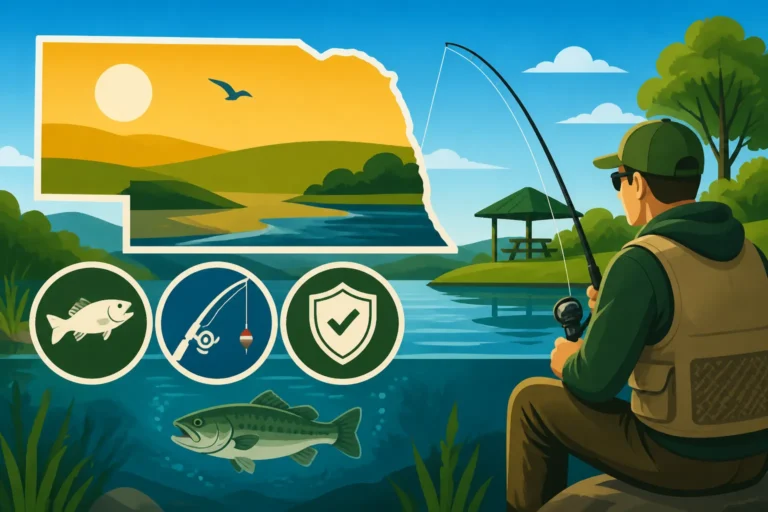
It's a common scenario: you're out on the water, fishing is slow, and you start wondering if adding an extra rod to the spread might just be the trick to getting a bite. Or maybe you're ice fishing, drilled a few holes, and think, "Could I just set up another tip-up?" The rules around how many fishing poles an angler can legally use in Nebraska can sometimes feel a bit murky, leading to genuine confusion and the risk of an unintended violation. This guide is here to untangle those regulations, making sure you understand exactly what's allowed so you can fish confidently and within the bounds of the law.
Understanding Nebraska's Basic Rod and Reel Regulations
Navigating fishing regulations can feel like deciphering a complex legal document, and the rules around how many rods you can use are no exception. Nebraska has a clear, foundational rule that applies to most angling situations, designed to promote fair chase, manage fishing pressure, and ensure sustainability for our precious aquatic resources.
The Standard Two-Pole Rule
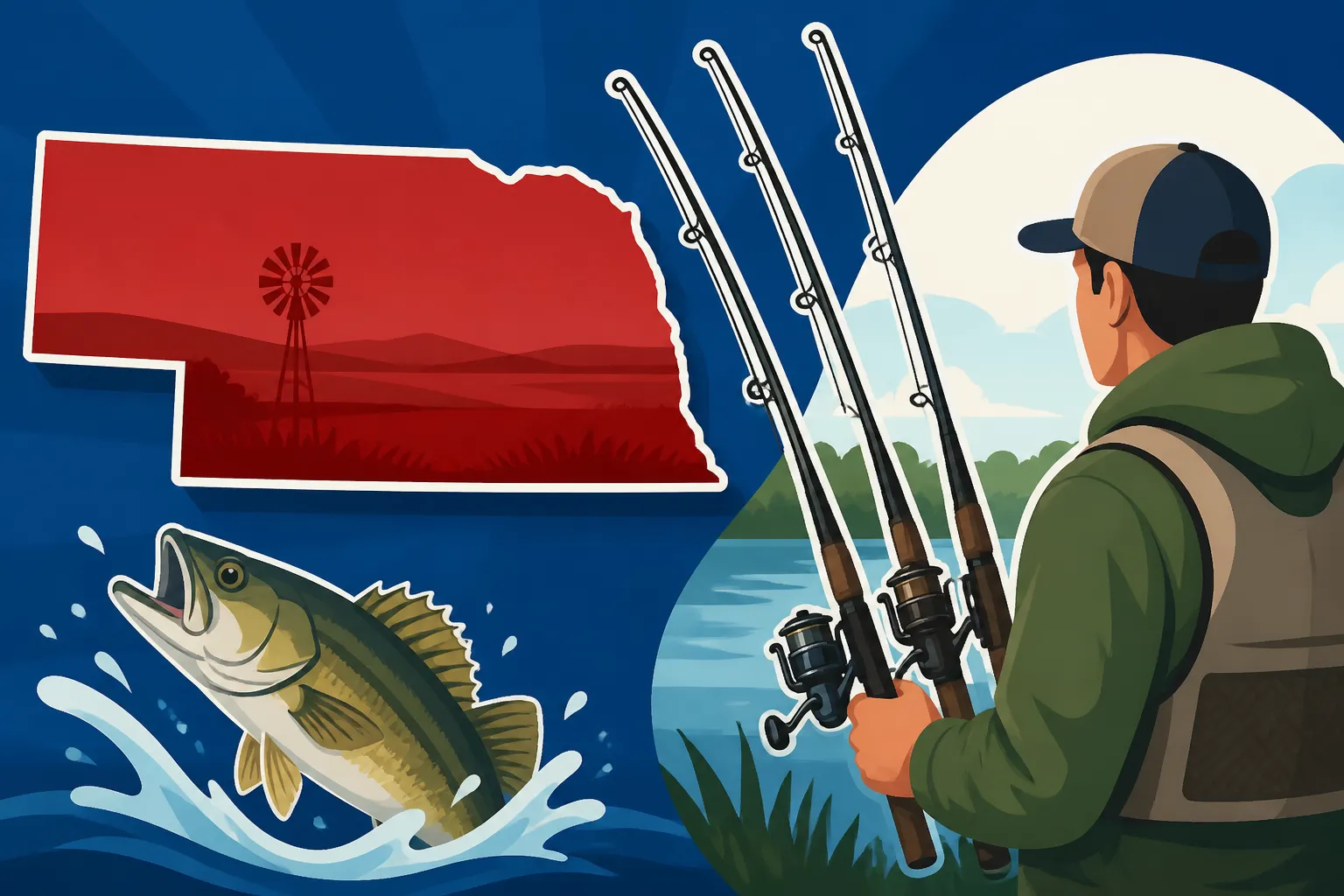
For the vast majority of fishing you'll do in Nebraska, whether you're casting from the bank of Branched Oak Lake for catfish or trolling for walleye on Lake McConaughy, the general rule is quite straightforward: you are permitted to use up to two rods and lines simultaneously. This means you can have two fishing rods rigged with a line, bait, or lure, and actively fishing in the water at the same time. This regulation applies to most open-water fishing activities across the state's lakes, rivers, and ponds.
Think of it like this: if you're sitting on a comfortable camping chair by the Platte River, you can have one rod set up with a slip bobber targeting crappie, and another rod cast out with some cut bait for channel catfish. Both are actively working, both are within your immediate control, and both are perfectly legal. The idea behind this limit is to ensure that anglers can reasonably manage their lines, respond to bites, and prevent excessive harvest or snagging, maintaining a responsible approach to the sport. It's about giving everyone a fair chance and protecting the fish populations. When you're considering your gear, remember that even if you have a dozen rods in your boat or tackle bag, only two can be in the water at any given moment, unless you're in a specific scenario.
The Exception for Ice Fishing
Now, here's where things get a little different and often cause confusion, especially for those who transition between open-water and hard-water angling. Ice fishing in Nebraska offers a more generous allowance when it comes to the number of lines you can deploy. When the lakes freeze over and you're out on the ice, you're actually allowed to use up to five lines or tip-ups. This is a significant increase from the standard two-pole rule, and it's a game-changer for many ice anglers who like to cover more water or target multiple species simultaneously.
Imagine a crisp winter morning on Merritt Reservoir, the ice groaning softly as you set up your shelter. You could have a jigging rod in hand, actively working a spoon for perch, while three other holes around you have tip-ups set with shiners, patiently waiting for a pike or walleye to strike. And you could still have one more line available for another jigging rod or tip-up! This increased limit acknowledges the unique nature of ice fishing, where mobility is limited, and lines are often spread out over a wider area. It allows anglers to be more efficient in locating fish under the ice, which can often be concentrated in specific, hard-to-find areas. Just remember, each of these lines still needs to be actively monitored, and you should always be within a reasonable distance to respond to a flag or a bite. For more details on staying safe and legal, check out our guide on Nebraska Ice Fishing Regulations.
Why These Rules Matter
These regulations aren't arbitrary; they are the backbone of sustainable fishing practices in Nebraska. First and foremost, they're about conservation. Limiting the number of lines helps to prevent overharvest, ensuring that fish populations remain healthy and abundant for future generations of anglers. If everyone could deploy an unlimited number of lines, the pressure on fish stocks would quickly become unsustainable, leading to depleted fisheries.
Secondly, it's about fairness and sportsmanship. By setting a universal limit, the Nebraska Game and Parks Commission (NGPC) ensures that all anglers have a relatively equal opportunity to catch fish. It levels the playing field, so to speak, rather than allowing a few individuals with vast amounts of gear to monopolize a fishing spot or out-compete others unfairly. This promotes a more enjoyable and ethical angling experience for everyone. Finally, these rules make enforcement practical. Game wardens can easily verify compliance, contributing to effective management of Nebraska's aquatic resources. Understanding and respecting these rules is a fundamental part of being a responsible angler here in the Cornhusker State, protecting the very resource we all love to pursue. If you're new to the state or need a refresher, our comprehensive Nebraska Fishing Regulations Explained article covers these and many other critical details.
Specific Scenarios and Interpretations
Fishing rarely happens in a vacuum, and real-world situations often add layers of complexity to seemingly simple rules. What if you're fishing with family? Does it matter if you're on a boat versus the shore? These are excellent questions that deserve a closer look to ensure you're always on the right side of the regulations.
Multiple Anglers and Shared Poles
This is a common scenario, especially during family outings or group fishing trips. Let's say you're out with your spouse and two kids, enjoying a beautiful day at Standing Bear Lake. Everyone has a fishing license, or the kids are young enough not to need one (you can find specifics on Do Kids Need a Fishing License in Nebraska? and Nebraska Fishing License Rules for Kids and Seniors). The key principle here is that the pole limit applies per licensed angler. So, if you and your spouse each have a valid Nebraska fishing license, each of you can legally have two lines in the water. That means four lines total for the two of you.
Now, if your kids are under 16 and don't require a license, they still generally fall under the "two lines per angler" guideline, but there are nuances. For instance, in a mentored youth fishing program, a licensed adult angler can often help a youth angler without it counting against the adult's personal limit. However, the general expectation is that each line is primarily managed by one individual. You can't, for example, have one licensed adult angler managing eight lines, even if four of those lines are "for" unlicensed kids. Each active participant generally adheres to the two-pole rule (or five for ice fishing). If you're ever in doubt, it's always best to err on the side of caution or consult the latest NGPC fishing guide.
Bank Fishing vs. Boat Fishing
Does it make a difference if your feet are firmly planted on solid ground or if you're out on the water in a boat? When it comes to the standard two-pole limit, the answer is generally no. The rule applies regardless of your fishing platform. Whether you're fishing from a dock, casting from the shoreline, or trolling from your boat on Harlan County Reservoir, you're still limited to two lines per angler for open water conditions.
The distinction often comes into play more with how you fish rather than where you fish. For example, if you're bank fishing, managing two rods is usually pretty straightforward – you can set one in a rod holder and actively cast with the other. In a boat, especially if you're trolling, you might have both rods in rod holders, actively working your lures while you steer. The core principle remains that each licensed angler is responsible for a maximum of two lines. This consistency helps to keep the rules clear and enforceable, no matter if you're fishing from the bank of a small pond or navigating a larger body of water. Our article on Nebraska Boat Registration and Fishing Rules can give you more insights into boating regulations, which often go hand-in-hand with fishing rules.
Youth Anglers and Mentored Programs
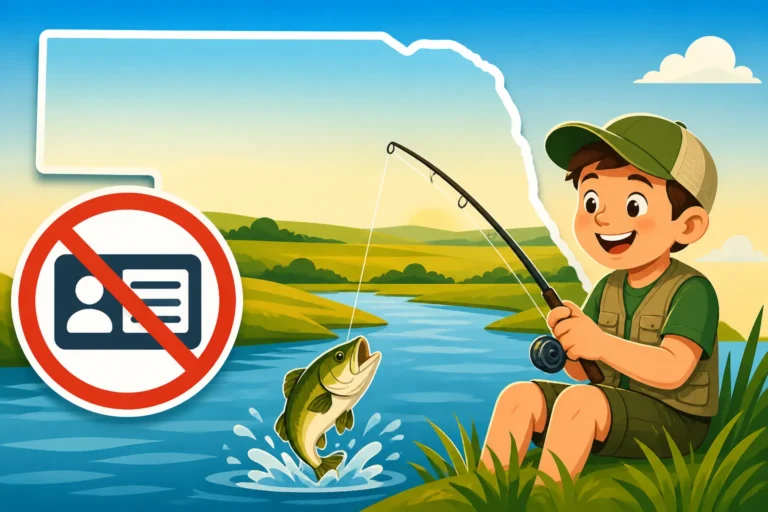
Nebraska is fantastic about encouraging young people to get into fishing, and they have specific provisions that can affect pole limits, especially within structured programs. Generally, youth under 16 years of age do not need a Nebraska fishing license, which is a great incentive for families. However, they are still expected to abide by the standard two-pole rule (or five for ice fishing). The challenge can be when an adult is helping a very young child.
The Nebraska Mentored Youth Fishing Program Rules are a perfect example of how the state promotes youth involvement. In these specific, designated programs, a licensed adult can directly assist an unlicensed youth without the youth's lines counting against the adult's personal limit, provided the adult is actively mentoring and teaching. This is designed to facilitate learning and remove barriers for kids. Beyond formal programs, a licensed adult can generally supervise a child, but the child’s lines still count as theirs. It's not a loophole for an adult to effectively run more lines by proxy. If your child is actively fishing their two lines, that's their allowance. If you're teaching them, you might be handling one of their lines for a moment, but it shouldn't be interpreted as you actively fishing more than your own two lines. It's about participation and active engagement, making sure the rules support getting more kids hooked on fishing in a responsible way.
Beyond Poles: Other Fishing Devices and Gear
While rods and reels are the most common fishing gear, Nebraska’s regulations cover a broader spectrum of methods and devices. It's crucial to understand these distinctions, as some methods have entirely different rules regarding the number of lines or devices allowed, and some are simply illegal.
Legal vs. Illegal Methods
Beyond your standard rod and reel setup, Nebraska does permit certain other fishing devices and methods, each with its own specific regulations. These often have different limits than the standard two-pole rule:
- Trotlines: These are long lines with multiple baited hooks attached at intervals. Trotlines are legal in certain waters in Nebraska, primarily for species like catfish. However, they are subject to very strict regulations regarding their number, length, and tagging requirements. For instance, you might be allowed to use a certain number of trotlines, and each trotline itself will have a maximum number of hooks. These are not counted as "poles" in the traditional sense, but as a separate class of fishing gear with its own set of rules. You can't, for example, use two rods and then also set an unlimited number of trotlines. There are often separate permits or endorsements required for these methods.
- Jug Lines: Similar to trotlines but often shorter and free-floating, jug lines are also generally legal for specific species like catfish in certain bodies of water. Like trotlines, they have strict limits on the number of jugs an angler can deploy and often require proper tagging with your permit information. They are also considered separate from your rod and reel limit.
- Bowfishing: This method uses archery equipment to harvest fish, typically rough fish like carp and gar. Bowfishing is legal in many Nebraska waters, but again, it’s not considered a "pole" and has its own set of rules regarding species, seasons, and locations.
- Seines and Nets: The use of seines or nets for capturing baitfish is generally allowed, but only of specific sizes and in certain areas. Large commercial nets are highly regulated and require special commercial licenses.
- Snagging: While generally prohibited for most game fish, snagging is a legal method for paddlefish during a very specific, limited season and in designated areas, primarily on the Missouri River. This also operates under its own permit and rules, distinct from standard rod-and-reel limits.
Illegal Methods: It's equally important to know what's explicitly not allowed. Using explosives, poisons, or electrical currents to stun or kill fish is strictly illegal. Spear fishing for game fish is also generally prohibited, though it may be allowed for certain rough fish in specific circumstances. The use of gaff hooks to land fish is typically restricted to paddlefish during the snagging season or to assist with very large fish after they have been legally hooked and brought alongside a boat, not as a primary means of capture. Always consult the official Nebraska Fishing Regulations Explained booklet or the NGPC website for the most current and detailed information before trying any method outside of standard rod and reel fishing.
The Aquatic Habitat Stamp Connection
When you purchase your Nebraska fishing license, you'll notice that an Aquatic Habitat Stamp is often a required add-on. This stamp might seem like just another fee, but it plays a vital role in the health of Nebraska's fisheries and is directly tied to the ability to fish legally. The funds generated from the sale of this stamp go directly towards improving and maintaining aquatic habitats across the state. This includes projects like improving fish spawning areas, creating fish structures, enhancing public access points, and restoring stream banks.
While the Aquatic Habitat Stamp doesn't directly dictate the number of poles you can use, it's a foundational component of your legal ability to fish in Nebraska. Without it (if you're a resident or non-resident over 16, or a nonresident regardless of age), your fishing license is incomplete, making any angling activity potentially illegal. Essentially, the stamp helps ensure there are healthy fish populations for you to pursue with your legally allowed number of rods. It's a small investment that pays big dividends for the future of fishing in the state. To learn more about this crucial stamp, check out our detailed article: Nebraska Aquatic Habitat Stamp Explained.
What Happens if You Break the Rules?
Nobody wants to find themselves on the wrong side of the law, especially when they're just trying to enjoy a peaceful day of fishing. Understanding the potential consequences of exceeding the pole limit or other regulations is crucial for responsible angling. Game wardens take these rules seriously, and ignorance is rarely an acceptable excuse.
Penalties for Violations
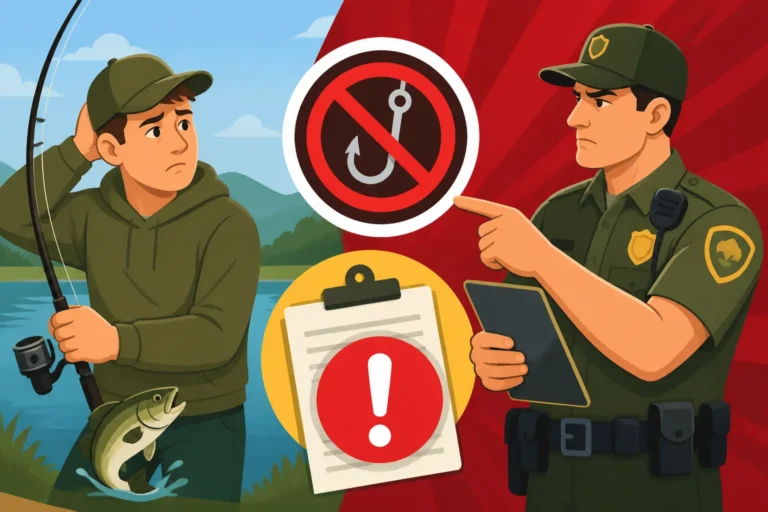
Fishing without a valid license, exceeding bag limits, or using more lines than allowed are all considered violations of Nebraska fishing regulations. The penalties for these infractions can vary depending on the severity of the offense, your prior record, and the discretion of the enforcing officer and the courts. Generally, expect to face fines, which can range from a few hundred dollars for a minor offense to significantly more for repeat offenders or more serious violations. In some cases, your fishing gear could even be confiscated.
Beyond monetary fines, there's the possibility of losing your fishing privileges. A severe violation, or multiple minor violations, could lead to a suspension of your Nebraska fishing license for a period of time. In the most egregious cases, such as commercial poaching or using illegal methods, you could even face jail time. It’s important to remember that these aren't just minor slaps on the wrist; they are legal consequences designed to deter harmful practices and protect Nebraska’s natural resources. Always carry your valid fishing license and be prepared to show it to a conservation officer. Our guide on Nebraska Fishing Violation Penalties provides a more in-depth look at what you could face.
How to Report a Violation
If you witness someone actively violating fishing regulations—whether it's using too many poles, keeping undersized fish, or exceeding bag limits—it's important to know how to report it. The Nebraska Game and Parks Commission relies on the public's help to protect our state's fish and wildlife resources. When reporting a violation, try to gather as much detail as possible without putting yourself in harm's way.
Key information to collect includes:
- Date and Time: When did you observe the violation?
- Location: Be as specific as possible (e.g., "north side of Branched Oak Lake, near the XXX boat ramp," or "Platte River, approximately 1 mile downstream from the Highway Y bridge").
- Description of the Violation: What exactly did you see? (e.g., "Angler had 4 rods in the water," or "observed angler putting fish under length limit into cooler").
- Description of the Suspect(s): Physical description, clothing, and number of individuals.
- Vehicle Information: Make, model, color, and license plate number if possible.
- Boat Information: Type, color, registration number (NE #### XX).
You can report violations anonymously through the NGPC's "Stop Poaching" hotline or by contacting a local conservation officer. Protecting our fisheries is a collective responsibility, and reporting violations helps ensure that these resources remain healthy and accessible for everyone. For detailed contact information and best practices for reporting, refer to our article on How to Report a Fishing Violation in Nebraska. Remember, a little vigilance from fellow anglers goes a long way in preserving the future of fishing in Nebraska.
Here's a quick summary of the main pole limit rules:
| Fishing Activity | Maximum Poles/Lines Per Angler | Additional Notes |
|---|---|---|
| Open Water | 2 | Applies to lakes, rivers, ponds, bank fishing, and boat fishing. |
| Ice Fishing | 5 | Applies to tip-ups and active jigging rods. Must be monitored. |
| Trotlines | Varies by waterbody/species | Separate regulations, typically not counted as "poles." Check specific rules. |
| Jug Lines | Varies by waterbody/species | Separate regulations, typically not counted as "poles." Check specific rules. |
| Bowfishing | N/A (archery equipment) | Not considered a "pole," separate rules for species and season. |
| Snagging | N/A (specific gear) | Not considered a "pole," specific season and locations for paddlefish. |
When you're gathering your gear for your next outing, whether it's a new rod and reel combo you found on Amazon, or just restocking your tackle box, always keep these regulations in mind. You can double-check current regulations and even purchase your permits through the GoOutdoorsNE Online Permit System.
Disclaimer
The information provided in this guide is for general informational purposes only and is not legal advice. Fishing regulations in Nebraska can change, and interpretations may vary. Always consult the official Nebraska Game and Parks Commission (NGPC) fishing guide and regulations booklet for the most current and accurate rules and laws before engaging in any fishing activity. It is the angler's responsibility to know and abide by all applicable regulations.