Do Kids Need a Fishing License in Nebraska?
It's a common question, and one that trips up a lot of parents and grandparents heading out to the lake or river for a relaxing day of fishing: do the kids actually need their own fishing license in Nebraska? The rules can sometimes feel like a maze, especially with different age cut-offs and various types of permits out there. Rest assured, this guide is going to untangle all that confusion, clarify Nebraska's specific requirements for young anglers, and help you ensure your family's next fishing trip is both legal and wonderfully memorable.
Understanding Nebraska's Youth Fishing License Exemptions
Nebraska has a straightforward approach when it comes to kids and fishing licenses, designed to encourage families to get out and enjoy the state's beautiful waters without unnecessary hurdles. It's all about making the sport accessible to the next generation of anglers.
The Defining Age for License-Free Fishing
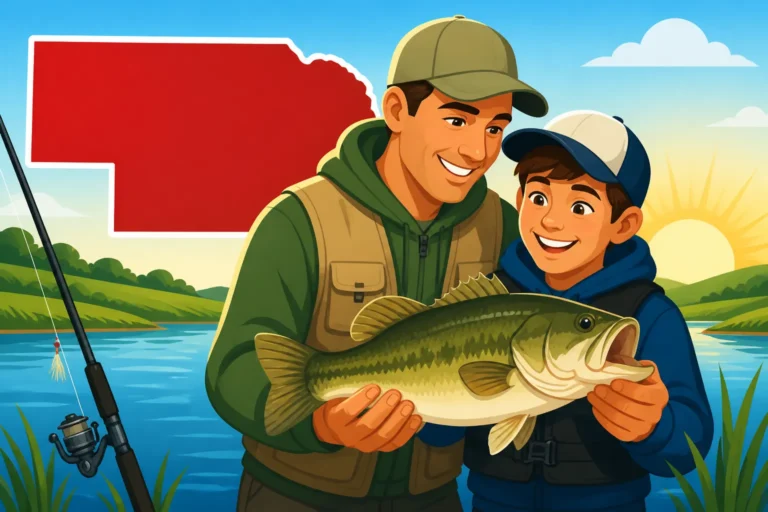
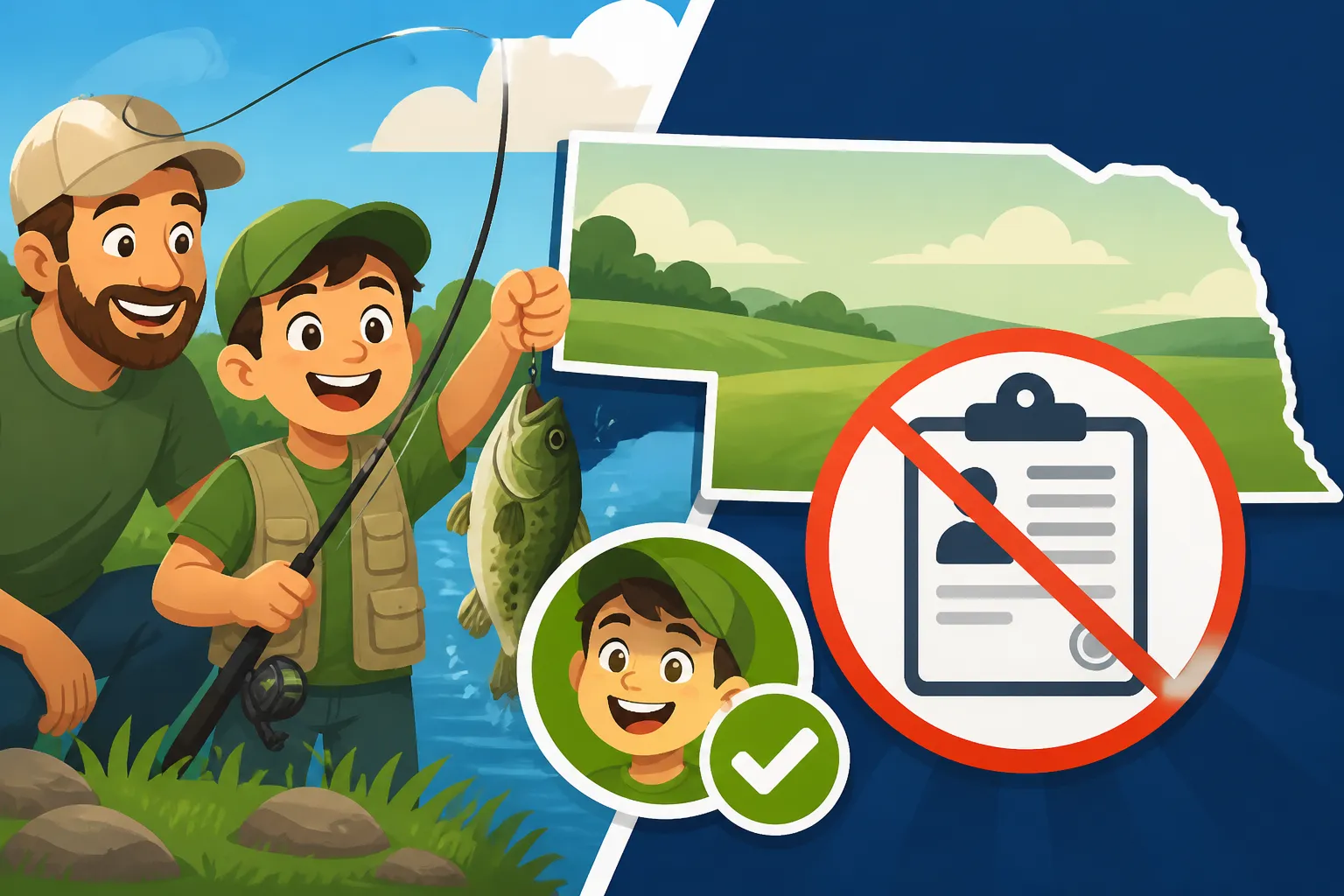
The most crucial detail for parents and guardians to remember is Nebraska's age threshold: anyone under 16 years of age does not need a fishing license. This applies universally, whether your child is a resident of Nebraska or just visiting from out of state. So, if you're planning a trip to Lake McConaughy with your 10-year-old, or heading to a local pond near Omaha with your 14-year-old niece, neither of them needs to purchase a permit. They can simply grab a pole and start casting!
This age exemption is a fantastic way Nebraska encourages youth participation in outdoor activities. It removes the financial barrier and the administrative hassle for families, allowing kids to experience the thrill of a tug on the line and the peace of being by the water. It’s about fostering a connection with nature from a young age, without making it feel like a bureaucratic chore. Imagine the excitement of a child catching their first bluegill at Branched Oak Lake, all without you having to worry about an extra piece of paperwork. It’s truly designed to make those early fishing experiences as joyful and simple as possible.
Adult Supervision and Responsibilities for Unlicensed Youth
While the kids themselves don't need a license if they're under 16, it's vital to understand the role of the accompanying adult. If you, as an adult (16 years or older), are supervising or fishing alongside these unlicensed youth, you absolutely must possess a valid Nebraska fishing license. Your license covers not just your own fishing activity, but also the overall legality of the outing. You are the responsible party ensuring that all state regulations are followed.
This responsibility extends to understanding and adhering to bag limits, length limits, and any specific gear restrictions for the waters you're fishing. For instance, if you're fishing for walleye and the daily bag limit is four, that limit applies to the total number of walleye caught and kept by your entire group, including the fish caught by the unlicensed children. It's not four for you and four for each kid; it's a collective limit. The same goes for size restrictions, like the Nebraska Bass Length Limits. You, as the licensed adult, are accountable for all fish possessed by your group. It's about teaching responsible angling from the get-go, even if the kids aren't yet paying for their own permit. For a deeper dive into these rules, check out our guide on Nebraska Fishing Regulations Explained.
Addressing Common Misconceptions About Youth Permits
One common source of confusion often revolves around the idea of a "youth fishing permit." In Nebraska, for anyone under the age of 16, there isn't a separate, mandatory "youth fishing permit" you need to buy. The exemption is straightforward: under 16, no license needed for fishing. This differs from some other states that might have a reduced-cost youth license, but Nebraska keeps it simple for fishing.
However, there is a "Mentored Youth Permit" in Nebraska, but it's often misunderstood in the context of fishing licenses. This permit is primarily used for hunting for youth aged 12-15 who wish to try hunting with a licensed adult without completing a hunter education course or purchasing a full permit. For fishing, the Mentored Youth Permit is typically aimed at individuals 16 years or older who want to try fishing (or hunting) with a licensed adult before committing to buying their own full permit. So, for your child who is 15 and just wants to fish, the standard "under 16" exemption is what applies. They are good to go! Don't let the existence of a "Mentored Youth Permit" make you think your under-16 child needs something special for fishing. The core rule remains consistent: if they're not yet 16, they don't need a fishing license in Nebraska. For more information on programs that introduce youth to the outdoors, look into the Nebraska Mentored Youth Fishing Program Rules.
The Transition to Licensed Angler: What Happens at Age 16
The day a young angler turns 16 is a significant milestone, marking their official transition from an exempt youth to a fully licensed adult in the eyes of Nebraska Game and Parks. It's an exciting step into independent angling!
Marking the "Sweet Sixteen" Milestone
Once a child reaches their 16th birthday, the fishing license exemption gracefully expires. From this point forward, they are required to purchase their own Nebraska fishing license, just like any other adult angler. This isn't a punishment; it's part of becoming a full participant in the fishing community and contributing to the conservation efforts that make Nebraska's fisheries so great.
The good news is that Nebraska offers a variety of license options to fit different needs. A young adult can choose from an Nebraska Annual Fishing Permit, which is valid for the calendar year (January 1 to December 31), or they might opt for a shorter-term permit like a Nebraska 1-Day Fishing Permit or a Nebraska 3-Day Fishing Permit if they only plan to fish occasionally. There's even a Nebraska Combination Hunt and Fish Permit if they enjoy both activities. For a comprehensive look at all the available options and their current prices, be sure to consult our Nebraska Fishing License Costs and Types guide. Purchasing a license is easy, whether through the GoOutdoorsNE Online Permit System or at one of the many vendor locations throughout the state.
Understanding Required Stamps for Young Adults
Beyond the basic fishing license, young adults turning 16 will also need to be aware of additional stamps that may be required, depending on where and what they plan to fish. The most common of these is the Aquatic Habitat Stamp. With very few exceptions (such as certain disabled anglers or those holding a lifetime permit purchased before 2006), anyone 16 years or older who purchases a fishing license in Nebraska also needs an Nebraska Aquatic Habitat Stamp Explained. This stamp is crucial; funds from its sale directly support projects that improve aquatic habitats and fishing access across the state. It's a small but mighty contribution to the health of Nebraska's waters.
If the young angler has a passion for trout fishing, particularly in waters that are stocked or managed for trout, they'll also need a Trout Stamp. This is an additional permit required for anyone fishing for trout in designated trout waters, regardless of their age once they're licensed. It's important to understand these additional requirements, as they are not automatically included with a base fishing license. Always check the current Nebraska Trout Stamp Requirements and the latest fishing regulations to ensure full compliance. These stamps are critical components of conservation funding and ensure that the diverse fishing opportunities in Nebraska remain robust for generations to come.
Navigating Regulations and Permit Systems
The moment a young person acquires their first fishing license, they also take on the full responsibility of understanding and adhering to all Nebraska fishing regulations. This means diving into the rules regarding specific species, such as Nebraska Walleye Daily Bag Limit, Nebraska Catfish Bag Limits, or Nebraska Bass Length Limits. It’s a good idea to download the latest Nebraska Fishing Guide or use the Game and Parks mobile app, which puts all the rules right at their fingertips.
Learning to navigate the GoOutdoorsNE system will also become second nature. This online portal is where they can purchase their licenses, manage their permits, and even report harvests for certain species if required. It empowers them to be independent and responsible anglers. This transition period is an excellent opportunity for parents to teach them not just how to fish, but how to be a responsible angler – respecting limits, practicing catch and release when appropriate, and understanding the importance of conservation. It’s a rite of passage for many young Nebraskans, a chance to deepen their connection with the outdoors, and a practical lesson in civic responsibility.
Benefits of Early Introduction to Licensed Fishing and Conservation
Introducing kids to fishing early, even before they need a license, lays a powerful foundation for their future, benefiting both them and the natural world around them.
Instilling a Lifelong Appreciation for the Outdoors
The beauty of Nebraska's youth fishing license exemption is that it removes a significant barrier for families, making it incredibly easy to introduce children to the simple joys of fishing. There's something truly magical about seeing a child's eyes light up when they feel that first bite on the line, or when they reel in a colorful bluegill. These early experiences, free from the stress of extra costs or paperwork, are invaluable in fostering a lifelong love and appreciation for the outdoors. It’s not just about catching fish; it’s about the quiet moments by the water, learning patience, observing wildlife, and understanding the delicate balance of an ecosystem.
When kids start fishing young, they develop a natural curiosity about fish species, their habitats, and the rhythms of nature. They learn to identify a channel catfish, understand why certain lures work better than others, and become familiar with the different fishing seasons in Nebraska. This foundation can lead to a lifetime of outdoor adventures, whether it's fly fishing in the Sandhills or chasing wipers at Lake McConaughy. These aren't just hobbies; they're pathways to mental well-being, physical activity, and a deep, personal connection to the environment.
Educating the Next Generation of Conservationists
Even though kids under 16 don't need a license, their early exposure to fishing is crucial for developing future conservationists. When they fish alongside a licensed adult, they witness firsthand the importance of regulations. They see their parent or guardian carefully measuring a fish to ensure it meets the legal length, counting fish for the daily bag limit, and sometimes gently releasing a fish back into the water. These actions, reinforced by adult guidance, naturally teach them about sustainable practices and the reasons behind fishing rules.
They learn that the money from fishing licenses, like the Nebraska Aquatic Habitat Stamp Cost, directly funds efforts to improve fish populations, enhance aquatic habitats, and provide better public access to fishing spots. This understanding helps them connect their passion for fishing with the responsibility of protecting these resources. They begin to grasp that fishing isn't just a right, but a privilege that comes with the duty of stewardship. This invaluable education, instilled from a young age, creates a generation that understands and advocates for conservation, ensuring that Nebraska's fishing heritage thrives far into the future.
Family Bonding and Creating Lasting Memories
Perhaps one of the most heartwarming benefits of Nebraska's youth fishing license policy is the encouragement it provides for family bonding. Fishing is one of those timeless activities that brings generations together. Grandparents can share stories and techniques, parents can teach patience and outdoor skills, and siblings can create friendly rivalries over who catches the biggest fish. The absence of a license requirement for the youngest members means one less thing to worry about, allowing families to focus purely on the shared experience.
Think about those precious moments: a child proudly holding up a sunfish, a family picnicking by the river, or the quiet conversation shared while waiting for a bite. These are the memories that last a lifetime, shaping family traditions and strengthening relationships. Fishing trips become opportunities for disconnected conversations, teaching moments away from screens, and a chance to simply enjoy each other's company in the tranquility of nature. Nebraska's approach to youth fishing makes these invaluable experiences more accessible, fostering not just new anglers, but stronger, more connected families.
Practical Advice for Families Fishing with Kids in Nebraska
Taking kids fishing should be fun, safe, and positive. Here are some practical tips to make your next Nebraska family fishing outing a success.
Selecting Ideal Locations for Youth Fishing Success
When planning a fishing trip with kids, choosing the right location is paramount. You want somewhere accessible, safe, and with a good chance of catching fish – even small ones! Nebraska is fantastic for this, with many urban ponds and state park lakes specifically managed for easy family fishing. Places like Holmes Lake in Lincoln or Standing Bear Lake in Omaha are often stocked with panfish and even trout, offering consistent action that keeps kids engaged. Many state recreation areas, like Eugene T. Mahoney State Park, also have designated ponds perfect for beginners.
Look for spots with easy shoreline access, ideally with fishing piers or designated bank fishing areas that are free from heavy vegetation. A calm, sheltered cove is often better than a wide-open reservoir, especially on windy days. Check the Nebraska Game and Parks website for their "Family Fun Fishing" areas or recent stocking reports, which often highlight places where success is more likely. Our guide on the Best Places to Fish in Nebraska offers a wealth of options, with many perfect for young anglers. Remember, a quick bite is often more important for a child's enthusiasm than landing a trophy fish.
Essential Gear and Safety Considerations for Kids
Keeping kids safe and comfortable on a fishing trip is just as important as the fishing itself. For gear, simplicity is key. A basic spin-cast rod and reel combo is perfect for beginners, as it's easy to use and less prone to tangles than open-face reels. You don't need expensive equipment; many affordable options can be found on platforms like Amazon or at local sporting goods stores. A small tackle box with a few hooks, bobbers, sinkers, and some simple bait (like worms or corn) is usually all you need.
Safety is non-negotiable. Always ensure that children, especially those who aren't strong swimmers, wear properly fitted life jackets when near or on the water. Even if they're just fishing from a dock, accidents can happen quickly. Protect them from the elements with sunscreen, hats, and sunglasses. Bug spray is also a must, especially during warmer months or around dawn and dusk. Pack plenty of water and snacks to keep energy levels up. A small first-aid kit is always a good idea for minor scrapes or hook mishaps. Remember, comfort prevents meltdowns, so plan for breaks, bathroom trips, and snacks to keep spirits high!
Maximizing the Fun Factor and Educational Value
Fishing with kids isn't about filling a cooler; it's about filling their hearts with wonder and teaching them valuable life lessons. Keep expectations realistic. Some days the fish bite like crazy, other days they don't. The goal is to make the experience enjoyable, regardless of the catch. Celebrate every nibble, every cast, and every small fish caught. Teach them how to properly hold a fish, how to gently remove a hook, and the importance of releasing fish they don't intend to keep. This is where they learn respect for the creatures they're interacting with.
Bring a small identification guide to help them learn about the different species they might encounter, like the difference between a bluegill and a green sunfish. Talk about the importance of clean water and healthy habitats. Show them how to cast, let them reel in a fish all by themselves, and praise their efforts. Consider bringing a camera to capture those proud moments. Remember, patience is a virtue, not just for fishing, but for teaching kids to fish. By focusing on the experience, the learning, and the shared time together, you'll be creating memories that far outweigh the number of fish caught.
Nebraska Youth Fishing License Requirements Summary
To make things easy, here’s a quick overview of Nebraska's fishing license requirements for kids:
| Age Group | Fishing License Required | Aquatic Habitat Stamp Required | Trout Stamp Required (if fishing trout waters) | Key Considerations |
|---|---|---|---|---|
| Under 16 years old | No | No | No | Must be accompanied by a licensed adult (16+) who is responsible for all regulations and bag limits. |
| 16 years and older | Yes | Yes (with few exceptions) | Yes | Must purchase appropriate licenses and stamps. Fully responsible for adhering to all fishing regulations. |
Disclaimer
Please note that fishing regulations can change. While every effort has been made to provide accurate and up-to-date information in this guide, it is always the angler's responsibility to review the most current regulations published by the Nebraska Game and Parks Commission before heading out to fish.