How to Report a Fishing Violation in Nebraska
It’s a frustrating scene we’ve all witnessed: someone out on the water or along the bank, blatantly disregarding the rules that are in place to protect our precious fish populations and ensure fair sport for everyone. Whether it's someone snatching more than their legal limit, using illegal gear, or fishing without a proper license, these actions don't just feel wrong—they actively harm Nebraska's aquatic ecosystems and diminish opportunities for honest anglers. This guide is here to empower you with the knowledge and actionable steps to effectively report a fishing violation in Nebraska, helping to preserve our natural resources for generations to come.
Understanding What Constitutes a Fishing Violation in Nebraska
When you see something that just doesn’t feel right out on the water, it’s often because it truly isn’t. Fishing regulations aren't just arbitrary rules; they are carefully crafted by the Nebraska Game and Parks Commission (NGPC) to manage fish populations, maintain healthy ecosystems, and ensure sustainable angling opportunities. Knowing what counts as a violation is the first step in being a responsible steward of our natural resources.
Common Infractions Anglers Encounter
Let’s face it, most of us are out there to enjoy the peace and the thrill of the catch, adhering to the rules. But unfortunately, there are always a few who cut corners, and these actions directly impact the rest of us. One of the most common violations, and perhaps the easiest to spot, is someone fishing without a valid Nebraska fishing license. Every angler aged 16 and older needs to have one, and it’s not just a formality; the funds generated from licenses go directly back into conservation efforts, fish stocking, and habitat improvement. Without that critical revenue, our fisheries would suffer. You can learn more about the requirements in our comprehensive guide, "Nebraska Fishing License Guide".
Then there are the bag limits and possession limits. Imagine you’ve spent all day trying to hook a couple of nice walleye, only to see another boat come in with a cooler overflowing, clearly exceeding the Nebraska Walleye Daily Bag Limit. Or perhaps you see someone with a stringer full of crappie that are well under the legal length, flouting Nebraska Crappie Bag Limits. These limits are based on scientific data about fish reproduction and growth rates. Overharvesting by a few individuals can severely deplete populations, making it harder for everyone to catch fish in the future. It’s not just about what they catch, but also how they catch it. Using illegal gear, like too many fishing poles per angler, snagging fish outside of designated seasons, or fishing with prohibited bait, are also serious violations. For instance, knowing the specific rules on Nebraska Rules on Number of Fishing Poles Per Angler is crucial. These rules are designed to give fish a fair chance and prevent excessive take.
Fishing in closed areas or during closed seasons is another significant concern. Certain areas might be marked as spawning grounds, sanctuaries, or simply off-limits during specific times to protect vulnerable fish. Disregarding these signs isn't just a minor trespass; it can disrupt critical life cycles and undo years of conservation work. It’s always worth checking the latest Nebraska Fishing Season Dates and Limits to stay informed, and if you see someone ignoring these, it’s a red flag.
Why Reporting Matters for Conservation
When you spot a violation, it’s easy to feel a sense of helplessness or even anger. You might think, "What good will reporting one person do?" But every single report is a piece of the puzzle. Conservation officers (more commonly known as Game Wardens) can't be everywhere at once. They rely heavily on the eyes and ears of responsible anglers like you to help them enforce the law and protect our natural resources.
Consider the ripple effect of unreported violations. If someone consistently exceeds bag limits, for example, it puts immense pressure on that particular fish species. This can lead to smaller average fish sizes, fewer fish overall, and a decline in the quality of fishing for everyone. It also creates an unfair playing field, undermining the efforts of those who conscientiously follow the rules. By reporting, you’re not just being a "tattletale"; you’re actively participating in the conservation efforts of the Nebraska Game and Parks Commission. You're helping to ensure that the fantastic fishing spots we cherish, like the Missouri River, Lake McConaughy, or Branched Oak Lake, remain vibrant and productive for years to come. Reporting helps preserve critical fish habitats, ensures fair chase, and directly contributes to the sustainability of Nebraska’s diverse fisheries. It uphs the integrity of our outdoor traditions and validates the hard work of those who work tirelessly to manage these resources. If you're ever curious about the wider scope, take a look at the comprehensive "Nebraska Fishing Regulations Explained".
The Primary Channels for Reporting Violations in Nebraska
When you encounter a fishing violation, knowing exactly who to contact and how to do it efficiently is key. Nebraska has established clear channels for reporting these incidents, and using the right one can make all the difference in getting a timely response.
Calling the Nebraska Wildlife Crimestoppers Hotline
For immediate and urgent concerns, or if you simply prefer to remain anonymous, the Nebraska Wildlife Crimestoppers hotline is your best bet. This dedicated line is designed to take reports of various wildlife and fishing violations across the state. The number to remember is 1-800-742-7627.
When you call, you'll be connected to a trained operator who will guide you through the process. It's incredibly helpful if you have as much information as possible ready. Think about the basics: the exact location (e.g., "north side of Branched Oak Lake, near the spillway," or "along the Platte River near Kearney, just downstream from the Highway 30 bridge"), the date and approximate time the violation occurred, a description of the individuals involved, any vehicles (make, model, color, and especially a license plate number!), and what specifically you observed them doing (e.g., "they kept 15 walleye, and only two were legal size," or "they were using a gill net"). The more detail you can provide, the better. They also offer the benefit of complete anonymity, which can be reassuring for those who are hesitant to get directly involved. In some cases, if the information leads to an arrest or citation, you might even be eligible for a reward, though most of us are just interested in seeing justice done for our natural resources.
Contacting Local Nebraska Game and Parks Commission Offices
While the Crimestoppers hotline is excellent for urgent or anonymous reports, sometimes you might prefer to contact a local Nebraska Game and Parks Commission (NGPC) office directly. This can be particularly useful if the violation isn't happening right now but you have information about a recurring issue, or if you simply want to speak with a local Game Warden directly about a specific concern.
The main Law Enforcement Division for the NGPC can be reached at 402-471-5003. From there, they can direct you to the appropriate local office or Game Warden in your area. You can also find a list of regional offices on the official NGPC website. This direct line can be beneficial if you have non-emergency questions or if you feel more comfortable explaining the situation to someone who might have local knowledge of the area you're reporting on. Game Wardens are dedicated professionals who work tirelessly to protect our fish and wildlife. They understand the nuances of local fishing spots and can often respond more effectively when they have specific local context. Keep in mind that for very immediate, in-progress violations, the Crimestoppers line is usually faster as it's often monitored 24/7. However, building a relationship with your local Game Warden's office can be invaluable for long-term conservation efforts.
Alternative Reporting Methods (GoOutdoorsNE and Online)
While GoOutdoorsNE is primarily known as the official online system for purchasing Nebraska fishing licenses and permits – it’s where you’d go to get your Nebraska Annual Fishing Permit or a Nebraska 3-Day Fishing Permit – it doesn't currently offer a direct online portal for reporting violations. The Nebraska Game and Parks Commission emphasizes phone calls to their dedicated hotlines for all violation reports to ensure swift action and direct communication.
Some states are moving towards online forms, but for now, Nebraska prioritizes direct human contact for these sensitive issues. While you might use the GoOutdoorsNE platform to look up regulations or confirm license requirements, remember that actual violation reporting still relies on those crucial phone numbers. This ensures that every report is heard and understood by someone who can initiate an investigation quickly.
What Information to Gather When Witnessing a Violation
You’ve witnessed a violation, and your heart is pounding. You know you need to report it, but what exactly should you tell them? The effectiveness of your report hinges on the quality and specificity of the information you provide. Think of yourself as a detective, observing and documenting every relevant detail.
Key Details for a Successful Report
When you call, the operator or Game Warden will ask for specific pieces of information to help them investigate. Having these details ready will make your report much more impactful:
- Location, Location, Location: This is paramount. Don’t just say "the lake." Be as precise as possible.
- Body of Water: Is it Lake McConaughy, Merritt Reservoir, the Elkhorn River, or a smaller pond?
- Specific Area: "North bank near the boat ramp," "south cove by the downed timber," "under the Highway 83 bridge," or even approximate GPS coordinates if you have a fishing app or device like those found on Amazon that provide them.
- Nearest Landmark: Is there a distinctive tree, a public access point, a specific cabin, or a road intersection nearby?
- Time and Date: When exactly did this happen?
- Provide the precise date and the time of day you observed the violation. If it's ongoing, state that. If it happened earlier, give your best estimate.
- Suspect Description: Who was involved?
- Number of Individuals: How many people were committing the violation?
- Physical Appearance: Gender, approximate age, height, build, hair color, unique features (tattoos, scars, glasses).
- Clothing: What were they wearing? Colors, types of garments, hats.
- Distinguishing Characteristics: Anything that makes them stand out.
- Vehicle Information: Was a vehicle involved?
- Type: Car, truck, SUV, boat, ATV?
- Make and Model: Ford F-150, Skeeter Bass Boat, etc.
- Color: Be specific (e.g., "dark blue," not just "blue").
- License Plate Number: This is incredibly important. Even a partial plate can be helpful. Note the state if it's not Nebraska.
- Boat Registration Number: Similar to a license plate, this helps identify the vessel.
- Unique Features: Any dents, stickers, roof racks, or anything that makes the vehicle identifiable.
- Violation Specifics: What exactly did you see?
- Type of Violation: Fishing without a license, exceeding bag limits, keeping undersized fish, using illegal gear, fishing during a closed season, littering, etc.
- Details: How many fish were over the limit? What kind of gear were they using? Where were they fishing?
- Evidence: Did you take any photos or videos (from a safe distance, of course)? This can be invaluable evidence. A good pair of binoculars, easily found on Amazon, can help you gather details without getting too close.
Here's a quick summary of essential information:
| Information Category | Specific Details to Provide |
|---|---|
| Location | Body of water, specific area (e.g., "east bank by the old willow tree"), nearest road/landmark, GPS coordinates if possible. |
| Time & Date | Exact date, start and end time of observation. Is it ongoing? |
| Suspect(s) | Number of people, gender, age, height, build, hair color, clothing, distinguishing features. |
| Vehicle/Boat | Make, model, color, license plate (state), boat registration number, any unique identifiers. |
| Violation Details | What exactly was happening (e.g., "kept 7 walleye over 22 inches"), gear used, actions observed. |
| Witness Info (Optional) | Your name and contact information if you are willing to be contacted for more details. |
Safety First: Prioritizing Your Well-being
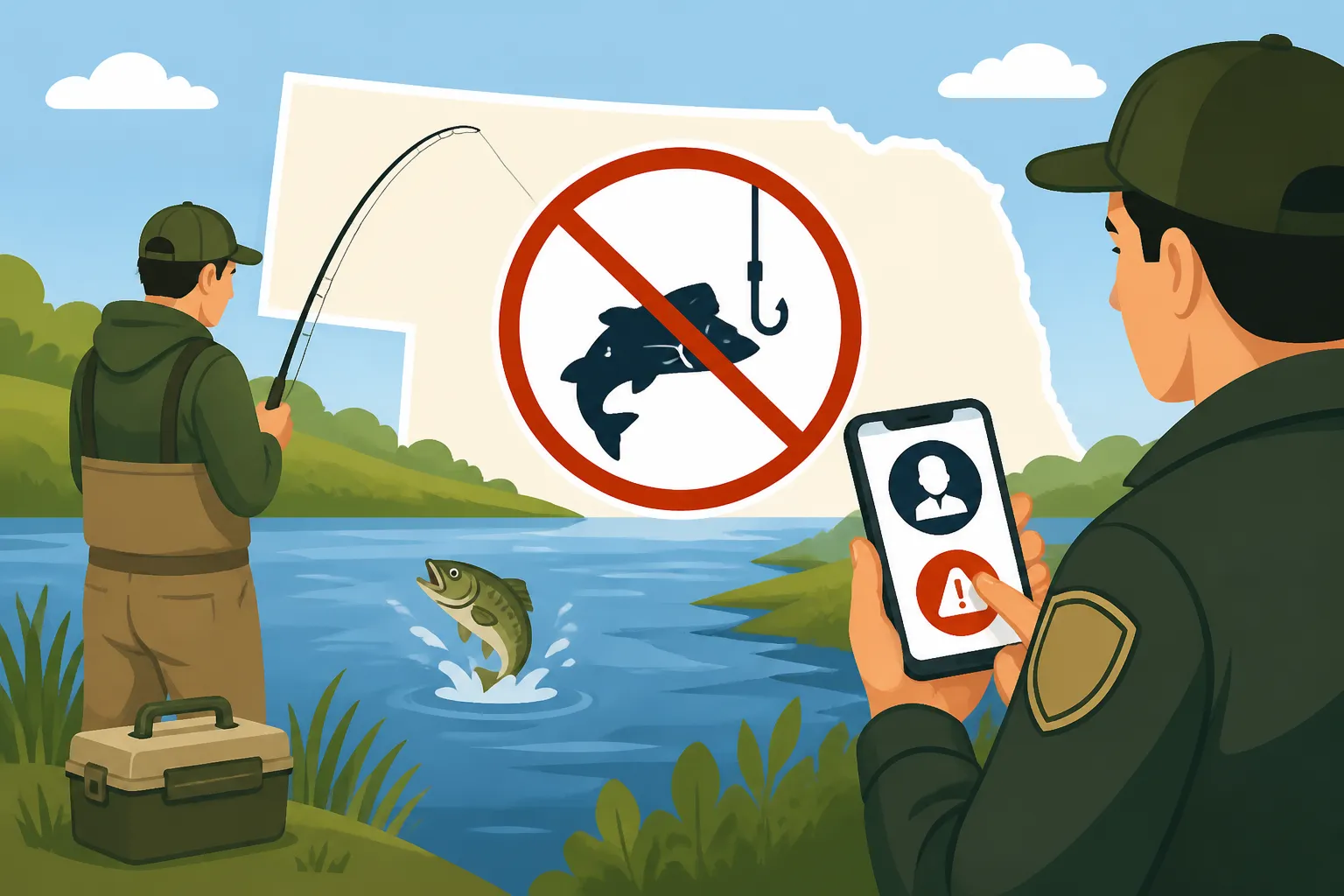
It's natural to feel a strong urge to intervene when you see someone breaking the rules, especially when it jeopardizes the fishing experience for everyone. However, your personal safety should always be your top priority. Do not, under any circumstances, confront individuals you suspect of committing a violation.
These situations can be unpredictable, and you don't know how someone might react. Instead, maintain a safe distance. Observe calmly and discreetly. Use your phone to take photos or videos if you can do so without drawing attention to yourself. A good zoom lens on your phone, or a dedicated camera, can capture crucial details without putting you in harm’s way. Remember, the goal is to provide accurate information to law enforcement, not to become personally involved in a potentially dangerous situation. Your role is that of a responsible witness, not an enforcer. Once you have the information, immediately remove yourself from the area if you feel uncomfortable or unsafe before making the report. It's better to lose a few details than to put yourself at risk.
The Process After Making a Report
You've done your part: observed, gathered information, and made the call to the Nebraska Wildlife Crimestoppers hotline or your local NGPC office. Now, what happens next? It’s important to understand the process so you can manage your expectations and appreciate the work that goes into enforcing these regulations.
What Happens Behind the Scenes
Once your report is received, especially if it's an urgent, in-progress violation reported to the Crimestoppers line, it is swiftly relayed to the nearest available Nebraska Game and Parks Conservation Officer (Game Warden). These officers are essentially state police officers with specialized training in wildlife and environmental law enforcement. They will prioritize and investigate your report based on the severity of the alleged violation, the clarity of the information provided, and their current workload and location.
It's not always a Hollywood movie where sirens blare and arrests are made on the spot. Often, a Game Warden will respond to the reported location to observe the situation, confirm the violation, and gather further evidence. They might speak to the individuals involved, inspect their catch, check licenses (like a Nebraska Resident Fishing License Requirements or Nebraska Nonresident Fishing License Requirements), and examine their gear. If a clear violation is confirmed, they will take appropriate action, which could range from a verbal warning to a citation, seizure of illegally taken fish or equipment, or even an arrest for more serious offenses. Remember, the accuracy of your initial report, especially details like vehicle license plates or boat registration numbers, significantly aids their ability to locate and identify suspects. The Game Warden will compile their findings, and if charges are pressed, the case may proceed through the legal system, potentially resulting in fines, loss of fishing privileges, or other Nebraska Fishing Violation Penalties.
Following Up and Maintaining Contact
Many reporting systems offer the option to remain anonymous, which is perfectly acceptable and often preferred by witnesses. If you choose to provide your contact information, however, a Game Warden might reach out to you for additional details or clarification. This doesn't happen with every report, but it’s a possibility, especially if your information is crucial or if the case is complex. If you do provide your name, you might also have the option to inquire about the outcome of your report.
It's important to understand that law enforcement agencies often cannot disclose the full details of an ongoing investigation or the specific outcome of a case due to privacy laws and legal processes. However, they may be able to give you a general update or confirm that action was taken. Don't be discouraged if you don't hear back immediately or if you don't get a blow-by-blow account. The Game Wardens are professionals, and they take every legitimate report seriously. Your contribution, even if it feels small, is a vital part of protecting Nebraska's fishing heritage. Keep observing, keep reporting, and keep doing your part as a responsible angler.
Disclaimer
The information provided in this guide is for informational purposes only and does not constitute legal advice. Always refer to the official Nebraska Game and Parks Commission regulations and consult with legal professionals for specific legal questions. Fishing regulations can change, so it's always best to check the most current rules before heading out.