Johnson Lake Fishing
Few things are as frustrating as planning a fishing trip to a new lake, only to arrive feeling completely lost, unsure where to launch, what to target, or what techniques will actually work. You’ve heard the whispers about Johnson Lake being a fantastic spot in Nebraska, but without solid, practical advice, it’s easy to feel overwhelmed. This comprehensive guide is designed to cut through that confusion, providing you with everything you need to confidently tackle Johnson Lake, from understanding its diverse fish populations to mastering the best seasonal tactics and accessing prime fishing spots.
Discovering the Appeal of Johnson Lake for Anglers
Johnson Lake, nestled in central Nebraska, is more than just a body of water; it’s a vibrant hub for recreation and, most importantly for us anglers, a fantastic fishery. This large reservoir, fed by the Central Nebraska Public Power and Irrigation District canal system, boasts a rich ecosystem that supports a wide array of popular game fish. Its unique position as a major irrigation reservoir means water levels can fluctuate, which, while sometimes challenging, also creates diverse habitats and fishing opportunities throughout the year.
A Premier Destination in Central Nebraska
If you’ve ever driven through the heart of Nebraska, you know that large, productive lakes aren't always abundant, which makes Johnson Lake a true gem. Situated southwest of Lexington, it's easily accessible and has become a favorite for both local and out-of-state anglers. The lake covers over 2,000 acres when full, offering plenty of room to explore, whether you’re casting from shore, cruising in a bass boat, or slowly trolling for walleye. Its expansive open waters and numerous coves, points, and submerged structures make it a versatile fishing ground for various techniques.
Many anglers appreciate Johnson Lake for its consistent fishing action. It's not uncommon to hear tales of impressive catches, from chunky walleye to hard-fighting white bass and healthy largemouth. The lake's infrastructure, including multiple boat ramps, campgrounds, and nearby towns like Lexington, ensures that anglers have all the support services they need for a comfortable and productive trip. For anyone looking to experience some of the best fishing Nebraska has to offer, Johnson Lake truly stands out as a top-tier destination that rarely disappoints.
The Diverse Fishery of Johnson Lake
What truly sets Johnson Lake apart is the incredible diversity of its fish populations. You're not just limited to one or two species here; the lake supports a robust ecosystem that provides opportunities to target many of Nebraska's most sought-after game fish. From predatory walleye to schooling white bass, aggressive largemouth, and abundant panfish, there's always something biting. This diversity means you can tailor your fishing strategy to your preferred species or simply enjoy the thrill of catching whatever comes your way.
The nutrient-rich waters and varied bottom structure — a mix of rocky points, sandy flats, and submerged timber — create ideal habitats for different species throughout the year. This ensures that even when one bite slows down, another species is likely active. This adaptability is crucial for anglers, as it means fewer "slow days" on the water. Whether you’re a seasoned pro with specific targets in mind or a family looking for a fun day of panfishing, Johnson Lake’s diverse fishery promises an engaging experience every time you visit.
Understanding Johnson Lake's Key Fish Species
Johnson Lake is renowned for several key species that consistently attract anglers. Knowing what fish are abundant and understanding their behavior is the first step to a successful outing. While there’s a myriad of species, some truly shine in these waters.
Walleye and White Bass: The Main Draw
For many Nebraska anglers, Johnson Lake is synonymous with walleye and white bass. These two species are arguably the most popular targets, and for good reason—they offer exciting action and make for excellent table fare. Walleye fishing here can be fantastic, especially during certain times of the year. They prefer deeper, cooler water but will move shallower to feed, particularly during low-light conditions. Many local anglers consider Lake McConaughy Walleye Fishing to be prime, but Johnson Lake certainly gives it a run for its money, especially for consistent catches. The challenge of locating these elusive fish often makes their capture even more rewarding.
White bass, on the other hand, are typically found in large, aggressive schools, making for fast-paced, high-volume fishing. When you find a school of white bass actively feeding, it can be non-stop action. They are particularly active during their spring spawning runs and can often be seen busting baitfish on the surface, providing a thrilling visual for anglers. The "wiper" hybrid, a cross between white bass and striped bass, also thrives here and provides an even harder fight and larger size for those lucky enough to hook into one. For more information on these feisty fish, check out our guide on White Bass Fishing in Nebraska.
Largemouth Bass and Crappie: A Healthy Population
While walleye and white bass often steal the spotlight, Johnson Lake also holds a very healthy population of largemouth bass and crappie. For bass anglers, the lake provides ample opportunities, especially around the numerous coves, submerged vegetation (when present), and rocky shorelines. Largemouth bass are ambush predators, and targeting them with artificial lures around structure can be incredibly rewarding. You might find yourself casting jigs, crankbaits, or soft plastics into promising-looking cover, hoping for that tell-tale thump. Our guide to Largemouth Bass Fishing in Nebraska offers more detailed techniques that are highly applicable here.
Crappie, both black and white varieties, are another excellent option, particularly for anglers seeking delicious panfish. They tend to congregate around submerged timber, brush piles, and drop-offs. Finding these "crappie condos" can lead to limits of slab-sized fish. Spring is a prime time as they move into shallower water to spawn, but they can be caught throughout the year by adjusting your depth. Many anglers find the Crappie Fishing in Nebraska to be excellent at Johnson Lake, making it a great spot for family outings or simply stocking up for a fish fry.
Catfish and Panfish: Reliable Bites
Beyond the headliners, Johnson Lake is also home to a robust population of channel catfish and various panfish species like bluegill and sometimes yellow perch. Catfish offer a fantastic opportunity for anglers who prefer a more relaxed fishing experience, often setting lines with cut bait or stink bait and waiting for the rod to double over. They are abundant throughout the lake, particularly in deeper channels, coves, and areas with muddy bottoms. Night fishing can be incredibly productive for catfish, offering a different kind of thrill under the stars. For tips on how to target these whiskered fighters, our How to Catch Catfish in Nebraska guide is a great resource.
Bluegill and other sunfish species are perfect for young anglers or those looking for consistent action. They are typically found in shallower, weedy areas, around docks, or near shoreline cover. A simple worm under a bobber is often all it takes to entice a bite from these willing fish. While not as large as walleye or bass, their feisty tug on light tackle provides endless entertainment. Johnson Lake’s reliable panfish population ensures that even on slower days for other species, there’s usually something to keep your line tight.
Essential Fishing Techniques for Johnson Lake
Successful fishing at Johnson Lake, like any large reservoir, often comes down to adapting your techniques to the specific species and conditions you encounter. While there are countless ways to catch fish, some methods consistently prove more effective in these waters.
Mastering Trolling and Jigging for Walleye and Wipers
For many serious walleye and wiper anglers at Johnson Lake, trolling is a go-to strategy, especially in the vast open waters. Trolling allows you to cover a lot of ground, presenting your lure to numerous fish over a wide area. Crankbaits are a popular choice, with colors and diving depths adjusted to match the forage and water clarity. Experimenting with different speeds and depths is key, often using a fish finder to locate schools of baitfish or prominent underwater structures where predators might be lurking. You can learn more about this technique in our comprehensive guide on How to Fish for Walleye in Nebraska. Using planer boards can also help spread out your lines and cover even more water, especially when targeting actively feeding wipers and white bass across the main lake body.
Jigging, on the other hand, is a more vertical and precise approach, excellent when you’ve located a specific school of fish or a piece of promising structure. Both soft plastic jigs and blade baits can be highly effective for walleye, particularly around drop-offs, humps, and points. For wipers and white bass, spoon jigs or heavy jigging spoons dropped into breaking schools can provoke aggressive strikes. The key with jigging is to feel the bottom and impart a subtle, lifelike action to your bait. Knowing how to read your electronics to pinpoint fish and structure becomes invaluable here, allowing you to drop your presentation right into the strike zone.
Targeting Bass and Crappie in Structure
When it comes to largemouth bass and crappie, structure is your best friend at Johnson Lake. Bass love cover, whether it's submerged brush, rocky points, riprap along the dam, or any available aquatic vegetation. Flipping and pitching jigs or Texas-rigged soft plastics into dense cover is a classic bass technique that works well here. In more open areas, crankbaits, spinnerbaits, and even topwater lures during low-light conditions can be highly effective, especially when targeting active fish holding near points or ledges. Understanding the Nebraska Bass Length Limits is crucial before heading out.
Crappie are also structure-oriented, often suspending themselves in brush piles, around submerged trees, or over deeper humps. Small jigs, typically 1/16 to 1/8 ounce, tipped with a minnow or a small soft plastic body, are deadly. Vertical jigging or slow-trolling these presentations around known crappie haunts can fill a livewell quickly. A good fish finder can help pinpoint these schools, and for those who enjoy a more active approach, casting small jigs and retrieving them slowly can also yield great results. Many anglers swear by the precision a good sonar provides for locating these suspended schools.
Effective Methods for Shore and Bank Fishing
Not everyone has a boat, and that's perfectly fine—Johnson Lake offers some fantastic opportunities for shore and bank anglers too. The shoreline around the lake provides numerous access points, particularly near the state recreation areas and public access sites. For catfish, simple bottom rigs with sinkers and a baited hook are incredibly effective. Chicken liver, cut bait, or stink baits fished near deeper cuts or drop-offs can produce some hefty channel cats. This is a very relaxing way to fish and often yields good results, especially in the evenings.
For panfish like bluegill and sunfish, a lightweight spinning rod with a bobber and a small hook baited with a worm or piece of corn is all you need. Look for areas with shallower water, submerged weeds, or overhanging trees where these smaller fish tend to congregate. These spots are often perfect for introducing kids to fishing. Even white bass can be caught from shore, especially during their spring runs when they move into shallower areas to spawn. Casting small spinners or spoons can be very effective when they are chasing baitfish close to the bank. Before you head out, make sure you understand the general Nebraska Fishing Regulations Explained to ensure a compliant and enjoyable trip.
| Species | Primary Technique | Best Bait/Lure | Best Season | Prime Depth/Structure |
|---|---|---|---|---|
| Walleye | Trolling, Jigging | Crankbaits, Jigs, Crawlers | Spring, Fall, Winter | Humps, Points, Drop-offs |
| White Bass | Trolling, Casting | Spoons, Spinners, Small Cranks | Spring, Summer, Fall | Open Water, Breaking Schools |
| Largemouth Bass | Casting, Flipping | Jigs, Plastics, Crankbaits | Spring, Summer, Fall | Weeds, Rocks, Timber |
| Crappie | Jigging, Drifting | Small Jigs, Minnows | Spring, Fall, Winter | Brush Piles, Submerged Trees |
| Channel Catfish | Bottom Fishing | Cut Bait, Stink Bait | Spring, Summer, Fall | Deeper Channels, Mud Flats |
| Bluegill | Bobber Fishing | Worms, Small Jigs | Spring, Summer, Fall | Shallows, Docks, Vegetation |
Navigating the Seasons: When and Where to Fish Johnson Lake
Understanding the seasonal patterns of fish movement and behavior is paramount to consistent success at Johnson Lake. Each season brings unique challenges and opportunities, requiring different approaches to lure fish to your line.
Springtime Opportunities and Spawning Runs
Ah, spring at Johnson Lake! This is a magical time when the water starts to warm, and fish become incredibly active, particularly as they prepare for or engage in their spawning rituals. Many anglers eagerly anticipate the Spring Fishing in Nebraska, and Johnson Lake is no prime example. For walleye, the pre-spawn and spawn periods, typically late March through April, can offer some of the best fishing of the year. They move shallower, often congregating near rocky points, dam riprap, or feeder creeks. Trolling shallow-diving crankbaits or casting jigs tipped with live bait can be highly effective. The walleye here are often very focused during this time, making them a prime target.
White bass also stage their impressive spawning runs in spring, often moving up into the arms of the lake or congregating in major creeks and channels. This is when you can find incredible action, sometimes catching dozens of fish in a short period. Look for them busting bait on the surface or concentrated in current breaks. Crappie too move into shallower coves and brushy areas to spawn when water temperatures hit the mid-50s to low 60s. This is a fantastic time for shore anglers or those in smaller boats to target them with small jigs and minnows. The sheer energy of spring fishing here is undeniable, offering diverse opportunities for nearly every species.
Summer Strategies for Deeper Waters
As the Nebraska summer heats up, fish at Johnson Lake, especially the larger predators, tend to move deeper to seek cooler, more oxygenated water. This doesn't mean fishing slows down; it just means you need to adjust your tactics. Walleye will often be found on deeper humps, main lake points, and channel edges. Trolling with deeper-diving crankbaits or using bottom bouncers with crawler harnesses can be very effective. Night fishing for walleye also becomes a prime tactic during the hot summer months, as they move shallower under the cover of darkness. Our guide on Summer Fishing in Nebraska offers further insights for these conditions.
Largemouth bass will often relate to any available cover in deeper water or move into shaded areas during the heat of the day. Early morning and late evening topwater action can still be good, but during midday, you'll want to target them with jigs, Texas rigs, or deep-diving crankbaits around submerged timber, docks, or rock piles. Catfish are exceptionally active throughout the summer, biting well day and night. Focus on deeper holes, channel swings, and areas with current, using hearty baits. Even panfish will move to deeper structure during the hottest parts of the day, so don't be afraid to fish deeper than you might in spring.
Fall Turnover and Active Feeding
Fall is another fantastic time to fish Johnson Lake, often considered a "second spring" by many seasoned anglers. As water temperatures begin to cool, the lake undergoes its annual "turnover," where the warmer surface water mixes with the cooler, deeper water. This process can initially scatter fish, but once the turnover stabilizes, usually by late September or early October, the fishing can become explosive. Fish are in a pre-winter feeding frenzy, trying to pack on calories, making them aggressive and easier to catch. You'll find detailed strategies for this season in our Fall Fishing in Nebraska article.
Walleye and white bass will aggressively chase baitfish, often moving into shallower flats and points during overcast days or low light. Trolling crankbaits or casting spoons and lipless crankbaits can be very productive. Largemouth bass will also be active, pushing baitfish into coves and shallow pockets, making them susceptible to spinnerbaits, crankbaits, and jigs. Crappie will start to school up tightly around deeper brush piles and submerged timber, offering excellent opportunities for vertical jigging. The vibrant fall colors around the lake add another layer of enjoyment to these productive fishing trips.
Winter Ice Fishing Prospects
When winter truly sets in and the ice thickens, Johnson Lake transforms into an ice angler's paradise. While not as universally known for ice fishing as some other Nebraska lakes, it offers fantastic opportunities, especially for walleye, crappie, white bass, and perch. Safety is always paramount when venturing onto the ice, so always check local conditions and ice thickness before heading out. Our guide on How to Ice Fish in Nebraska provides crucial safety tips.
Ice anglers often target walleye and white bass with jigging spoons, blade baits, or small jigs tipped with minnows. Look for them over deeper humps, points, and channel edges. Crappie can be found suspended over brush piles or in deep coves, eager to take small tungsten jigs tipped with wax worms or plastics. Perch and bluegill are often found in shallower, weedy areas. Having a portable ice shelter can make those long winter days much more comfortable, allowing you to stay out longer and increase your chances of success. The solitude and unique challenge of ice fishing make it a rewarding experience for those willing to brave the cold.
Johnson Lake Access, Amenities, and Local Tips
A great fishing trip involves more than just catching fish; it requires good access, convenient amenities, and a bit of local know-how. Johnson Lake excels in providing these crucial elements for anglers.
Boat Ramps, Marinas, and Shoreline Access
Johnson Lake is very accommodating for boaters, with several well-maintained boat ramps scattered around its perimeter, ensuring easy access regardless of where you're staying or what part of the lake you plan to fish. Popular ramps include those at the Johnson Lake State Recreation Area (SRA), which offers multiple ramps, as well as the inlet and outlet areas. These ramps typically feature ample parking, making launch and retrieval relatively smooth, even on busy weekends. For those looking for a full-service experience, there's often a marina on the lake offering fuel, bait, tackle, and sometimes boat rentals. Knowing the best place to launch can save you time and hassle, getting you on the water faster. For boaters, it's also essential to be familiar with Nebraska Boat Registration and Equipment Requirements before heading out.
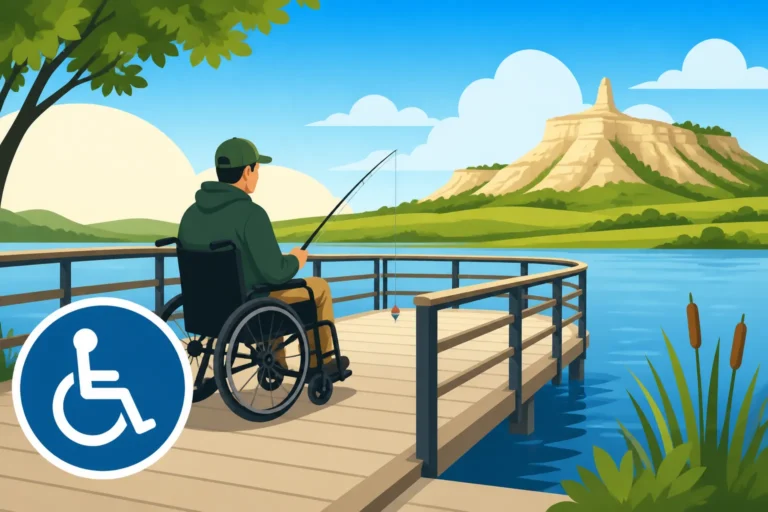
Even if you don't have a boat, Johnson Lake still offers numerous opportunities for shoreline fishing. The Johnson Lake State Recreation Area provides miles of accessible bank, including designated fishing piers and areas of riprap that can be incredibly productive for catfish, crappie, and even walleye during certain seasons. Walking the banks, you can find quiet coves perfect for setting up a folding chair and enjoying a peaceful afternoon. Always be mindful of private property signs and stick to public access points to ensure a respectful and legal fishing experience.
Nearby Services and Accommodations
A successful fishing trip often depends on convenient access to supplies, food, and a comfortable place to rest. Johnson Lake is well-served by the nearby towns, most notably Lexington, Nebraska, which is just a short drive away. In Lexington, you'll find everything you need, from grocery stores to bait and tackle shops, gas stations, and a variety of dining options. This means you can easily restock your cooler, grab some fresh bait, or enjoy a meal after a long day on the water without having to travel far.
For overnight stays, Johnson Lake State Recreation Area offers numerous camping opportunities, from primitive tent sites to RV hookups, many with direct lake access. There are also cabins available for rent, providing a more comfortable "glamping" experience. If you prefer a hotel, Lexington has several options that cater to different budgets. This blend of on-site and nearby amenities makes planning a multi-day fishing adventure at Johnson Lake straightforward and enjoyable. If you’re ever considering booking a guided trip to maximize your time on the water, you might find local guides listed on platforms like FishingBooker, which can connect you with experienced captains who know Johnson Lake inside and out.
Navigating Regulations and Local Knowledge
Like any public fishery, Johnson Lake operates under the regulations set forth by the Nebraska Game and Parks Commission. Before casting a line, it's imperative to have a valid Nebraska Fishing License Guide and be aware of species-specific rules, such as the Nebraska Walleye Daily Bag Limit, Nebraska Crappie Daily Limit, and Nebraska Bass Length Limits. These regulations are in place to ensure the health and sustainability of the fishery for future generations. Ignorance of the rules is never an excuse, and game wardens do patrol the lake, so it’s always best to be prepared.
Beyond formal regulations, local knowledge can be a game-changer. Chatting with anglers at the bait shop, reading local fishing reports, or even connecting with guides on platforms like FishingBooker can provide invaluable insights into current hot spots, bait preferences, and prevailing conditions. For instance, sometimes a specific crankbait color is outperforming all others, or a particular depth is holding the majority of the fish. These small pieces of information, often gleaned from experienced locals, can dramatically increase your chances of success and make your Johnson Lake fishing trip truly memorable.
Planning Your Johnson Lake Fishing Adventure
Embarking on a fishing trip to Johnson Lake requires a bit of foresight and preparation. Having the right gear, understanding your options for guidance, and practicing responsible angling are all key components of a successful and enjoyable experience.
Gear Essentials for a Successful Trip
When gearing up for Johnson Lake, versatility is key, as the lake offers such a diverse fishery. For walleye and white bass, a medium-light to medium-action spinning or baitcasting rod, paired with a reliable reel spooled with 8-12 lb test fluorocarbon or braided line, will handle most situations. You'll want a selection of crankbaits, jigging spoons, and various jigs (from 1/8 to 3/8 oz) in different colors. For trolling, ensure you have an assortment of deep and shallow-diving crankbaits.
Bass anglers will appreciate a medium-heavy action rod for pitching and flipping, along with a selection of soft plastics, jigs, and perhaps a few topwater lures. Crappie and panfish require lighter tackle, typically ultra-light rods with 4-6 lb test line, and small jigs or bobber setups. Don't forget essential items like a good landing net (especially for larger walleye or wipers), a pair of pliers for hook removal, sunscreen, bug spray, and a cooler to keep your catch fresh. Depending on your boat type, you might also want to review our Best Boats for Nebraska Reservoir Fishing guide. A good quality fish finder is almost indispensable for efficiently locating fish and structure on a lake this size.
Hiring a Guide or Planning Solo
Deciding whether to hire a fishing guide or tackle Johnson Lake on your own depends on your experience level, time constraints, and budget. For those new to the lake, or perhaps new to a specific technique, a local guide can be an invaluable asset. They bring years of experience, current knowledge of hot spots, and often have specialized equipment that can put you on fish quickly. A guide can teach you techniques tailored to Johnson Lake's unique characteristics, saving you countless hours of trial and error. Websites like FishingBooker are excellent resources for finding and booking reputable local fishing guides who specialize in Johnson Lake.
However, many anglers prefer the challenge and satisfaction of planning a solo trip. If you have some experience, enjoy the detective work of finding fish, and have done your homework (like reading this guide!), a DIY trip can be incredibly rewarding. It allows for complete freedom to explore, experiment, and learn the lake at your own pace. Just ensure you're well-equipped with maps, a GPS, and an understanding of the current conditions. Whether guided or solo, the preparation you put in beforehand will greatly impact your success.
Responsible Angling and Conservation
As stewards of our natural resources, responsible angling is crucial to maintaining the health and vitality of Johnson Lake's fishery. This means adhering to all Nebraska fishing regulations, including bag and length limits. These rules aren't arbitrary; they are carefully designed to ensure sustainable fish populations for current and future generations. Always be prepared to properly measure and identify your catch, and if you plan to practice catch and release, do so with care to minimize stress on the fish.
Beyond regulations, practicing good etiquette on the water is also important. Be respectful of other anglers, especially when launching boats or navigating crowded areas. Pack out everything you pack in, leaving no trash behind. Consider joining local conservation efforts or supporting organizations that work to protect Nebraska's aquatic habitats. By doing our part, we ensure that Johnson Lake remains a premier fishing destination for everyone to enjoy. If you need to acquire or renew your permits, remember that the GoOutdoorsNE Online Permit System makes it simple and convenient.
Disclaimer
Please note that fishing conditions, regulations, and access points can change. Always consult the latest Nebraska Game and Parks Commission regulations and local advisories before planning your trip to Johnson Lake. This guide is intended for informational purposes only and does not constitute professional advice.