Best Nebraska Fishing Spots for Big Channel Catfish
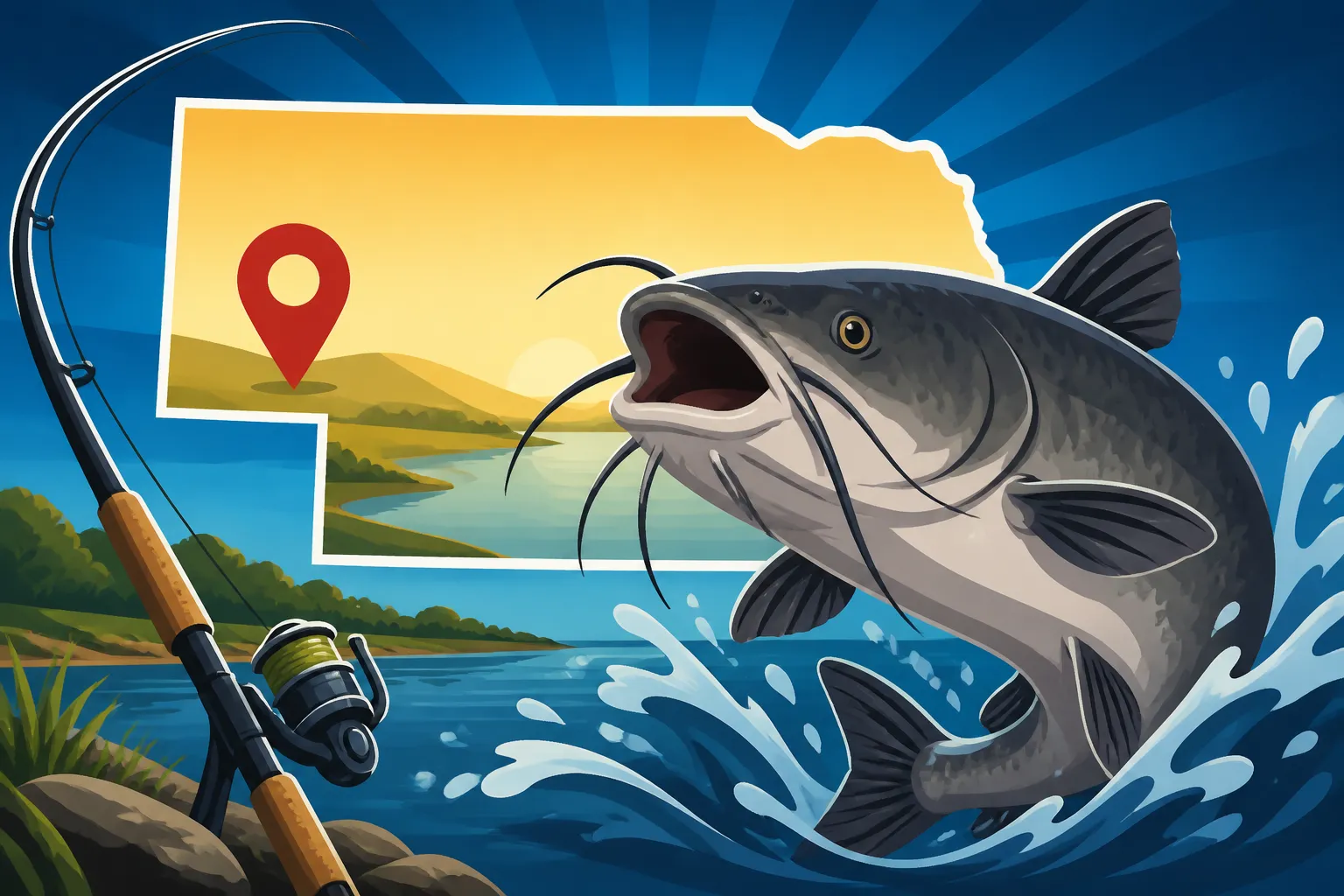
It's a common dream for many anglers hitting the waters of Nebraska: not just to catch a channel catfish, but to land one of those true behemoths, the kind that makes your reel scream and your arms ache. The frustrating reality is that while channel cats are abundant, consistently finding and hooking the really big ones, the ones pushing into double digits or even trophy status, requires specific knowledge and a strategic approach. This guide is dedicated to helping you unlock the secrets to targeting and landing those impressive, oversized channel catfish that call Nebraska's rivers and reservoirs home.
Understanding Nebraska's Trophy Channel Catfish Potential
Nebraska might be known for its cornfields, but underneath the surface of its vast river systems and sprawling reservoirs lies a fantastic, often underestimated, fishery for powerful channel catfish. These aren't just your average pan-sized eaters; we're talking about legitimate fighting machines that grow to impressive sizes here.
The Allure of Big Cats in the Cornhusker State
There's something incredibly satisfying about the distinct, aggressive strike of a channel catfish, especially when it's a big one. They're hard fighters, pulling with a stubborn strength that can surprise even seasoned anglers. Nebraska’s diverse aquatic environments, from the wide, meandering Missouri River to the deeper, structure-rich reservoirs, provide abundant food sources and ideal habitats that allow channel cats to grow exceptionally large. This means the potential for a true trophy is very real if you know where to look and how to fish. The robust ecosystems support a healthy forage base, including various baitfish and aquatic invertebrates, which translates directly into bigger, stronger catfish.
Many anglers are drawn to the tranquility of a night fishing trip, patiently waiting for that tell-tale tap-tap-tap, followed by a rod-bending thud that signals a big cat has found your bait. The anticipation is palpable, and the reward of wrestling a substantial fish to the bank or boat is second to none. If you're passionate about Channel Catfish Fishing in Nebraska, you'll find that the state offers diverse opportunities to pursue these whiskered warriors.
What Qualifies as a "Big" Channel Catfish Here
Defining a "big" channel catfish can be subjective, but in Nebraska, we generally start thinking "trophy" when a channel cat hits the 10-pound mark. Anything over 15 pounds is certainly a brag-worthy catch, and fish pushing 20 pounds are truly exceptional. Nebraska has a state record channel catfish weighing over 41 pounds, caught from the Missouri River, which really puts into perspective the upper limits of what's possible here. While most anglers won't approach the state record, understanding what constitutes a significant catch helps set realistic goals. You can learn more about just How Big Channel Catfish Get in Nebraska to manage your expectations and define your personal trophy size.
These larger fish often display different behaviors than their smaller counterparts. They're typically more solitary, more cautious, and prefer deeper, more secluded areas with plenty of cover. They’ve survived longer by being smart, so you'll need to adjust your tactics accordingly. Don't go out expecting to catch a dozen 15-pounders; these are prize fish that require patience, persistence, and the right approach.
Prime River Systems for Giant Channel Catfish
When it comes to consistently producing truly massive channel catfish, Nebraska's rivers, particularly its largest ones, are often your best bet. The constant flow, diverse structure, and rich food webs found in these moving waters are ideal for growing substantial cats.
The Mighty Missouri River: A Catfish Powerhouse
The Missouri River, forming Nebraska's eastern border, is unequivocally one of the best places in the state, if not the entire region, for giant channel catfish. This vast, powerful river boasts deep scour holes, submerged timber, rock piles, and wing dams that create perfect ambush points for big cats. The sheer volume of water and the abundance of forage, including shad and other baitfish, allow channel catfish to thrive and grow to incredible sizes. You'll often find these monsters lurking in the slack water behind wing dams, in deep channels, or near major current breaks where food is funneled to them.
Fishing the Missouri can be challenging due to its strong currents and unpredictable nature, but the rewards are well worth it. Many anglers target the border waters, and it’s always wise to be clear on your Nebraska Fishing Regulations Explained for these shared zones. If you're looking for a serious angling adventure, exploring Missouri River Fishing in Nebraska specifically for channel cats is highly recommended. For those unfamiliar with these waters, booking a guided trip through services like FishingBooker can be an excellent way to learn the ropes and increase your chances of hooking into a trophy.
The Platte River's Hidden Giants
The Platte River, though often shallower and wider than the Missouri, also holds a significant population of large channel catfish, especially in its lower and middle stretches. The key here is to find the deeper holes, undercut banks, and significant log jams. These features provide vital cover and current breaks where big cats can hide from the flow and wait for prey. The Platte's nutrient-rich waters support a strong food chain, contributing to the growth of hefty catfish.
While the Platte can be more accessible for bank anglers and smaller boats, don't underestimate the challenge of navigating its shifting sandbars and varying depths. Persistence is crucial. Early morning or late evening, especially after a rain event that stirs up food, can be incredibly productive. For a deeper dive into targeting these fish, check out our guide on Platte River Catfish Fishing. Remember to secure your Nebraska Fishing License Guide before heading out, as regulations apply to all public waters.
Smaller Rivers and Tributaries with Potential
Beyond the two major rivers, Nebraska's smaller river systems and their tributaries, such as the Elkhorn and Loup rivers, shouldn't be overlooked. While they might not produce the sheer numbers of trophy fish as the Missouri, they offer more intimate fishing experiences and can certainly harbor individual giants. These rivers often have numerous bends, deep holes, and brush piles where large channel cats establish territories.
The key to success in these smaller waters is often finding the less pressured areas. Look for sections with limited access, or areas where fallen trees create significant cover and current breaks. The Elkhorn, in particular, is known for its strong populations of channel catfish, and if you're willing to explore, you might stumble upon a honey hole holding some true monsters. These smaller rivers are perfect for those who enjoy a bit of adventure and don't mind wading or navigating with a canoe or kayak to reach prime, untouched spots.
Top Reservoirs and Lakes for Heavyweight Cats
While rivers are renowned for their current-loving cats, Nebraska's numerous reservoirs and larger lakes also offer fantastic opportunities for landing big channel catfish. These impoundments provide different types of habitat but can be equally productive for substantial fish.
Branched Oak Lake and the Salt Valley Lakes
Just outside of Lincoln, the Salt Valley Lakes, particularly Branched Oak Lake, are urban angling gems that consistently produce big channel catfish. These lakes are well-managed and stocked, and their rich forage base allows catfish to grow large. Branched Oak, being the largest of these, offers a variety of habitat, from deep channels to coves with standing timber. Large channel cats in these lakes often patrol the main lake points, submerged humps, and areas around the dam.
The accessibility of these lakes makes them popular, but don't let that deter you. The sheer volume of fish means there are plenty of big ones to go around. Night fishing from shore or boat can be exceptionally productive, especially during the warmer months when big cats are actively feeding. You'll want to review the current Nebraska Catfish Bag Limits before planning your outing. Many experienced guides, easily found on sites like FishingBooker, specialize in putting anglers on these larger fish in the Salt Valley system.
Harlan County and Sherman Reservoirs: Western Nebraska's Gems
Moving west, Harlan County Reservoir near Republican City and Sherman Reservoir near Loup City are two massive impoundments that are highly regarded for their channel catfish populations, including a good number of large fish. Harlan County, being one of Nebraska's largest reservoirs, offers expansive waters with various structures, from rocky points to submerged creek channels. Big cats here often relate to the old river channel, particularly near bends and deep holes, or patrol the vast flats for schools of shad.
Sherman Reservoir is known for its excellent fishing, including impressive channel catfish. Its deeper water and extensive cover, often in the form of standing timber, provide ideal habitat for trophy-sized fish. These reservoirs offer the space and food resources necessary for channel cats to grow into true giants. Both lakes are excellent destinations for an extended fishing trip, offering camping and plenty of angling opportunities. To ensure you're getting the best local intel, especially for specific patterns or current conditions, consider checking out local fishing reports or even booking a trip through FishingBooker with a specialized catfish guide.
Lake McConaughy's Surprisingly Large Catfish
While Lake McConaughy, or "Big Mac" as it's affectionately known, is famous for its walleye and wipers, it also harbors a healthy population of surprisingly large channel catfish. Anglers often overlook these whiskered giants in pursuit of other species, but those who specifically target them can be handsomely rewarded. The deep, clear waters of McConaughy provide plenty of forage and cool, oxygenated depths where big cats can thrive, particularly around the major inflows, deeper coves, and areas with submerged timber or rock piles.
Fishing for catfish at McConaughy often means focusing on the lake's western end where the North Platte River enters, or in the deeper parts of its many bays and coves. The vastness of the lake can be intimidating, but narrowing your focus to these key areas can yield impressive results. Don't be surprised if a big channel cat takes your walleye bait; it happens more often than you'd think!
Essential Strategies for Hooking Trophy Channels
Catching big channel catfish isn't just about showing up; it's about understanding their habits, preferences, and deploying the right techniques. These larger fish are often more discerning and require a thoughtful approach.
Bait and Rigging for Goliath Catfish
When targeting trophy channel catfish, your bait and rigging choices are paramount. Forget the small worms and tiny hooks; we're talking about baits with significant scent trails and robust tackle to handle powerful fish. Cut bait, such as fresh gizzard shad, carp, or even panfish like bluegill, is incredibly effective. The scent released by cut bait travels far in the water, attracting big cats from a distance. Chicken liver is a classic, but for truly big fish, something more substantial and natural is often preferred. Stink baits, especially those specifically formulated for large channel cats, can also be very productive, particularly in stained or muddy waters.
For rigging, a slip-sinker rig is a go-to choice. This setup allows the line to run freely through the sinker, so a wary catfish won't feel resistance when it picks up the bait. Use heavy-duty monofilament or braided line (20-50 lb test, depending on the current and snags) and strong, sharp circle hooks in sizes 4/0 to 8/0. Circle hooks are fantastic for catfish as they typically hook the fish in the corner of the mouth, minimizing gut hooks and making release easier. For more detailed advice on what to put on your hook, refer to our guide on the Best Bait for Nebraska Catfish. And remember, for battling these big fish, having the Best Catfish Gear for Nebraska Rivers can make all the difference.
Timing and Location: When and Where to Find the Big Ones
Timing is everything when it comes to big catfish. While channel cats can be caught year-round, the warmer months from late spring through early fall are prime time. This is when their metabolism is high, and they are actively feeding. Pay close attention to weather patterns; a rising barometer after a cold front or a period of stable warm weather can turn on a bite. Also, remember that Nebraska Fishing Seasons Explained can give you a general idea of when different species are most active.
Location, location, location! Big channel cats love structure and current breaks. In rivers, look for deep holes, outside bends, log jams, and areas downstream of sandbars or wing dams. In reservoirs, focus on main lake points, submerged humps, old creek channels, deep rock piles, and areas where standing timber provides cover. Don't be afraid to move around until you find actively feeding fish. Big cats are often ambush predators, waiting for food to come to them.
Fishing at Night: The Secret to Monster Cats
If you're serious about landing a truly colossal channel catfish, night fishing is almost mandatory. Larger catfish, especially in pressured waters, become much more active and less cautious under the cover of darkness. They move into shallower waters and actively hunt, making them more susceptible to your baits. The peace and quiet of night fishing also add a unique dimension to the experience.
Before heading out after dark, ensure you're familiar with Nebraska Night Fishing Rules. You'll need good lighting (headlamps and lanterns), bug spray, and all the necessary safety gear. Position your baits in areas you scouted during the day, focusing on those prime feeding zones. Finding an experienced guide, perhaps through a platform like FishingBooker, can be a game-changer for consistently landing these larger channel cats during nocturnal excursions. The subtle bites of a large catfish at night can be thrilling, and the reduced boat traffic and cooler temperatures often make for a more enjoyable and productive outing.
Comparing Top Nebraska Catfish Spots
To help you visualize the potential of these amazing fisheries, here's a quick comparison of some of the top spots for big channel catfish in Nebraska:
| Location | Primary Habitat | Avg. "Big" Cat Size | Best Fishing Method(s) | Notes |
|---|---|---|---|---|
| Missouri River | Deep scour holes, wing dams, snags | 10-25 lbs+ | Cut bait, live bait, drift fishing | High potential for state record class fish, strong currents. |
| Platte River | Deep holes, log jams, undercut banks | 8-20 lbs | Cut bait, stink bait, bank fishing | Accessible, but requires finding specific deep pockets. |
| Branched Oak Lake | Submerged humps, channels, dam area | 7-18 lbs | Cut bait, prepared baits, night fishing | Urban access, consistent producers, good for boat and bank. |
| Harlan County Res. | Old river channel, rocky points | 8-20 lbs | Cut bait, shad, drifting, anchoring | Vast lake, excellent forage, can be windy. |
| Sherman Reservoir | Standing timber, deep water | 8-18 lbs | Cut bait, prepared baits, anchoring | Scenic, good structure, known for quality fishing. |
| Lake McConaughy | Inflows, deep coves, submerged timber | 7-15 lbs+ | Cut bait, jigging (incidental) | Often overlooked, but holds quality fish in specific areas. |
Disclaimer
The information provided in this guide is for general informational purposes only and is subject to change. Fishing regulations, license requirements, and local conditions can vary. Always consult the latest Nebraska Game and Parks Commission regulations before fishing. Engaging in outdoor activities carries inherent risks, and it is the responsibility of each individual to ensure their safety and abide by all applicable laws and regulations.