Best Nebraska Urban Fishing Program Ponds
It’s a common frustration for many of us: you love the idea of getting out on the water, feeling that tug on the line, but time is short, gas prices are up, and wading through complex regulations or finding accessible, fishable spots can feel like a chore. That's where Nebraska's Urban Fishing Program Ponds come in, offering readily available, well-stocked, and family-friendly fishing experiences right in your backyard. This guide will take you through the very best of these urban oases and how to make the most of them.
Understanding Nebraska's Urban Fishing Program
The Nebraska Game and Parks Commission (NGPC) developed the Urban Fishing Program with a clear goal in mind: to make fishing accessible to everyone, especially those living in metropolitan areas where a long drive to a reservoir or river might not always be feasible. These ponds aren't just random bodies of water; they are carefully managed and regularly stocked to provide consistent angling opportunities. It's truly a fantastic initiative, cutting through a lot of the logistical hurdles that often keep people from enjoying the outdoors.
The Philosophy Behind Urban Fisheries
The core idea is simple: bring the fishing to the people. In our fast-paced lives, it's tough to dedicate an entire weekend to a remote fishing trip. Urban ponds serve as convenient escapes, perfect for an hour or two after work, a quick morning outing with the kids, or a relaxing afternoon. They're designed to foster a love for fishing, especially among new anglers and families, without requiring extensive travel or specialized equipment. This focus on ease of access and high catch rates helps new anglers build confidence, making it a wonderful gateway into the broader world of Nebraska fishing.
How Ponds Are Chosen and Managed
Not just any pond qualifies for the Urban Fishing Program. The NGPC carefully selects locations based on accessibility, safety, and potential for fish habitat. Once chosen, these ponds receive regular attention. This includes water quality monitoring, habitat improvements like submerged structures or aeration systems, and, most importantly, regular fish stocking. The management ensures that despite heavy fishing pressure, there's always a good population of catchable fish. You don't have to worry about whether a pond has fish; it's practically guaranteed that these program ponds are teeming with them, providing a much higher chance of success than some wilder, less managed waters.
Stocking Schedules and Species
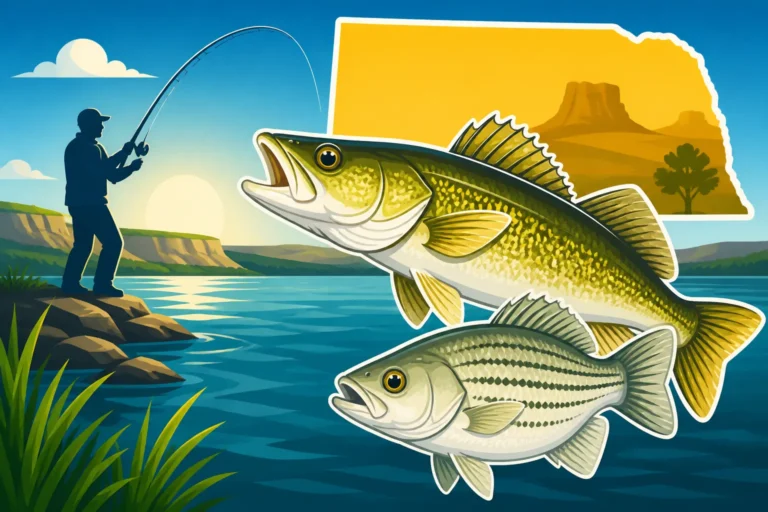
One of the biggest draws of these urban ponds is the predictable stocking. You won't be guessing what's biting or if there are even fish to catch. NGPC staff work hard to keep these ponds well-supplied with popular species, often stocking trout in cooler months and catfish and panfish in warmer seasons. This rotational stocking means anglers can experience different types of fishing throughout the year without having to travel far. You can easily find out what fish are stocked in Nebraska urban ponds by checking the NGPC website, which often provides updated schedules. Common catches include rainbow trout, channel catfish, bluegill, and sometimes even largemouth bass, providing a fantastic variety for anglers of all skill levels.
Top Urban Fishing Program Ponds Across Nebraska
While Nebraska is known for its expansive reservoirs and winding rivers, the Urban Fishing Program brings quality angling right into cities and towns. These aren't just small puddles; many are sizable lakes offering diverse fishing experiences. It’s truly a blessing for those of us who want to wet a line without a long drive. If you're looking to explore some of Nebraska's larger waters or book a guide, you might check out resources like FishingBooker later on, but for now, these urban gems are perfect.
Omaha Area Hotspots
The Omaha metro area, being Nebraska's largest city, boasts an impressive array of urban fishing ponds that are consistently productive. They're perfect for a quick trip after work or a weekend outing with the family.
- Standing Bear Lake (Omaha): This popular lake on the northwest side of Omaha is a consistent producer. It's regularly stocked with channel catfish and rainbow trout in the cooler months, making it a year-round destination. Anglers often find success fishing from its ample shoreline access, fishing piers, or from kayaks and canoes. The lake also has good populations of largemouth bass and various panfish. It's a fantastic place to spend a morning, whether you're a seasoned angler or just starting out.
- Zorinsky Lake (Omaha): Located in southwest Omaha, Zorinsky is another large and highly valued urban fishing destination. Known for its healthy populations of channel catfish, crappie, bluegill, and largemouth bass, it also receives seasonal trout stockings. The lake offers paved trails, multiple fishing jetties, and boat ramps (electric motors only), making it incredibly accessible. You'll often see families picnicking and fishing here, truly making it a community hub.
- Cunningham Lake (Omaha): In North Omaha, Cunningham Lake provides excellent fishing opportunities, particularly for channel catfish, crappie, and bluegill. It's a well-maintained urban park with good shoreline access and several docks. Like its Omaha counterparts, it often sees seasonal trout stockings, providing a diverse angling experience throughout the year. The diverse species present mean you can try different techniques and baits, making it a great place to hone your skills.
Lincoln's Lake Gems
Lincoln, Nebraska's capital city, also delivers with several well-managed urban fishing program ponds that are popular with local anglers. These lakes are easily reachable and provide fantastic angling opportunities.
- Holmes Lake (Lincoln): This is arguably Lincoln's most prominent urban fishing spot. Holmes Lake is a powerhouse for fishing, stocked with channel catfish, rainbow trout (seasonally), largemouth bass, crappie, and bluegill. Its numerous fishing jetties, accessible shoreline, and designated fishing areas make it a favorite for all ages. It's a lively place, especially on weekends, with anglers enjoying the convenience and productivity. If you're looking for an accessible fishing experience right in the city, Holmes Lake is hard to beat.
- Pioneers Park Nature Center Ponds (Lincoln): While smaller and more focused on younger anglers, the ponds within Pioneers Park offer serene settings for a quick catch-and-release experience. They are perfect for introducing kids to fishing, with abundant panfish. It's a great example of how the urban fishing program provides diverse experiences, from larger lakes to more intimate, educational settings.
- Wagon Train Lake (Near Lincoln): While a short drive southeast of Lincoln, Wagon Train is often grouped with the urban program due to its intense management and popularity. It offers robust populations of channel catfish, largemouth bass, and crappie. It's a larger body of water, providing more space and a slightly different feel than the city-center ponds, but still very accessible for a quick trip. For those looking to catch Nebraska Largemouth Bass Length Limit fish, this is a prime spot.
Central and Western Nebraska Opportunities
While the largest concentration of Urban Fishing Program Ponds is naturally in the Omaha and Lincoln metropolitan areas, other communities across Nebraska also benefit from this initiative. These ponds bring fishing close to home for residents in smaller cities, ensuring that accessibility isn't limited to the state's biggest hubs.
- Fremont Lakes State Recreation Area (Fremont): Though a bit north of Omaha, the various sandpits here are intensively managed and stocked, acting as urban fisheries for the Fremont community. These lakes offer fantastic fishing for a variety of species, including trout, catfish, bass, and panfish. It's a bit of a hybrid, offering both natural beauty and managed accessibility, making it a top-tier fishing destination for many. You'll find diverse options here, from smaller, intimate ponds to larger, more open water.
- Kearney Area Ponds: Several smaller municipal ponds in and around Kearney are also part of or benefit from similar stocking efforts, providing local residents with easily accessible fishing. While not always officially branded "Urban Fishing Program," their management mimics the program's goals. These include small city park ponds that might be stocked with trout or catfish, depending on the season, offering a local alternative to driving to larger reservoirs.
- Scottsbluff/Gering Ponds: In western Nebraska, specific local park ponds in Scottsbluff and Gering also see periodic stockings of trout or catfish, providing similar local fishing opportunities. While the infrastructure might not be as extensive as in Omaha or Lincoln, the principle remains: bring the fish to the people. These smaller ponds are excellent for a quiet afternoon or for introducing new anglers to the sport.
Here's a quick look at some key urban fishing program ponds:
| Pond Name | Location | Primary Species Stocked | Key Features | Best For |
|---|---|---|---|---|
| Standing Bear Lake | Omaha | Catfish, Trout, Bass, Panfish | Paved trails, boat ramp (electric), fishing piers | Diverse angling, family outings |
| Zorinsky Lake | Omaha | Catfish, Trout, Bass, Crappie | Multiple jetties, extensive shoreline, electric boats | High success rates, varied species |
| Cunningham Lake | Omaha | Catfish, Crappie, Bluegill, Trout | Shoreline access, docks, park amenities | Convenient, consistent catches |
| Holmes Lake | Lincoln | Catfish, Trout, Bass, Crappie | Numerous jetties, accessible shoreline, park | All ages, high productivity |
| Pioneers Park Ponds | Lincoln | Panfish, Catfish | Nature center, quiet settings, education | Kids fishing, catch & release |
| Fremont Lakes SRA | Fremont | Trout, Catfish, Bass, Panfish | Many sandpits, camping, diverse water types | Weekend trips, variety of fishing |
| Wagon Train Lake | Near Lincoln | Catfish, Bass, Crappie | Larger lake feel, boat ramp, good structure | More serious anglers, boat access |
Making the Most of Your Urban Fishing Trip
You've found your spot, now how do you make sure you have a successful and enjoyable outing? Urban fishing, while convenient, still benefits from a bit of planning and the right approach. Knowing the Nebraska Fishing Regulations Explained will always give you an advantage, ensuring you’re compliant with local rules.
Essential Gear for Urban Ponds
One of the beauties of urban fishing is that you don't need a boatload of expensive gear. A simple spinning rod and reel combo is often all you need.
- Rod and Reel: A light to medium action spinning rod, 6 to 7 feet long, paired with a matching spinning reel spooled with 6-10 lb monofilament or fluorocarbon line, is perfect for most urban species. If you're just starting, check out a guide on the Best Rod and Reel Combo for Beginners in Nebraska.
- Tackle: Keep it simple! A small tackle box with an assortment of hooks (sizes 6-2 for panfish and catfish), split shot weights, bobbers, and maybe a few small jigs or spinnerbaits for bass or crappie. You don't need to overcomplicate things.
- Bait: Live bait is king for urban ponds. Worms (nightcrawlers, red wigglers), corn, small minnows (where legal), or prepared baits like chicken liver or stink baits for catfish are consistently effective. If you're targeting specific species, understanding the Best Bait for Bluegill and Sunfish will significantly increase your catch rate.
- Essentials: Don't forget a small pair of pliers for hook removal, a stringer or cooler if you plan to keep fish (remember your Nebraska Fishing Daily Bag and Possession Limits!), a comfortable chair, sunscreen, and bug spray.
Best Techniques for Success
Urban ponds are often heavily fished, so presentation and patience are key. These fish see a lot of lures and baits, so subtle approaches can often out-perform flashy ones.
- Bobber Fishing: This classic method is incredibly effective and fun, especially for panfish and smaller catfish. Rig a small hook with a piece of worm under a bobber, adjust the depth so your bait is a foot or two off the bottom, and cast near submerged structures, weed lines, or drop-offs. Watching that bobber dip is pure excitement!
- Bottom Fishing: For larger channel catfish, a simple bottom rig works wonders. Use a slip sinker above a swivel, then a 12-18 inch leader tied to a hook baited with chicken liver, cut bait, or stink bait. Cast it out, let it sink to the bottom, and wait for the tell-tale tap-tap-pull. Learning How to Catch Channel Catfish From the Bank is a valuable skill for urban anglers.
- Lure Fishing: If you're targeting largemouth bass or crappie, small soft plastics, spinnerbaits, or crankbaits can be very productive. Focus on casting around any visible cover like fallen trees, weed beds, or rock piles. Early morning or late evening often yields the best results for these predatory species.
- Moving Around: Don't get stuck in one spot if the bites aren't coming. Urban ponds often have varied depths and structures. Try fishing different areas of the pond, from shallow flats to deeper points, until you find where the fish are holding. This is a great tip for the Best Fishing Techniques for Beginners to learn early.
Rules and Regulations Specific to Urban Ponds
While the overall Nebraska Fishing Regulations Explained apply, urban ponds often have specific, localized rules designed to manage high fishing pressure and ensure sustainable populations. It's crucial to check the signs at each pond or the NGPC website for any special regulations.
- Permit Requirements: Everyone 16 years or older needs a Nebraska Fishing License Guide. For youngsters, you'll need to know Do Kids Need a Fishing License in Nebraska? (Generally, no if under 16, but special permits like the Nebraska Youth Fishing License Rules or Mentored Youth Fishing Program Rules can apply for educational events).
- Bag and Length Limits: Urban ponds often have reduced daily bag limits, especially for popular species like trout and catfish, to spread the catch among more anglers. For example, the Nebraska Trout Daily Limit might be lower than in other waters. Always know your Nebraska Fishing Daily Bag and Possession Limits before you go.
- Bait Restrictions: Some urban ponds might have restrictions on certain types of bait, like live minnows, to prevent the introduction of invasive species or to protect smaller fish populations. Always double-check before you use something you're unsure about.
- Gear Restrictions: While less common, a few urban ponds might have limits on the number of poles an angler can use or restrict certain methods like trotlines. For the most part, standard rod and reel fishing is universally accepted.
Benefits Beyond the Catch
The Urban Fishing Program ponds offer so much more than just a place to catch fish. They provide invaluable community resources that foster connections with nature, encourage outdoor activity, and support local ecosystems. It's a testament to how thoughtful management can enrich urban living.
Family-Friendly Fishing
These ponds are truly designed with families in mind. Their accessibility, paved paths, safe shorelines, and often nearby amenities like playgrounds and restrooms make them ideal spots for a family outing. The consistent stocking rates also mean kids are more likely to catch something, which is absolutely critical for keeping their interest. There’s nothing quite like seeing a child's face light up with their first catch, and urban ponds make that experience readily available. They provide a relaxed, low-pressure environment for parents to teach their children about fishing, patience, and respecting nature.
Learning Opportunities
For beginners of all ages, urban ponds are a fantastic classroom. The variety of species, from panfish to catfish, allows new anglers to experiment with different baits and techniques. The clear signs detailing regulations and the presence of other anglers mean there's often a chance to learn from others. These ponds also serve as a gateway to understanding broader ecological principles, fish identification (check out the Nebraska Fish Species Identification Guide), and the importance of conservation. It's an accessible starting point for a lifelong passion, providing the confidence needed before venturing out to larger, more challenging waters. If you're serious about honing your skills or exploring more advanced techniques, you might even consider hiring a guide through a service like FishingBooker for future trips to bigger lakes.
Conservation and Community
The Urban Fishing Program plays a vital role in local conservation efforts. By providing healthy, managed fish populations within city limits, it alleviates some pressure on wilder, more remote fisheries. The program also raises awareness about aquatic habitats and the importance of clean water. These ponds become vibrant community hubs, bringing people together from all walks of life to share a common love for fishing and the outdoors. They demonstrate that conservation isn't just about wilderness areas; it's about making nature a part of our daily lives, even in bustling cities.
Disclaimer
The information provided in this guide is for general informational purposes only and is subject to change. Always consult the official Nebraska Game and Parks Commission website or local regulations before heading out on your fishing trip, as rules, stocking schedules, and conditions can vary. Fishing always carries inherent risks; please exercise caution and practice safe boating and fishing habits.