Platte River State Park Fishing Access
For many anglers, the idea of fishing within a state park conjures images of tranquil lakes and easy access, but the reality of river fishing, especially on a dynamic system like the Platte River, can bring unique challenges. Navigating currents, understanding specific access points, and ensuring you have all the correct permits can be a real headache. This comprehensive guide will illuminate all you need to know about fishing access within Platte River State Park, helping you plan a productive and worry-free fishing adventure.
Understanding Platte River State Park's Fishing Environment
Platte River State Park, nestled in the scenic bluffs between Omaha and Lincoln, offers a distinct fishing experience compared to many other Nebraska waterways. While it’s known for its cabins, hiking trails, and observation towers, the Platte River itself runs through a significant portion of the park, providing unique opportunities for anglers willing to explore.
The Platte River's Unique Character and Park Setting
The Platte River is a large, braided river system, famous for its wide, shallow channels interspersed with deeper cuts and numerous sandbars. Within the confines of Platte River State Park, the river maintains this characteristic, though the park's topography adds a layer of natural beauty with towering bluffs and lush riparian zones. This environment means you're often dealing with varying current speeds, ever-shifting sand and gravel bottoms, and areas that can dramatically change in depth. It's not a static lake; it's a living, breathing river that demands respect and understanding. The park's well-maintained trails and facilities make accessing the river more convenient than some remote stretches, but anglers still need to be prepared for rugged river conditions.
This dynamic nature is precisely what makes it exciting for certain species. While you won't typically find deep-water lake species here, the Platte is a powerhouse for robust river fish. The park's general tranquility, away from the hustle and bustle of major cities, also offers a peaceful backdrop for your fishing endeavors. You might be casting your line with deer grazing nearby or eagles soaring overhead, adding to the overall experience. Understanding this unique combination of park amenities and wild river conditions is your first step to a successful outing.
General Access Points and Restrictions
Platte River State Park does offer several areas where anglers can get to the water, but it's important to remember that access is primarily for bank fishing or wading, rather than boat launching directly within the main park grounds. The park's main areas, like the area near the Owen Landing or close to the main lodge, might have trails leading to river access, but these are often designed more for scenic viewing than direct fishing access. Always consult a park map upon arrival to identify designated fishing areas or trails that lead close to the river.
A crucial point for anyone planning to fish at Platte River State Park is the dual permit requirement. Beyond your standard fishing license, you absolutely need a Nebraska State Park Fishing Permit Rules, which is generally satisfied by purchasing a Nebraska Park Entry Permit. This permit is required for all vehicles entering state park and recreation areas, regardless of whether you're camping, hiking, or simply coming in to fish for the day. For those unfamiliar with the system, you can purchase this permit online via the Nebraska Game and Parks Commission website, or in person at the park entrance or visitor center. Missing this permit can lead to a citation, so always make sure it's prominently displayed in your vehicle.
Target Species and Prime Fishing Locations Within the Park
When you set your sights on fishing the Platte River at Platte River State Park, you're not just casting a line; you're entering the domain of some of Nebraska's most resilient and sought-after river species. Understanding what's biting and where to find them is key to a rewarding trip.
Abundant Fish Species in the Platte River
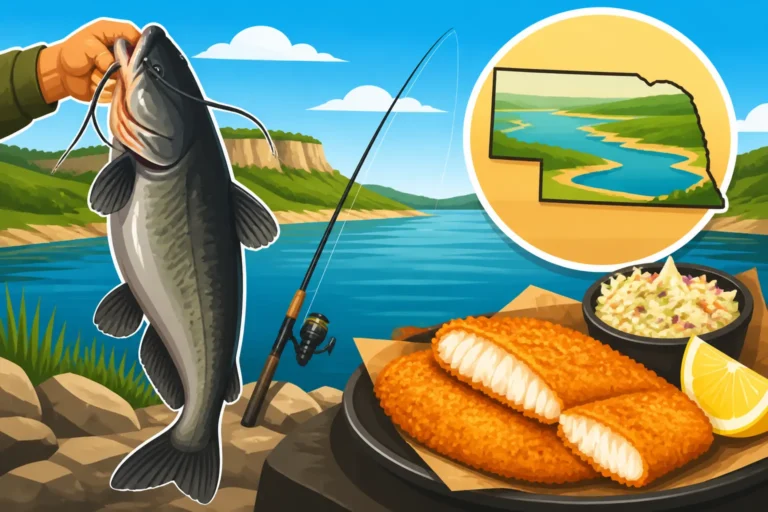
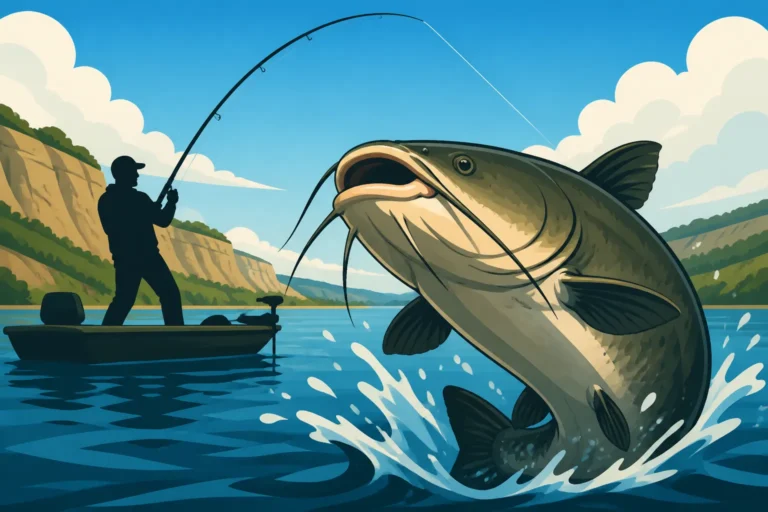
The Platte River, particularly the stretches within the state park, is renowned for its excellent populations of Channel Catfish. These whiskered warriors thrive in the river's currents and diverse bottom structure, from sandy flats to rocky runs. You can expect to encounter them in a wide range of sizes, with plenty of eaters and the occasional trophy-sized fish that will put your tackle to the test. Anglers keen on targeting these fish will find the Platte River to be a fantastic destination, offering consistent action throughout the warmer months. For a deeper dive into techniques and hot spots, check out our guide on Platte River Catfish Fishing.
Beyond the ubiquitous Channel Catfish, the Platte is also home to formidable Flathead Catfish, often lurking in the deeper holes and around submerged timber. While harder to catch, landing a Flathead from the Platte is a truly memorable experience. Other common species include Freshwater Drum, often referred to as "sheephead," which are strong fighters and can provide excellent sport. Various species of Carp are also abundant, offering a challenging fight, especially for those who enjoy targeting larger rough fish. While less common, you might occasionally encounter species like Walleye or Northern Pike, particularly during certain seasons when they move into the river from larger reservoir systems or tributary streams, but these are generally not the primary targets for most Platte River anglers.
Best Spots for Bank Fishing and Wading
Finding the best spots for bank fishing or wading within Platte River State Park often involves a bit of exploration, but there are general principles to follow. Look for areas where the main channel comes closer to the bank, creating deeper pockets or faster currents. These are natural holding areas for catfish and other river species. Points where feeder creeks enter the Platte can also be productive, as they often deposit food and create subtle current breaks. Keep an eye out for visible snags, fallen trees, or rock piles – these provide cover and ambush points for fish.
Wading is a popular and effective method for accessing more of the river, especially the vast stretches of shallower water and hidden channels. However, safety is paramount when wading the Platte. The bottom can be uneven, shifting from solid gravel to soft sand without warning, and the current can be stronger than it appears, especially after rainfall. Always wear a good pair of wading boots with sturdy soles, and consider using a wading staff for stability. Never wade alone, and always let someone know your plans. For more detailed advice on navigating the river on foot, take a look at our guide on Platte River Wading Access Points and remember to prioritize your safety by reviewing How to Wade Fish the Platte River Safely. Remember, river conditions can change rapidly, so always assess the situation before stepping into the water.
Essential Regulations and Permits for Platte River State Park Fishing
Fishing in Nebraska, especially within its state park system, requires a clear understanding of the rules. It's not just about having the right bait; it's about adhering to the letter of the law to ensure conservation and a smooth experience for everyone.
Required Licenses and Permits
First and foremost, if you're 16 years of age or older, you must possess a valid Nebraska Fishing License Guide. This is non-negotiable for all public waters in the state. For those who aren't Nebraska residents, a Nebraska Nonresident Fishing License Guide is required. There are various types of licenses available, from annual permits to shorter 1-day or 3-day options, so choose the one that best suits your trip duration. The good news is that obtaining a license is straightforward, whether you do it online through the GoOutdoorsNE system or at authorized vendors across the state.
In addition to your fishing license, as previously mentioned, fishing within Platte River State Park necessitates a Nebraska Park Entry Permit. This permit helps fund the maintenance and operation of our beautiful state parks, ensuring they remain accessible and enjoyable for all visitors. You can purchase these as an annual pass or a daily pass, depending on how often you plan to visit Nebraska's state parks throughout the year. Most fishing licenses will also require the purchase of a Nebraska Aquatic Habitat Stamp Explained and a Nebraska Aquatic Invasive Species Stamp. These stamps are vital for protecting and enhancing Nebraska's waterways and preventing the spread of harmful invasive species. Always keep your permits easily accessible, either digitally on your phone via the GoOutdoorsNE app or as a physical copy, in case a Nebraska Game and Parks Commission officer requests to see them. Knowing the Nebraska Fishing Regulations Explained thoroughly before you go is always a smart move.
| Permit Type | Who Needs It | Purpose | Where to Obtain | Cost (Approx. 2024-2025) |
|---|---|---|---|---|
| Fishing License (Annual Resident) | Ages 16 and older | Legal right to fish | Online, Vendors | $38 |
| Fishing License (Annual Nonresident) | Ages 16 and older | Legal right to fish | Online, Vendors | $82 |
| Nebraska Park Entry Permit (Daily) | All vehicles entering state parks | Park access & maintenance | Park Entrance, Online | $8 (Resident), $12 (Nonresident) |
| Nebraska Park Entry Permit (Annual) | All vehicles entering state parks | Park access & maintenance | Park Entrance, Online | $35 (Resident), $60 (Nonresident) |
| Aquatic Habitat Stamp | Most fishing license holders | Fund aquatic habitat projects | Included with license purchase | $10 |
| Aquatic Invasive Species Stamp | Most fishing license holders | Prevent invasive species spread | Included with license purchase | $5 |
Note: Prices are approximate for 2024-2025 and subject to change. Always verify current costs on the Nebraska Game and Parks Commission website.
Species-Specific Regulations and Limits
Beyond general licensing, specific rules govern the size and number of fish you can keep. These Nebraska Fishing Daily Bag and Possession Limits are put in place to ensure healthy fish populations for future generations. For the Platte River within the state park, common species like Channel Catfish typically have a generous daily bag limit, often around 10 fish. However, for Flathead Catfish, the limits are usually much more restrictive, sometimes only one or two fish per day, and often with a minimum length requirement. It's essential to consult the most current Nebraska Fishing Guide publication, available online or at permit vendors, as regulations can change annually.
For instance, the Nebraska Channel Catfish Daily Limit allows anglers to keep a good number of fish, making them a popular target for those looking for a meal. Other species like Drum and Carp often have no daily bag or possession limits, but it's always good practice to only harvest what you can realistically use. While rare, if you happen to catch an unexpected species like a Walleye, be sure to know its specific regulations, including any length limits. Always measure your fish carefully and release any that don't meet the legal requirements promptly and safely. Compliance with these rules not only keeps you out of trouble but also contributes directly to the sustainability of Nebraska's excellent fishing opportunities.
Techniques, Timing, and Tips for Success
Fishing the Platte River isn't just about showing up; it's about understanding the river's rhythm and employing the right strategies. Its unique characteristics demand specific approaches that can make or break your day.
Effective Fishing Techniques for the Platte
Given the prevalence of catfish and the river's currents, bottom fishing reigns supreme on the Platte. A simple bottom rig, often consisting of an egg sinker (or a no-roll sinker in heavier current) above a swivel, leading to a leader with a hook, is incredibly effective. For bait, cut bait from oily fish like shad or herring, chicken liver, and nightcrawlers are perennial favorites for Channel Catfish. For the larger, more elusive Flatheads, live bait like bluegills or chubs, fished in deeper holes, often produces the best results. Cast your rig upstream and allow it to drift naturally into deeper pockets or alongside submerged structure.
Current is your constant companion on the Platte, and learning How to Fish Fast Current on the Platte River is a critical skill. Don't be afraid to use heavier weights than you might typically use in a lake to ensure your bait stays put where you want it. Sometimes, a "slip bobber" rig can also be effective in slower eddies or backwaters, allowing your bait to suspend naturally just off the bottom. While lure fishing for bass or pike isn't the primary technique here, spinnerbaits or crankbaits might tempt an opportunistic fish in slack water or around submerged timber. If you're looking to explore different tactics or ensure you're using the best local knowledge, considering a guided trip found through a service like FishingBooker can be an excellent way to fast-track your success on a dynamic river system like the Platte.
Best Times to Visit and What to Expect
The Platte River offers fishing opportunities throughout the warmer months, with each season presenting its own advantages. Spring, as the water begins to warm, can be fantastic for pre-spawn catfish as they become more active and feed aggressively. Summer is prime time for active catfish, especially during the evenings and at night when the bite often heats up. Many dedicated catfish anglers prefer to fish after dark on the Platte, targeting the biggest specimens. As fall approaches and water temperatures cool, fishing can remain strong, particularly for larger fish preparing for winter.
However, the river's conditions are heavily influenced by rainfall. After significant rains, the Platte can become high, muddy, and swift, making fishing difficult and sometimes unsafe. Conversely, during periods of prolonged drought, water levels can drop considerably, concentrating fish but also making access challenging. Always check local weather forecasts and river flow conditions before heading out. Understanding the Nebraska Fishing Season Dates and Limits for your target species is also crucial, as certain species might have specific open seasons. If you're visiting from out of state or simply want to maximize your chances, guides available on platforms like FishingBooker often provide real-time updates on river conditions and can tailor a trip to the current environment, taking the guesswork out of planning. They often have the latest insights into what's biting and where to find them, giving you a distinct advantage.
Disclaimer
Please note that fishing regulations and park rules can change. Always consult the most current Nebraska Game and Parks Commission regulations and Platte River State Park guidelines before planning your trip. This guide is for informational purposes only and should not replace official sources.