How to Catch Bass in Farm Ponds During Summer
Trying to catch bass in Nebraska farm ponds during the scorching summer months can feel like an exercise in futility. The fish seem to vanish, the bite shuts down, and you’re left wondering if you’re doing something wrong. This guide is here to shed light on exactly why summer bass fishing in ponds is challenging and, more importantly, to equip you with the knowledge and tactics to consistently land those elusive greenbacks, even when the thermometer is pushing triple digits.
Understanding Summer Bass Behavior in Ponds
When those long, hot summer days settle over Nebraska, farm pond bass change their habits dramatically. It's not just about finding them; it's about understanding why they're where they are and what makes them decide to bite (or not). Ignoring these key behavioral shifts is often the biggest reason anglers strike out.
The Impact of Water Temperature and Oxygen Levels
As the sun beats down relentlessly, especially on shallower farm ponds, the water temperature rises significantly. This isn't just uncomfortable for us; it’s a matter of survival for bass. Warm water holds less dissolved oxygen, which is crucial for fish. Bass, being cold-blooded creatures, also become more sluggish in extremely warm water because their metabolism speeds up, and they're trying to conserve energy. You'll often find them seeking out cooler, more oxygenated water. This might be in the deeper parts of the pond, especially near any submerged springs or aeration systems, or it could be tightly packed into shaded areas where the sun's rays can't penetrate.
Think about it: if you're out in the scorching sun, you're not running a marathon, right? You're looking for shade and a cool drink. Bass are no different. They become less active and often feed only during short windows when conditions are more favorable. This means those prime midday hours when you might be free to fish can be the absolute worst time to target them, unless you know precisely where they're hiding out. Even a slight drop in temperature, like after a good summer rain, can invigorate them, making them more willing to chase a lure. This shift in activity is vital to consider when planning your trips and choosing your presentations.
Identifying Key Summer Holding Areas
So, if bass aren't just cruising the shoreline, where are they? Summer bass are experts at finding sanctuary. Their primary goals are comfort (cooler water) and ambush points for less active prey. This leads them to concentrate in specific areas that offer these benefits. One of the most common spots is deeper water, especially in the middle of the pond if it has a consistent thermocline. Even a small depression or old creek channel can hold a surprising number of fish. Overhanging trees, fallen logs, and dense aquatic vegetation like lily pads or cattail beds create vital shade. Bass will tuck themselves deep into these covers, not just for coolness but also to ambush baitfish and frogs that venture too close.
Beyond visible cover, consider underwater structures. Rock piles, old tires, submerged brush piles (often placed by landowners for fish habitat), and even subtle depth changes can be magnets for bass. These provide both shade and structure for bait to hide around, creating a perfect feeding zone. For farm ponds, especially those without a lot of natural structure, understanding these "hidden" gems is crucial. Sometimes, the most productive spot is a single old cedar tree that fell into the water years ago, offering a massive amount of submerged branches for bass to hide within. Paying attention to these subtle changes in the environment will drastically improve your chances of locating fish when the mercury climbs.
Essential Gear for Farm Pond Bass
You don't need a full tournament rig to effectively catch bass in farm ponds, but having the right tools for the job makes a world of difference. The beauty of pond fishing is its simplicity, but a few key items will boost your success significantly.
Rod, Reel, and Line Selection
For farm pond bass, versatility is key. A good medium-heavy power casting rod, around 6'6" to 7' in length, paired with a reliable baitcasting reel is a fantastic setup. This allows you to throw a variety of lures, from Texas-rigged worms into heavy cover to topwaters across open water. For those new to baitcasters or who prefer spinning gear, a medium-heavy spinning rod of similar length with a sturdy spinning reel will also get the job done, especially for lighter presentations. The best baitcasting reels for bass fishing often offer a good balance of retrieve speed and cranking power, which is ideal for wrestling bass out of tight spots.
When it comes to fishing line, I generally recommend 15-20 lb fluorocarbon or braided line. Fluorocarbon is nearly invisible underwater, which is a huge advantage in the often clear water of farm ponds, and it has excellent abrasion resistance for fishing around cover. Braided line, while visible, offers superior strength and no stretch, making it incredible for detecting subtle bites and ripping lures through thick vegetation. Many anglers will use braided line as their main line and then tie on a fluorocarbon leader, giving them the best of both worlds. For heavier cover, bumping up to 30-40 lb braid can prevent break-offs when a big bass buries itself in weeds. You can find a good selection of quality fishing line on platforms like Amazon that will stand up to the rigors of pond fishing.
Must-Have Lures for Summer Bass
Summer bass in farm ponds can be finicky, but a few lure types consistently produce. Your tackle box doesn't need to be overflowing, but it should contain these essentials.
First up, soft plastics. The classic Texas-rigged worm or creature bait is a cornerstone. When bass are hunkered down in cover or deeper water, a weighted soft plastic worm pitched right into their living room is often irresistible. Darker colors like junebug, black and blue, or green pumpkin are staples. For Nebraska ponds, knowing the best soft plastic worm colors for Nebraska ponds can give you an edge. Pair these with a weedless hook, and you can cast into thick weeds or brush without snagging. Another soft plastic essential is a jig with a trailer. A black and blue jig crawled slowly along the bottom or skipped under overhanging trees can trigger reaction strikes from hesitant bass.
Next, consider topwater lures, especially during low light conditions. Poppers, walk-the-dog baits, and frogs are fantastic choices for early morning, late evening, or even on cloudy days. There's nothing quite like the explosive strike of a bass blowing up on a topwater lure. These are excellent for fishing over lily pads or shallow grass beds. Lastly, crankbaits and spinnerbaits have their place. Square bill crankbaits are great for deflecting off submerged wood or rocks in shallower areas, while deeper diving crankbaits can reach those bass suspended in deeper parts of the pond. Spinnerbaits, with their flash and vibration, can be effective when bass are slightly more active, especially around the edges of vegetation. It's smart to have a few different options on hand to adapt to the bass's mood.
| Lure Type | Best Conditions / Use Case | Typical Colors | Why it Works |
|---|---|---|---|
| Texas-rigged Worm | Heavy cover, deep water, sluggish bass | Green Pumpkin, Black/Blue, Junebug | Mimics natural forage, weedless, can be fished slowly in precise locations. |
| Jig with Trailer | Around brush piles, docks, deeper structure, subtle presentation | Black/Blue, Green Pumpkin | Mimics crawfish or baitfish, bulky profile, triggers reaction strikes. |
| Topwater Frog | Over lily pads, thick grass, shallow cover, low light | Green, Black, White | Excellent weedless presentation, creates surface disturbance, aggressive strikes. |
| Square Bill Crankbait | Shallow cover (wood, rock), generating deflections | Chartreuse, Crawfish, Perch | Erratic action, deflects off cover, triggers reaction strikes. |
| Spinnerbait | Around vegetation edges, slightly stained water, active bass | White, Chartreuse, Perch | Flash and vibration attract fish from a distance. |
Effective Summer Bass Techniques and Lures
Catching bass in summer farm ponds isn't about power fishing; it's about finesse and precision. You've got to adapt your approach to their heat-induced lethargy and preference for shady, cooler spots.
Slow and Steady Presentations
Forget ripping baits across the surface in the middle of the day. Summer bass are often unwilling to chase anything fast. Instead, a slow, deliberate approach is usually more productive. This means presenting your lure directly to them and giving them ample time to decide if they want to eat it. Texas-rigged worms and creature baits are prime candidates for this. Pitch them into thick cover – a dense clump of lily pads, the shade under an overhanging tree, or a brush pile. Let them sink slowly. Once on the bottom, a series of subtle hops and short drags, followed by long pauses, is key. Many bites will come on the pause, so pay close attention to your line for any twitch or slack.
Jigs with soft plastic trailers are another excellent choice for slow presentations. Cast them to the base of submerged timber or brush, let them settle, and then barely move them. Just a slight shake of the rod tip can make the trailer undulate enticingly. This technique mimics crawfish scuttling along the bottom or a baitfish investigating cover, which are common forage items for bass. Remember, the goal isn't to provoke a chase, but to present an easy meal right in front of a bass that doesn't want to expend much energy. This patient approach is often the difference between a frustrating day and a successful one, especially when the summer sun is at its peak.
Targeting Cover and Shade Effectively
As we discussed, cover and shade are bass magnets in summer. Your job is to meticulously pick apart these areas. Start by identifying the most promising spots: the darkest shadows under trees, the densest parts of lily pad fields, thick weed lines, and any visible submerged brush. Don't be afraid to cast directly into these seemingly impenetrable areas. That's precisely where the bass are hiding. For instance, if you see a fallen tree limb extending into the water, don't just fish the edges; try to drop your lure deep into the branches. This often requires a weedless setup, like a Texas-rigged soft plastic or a frog.
When fishing dense vegetation, a punching or flipping technique with heavy tungsten weights and stout braid can be incredibly effective. This allows you to penetrate the canopy of weeds or pads, dropping your bait right into the dark, cool water below where bass are lurking. For example, at a small pond near Crete, I once found success by pitching a heavy Texas-rigged creature bait into pockets within dense cattails, letting it punch through and settle on the bottom. The key is to be precise with your casts and patient with your retrieve. Even in open water, look for subtle shade lines created by clouds or the angling sun. These small shifts can concentrate fish. Understanding how to fish below a dam in Nebraska or around other man-made structures can also apply to farm ponds if they have similar features like culverts or overflow pipes creating current and shade.
Prime Fishing Times for Summer Bass
While you can catch bass all day in summer, your chances are dramatically better during specific windows. The general rule of thumb is to avoid the harshest midday sun. Early morning, from first light until about 9-10 AM, is often your best bet. The water has had a chance to cool overnight, and bass are more likely to move out of deep cover to feed in shallower areas or cruise the edges. Topwater lures can be incredibly effective during this time, creating exciting surface strikes. Similarly, late evening, from about 6 PM until dark, offers another fantastic opportunity. As the sun begins to dip, the water cools again, and bass become more active.
On particularly hot, bright days, you might even consider night fishing. While not always practical for farm ponds, if you have safe access, bass often feed aggressively after dark when the water is coolest and they feel more secure. Beyond the time of day, keep an eye on weather patterns. Overcast days, especially with a light drizzle, can extend these prime feeding windows throughout the day. A sudden drop in barometric pressure, often preceding a thunderstorm, can also trigger a feeding frenzy. Knowing the best time of day to catch bass in hot weather is paramount. Remember, bass are opportunists, and when conditions are even slightly more favorable, they'll seize the chance to feed.
Troubleshooting and Advanced Tips for Tough Days
Even with the best gear and techniques, summer bass can be frustratingly elusive. Don't get discouraged! Sometimes, it's about tweaking your approach or trying something a little outside the box.
Downsizing and Finesse Tactics
When bass seem completely shut down, it's often a sign that you need to go smaller and more subtle. This is where finesse fishing truly shines. Instead of that bulky creature bait, try a smaller, thinner soft plastic worm, like a 4-inch "trick worm" or a Ned rig. The Ned rig, in particular, is a game-changer for finicky fish. It's a small, mushroom-shaped jig head paired with a short, buoyant soft plastic bait, designed to stand straight up off the bottom. It looks incredibly natural and is often irresistible to inactive bass. When you know how to fish clear water in late summer, presentations like these become absolutely critical.
Another finesse tactic is using a weightless Texas-rigged worm or a Senko-style bait. Cast it out, let it sink very slowly, and watch your line. The subtle shimmy as it falls is often enough to draw a strike from a bass that wouldn't touch a fast-moving or heavily weighted lure. The key is extreme patience. Let the lure do its work on the fall, and then give it long pauses on the retrieve. Lightening your line from 20lb to 10-12lb fluorocarbon can also increase bites, as the line becomes less visible and allows for a more natural presentation. Sometimes, even the splash of a heavier lure hitting the water is enough to spook an already wary bass.
Using Scent and Live Bait Alternatives
When artificial lures aren't cutting it, sometimes you need to appeal to a bass's sense of smell. Scent attractants, often available on Amazon or at local tackle shops, can be applied to your soft plastics or jigs. These range from garlic to shad or crawfish scents and can significantly increase a bass's willingness to hold onto a bait longer, giving you more time to set the hook. This is particularly effective when fishing slowly, as the scent has more time to disperse around the lure.
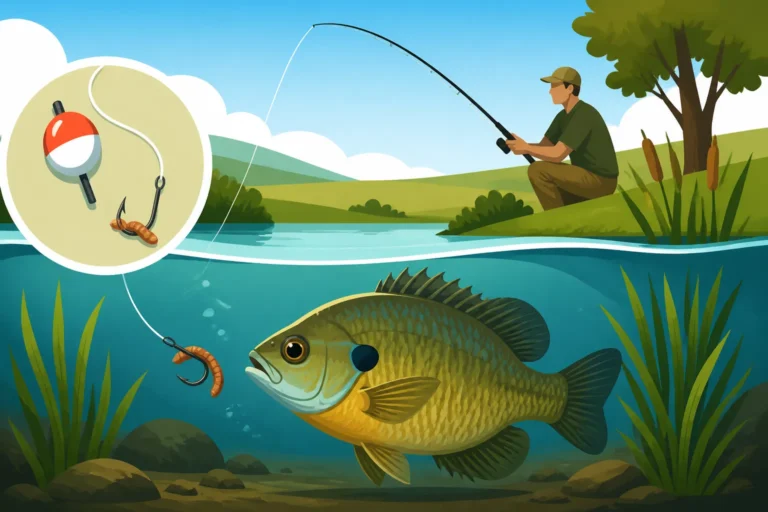
If all else fails, consider using live bait. While many serious bass anglers prefer artificials, there's no denying the effectiveness of a lively minnow, shiner, or even a nightcrawler under a slip bobber. These natural offerings are often too tempting for even the most lethargic bass to pass up. Just remember to check Nebraska fishing regulations regarding live bait usage, as some waters have restrictions. For kids, especially, using live bait can be a fantastic way to introduce them to fishing and ensure they get a bite, providing that thrilling experience. You can even combine live bait with artificials, such as tipping a small jig with a piece of nightcrawler.
Adapting to Water Clarity and Conditions
Farm ponds can have wildly varying water clarity, and how you fish needs to change with it. In clear water, bass rely heavily on sight, making line visibility and natural-looking presentations paramount. That's where fluorocarbon leaders and natural bait colors (green pumpkin, watermelon, browns) come into play. Clear water also means bass are more easily spooked, so long casts and a stealthy approach (staying low, avoiding sudden movements) are crucial. Conversely, in muddy or heavily stained water, bass rely more on their lateral line (to detect vibrations) and sense of smell.
For these conditions, switch to lures that create more disturbance, like spinnerbaits with large Colorado blades, bladed jigs (like a ChatterBait), or crankbaits with rattles. Brighter colors like chartreuse, white, or firetiger can also be more visible in murky water. Scent attractants become even more valuable here. If you're encountering muddy water after heavy rain, remember that bass might move to the edges where the fresh, cooler water is entering or congregate around any structure that breaks the current. Adapting your lure choice and presentation to match the water conditions is a fundamental principle that separates successful anglers from those who struggle.
Disclaimer
Fishing conditions and regulations can change. Always consult the latest Nebraska Game and Parks Commission regulations before heading out. This guide is for informational purposes only and does not constitute professional advice. Please practice safe boating and fishing techniques.