How to Wade Fish the Platte River Safely
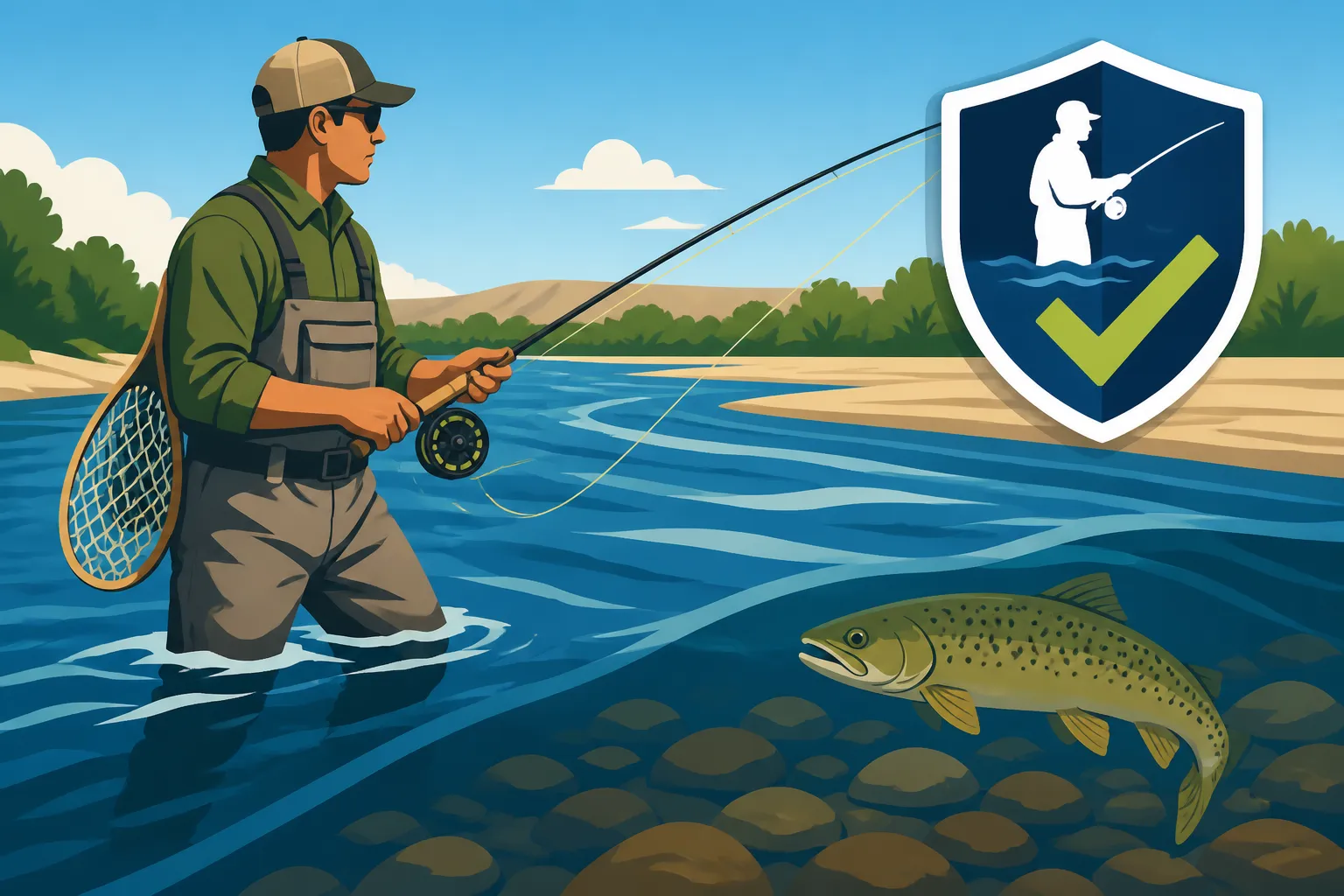
The Platte River, with its expansive beauty and abundant fish, calls to many anglers, but its dynamic nature can make wade fishing feel incredibly daunting, even risky, if you're not properly equipped or informed. No one wants to find themselves in a dangerous situation due to misjudging the current or sinking into soft sand. This comprehensive guide is here to demystify wade fishing on the Platte, providing you with the knowledge and practical tips you need to navigate its waters safely and enjoy a successful day on the river.
Understanding the Platte River's Unique Challenges
Before you even think about stepping into the water, it's crucial to understand what makes the Platte River so unique and, at times, challenging for wade anglers. It’s not your average clear, rocky trout stream; it's a vast, braided river with characteristics that demand respect and careful planning.
Shifting Sand and Unpredictable Bottoms
One of the biggest anxieties anglers face on the Platte is the notorious shifting sand and unpredictable riverbed. Unlike rivers with stable, rocky bottoms, the Platte's bed is constantly changing, especially after heavy rains or significant water releases from upstream dams. What looked like solid ground yesterday might be a soft, treacherous sinkhole today. This isn't just an inconvenience; it can be genuinely dangerous if you suddenly step into a deep pocket of quicksand-like silt.
Many a seasoned angler has recounted tales of losing a boot or nearly losing their balance in the soft bottom. The trick here is never to assume the bottom is firm. Always probe ahead with a stout wading staff, taking slow, deliberate steps. It’s better to shuffle your feet, feeling for stability, than to take long strides into the unknown. This constant vigilance is your best defense against unexpected changes underfoot, which can vary from hard-packed sand to slick mud or even hidden debris.
Variable Current and Water Levels
The Platte River's flow is highly regulated by a series of dams and diversions, meaning its water levels and current strength can change dramatically throughout the day or season. A calm, inviting stretch of water in the morning could become a swift, powerful torrent by afternoon if releases increase upstream. This variability is a major concern for wade anglers, as a sudden increase in current can quickly make a safe crossing impossible or knock you off your feet.
Keeping an eye on the river's pulse is paramount. Check current flow rates and historical data from sources like the USGS or local irrigation districts before you head out. These resources often provide real-time information that can help you understand How High Water Affects River Fishing in Nebraska. A river that's too high or flowing too fast might be best left for another day, or at least approached with extreme caution from the bank. Always consider your exit strategy and the potential for rising water, especially if you plan to wade to islands or across channels.
Essential Gear for Safe Platte River Wading
Successfully and safely wade fishing the Platte River relies heavily on having the right equipment. This isn't just about catching fish; it's about protecting yourself from the elements and the river's inherent dangers. Skimping on quality here can literally put you in a tough spot.
Durable Waders and Wading Boots
Your waders are your first line of defense against the cold, silty waters of the Platte. Chest waders are almost always preferred over hip waders, simply because of the unpredictable depth and sudden drop-offs you can encounter. Look for waders made from durable, puncture-resistant material like neoprene or a tough, breathable fabric. Breathable waders are great for warmer weather, but neoprene offers superior insulation in colder conditions. Many anglers find excellent, robust options on platforms like Amazon, where reviews can help gauge durability and fit.
Just as critical as your waders are your wading boots. These aren't just for comfort; they provide essential ankle support and grip on slick, uneven bottoms. Opt for boots with thick, felt soles or studded rubber soles that offer maximum traction. If you frequently encounter soft, muddy stretches, a boot with a wider base can help distribute your weight and prevent you from sinking too deeply. Make sure your boots fit snugly over your wader booties to prevent excessive movement, which can lead to blisters or reduce stability. Investing in quality boots will make a world of difference in your comfort and safety when wade fishing, especially if you're exploring Best Wading Boots for Rocky River Bottoms or other challenging terrains.
Wading Staff and Personal Flotation Device
These two items are non-negotiable for safe wade fishing on the Platte, yet they are often overlooked. A sturdy wading staff is your third point of contact with the riverbed and acts as a probe for identifying soft spots, hidden holes, or submerged obstacles. It's your early warning system. Look for a staff that is collapsible for easy transport but rigid when extended. Many come with a lanyard to attach to your belt or vest, so you don't lose it in the current. Always use your staff to test the water ahead of you, feeling for stability before committing your weight.
While the Platte might not always feel like a raging torrent, a personal flotation device (PFD), or life jacket, is a smart addition, especially if you're wading in deeper sections, strong currents, or are less confident in your swimming abilities. An inflatable PFD that deploys automatically or manually is often less cumbersome for active fishing than a traditional bulky life jacket. Even strong swimmers can be knocked off their feet by an unexpected current or slip on a slick rock, and a PFD provides that critical buoyancy to help you recover. It’s better to have it and not need it than to need it and not have it. Remember, safety should always be your top priority, even on seemingly calm stretches of the Platte River.
| Gear Item | Purpose | Key Features | Why It's Crucial for Platte River Safety |
|---|---|---|---|
| Chest Waders | Stay dry and insulated | Durable, breathable or neoprene, comfortable fit | Protects against cold water, keeps you dry in unpredictable depths. |
| Wading Boots | Traction and ankle support | Felt or studded rubber soles, good ankle support, snug fit | Prevents slips on slick bottoms, supports ankles on uneven terrain, won't get stuck in mud. |
| Wading Staff | Stability and probing | Collapsible, sturdy, lanyard attached, comfortable grip | Acts as a third leg, identifies unstable footing, hidden holes, and submerged debris. |
| PFD/Life Jacket | Buoyancy in emergencies | Inflatable (auto/manual) or standard foam, comfortable for fishing | Provides critical flotation if you fall, especially in strong currents or deep water. |
| Polarized Sunglasses | Visibility | Blocks glare, improves underwater visibility | Helps spot submerged obstacles, drop-offs, and even fish. |
| First Aid Kit | Minor injury treatment | Waterproof, contains bandages, antiseptic, pain relievers | Essential for treating cuts, scrapes, or other minor accidents. |
Smart Strategies for Wading and Fishing the Platte
Once you have your gear sorted, it's time to think about how you'll approach the river itself. The Platte isn't a place for reckless abandon; it demands a thoughtful, strategic approach to both wading and fishing.
Assessing Entry Points and Current Strength
Before you even step foot in the water, take a moment to survey your surroundings. Look for obvious entry and exit points that offer gradual slopes and seemingly firmer ground. Observe the current: where is it strongest? Where does it seem to braid and slow down, creating potential wading lanes? Remember, the Platte's current can be deceptive, appearing slower than it actually is from the bank. Look for subtle cues like ripples, eddies, and debris movement to gauge its true power.
Consider walking upstream along the bank before entering the water. This allows you to identify potential fishing spots, deeper channels, or areas where the current might funnel. If you're targeting specific species like channel catfish or walleye, understanding the river's structure, even from afar, is key. When you do enter, move slowly, facing upstream or slightly quartering into the current. This stance provides better balance against the flow. Never turn your back on the main current, as a surprise surge could easily knock you off your feet. Always plan your route, considering how you'll get back to shore if conditions change. You might even find Platte River Wading Access Points to be particularly helpful in identifying good spots.
Wading Techniques for Stability and Safety
Wading the Platte requires a technique that prioritizes stability over speed. As mentioned, the shuffle-step is your best friend. Instead of lifting your feet high, shuffle them along the bottom, keeping one foot firmly planted while you probe with the other. This minimizes your chances of stepping into a deep hole or soft sand unexpectedly. Use your wading staff to probe ahead, feeling for changes in depth and bottom composition.
When crossing a stronger current, angle your body slightly upstream, allowing the current to push against your upstream leg and create a natural brace. Keep your knees slightly bent and your center of gravity low. Avoid wading alone, especially if you're new to the river or attempting more challenging crossings. A buddy system provides an extra layer of safety, allowing one person to assist the other if they stumble. Communication is key, especially if you're fishing in a group. Always be mindful of other anglers and potential hazards downstream. These techniques become second nature over time, making your trips much more enjoyable.
Identifying Productive Fishing Zones
While safety is paramount, you're also there to fish! The Platte River offers excellent opportunities for various species, particularly catfish and walleye. When wade fishing, focus on areas where the current breaks or slows down, creating holding lies for fish. Look for seams where faster water meets slower water, often indicated by foam lines or subtle changes in the water's surface. These current breaks provide relief for fish and concentrate bait.
Also, pay attention to visible structure such as submerged logs, rock piles, or deeper scour holes. These features provide cover and ambush points for predatory fish. During warmer months, you might find catfish in deeper pools or behind wing dams, while walleye often prefer current edges and deeper runs. If you're unsure where to start, looking into resources like Platte River Catfish Fishing or How to Fish Fast Current on the Platte River can give you an edge. Many anglers also carry a small, waterproof map or use a GPS app on their phone to mark promising spots for future visits. Remember, a good fishing spot is always a safe fishing spot first.
Safety Protocols and Emergency Preparedness
Even with the best gear and techniques, unexpected situations can arise. Being prepared for emergencies is just as important as knowing how to cast a line. A little foresight goes a long way in ensuring a safe return home after a day on the Platte.
Dressing for the Conditions
Nebraska weather can be fickle, especially near a large body of water like the Platte. Always check the forecast before you go, but be prepared for sudden changes. Layering your clothing is key. Even if it's warm when you start, the water can be chilly, and a sudden cold front or evening descent can bring a significant drop in temperature. Synthetic materials or wool are superior to cotton, as they wick moisture away from your skin and retain insulating properties even when wet.
Consider wearing a hat for sun protection and a buff or bandana for neck and face coverage. Sunglasses, preferably polarized ones, not only protect your eyes but also help you see into the water, spotting submerged hazards. Carry a waterproof bag or dry sack with extra layers, a first-aid kit, and snacks, easily accessible even if you take an unexpected spill. This attention to detail in your attire, factoring in How to Plan a Nebraska Fishing Trip Around Weather, can prevent discomfort and dangerous hypothermia. You can find excellent waterproof bags and other outdoor gear options on Amazon.
Communication and Emergency Contacts
Never head out onto the Platte River without a way to communicate. Cell phone service can be spotty in some remote areas, so a fully charged phone is a minimum requirement. Consider carrying a portable power bank to ensure your phone lasts all day. For truly remote excursions, a satellite messenger or a two-way radio might be a worthwhile investment, especially if you're fishing areas with no cell coverage.
Always let someone know your float plan: where you're going, your intended entry and exit points, and when you expect to return. This simple step can be a lifesaver if you don't show up on time. Program emergency contacts into your phone and consider carrying a laminated card with essential contact information and medical alerts, just in case. Knowing Nebraska Game Warden Contact Information is also a good idea. A small, waterproof first-aid kit should also be a permanent fixture in your tackle bag, containing basics for cuts, scrapes, and other minor mishaps.
What to Do in a Wading Emergency
Despite all precautions, things can still go wrong. If you lose your footing or get swept into the current, don't panic. The first thing to do is try to regain your footing. If that's not possible, roll onto your back with your feet pointed downstream. This "whitewater swimmer's position" allows you to fend off obstacles with your feet and protects your head. Work your way towards the nearest bank or shallow water, using the current to your advantage rather than fighting against it.
If you are with a partner, they can often extend a wading staff or a rope to help you. If you fall in a strong current, try to retain your wading staff; it can still be useful for pushing off rocks or the bottom. Remember that your PFD will keep you afloat, allowing you to focus on self-rescue. Once out of the water, assess yourself for injuries and get warm immediately. If you're far from your vehicle, consider calling for assistance rather than attempting a dangerous return hike while compromised. These scenarios are rare, but being mentally prepared for them can make all the difference.
Disclaimer
Please note that fishing regulations and safety guidelines can change. Always consult the latest Nebraska Game and Parks Commission regulations before heading out. This guide is for informational purposes only and does not replace professional instruction or local expertise. Always prioritize your safety and use good judgment when fishing in any body of water.