Nebraska Nonresident Fishing License Guide
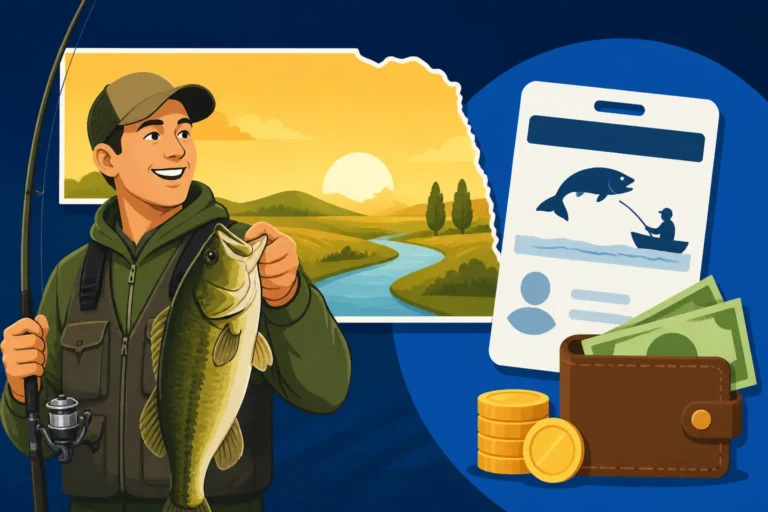
It can feel like a real headache, trying to figure out the ins and outs of fishing regulations when you're visiting a new state. You're eager to wet a line, maybe catch some Nebraska walleye or channel catfish, but you don't want to accidentally break any rules. This comprehensive guide is here to clear up all the confusion surrounding Nebraska's nonresident fishing licenses, making sure your fishing trip is nothing but smooth sailing and tight lines.
Understanding Why Nonresidents Need a Nebraska Fishing License
Let's face it, nobody wants to drive all the way to a new state, get their gear ready, find the perfect spot, and then realize they've overlooked a crucial detail like a fishing license. For nonresidents, this can be an especially frustrating surprise. But rest assured, the requirements are pretty straightforward once you get the hang of them, and this guide will walk you through every step.
The Basics of Permit Requirements
The fundamental rule of fishing in Nebraska, whether you're a long-time resident or just passing through, is that you generally need a permit. This isn't unique to Nebraska; it's a standard practice across the country, designed to manage fish populations and fund conservation efforts. For nonresidents, this means purchasing a specific permit that acknowledges you're not a permanent resident of the Cornhusker State. It's not about being exclusive; it's about fairness and ensuring everyone contributes to the health of the state's aquatic ecosystems. You might be thinking, "What about my kids?" or "What if I'm only fishing for a day?" These are excellent questions, and we'll delve into the specifics for different scenarios shortly. The Nebraska Game and Parks Commission (NGPC) is the authority here, and their rules are what we follow. For a broader overview of all the rules, check out our Nebraska Fishing License Guide.
It’s often a point of confusion for folks who fish regularly in their home state. They might assume there’s some kind of universal fishing pass, or that a license from Iowa or Kansas would cover them here. Unfortunately, that's rarely the case. Each state manages its own wildlife and fisheries resources, and the funds generated from license sales go directly back into those local programs. So, while your fishing license from Colorado or Missouri is valid there, it won't grant you permission to fish the tranquil waters of Lake McConaughy or the winding Platte River. Think of it like buying a ticket to a concert; you need a ticket for that specific show, even if you have season tickets to a different venue. It's a small but necessary step to ensure your fishing adventure in Nebraska is entirely legal and worry-free.
Why Nebraska Requires Nonresident Licenses
The reasons behind requiring nonresident fishing licenses are rooted deeply in conservation and resource management. Nebraska's lakes, rivers, and streams are precious natural assets, home to diverse fish species like walleye, channel catfish, bass, and crappie. Maintaining these populations, ensuring healthy habitats, and providing ample public access costs money. That's where fishing license fees come in. These funds are vital for stocking programs, scientific research into fish populations, habitat restoration projects, and enforcement of fishing regulations. Without these funds, the quality of fishing experiences in Nebraska would surely decline.
Nonresidents, by purchasing a license, contribute to the conservation efforts of the state they're visiting. It’s a way of sharing the responsibility for preserving these natural resources for future generations. While residents often pay a lower fee due to their ongoing tax contributions to the state, nonresidents contribute specifically through their license purchases. This system helps balance the impact of increased fishing pressure from visitors with the financial needs of managing the fisheries. It’s a win-win: nonresidents get to enjoy Nebraska's fantastic fishing, and the state gets the resources it needs to keep those fisheries thriving. When you drop your line into the water, you're not just fishing; you're participating in a larger effort to keep Nebraska's outdoors vibrant and productive. It feels good knowing your purchase directly supports the sport you love.
Consequences of Fishing Without a License
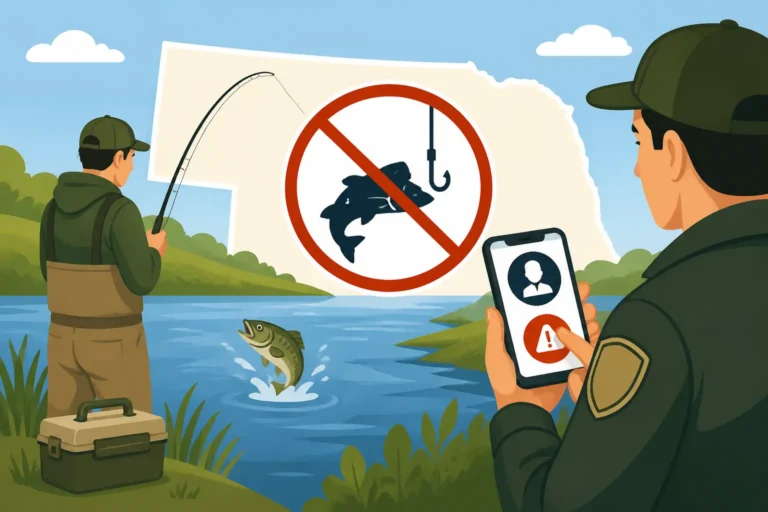
Fishing without the proper license in Nebraska isn't just a minor oversight; it's a violation of state law, and it carries real consequences. Nobody wants their peaceful day on the water interrupted by a game warden and a hefty fine. The penalties can range from significant monetary fines to the confiscation of your fishing gear and, in more severe or repeated cases, even loss of future fishing privileges. Imagine getting caught on your dream trip to Merritt Reservoir for muskellunge, only to have your expensive rod and reel seized and a ticket issued. It would certainly put a damper on the whole experience.
The exact penalty can vary depending on the specifics of the situation, the type of violation, and the discretion of the enforcing officer and the court. However, it's safe to say that the cost of a fine will almost always far exceed the price of purchasing the correct license upfront. Beyond the financial burden, there's the inconvenience of court appearances, the stress of legal proceedings, and the lingering frustration of turning a relaxing hobby into a legal headache. It’s simply not worth the risk. Always make sure you have your current and valid Nebraska nonresident fishing license with you, whether it's the physical card or a digital version on your phone via the GoOutdoorsNE app. Being prepared is the easiest way to avoid these unpleasant scenarios and keep your focus on catching fish. To understand other potential legal issues, you can learn about Nebraska Fishing Violation Penalties.
Types of Nonresident Fishing Licenses Available in Nebraska
Nebraska recognizes that not all nonresident anglers have the same needs or intentions for their visit. Some might be coming for a quick weekend trip, while others plan a longer stay or even want to combine their fishing with a hunting adventure. To accommodate these different scenarios, the state offers a variety of license types, each tailored to a specific duration or combination of activities. This flexibility makes it easier to choose the right permit for your plans, ensuring you only pay for what you need.
Short-Term Options: 1-Day and 3-Day Permits
For the angler just passing through or planning a short getaway, Nebraska offers convenient short-term nonresident fishing permits. These are perfect if you're only going to be on the water for a day or a long weekend. The 1-day permit is ideal for a spontaneous stop or if you're just dipping your toes into Nebraska's fishing scene. Let's say you're driving through on a road trip, see a promising lake, and decide to spend an afternoon casting lines. A 1-day permit is exactly what you need. It covers you for 24 hours from the purchase time, giving you flexibility.
If your plans extend a bit longer, perhaps for a Friday-to-Sunday fishing excursion to a place like Branched Oak Lake, the 3-day permit is a fantastic value. It provides coverage for three consecutive days, allowing you to settle in and truly enjoy the fishing without worrying about daily renewals. These short-term options are generally more expensive per day than an annual license, but they save you money if you're not going to be fishing in Nebraska for extended periods throughout the year. It's a pragmatic choice for the casual visitor, ensuring you comply with regulations without overspending on a permit you won't fully utilize. For more details on the specific costs, you can look up the Nebraska 1-Day Fishing Permit Price or the Nebraska 3-Day Fishing Permit Price.
These permits are designed with convenience in mind, recognizing that many nonresidents come to Nebraska for brief visits. They're straightforward to purchase, often available online or at local vendors, making it easy to get legal access to the state's waters without a lot of hassle. Just be mindful of the exact start and end times to avoid any accidental infractions. It's all about making your temporary fishing experience as smooth and enjoyable as possible, allowing you to focus on the thrill of the catch rather than bureaucratic red tape.
Annual Nonresident Fishing License
For those nonresidents who find themselves drawn back to Nebraska's waters time and again throughout the year, or who plan an extended fishing vacation, the annual nonresident fishing license is undoubtedly the most cost-effective option. This permit provides you with fishing privileges from January 1st through December 31st of the calendar year it's purchased. This means you can visit multiple times, explore different lakes and rivers, and chase various species across the seasons without needing to buy a new short-term permit each time.
Consider the avid angler who loves to target walleye at Lake McConaughy in the spring, then returns for some summer catfishing on the Missouri River, and maybe even a fall crappie trip. Buying a series of 3-day permits for these separate trips would quickly add up and surpass the cost of a single annual license. This license offers unparalleled freedom and value for the dedicated nonresident angler. It's also the default choice if you're moving to Nebraska and haven't yet established residency, as it covers you for the entire year while you transition. Think of it as your all-access pass to a year of Nebraska fishing adventures. You can find detailed information about the costs by checking out the Nebraska Annual Fishing License Price for 2026.
Having an annual license simplifies things considerably. You buy it once, keep it with you, and you're good to go for the entire year. This eliminates the need to remember expiration dates for short-term permits or the hassle of purchasing a new one every time you decide to go fishing. It’s a sound investment for anyone planning multiple trips to Nebraska, ensuring you get the most out of your time on the water without any administrative worries.
Combination Hunt and Fish Permits
Some nonresidents are multi-talented outdoor enthusiasts who enjoy both fishing and hunting. For these individuals, Nebraska offers a convenient and often more economical option: the nonresident combination hunt and fish permit. This single permit consolidates the required licenses for both activities, saving you the trouble and potentially some money compared to purchasing separate annual hunting and fishing licenses. It’s designed for efficiency, recognizing that many outdoorspeople engage in a variety of pursuits across the seasons.
Perhaps you plan a fall pheasant hunt in Nebraska, but also want to spend a few mornings fishing for bass or trout while you're there. Or maybe you're coming specifically for a deer hunt but wouldn't mind trying your luck with some ice fishing if the conditions are right. The combination permit covers both bases, allowing you to seamlessly transition between casting a line and pursuing game. It's a fantastic option for maximizing your time in the Nebraska outdoors and experiencing the full range of opportunities the state has to offer.
Before purchasing, it's always a good idea to compare the cost of the combination permit against buying separate licenses for hunting and fishing. Often, there's a slight discount or at least the added convenience of only needing to carry one document. Remember, this permit grants you the basic hunting and fishing privileges; any specialized hunting tags (like for deer, turkey, or waterfowl) or additional fishing stamps (like the Aquatic Habitat Stamp or Trout Stamp) would still need to be purchased separately. However, for core activities, it's a streamlined solution. Find out more about the Nebraska Combo Hunt and Fish Permit Cost to see if this is the right option for your outdoor adventures.
Specific Nonresident License Costs and Where to Purchase
Understanding the different types of nonresident licenses is one thing, but knowing the actual cost and where to buy them is another. Prices can change, and navigating the purchasing process, especially as an out-of-stater, can sometimes feel a bit daunting. Fortunately, Nebraska has made the process relatively straightforward, with several convenient options for acquiring your necessary permits. We'll break down the typical costs and show you exactly where to go to get your license, online or in person.
Breakdown of Nonresident Fishing License Costs
The cost of a nonresident fishing license in Nebraska varies primarily based on the duration of the permit. As a general rule, annual licenses offer the best value if you plan to fish for more than a few days out of the year, while short-term options cater to brief visits. For instance, a 1-day permit will be the least expensive upfront but the most expensive on a per-day basis. A 3-day permit provides a slight discount per day compared to the 1-day if you use all three days. The annual permit, while a larger initial outlay, quickly becomes the most economical choice if you intend to fish for longer than a week or make multiple trips throughout the year.
It's important to remember that these base prices are for the fishing permit itself. There might be additional stamps or fees required depending on what and where you plan to fish. For example, if you're targeting trout in designated trout waters, you'll likely need a Nebraska Trout Stamp. Most anglers also need an Aquatic Habitat Stamp. We'll dive into those details shortly. Always check the current year's fees directly on the Nebraska Game and Parks Commission website or through their GoOutdoorsNE system, as prices can be subject to change annually. This ensures you have the most up-to-date information before making your purchase, preventing any unexpected costs or delays. For a complete look at all permits, see Nebraska Fishing License Costs and Types.
Online and In-Person Purchase Options
Nebraska offers convenient ways for nonresidents to purchase their fishing licenses, catering to different preferences and situations. The most popular and often easiest method, especially for out-of-state anglers, is to purchase your license online. The Nebraska Game and Parks Commission utilizes the GoOutdoorsNE Online Permit System, which is a user-friendly portal where you can create an account, select your desired permits, and pay with a credit card. Once purchased, you'll receive a digital copy of your permit, which you can save to your phone or print out. This allows you to secure your license before you even leave home, ensuring you're ready to hit the water the moment you arrive.
If you prefer a more traditional approach or find yourself in Nebraska unexpectedly wanting to fish, you can also purchase licenses in person. There are numerous authorized permit vendors located throughout the state. These typically include sporting goods stores like Cabela's, some Walmart locations, bait shops, convenience stores, and county clerk offices. Just look for signs indicating "Nebraska Game & Parks Permits Sold Here." When purchasing in person, you'll usually need a valid form of identification, like a driver's license. The vendor will print out your physical license card right there on the spot. This option is great if you have questions or prefer to handle a physical permit. Always check the operating hours of these vendors, especially in smaller towns, to ensure they're open when you need them.
Understanding Additional Stamps and Fees
Beyond the basic nonresident fishing license, Nebraska requires certain additional stamps and fees, depending on your age, the species you're targeting, or the specific waters you're fishing. It's crucial to understand these to avoid any unexpected violations.
The most common additional requirement is the Aquatic Habitat Stamp. Nearly every angler, resident or nonresident, regardless of age, needs this stamp to fish in Nebraska. The only exceptions are specific youth or disabled categories. This stamp funds critical projects that improve aquatic habitats, ensuring healthy fish populations and accessible fishing spots. Think of it as a direct investment in the future of Nebraska fishing. You can delve into more detail about the Nebraska Aquatic Habitat Stamp Explained.
If you plan to specifically fish for trout in designated put-and-take trout waters or trout streams, you will also need a Trout Stamp. This is an extra fee that helps fund the state's trout stocking programs, ensuring there are plenty of rainbow, brown, and brook trout for anglers to pursue. If you're not targeting trout, you generally won't need this stamp. For instance, if you're solely focused on walleye at Lake McConaughy, you won't need a trout stamp. However, if you venture to Lake Ogallala below Kingsley Dam, which is known for its excellent trout fishing, you'd better have one.
Finally, there's the Aquatic Invasive Species (AIS) Stamp. This stamp is required for anyone operating a vessel (boat, kayak, canoe, etc.) in Nebraska waters. Even if you're a nonresident and your boat is registered in another state, you'll need this Nebraska AIS stamp. This fee supports programs to prevent and control invasive species like zebra mussels, which can wreak havoc on ecosystems and infrastructure. Even if you're just using a rental boat or a kayak you brought from home, this stamp is a must-have. When you're packing your gear, like checking out new fishing rods on Amazon or buying bait locally, make sure to add these required stamps to your mental checklist. Understanding these additional requirements upfront will save you from potential fines and contribute to the overall health of Nebraska's aquatic environments.
Navigating Reciprocity and Border Water Rules
One of the most common questions nonresidents have when fishing near state lines is about license reciprocity. It would be incredibly convenient if a license from an adjacent state automatically allowed you to fish in Nebraska, wouldn't it? Unfortunately, it's rarely that simple. However, there are special agreements in place for specific border waters, particularly along the Missouri River, that can make things a bit easier. It's crucial to understand these nuances to avoid inadvertently fishing illegally.
Missouri River Border Water Fishing License Rules
The mighty Missouri River forms a significant portion of Nebraska's eastern border, touching Iowa, Missouri, and South Dakota. Given its shared nature, managing fishing licenses here requires special agreements between the states. This is where the concept of "border water" licenses comes into play, making fishing less complicated for anglers on this particular stretch of water.
For most of the Missouri River bordering Nebraska, if you possess a valid fishing license from either Nebraska or an adjacent state (Iowa, Missouri, or South Dakota, depending on the specific stretch), you are generally allowed to fish from either bank or from a boat on the river. This is a huge convenience! For example, if you have a valid Iowa fishing license, you can fish the Missouri River without needing a separate Nebraska license, as long as you stay within the main channel or within a certain distance of the Iowa bank. The same applies if you have a Nebraska license and want to fish near the Iowa or Missouri side. This reciprocal agreement is a lifesaver for anglers who live near the border or who enjoy exploring both sides of the river.
However, there are important caveats. These reciprocity agreements typically apply only to the main channel of the Missouri River. They usually do not extend into tributaries, backwaters, oxbow lakes, or any streams that flow into the Missouri River from either state. Once you leave the main channel and enter waters fully within Nebraska's jurisdiction (like a boat ramp area or a side channel that is entirely on the Nebraska side), you would need a Nebraska fishing license. Always double-check the specific regulations for the precise stretch of river you plan to fish, as these rules can sometimes vary or be updated. It's always better to be safe than sorry, and the Nebraska Game and Parks Commission website provides clear maps and explanations for these border water rules. We have an entire guide dedicated to Missouri River Border Water Fishing License Rules if you want to dive deeper.
Lewis and Clark Lake License Reciprocity With South Dakota
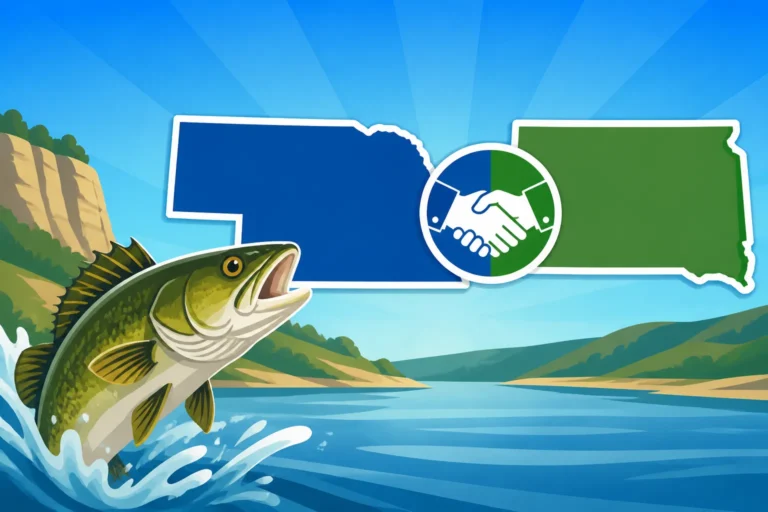
Another significant border water shared by Nebraska is Lewis and Clark Lake, which sits on the northern border with South Dakota. This large reservoir, created by Gavins Point Dam, is a popular destination for walleye, sauger, and other species, attracting anglers from both states. Similar to the Missouri River, there's a specific reciprocity agreement in place for Lewis and Clark Lake to facilitate fishing across the state line.
Anglers with a valid Nebraska fishing license can fish the entirety of Lewis and Clark Lake, including waters on the South Dakota side, without needing an additional South Dakota license. Conversely, anglers holding a valid South Dakota fishing license can also fish the entire lake without requiring a Nebraska permit. This mutual recognition makes it incredibly easy to enjoy all the lake has to offer, whether you launch from a Nebraska ramp or a South Dakota ramp. It removes the arbitrary boundary lines for fishing purposes on this shared body of water, which is fantastic for planning trips and exploring different areas of the lake.
Just like with the Missouri River, this reciprocity agreement generally applies only to the main body of Lewis and Clark Lake. It typically does not extend to tributaries or streams flowing into the lake that are entirely within one state's borders. For instance, if you were to fish in a stream that feeds into the lake and is entirely within Nebraska, you would need your Nebraska license, even if you started your day on the South Dakota side of the lake. Similarly, if you fish a South Dakota tributary, you'd need a South Dakota license. It's always wise to consult the specific rules published by both the Nebraska Game and Parks Commission and the South Dakota Game, Fish and Parks, especially if you plan to venture beyond the main lake body. Knowing these rules ensures you can freely enjoy the expansive waters of Lewis and Clark Lake. Our article on Lewis and Clark Lake License Reciprocity With South Dakota has more detailed information.
General Reciprocity with Other States
Beyond the specific border water agreements for the Missouri River and Lewis and Clark Lake, Nebraska generally does not have full reciprocity agreements with other states for fishing licenses. This means that a fishing license purchased in Kansas, Colorado, Iowa (outside the Missouri River border water), or any other state will not be valid for fishing in waters fully within Nebraska's jurisdiction.
This is a common point of confusion, especially for anglers who travel frequently. Each state is sovereign over its natural resources, and the funds from license sales are crucial for supporting that state's specific conservation and management programs. Allowing universal reciprocity would undermine this funding model. Therefore, if you're coming from a state like Colorado to fish for trout in Nebraska's Sandhills or from Kansas to target walleye at Harlan County Reservoir, you will absolutely need a valid Nebraska nonresident fishing license.
It's a straightforward rule: unless you are specifically fishing on the defined border waters of the Missouri River or Lewis and Clark Lake under the specific reciprocity agreements, you must have a Nebraska fishing license to fish in Nebraska. There are no exceptions for specific states, duration of stay (beyond the short-term permits), or type of fish being pursued. Always err on the side of caution. If in doubt, purchase the Nebraska nonresident license. It's a small investment to ensure your fishing trip is legal, enjoyable, and contributes to the conservation efforts that make Nebraska's fishing opportunities so great.
Special Considerations for Nonresident Anglers
While the general rules for nonresident fishing licenses apply broadly, there are a few specific situations and demographics that warrant a closer look. Understanding these special considerations can help you navigate the regulations more smoothly, particularly if you're bringing family members along or plan to fish in unique areas like state parks. Nebraska aims to be inclusive while still maintaining responsible resource management, so they've put some thought into these scenarios.
Nonresident Youth and Senior Fishing Regulations
Fishing is a fantastic activity for all ages, and Nebraska recognizes the importance of getting kids and older adults involved. However, the rules for youth and seniors, even for nonresidents, can differ from the standard adult regulations.
For nonresident youth, the good news is that Nebraska offers some age-based exemptions. Generally, children under the age of 16 do not need a fishing license to fish in Nebraska, regardless of their residency status. This is a wonderful incentive to introduce younger family members to the joys of fishing without the added cost and paperwork. It allows parents or guardians to focus on teaching proper techniques and fostering a love for the outdoors. However, it's always wise to check the most current regulations, as age cutoffs can occasionally change. Even without a license, youth anglers are still subject to all other fishing regulations, such as daily bag and possession limits and length limits. If you plan to take kids fishing, this article on Nebraska Youth Fishing License Rules will be very helpful.
For nonresident seniors, the situation is a bit different. Unlike many states that offer discounted or free licenses to resident seniors, Nebraska generally requires nonresident seniors to purchase the same nonresident fishing licenses as any other adult nonresident. While residents over a certain age (currently 69 and older) can obtain a free annual fishing permit, this benefit does not extend to nonresidents. So, if you're a senior visiting Nebraska to fish, you'll need to purchase a 1-day, 3-day, or annual nonresident fishing license, along with any necessary stamps, just like any other adult nonresident. This distinction sometimes catches nonresident seniors by surprise, so it's important to be aware of it before your trip. Always double-check the current rules for senior anglers on the Nebraska Game and Parks Commission website to ensure you have the most up-to-date information.
Nebraska State Park Fishing Permit Rules
Nebraska boasts a wonderful system of state parks and recreation areas, many of which offer fantastic fishing opportunities. These areas provide not only great fishing access but often also amenities like boat ramps, picnic areas, and camping, making them popular destinations for families and anglers alike. However, for nonresidents planning to fish within a Nebraska State Park, there's an important distinction to understand regarding park entry versus fishing permits.
Your nonresident fishing license allows you to legally fish in Nebraska's public waters. However, it does not automatically grant you entry into state parks or recreation areas that require a park entry permit. Many Nebraska State Parks and State Recreation Areas charge a vehicle park entry fee or require a park entry permit (daily or annual) for all vehicles entering the area. This fee is separate from your fishing license and is used to maintain park facilities, trails, campgrounds, and other visitor services.
So, if you're a nonresident planning to fish in a state park, you will typically need both a valid Nebraska nonresident fishing license and a Nebraska State Park entry permit for your vehicle. You can purchase daily park permits at the park entrance or visitor center, or an annual permit online or at various vendors. This is a common oversight for visitors who might assume their fishing license covers all bases. For example, if you want to fish at Branched Oak Lake State Recreation Area near Lincoln, you'll need your fishing license, plus a park entry permit for your vehicle. Our article on Nebraska State Park Fishing Permit Rules has more information. Always check the specific requirements for the state park you plan to visit to ensure a smooth and enjoyable experience.
Non-US Citizens and Fishing Licenses
Nebraska welcomes anglers from all over the world, but if you are a non-US citizen visiting the state and planning to fish, you'll need to understand the specific license requirements. Generally speaking, non-US citizens who are not residents of Nebraska are treated as nonresidents for fishing license purposes. This means you will need to purchase the appropriate nonresident fishing license – whether it's a 1-day, 3-day, or annual permit – just like any other nonresident angler from another US state.
The key determinant is your residency status, not your citizenship. If you are a permanent resident of another US state, you would apply for a nonresident Nebraska license. If you are visiting the US from another country, say Canada or Mexico or further abroad, and are not a legal resident of any US state, you would also purchase a Nebraska nonresident fishing license. The process for purchasing is the same: you can use the GoOutdoorsNE online system or visit an authorized vendor in person. You will need a valid form of identification, typically your passport and any relevant visa documentation, when purchasing in person. Online, you'll provide personal details as requested.
The important thing is to ensure you have valid identification ready and correctly fill out all required information during the license purchase process. The Nebraska Game and Parks Commission strives to make their online system accessible, but if you encounter any difficulties or have specific questions related to your international status, don't hesitate to contact them directly for clarification. They are the ultimate authority on these matters and can provide the most accurate and up-to-date guidance for non-US citizens wanting to enjoy Nebraska's fishing opportunities.
Essential Regulations for Nonresident Anglers Beyond the License
Okay, so you've got your nonresident fishing license squared away – congratulations! That's a huge step towards a legal and enjoyable fishing trip in Nebraska. But the journey doesn't end there. A license is your ticket to fish, but it doesn't give you free rein. Just like residents, nonresidents must adhere to all of Nebraska's other fishing regulations. These rules are just as important as the license itself, as they dictate how you can fish, what you can keep, and when certain species are fair game. Understanding these will ensure your trip remains ethical, legal, and truly sustainable.
Understanding Nebraska Fishing Daily Bag and Possession Limits
This is where many anglers, especially those new to a state's regulations, can get tripped up. Nebraska has very specific rules about how many fish of each species you can keep per day (the "daily bag limit") and how many you can have in your possession at any given time, including those at your camp, vehicle, or home (the "possession limit"). These limits are in place for excellent reasons: to ensure healthy fish populations and to distribute the harvest fairly among all anglers. Overharvesting just a few popular species can quickly deplete their numbers, impacting everyone's fishing success down the line.
For example, walleye often have strict bag and length limits. You might be allowed to keep four walleye per day, but perhaps only one of those can be over 22 inches, or there might be a slot limit where fish between certain sizes must be released. Channel catfish, a Nebraska favorite, also have daily limits, though they are often more generous than those for walleye or trout. Crappie limits can vary wildly depending on the body of water. Some lakes might have a 10-fish crappie limit, while others have 30. It's critical to know the specific regulations for the particular body of water you are fishing, as limits can change from lake to lake or river to river, even for the same species.
Always, and I mean always, consult the current Nebraska Fishing Guide, which is published annually by the Game and Parks Commission. You can find this online as a PDF, or pick up a physical copy at most license vendors. This guide will provide the most up-to-date and specific bag and possession limits for all game species and for specific water bodies. Ignorance of the law is not an excuse, and violating these limits can result in significant fines and penalties. So, before you head out, know your limits! Our article Nebraska Fishing Daily Bag and Possession Limits breaks it down further.
General Fishing Season Dates and Specific Species Rules
While many popular game fish in Nebraska, like channel catfish and most panfish, are open to harvest year-round, some species have specific seasons, closed periods, or special rules that nonresidents must be aware of. These regulations are designed to protect fish during critical life stages, such as spawning, or to manage populations effectively.
Trout, for instance, are often stocked in specific waters, and while generally available year-round in designated trout streams and lakes, special regulations might apply to certain stretches or during specific times. The rainbow trout in the Two Rivers State Recreation Area lakes are a good example; while you can catch them often, there might be unique rules for those urban fisheries. Similarly, paddlefish snagging on the Missouri River is a unique and exciting fishery, but it has a very short, specific season and requires a special tag and permit, in addition to your fishing license. You can't just decide to go snagging anytime you want.
Even for species that are generally open year-round, there might be seasonal nuances. For example, while you can catch walleye any time, their behavior and catch rates change drastically throughout the year, with spring often being prime time during their spawning period. Understanding these patterns, combined with knowing if there's any temporary closure or specific gear restriction, is key. Always consult the official Nebraska Fishing Guide for the most current information on season dates, method-of-take restrictions (like rules for trotlines or bowfishing), and any other special circumstances that might apply to the species you're targeting or the water body you're fishing. Being informed prevents disappointment and ensures you're fishing within legal parameters. For detailed season information, check out Nebraska Fishing Season Dates and Limits.
Aquatic Invasive Species Stamp and Best Practices
We touched on the Aquatic Invasive Species (AIS) Stamp earlier, but it's worth emphasizing the critical importance of both the stamp and the practices it supports. Invasive species like zebra mussels, Eurasian watermilfoil, and Asian carp pose a severe threat to Nebraska's aquatic ecosystems, potentially harming native fish, clogging water intake pipes, and making lakes less enjoyable for recreation. For nonresidents bringing their own watercraft into Nebraska, understanding and adhering to AIS regulations is paramount.
As a nonresident, if you plan to use a boat, kayak, canoe, paddleboard, or any other vessel on Nebraska waters, you must purchase a Nebraska Aquatic Invasive Species Stamp. This is in addition to your fishing license and any required boat registration. This stamp funds prevention, detection, and management programs that are absolutely vital.
But the stamp is just the beginning. The most crucial part is following the "Clean, Drain, Dry" protocol:
- Clean: Before leaving any water body, inspect your boat, trailer, and fishing gear for any visible aquatic plants, animals, or mud. Remove and dispose of them properly, away from the water.
- Drain: Drain all water from your boat, including the bilge, livewells, baitwells, and engine cooling systems. This prevents the transfer of microscopic invaders.
- Dry: Allow your boat and gear to thoroughly dry for an extended period (usually 5 days or more, depending on conditions) before launching in another water body. If drying isn't possible, a thorough hot water wash is recommended.
Some specific lakes, especially those known to have AIS or those particularly vulnerable, may also have mandatory boat inspection stations. Nonresident boaters must stop at these stations, even if they're just passing through. Failing to stop or comply with inspection requirements can lead to serious penalties. So, if you're traveling with your boat, make sure to factor in potential inspection stops and always be prepared to Clean, Drain, and Dry. This isn't just a rule; it's a vital part of being a responsible angler and protecting the natural resources you've come to enjoy. Learn more by reading Nebraska Aquatic Invasive Species Stamp.
Planning Your Nebraska Fishing Trip as a Nonresident
You've got your license and you're up to speed on the regulations. Now for the fun part: planning your actual fishing adventure in Nebraska! As a nonresident, you might not be familiar with the best spots, what gear works well, or how to get local insights. A little preparation goes a long way in making your trip successful and memorable. From choosing your target species to packing the right tackle, we'll help you organize your ideal Nebraska fishing getaway.
Researching Fishing Hotspots and Species
Nebraska offers a diverse range of fishing environments, from vast reservoirs to winding rivers and serene Sandhills lakes. Your first step in planning should be to decide what kind of fishing experience you're looking for and what species you hope to catch.
- Walleye: If chasing walleye is your passion, you'll want to focus on large reservoirs like Lake McConaughy (often called "Big Mac"), Harlan County Reservoir, or Sherman Reservoir. These lakes are known for their strong walleye populations, offering great opportunities for both boat and shore anglers. The Missouri River also holds excellent walleye.
- Catfish: For hard-fighting channel catfish and flatheads, the Platte River, Missouri River, and virtually every reservoir in the state offer superb opportunities. Branched Oak Lake and Merritt Reservoir are also prime spots for cats.
- Bass: Largemouth bass are prevalent in many farm ponds, smaller lakes, and some state recreation areas. For smallmouth bass, you'll want to explore the Niobrara River or rocky sections of larger reservoirs.
- Trout: While not typically thought of as a trout state, Nebraska has designated put-and-take trout waters, especially around urban areas (like Fremont Lakes State Recreation Area or Holmes Lake) and the cold-water discharges below dams, such as Lake Ogallala below Kingsley Dam. The Pine Ridge area in the Nebraska Panhandle also offers some unique, wild trout stream opportunities.
- Panfish: Crappie, bluegill, and perch are abundant in most lakes and ponds across the state, providing excellent action, especially for family outings or beginners.
Once you've identified your target species and preferred fishing style, you can then narrow down specific locations. The Nebraska Game and Parks Commission website is an invaluable resource, offering detailed information on various lakes and rivers, including fish species present, public access points, and recent fishing reports. Local bait shops, often found near popular fishing destinations, are also goldmines of up-to-date information on what's biting and where. A quick web search for "Best Places to Fish in Nebraska" will also yield a plethora of options to consider.
Recommended Gear and Equipment for Nebraska Waters
The gear you bring will largely depend on your target species and the type of water you plan to fish. However, some general recommendations can help a nonresident angler be prepared for various Nebraska conditions.
- Rods and Reels: For versatile fishing, a medium-action spinning rod (6'6" to 7'0" in length) paired with a 2500- or 3000-size spinning reel is an excellent all-around choice. This setup can handle everything from panfish to decent-sized walleye and channel catfish. If you're specifically targeting larger catfish on rivers, a heavy-action baitcasting setup with stout line would be more appropriate. For smaller streams and panfish, lighter tackle is always a blast.
- Line: Spool your reels with 8-12 lb monofilament or fluorocarbon for general fishing. If you're going after toothy northern pike or fishing around heavy cover for bass, consider stepping up to braided line with a fluorocarbon leader.
- Tackle Box Essentials: Your tackle box should include a variety of lures and baits. For walleye, jigs (1/8 to 1/2 oz), crankbaits (like those you might find on Amazon from brands like Rapala or Berkley), and spinner rigs with nightcrawlers are staples. Catfish anglers will want a good supply of sinkers (egg, flat, pyramid), appropriate hooks (circle hooks are popular), and plenty of stink bait, cut bait, or nightcrawlers. For bass, consider soft plastics, spinnerbaits, and topwater lures. Panfish love small jigs, bobbers, and live bait like worms or minnows.
- Comfort and Safety: Don't forget essentials for your own comfort and safety. This includes sunscreen, insect repellent (Nebraska summers can be buggy!), a wide-brimmed hat, polarized sunglasses (to spot fish and reduce glare), appropriate rain gear, and plenty of water. A good quality cooler is also essential for keeping your catch fresh, and a reliable landing net will help you safely land bigger fish. If fishing from a boat or kayak, life jackets are mandatory and non-negotiable.
Remember to consider the season. Summer fishing might require lighter clothing and more hydration, while spring and fall can be unpredictable, demanding layers. If you're venturing into ice fishing during winter, specialized gear like an auger, ice fishing rods, and an ice shelter are absolute necessities.
Local Resources and Information for Nonresidents
One of the best ways to ensure a successful nonresident fishing trip is to tap into local knowledge. The Nebraska Game and Parks Commission website (OutdoorNebraska.gov) is your primary online hub. Here you'll find:
- Weekly Fishing Reports: These reports, updated frequently, provide real-time information on what's biting at various lakes and rivers, recommended baits and techniques, and current water conditions.
- Lake Maps and Access Points: Detailed maps help you identify public access, boat ramps, and contour lines, which are crucial for finding fish.
- Current Regulations: Always download or pick up the latest Nebraska Fishing Guide. It's your bible for rules and limits.
Beyond the official channels, local bait and tackle shops are invaluable. These small businesses are often run by passionate local anglers who live and breathe fishing. Stop in, buy some bait or a local lure, and strike up a conversation. They can offer insights into recent patterns, current hot spots, and even give advice on specific techniques tailored to local waters. They might even recommend some locally tied flies or custom jigs you won't find on Amazon! Social media groups dedicated to Nebraska fishing can also be a good source of information, though always verify tips with official sources. Finally, consider hiring a local fishing guide, especially if you're targeting a specific species or lake for the first time. A good guide can fast-track your learning curve and put you on fish quickly, making the most of your limited time as a nonresident.
Common Questions and Troubleshooting for Nonresident Anglers
Even with the best planning, questions can pop up or unexpected situations can arise when you're fishing in an unfamiliar state. It's good to know how to handle common issues like a lost license, understanding renewal processes, or knowing who to contact if you witness a violation. Being prepared for these eventualities will help ensure a smooth and stress-free nonresident fishing experience in Nebraska.
How to Replace a Lost Nebraska Fishing License
Misplacing a fishing license can be a real moment of panic, especially when you're a nonresident far from home. The good news is that replacing a lost Nebraska fishing license is a straightforward process, designed to get you back on the water quickly.
If you purchased your license online through the GoOutdoorsNE Online Permit System, the easiest way to replace it is to simply log back into your account. Your purchased permits are usually stored there, and you can easily view, download, or print a duplicate copy. Many anglers also save a digital copy (a screenshot or PDF) to their smartphone, which serves as valid proof of purchase if presented to a conservation officer. This is often the quickest solution and why the online system is so convenient.
If you purchased your license in person at a vendor, or if you prefer a physical replacement, you can visit any authorized permit vendor in Nebraska. They typically have the ability to look up your purchase history using your personal information (like your name and date of birth) and print a duplicate license for a small re-issue fee. Alternatively, you can contact the Nebraska Game and Parks Commission directly during business hours. They can guide you through the process, which might involve verifying your identity and sending you a replacement. Always carry some form of photo identification with you when fishing, as a conservation officer may ask for it to verify your license. Having an easily accessible digital or printed backup is your best bet to avoid any interruption to your fishing adventure.
Nebraska Fishing License Expiration Date and Renewal
For nonresidents, understanding the expiration date and renewal process for Nebraska fishing licenses is crucial to avoid inadvertently fishing with an expired permit.
Most Nebraska fishing licenses, including the annual nonresident fishing license, are valid for the calendar year in which they are purchased. This means they expire on December 31st of that year, regardless of when you bought them. So, if you buy an annual nonresident license in July, it will still expire on December 31st of that same year. The only exceptions are the short-term 1-day or 3-day permits, which are valid for their specified duration from the time of purchase. It's easy to forget this if your home state has a different system, like licenses valid for 365 days from the purchase date. Always make a note of the December 31st expiration if you're purchasing an annual permit. Our guide on Nebraska Fishing License Expiration Date provides more context.
Renewing your Nebraska fishing license is just as easy as purchasing it initially. You can renew online through the GoOutdoorsNE Online Permit System starting in mid-December for the upcoming year. Simply log into your account, and the system will prompt you to renew your existing permits or purchase new ones. This is the most convenient method for nonresidents, allowing you to renew from anywhere. You can also renew in person at any authorized permit vendor. Setting a reminder on your phone or calendar for early December is a good practice to ensure you're always covered for the new year, especially if you plan to do some early season ice fishing or early spring walleye fishing. Staying on top of your renewal ensures continuous access to Nebraska's fantastic fishing opportunities without any unexpected legal issues. Further details can be found in our Nebraska Fishing License Renewal article.
Reporting Violations and Game Warden Contact Information
Part of being a responsible angler, whether resident or nonresident, is helping to protect the resource. If you witness a fishing violation in Nebraska, it's important to know how to report it. Violations like exceeding bag limits, fishing with an illegal method, or fishing without a license undermine conservation efforts and negatively impact the fishing experience for everyone.
If you observe someone breaking fishing laws, the most effective way to report it is to contact a Nebraska Game and Parks Commission Conservation Officer (Game Warden). If the violation is in progress and involves potential danger or significant resource damage, or if you suspect poaching, it's best to call the Nebraska Wildlife Crimestoppers Hotline immediately. This hotline is typically staffed 24/7 and allows for anonymous reporting. The number for Nebraska Wildlife Crimestoppers is (800) 742-SNAP (7627). This number is widely publicized and is your direct line to law enforcement for wildlife and fishing violations.
When making a report, try to gather as much detail as possible without putting yourself at risk. This includes:
- The date and time of the incident.
- The exact location (nearest landmark, body of water, road, etc.).
- A description of the individuals involved (clothing, approximate age, hair color).
- A description of any vehicles involved (make, model, color, license plate number).
- A description of the violation itself (e.g., "they kept 10 walleye when the limit is 4").
- Any boat registration numbers.
Do not confront the individuals yourself. Your role is to be an observer and report to the authorities. The game wardens are highly trained professionals who will investigate. By taking the time to report violations, you're directly contributing to the health and sustainability of Nebraska's fisheries, ensuring that everyone can continue to enjoy the privilege of fishing in the Cornhusker State.
Disclaimer
The information provided in this guide is intended for general informational purposes only and does not constitute legal advice. While we strive to provide accurate and up-to-date information, fishing regulations in Nebraska can change frequently. It is the responsibility of every angler to consult the official Nebraska Game and Parks Commission website and the current year's Nebraska Fishing Guide for the most accurate and legally binding regulations before engaging in any fishing activities. Failure to comply with all applicable laws and regulations may result in fines or other penalties.