Nebraska Aquatic Invasive Species Stamp
It can be pretty confusing to keep track of all the licenses, permits, and stamps required for enjoying Nebraska's beautiful waters, and one that often causes a head-scratching moment is the Aquatic Invasive Species (AIS) Stamp. It's easy to wonder why another stamp is necessary. This guide will completely demystify the Nebraska Aquatic Invasive Species Stamp, explaining exactly why it exists, who needs it, and how you can easily get yours to stay compliant and help protect our precious lakes and rivers.
Understanding the Threat of Aquatic Invasive Species in Nebraska
Before we dive into the specifics of the stamp, it's crucial to understand why it even exists. Nebraska's waters are beautiful, but they face a constant threat from non-native plants and animals that can wreak havoc on ecosystems and infrastructure. These aren't just minor nuisances; they're invaders that can fundamentally change a lake or river, making it less hospitable for native fish and less enjoyable for anglers and recreational users alike. The frustration of seeing a favorite fishing spot overrun by something unnatural is very real, and it's a battle that requires constant vigilance and resources.
The Ecological Devastation Caused by Invaders
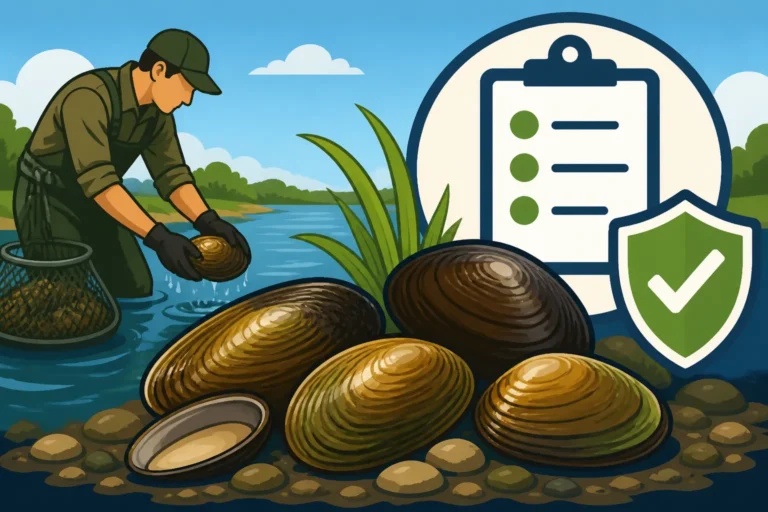
Aquatic invasive species, or AIS, are organisms that are introduced into an ecosystem where they are not native, and they cause environmental or economic harm. Think about something like zebra mussels. These tiny shelled creatures attach to anything and everything underwater – boat hulls, dock pilings, native mussel shells, and even pipes for municipal water systems. They filter vast amounts of water, removing plankton that native fish rely on for food, ultimately starving out the base of the food chain. This can lead to drastic declines in popular sport fish like walleye and crappie, which hits home for many of us who cherish Nebraska's fishing opportunities. They also form dense mats that can clog boat motors and make swimming areas unpleasant, transforming beloved spots like Lake McConaughy or Lewis and Clark Lake if left unchecked.
Another significant threat is invasive aquatic vegetation, such as Eurasian watermilfoil. This plant can grow incredibly dense, forming thick underwater mats that choke out native plants, reduce oxygen levels, and make it nearly impossible to fish, swim, or boat. Imagine trying to cast a line or paddle a kayak through a tangled jungle of weeds; it's a scenario that anglers desperately want to avoid. The impact isn't just aesthetic; it's a fundamental disruption to the delicate balance of our aquatic environments, impacting everything from fish spawning grounds to water quality, which in turn affects us all.
The Economic Burden of Invasive Species
Beyond the environmental toll, aquatic invasive species carry a hefty economic price tag. When zebra mussels clog water intake pipes, for instance, cities and power plants have to spend millions of dollars on specialized cleaning and maintenance to keep their systems operational. Boat owners might face expensive repairs to their engines if mussels get sucked into cooling systems or if weeds foul their propellers. Property values around affected lakes can decline, and the outdoor recreation industry, which relies heavily on healthy, accessible waters, can suffer significant losses. This isn't just a distant problem; it's a cost that can eventually be passed on to taxpayers and consumers.
Fishing tournaments, local bait shops, and even tourism industries depend on pristine waters. If a lake becomes less desirable due to invasive species, businesses that cater to anglers and boaters feel the pinch. The AIS stamp is a proactive measure designed to generate funds specifically dedicated to preventing these devastating ecological and economic consequences. It’s a small investment from each user that collectively builds a formidable defense against a much larger, more expensive problem, ultimately protecting our pocketbooks and our outdoor traditions in the long run.
What the Nebraska Aquatic Invasive Species Stamp Entails
So, what exactly is this stamp? Essentially, it's a permit fee that goes directly towards programs aimed at preventing, controlling, and managing aquatic invasive species in Nebraska. It’s part of a broader effort by the Nebraska Game and Parks Commission (NGPC) to safeguard our waterways. When you buy this stamp, you're contributing to a vital cause, helping fund everything from boat inspections at ramps to educational campaigns that teach boaters how to "clean, drain, and dry" their equipment.
The Purpose Behind the AIS Stamp
The core purpose of the Nebraska Aquatic Invasive Species Stamp is quite simple: to generate dedicated revenue for AIS programs. These funds are not just thrown into a general budget; they are specifically earmarked for critical initiatives. This includes funding dedicated inspection stations at high-risk entry points, like Lake McConaughy or Harlan County Reservoir, where trained staff can intercept contaminated boats before they launch. It also supports widespread monitoring efforts to detect new infestations early, which is absolutely critical for effective containment. The quicker an invasive species is identified, the better the chance of controlling or even eradicating it before it spreads uncontrollably.
Furthermore, a significant portion of the stamp's revenue supports public awareness campaigns. These campaigns use billboards, brochures, and online resources to educate boaters, anglers, and paddlers about the simple steps they can take to prevent spreading invasive species. Often, people unknowingly transport these organisms on their boats, trailers, or fishing gear. By funding education, the NGPC empowers every water user to be a part of the solution, fostering a collective responsibility that is essential for long-term success.
Funding Prevention and Management Efforts
The money collected from the AIS stamp directly funds a variety of essential activities. On the prevention side, it helps maintain boat cleaning stations equipped with hot water power washers, which are incredibly effective at killing zebra mussel veligers and other microscopic invaders. It also pays for the salaries and training of staff who conduct mandatory boat inspections, particularly for those coming from out-of-state or from known infested waters. Without these dedicated funds, such comprehensive preventative measures would be impossible to implement and sustain across Nebraska's vast network of lakes and rivers.
For areas where invasive species have already taken root, the stamp helps fund management strategies. This might include biological controls, chemical treatments for invasive vegetation, or mechanical removal efforts. While prevention is always the primary goal, having resources for rapid response and ongoing management is crucial for mitigating damage and protecting recreational opportunities. For example, if an early detection of a new invasive plant is made in a smaller lake, these funds allow for a quick, targeted intervention that could prevent its spread to larger, more critical bodies of water. The Nebraska Aquatic Habitat Stamp Explained also details other conservation efforts this revenue supports, showcasing a multi-faceted approach to protecting our aquatic resources.
Who Needs to Purchase an Aquatic Invasive Species Stamp
This is where many people get a little confused, so let's clear it up. The general rule of thumb is that if you operate or launch any vessel into public waters in Nebraska, you likely need an AIS stamp. However, there are a few important distinctions and exemptions that are good to know. It's not just about motorized boats; even some non-motorized vessels fall under this requirement.
Motorized Vessels and the AIS Stamp
If you're launching a motorized boat in Nebraska, whether it's a bass boat for fishing, a pontoon for family fun, or a jet ski for thrills, you absolutely need an AIS stamp. This applies to all motorized vessels, regardless of their size or horsepower. This is because motorized boats, especially those with complex livewells, bilges, and cooling systems, are high-risk vectors for transporting microscopic invasive species larvae or adult mussels from one body of water to another.
It doesn't matter if you're a Nebraska resident or a non-resident enjoying our state's beautiful lakes; the requirement for the AIS stamp for motorized vessels is universal. If you're planning a trip to places like Lake McConaughy or Merritt Reservoir with your boat, make sure this stamp is part of your preparation, right alongside your Nebraska Boat Registration and Fishing Rules. It’s a small addition to your checklist that makes a huge difference in keeping our waters healthy for everyone. The cost of the Nebraska Aquatic Invasive Species Stamp is typically quite modest, especially when compared to the potential damage that invasive species can cause.
Non-Motorized Vessels and Specific Exemptions
Here's where it gets a little trickier, but it's important to understand. For non-motorized vessels, the rules depend on a couple of factors. As of recent regulations, all non-motorized vessels, including kayaks, canoes, paddleboards, and rafts, are also required to have an AIS stamp if they are launched into public waters. This change was implemented because even these smaller vessels can inadvertently carry invasive species in residual water, mud, or on their surfaces, especially if they've been used in multiple bodies of water.
However, there are a few specific exemptions:
- Sailboards: These typically don't require an AIS stamp.
- Vessels used solely in privately owned waters: If your canoe never leaves your private farm pond, you don't need a stamp. But the moment it hits a public lake, the stamp is required.
- Inflatable tubes, swim noodles, or small toys: Generally, personal flotation devices and small inflatables not considered "vessels" for propulsion are exempt.
It's always best to check the latest Nebraska Game and Parks Commission regulations if you're unsure about your specific vessel. This proactive approach prevents any potential issues or fines down the line, ensuring your outdoor adventures are enjoyable and compliant.
How to Obtain Your Nebraska Aquatic Invasive Species Stamp
Getting your AIS stamp is incredibly straightforward, which is a relief when you're already juggling so many preparations for your fishing or boating trip. The Nebraska Game and Parks Commission has made it accessible through multiple convenient channels, so you can choose the method that works best for you. No need to make a special trip to a government office if you don't want to!
Purchasing Online Through GoOutdoorsNE
The easiest and most common way to get your Aquatic Invasive Species Stamp, along with your other necessary permits, is through the official GoOutdoorsNE online permit system. This platform is a one-stop shop for all your Nebraska fishing and hunting needs. You can access it from your computer, tablet, or even your smartphone, making it incredibly convenient to purchase your stamp at any time, day or night.
When you log into or create your account on GoOutdoorsNE Online Permit System, you'll find a clear section for purchasing permits. Simply select the Aquatic Invasive Species Stamp, add it to your cart, and complete the checkout process. The system is designed to be user-friendly, guiding you through each step. Once purchased, you'll receive an electronic copy of your stamp, which you can keep on your phone or print out. This digital proof is perfectly acceptable for compliance, meaning you don't have to wait for a physical sticker to arrive in the mail. It's truly hassle-free, especially if you're like me and often remember these things last minute!
In-Person at Licensed Vendors
If you prefer a more traditional approach or find yourself needing a stamp while you're already out and about, you can also purchase the AIS stamp from hundreds of licensed vendors across the state. These vendors include many sporting goods stores, bait shops, and even some convenience stores located near popular fishing and boating destinations.
This option is particularly helpful if you have questions or need some local advice. The staff at these locations are often fellow outdoor enthusiasts who can provide additional insights into local fishing conditions, current regulations, or even recommend some hot spots. You can find a list of Where to Buy a Nebraska Fishing License on the NGPC website, and these same vendors typically sell the AIS stamp. Just walk in, ask for the stamp, pay the small fee, and you'll walk out with your physical proof of purchase, ready to hit the water. It’s a great option for supporting local businesses while getting what you need.
| Method of Purchase | Convenience | Proof of Purchase | Typical Location | Additional Benefits |
|---|---|---|---|---|
| Online (GoOutdoorsNE) | High (24/7 access) | Digital (phone/print) | Anywhere with internet | Fast, no travel needed, linked to other permits |
| In-Person (Vendors) | Moderate | Physical (paper) | Bait shops, sporting goods stores, some convenience stores | Local advice, support local businesses |
Protecting Your Gear and Preventing the Spread
Having the AIS stamp is just one part of the equation; actively preventing the spread of aquatic invasive species is the responsibility of every boater and angler. It's often said that prevention is worth a pound of cure, and with AIS, it's more like a ton of prevention for potentially billions of dollars in cure. The simple steps you take before and after enjoying the water are critical in this ongoing battle.
The "Clean, Drain, Dry" Protocol
The Nebraska Game and Parks Commission, along with many other states, heavily promotes the "Clean, Drain, Dry" protocol. This isn't just a catchy slogan; it's a scientifically proven method for preventing the transfer of invasive species. Each step is vital:
- Clean: Before leaving any launch site, thoroughly inspect your boat, trailer, and all fishing gear. Remove any visible plants, mud, or animals. This means meticulously checking propellers, anchor lines, fishing nets, and even wading boots. You'd be surprised what can hitch a ride! For tough spots, a good scrub brush and a solution from a reputable brand found on Amazon, designed for marine use, can make a difference. Even tiny fragments of invasive plants can establish new colonies.
- Drain: This is perhaps the most critical step for boats. You must drain all water from your vessel, including the bilge, livewells, ballast tanks, and engine cooling systems. Pull your drain plugs and leave them out during transport. Many invasive species, like zebra mussel veligers, are microscopic and invisible to the naked eye, surviving in even small amounts of residual water. Ensuring everything is fully drained eliminates their watery highway to the next lake.
- Dry: Allow your boat, trailer, and all equipment to completely dry for at least five days before launching into a different body of water. If you can't wait that long, or if weather conditions don't allow for thorough drying, consider a high-pressure wash, preferably with hot water, at a designated cleaning station. The goal is to kill any lingering organisms that might have survived the cleaning and draining process. This step is often overlooked but provides an essential layer of protection. For more detailed guidance, check out "How to Clean a Boat to Prevent Zebra Mussels in Nebraska."
Inspecting and Maintaining Your Equipment
Beyond the "Clean, Drain, Dry" mantra, regular inspection and maintenance of your fishing gear and boating equipment can go a long way. Always check your fishing waders and boots for mud and plant fragments, especially after stream fishing where smaller invaders might lurk. Your tackle box, nets, and even anchors can harbor unwanted hitchhikers. A quick rinse with a strong hose after each trip can make a significant difference.
It's also a good idea to dedicate specific gear to specific bodies of water if possible, especially if you frequently fish in waters known to have specific invasive species. While not always practical, minimizing the cross-contamination of equipment is a smart strategy. Consider keeping a small brush and spray bottle with a diluted bleach solution (check local regulations first!) in your vehicle for quick spot cleaning of fishing gear before moving to a new location. These small habits protect not only our waters but also your favorite fishing spots for years to come.
Common Misconceptions and Clarifications
The world of fishing regulations can often be murky, and the Aquatic Invasive Species Stamp is no exception. There are a few common questions and misunderstandings that often pop up, so let's tackle them head-on to ensure you're absolutely clear on what's required and what's not. Understanding these nuances can save you a headache (and potentially a fine!) down the road.
Is the AIS Stamp Included in My Fishing License or Boat Registration?
This is a really common question, and the answer, unfortunately, is generally no, not automatically. The Nebraska Aquatic Invasive Species Stamp is a separate purchase from your standard Nebraska Fishing License Guide and your Nebraska Boat Registration and Fishing Rules. While you can purchase them at the same time through the GoOutdoorsNE system or at a vendor, they are distinct permits.
Think of it this way: your fishing license allows you to fish, and your boat registration allows you to operate your vessel on Nebraska waters. The AIS stamp specifically addresses the risk your vessel (and potentially your gear) poses to spreading invasive species. It's an additional layer of protection for the state's aquatic resources. So, when you're budgeting for your annual fishing and boating expenses, remember to factor in the cost of the AIS stamp as a separate item. Don't assume it's bundled in unless explicitly stated in a very specific, limited combination permit, which is rare for the AIS stamp itself. The Nebraska Aquatic Invasive Species Stamp Cost is typically an affordable annual fee.
Out-of-State Visitors and Reciprocity
If you're an out-of-state visitor planning to fish or boat in Nebraska, you might wonder if your home state's AIS stamp or similar permit is recognized. The short answer is no, not for the Nebraska Aquatic Invasive Species Stamp. Nebraska requires all vessels operating on its public waters to have a Nebraska AIS stamp, regardless of where the vessel is registered or if the owner has an AIS permit from another state.
This is because each state manages its AIS programs independently, and the funds from Nebraska's stamp specifically support Nebraska's unique prevention and management efforts. While some states have fishing license reciprocity agreements, these generally do not extend to special stamps like the AIS permit. So, if you're a non-resident bringing your boat to explore destinations like Lake McConaughy, you'll need to purchase a Nebraska Nonresident Fishing License Requirements and a separate Nebraska AIS stamp before you launch. It's a critical detail that many visitors overlook, leading to potential issues at boat ramps. Always assume you need the local stamp when crossing state lines with your vessel.
Enforcement and Penalties for Non-Compliance
Nobody wants to have their day on the water interrupted by a run-in with law enforcement, especially over something that could have been easily avoided. Ignoring the Aquatic Invasive Species Stamp requirement or failing to follow prevention protocols can lead to fines and other penalties. The Nebraska Game and Parks Commission takes AIS seriously, and their conservation officers are out there making sure everyone is doing their part.
On-the-Water Checks and Inspections
Conservation officers with the Nebraska Game and Parks Commission routinely conduct checks at boat ramps, popular fishing access points, and on the water itself. These checks serve multiple purposes: ensuring anglers have valid Nebraska Fishing License Guide, checking for proper boat registration, and, increasingly, verifying compliance with AIS regulations. This means they might ask to see your AIS stamp and may also perform an inspection of your vessel and trailer for visible invasive species.
These officers aren't trying to ruin your day; they are simply doing their job to protect Nebraska's resources. They are trained to identify invasive species and to ensure boaters are taking the necessary preventative measures. Cooperation during these checks makes the process smooth and quick. It's much like a routine traffic stop; if you have everything in order, it's usually just a brief interaction. Just make sure your AIS stamp, either digital or physical, is readily accessible for inspection.
Potential Fines and Consequences
The penalties for non-compliance with Nebraska's AIS regulations can vary depending on the specific violation and whether it's a first offense. If you're caught operating a vessel without the required AIS stamp, you could face a fine. These fines are designed to be a deterrent, emphasizing the importance of the regulation. Beyond the monetary penalty, repeated violations or severe cases of knowingly transporting invasive species could lead to more significant legal consequences. You can learn more about general fishing infractions in "Nebraska Fishing Violation Penalties."
It’s not just about the stamp itself. Failing to clean, drain, and dry your vessel properly, especially if you're found to be transporting visible invasive species, can also result in penalties. The goal is to educate and encourage compliance, but enforcement is a necessary tool to ensure everyone plays by the rules. Ultimately, the cost of a fine is almost certainly higher than the modest annual fee for the AIS stamp, making proactive compliance the smarter and more responsible choice for every angler and boater in Nebraska. Let's all do our part to keep Nebraska's waters healthy and thriving for future generations!
Disclaimer
Please note that fishing regulations, license requirements, and fees are subject to change. While we strive to provide the most accurate and up-to-date information, it is always recommended to consult the official Nebraska Game and Parks Commission website or their annual fishing guide for the latest regulations before heading out on the water.