Nebraska Youth Fishing Derby Rules
It can feel like you need a law degree just to figure out all the rules and regulations that come with fishing, and when you add an organized event like a youth fishing derby, it can get even more confusing. You're trying to give kids a fun, memorable experience, not bury them in paperwork! This guide is here to untangle the specifics of Nebraska Youth Fishing Derby Rules, making it easier for you to participate or even host an event that's both fun and fully compliant.
Why Youth Fishing Derbies are So Important in Nebraska
Youth fishing derbies are about so much more than just catching fish. They're vibrant community events that spark interest in the outdoors, teach valuable life skills, and create cherished memories for young anglers and their families. In Nebraska, with our diverse waterways, these derbies play a crucial role in connecting the next generation with our natural resources.
Fostering a Love for the Outdoors
Think back to your own childhood. Chances are, some of your fondest outdoor memories involve a simple fishing pole and a patient mentor. Youth fishing derbies are designed to replicate that experience, often providing an accessible, low-pressure entry point into the world of angling. They get kids away from screens and into the fresh air, allowing them to experience the thrill of a tug on the line and the peacefulness of being by the water. These early positive experiences are incredibly powerful, often leading to a lifelong appreciation for nature and conservation.
Beyond just fishing, these events introduce kids to the broader ecosystem. They might learn about different fish species, aquatic insects, or the importance of clean water. For many, a derby is their very first hands-on encounter with wildlife, igniting a curiosity that can lead to further exploration of scientific fields or simply a deeper respect for the environment. It's truly about nurturing the future stewards of Nebraska's beautiful landscapes and waters.
Learning Angling Basics in a Fun Environment
Let's be honest, fishing can have a steep learning curve. From tying knots to casting accurately and understanding fish behavior, there's a lot to absorb. Youth fishing derbies often simplify this process by providing structured learning opportunities within a festive, non-intimidating atmosphere. Many derbies have volunteers or seasoned anglers on hand who are specifically there to teach basic skills, offer tips, and help kids troubleshoot common problems.
Kids learn everything from how to bait a hook to identifying different fish, all while surrounded by their peers and supportive adults. The competitive aspect is usually secondary to participation and enjoyment, meaning kids can experiment and learn without fear of failure. It's an ideal setting for them to catch their "first fish," which is a monumental moment for any budding angler. These derbies also subtly teach patience, observation, and problem-solving – skills that extend far beyond the water's edge.
Key Nebraska Youth Fishing Derby Rules to Know
Navigating the rules for a youth fishing derby in Nebraska doesn't have to be daunting. The Nebraska Game and Parks Commission (NGPC) aims to make these events as welcoming as possible, especially for young participants. However, there are some essential guidelines to keep in mind, whether you're bringing a future pro angler or just getting them started. Understanding these core rules ensures everyone has a safe, legal, and enjoyable time.
Age Requirements and Categories
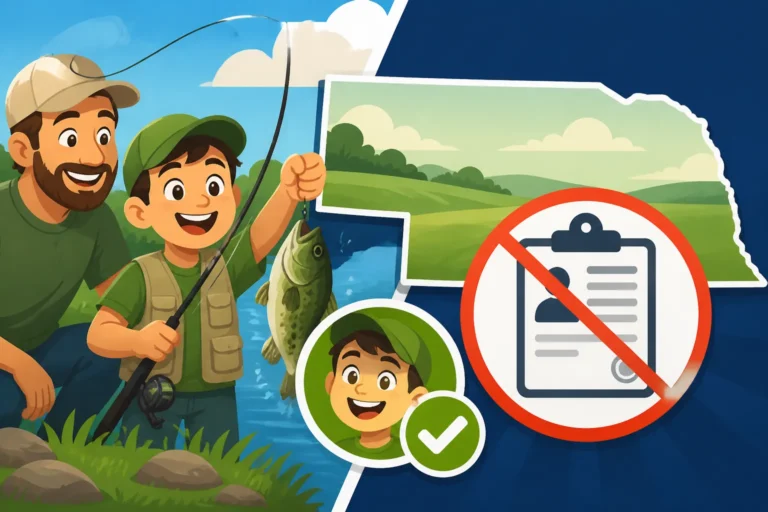
One of the most common questions revolves around age. Generally, youth fishing derbies are designed for kids up to a certain age, often 16 or 17, and sometimes even younger age groups have their own categories to ensure fair competition. In Nebraska, a major benefit for young anglers is that residents and non-residents under the age of 16 are not required to have a fishing license to fish. This policy greatly simplifies participation in derbies, as parents don't have to worry about purchasing a license for their youngest anglers. You can find more details in our guide on if you're wondering, "Do Kids Need a Fishing License in Nebraska?".
However, if a derby is open to older teenagers, say 16 or 17, they would typically need to possess the appropriate Nebraska fishing license. Event organizers should clearly state the age parameters and any license requirements upfront. Sometimes, derbies might even create special "mentored" categories where an adult angler with a valid license can assist a younger, unlicensed participant, which aligns with programs like the Nebraska Mentored Youth Fishing Program. Always double-check the specific derby's rules regarding age cutoffs and categories, as these can vary slightly from one event to another.
Permit and License Exemptions
While individual youth anglers under 16 generally don't need a license, the organization or individual hosting a large youth fishing derby in Nebraska might need to secure a special event permit from the Nebraska Game and Parks Commission. This permit ensures the event is run safely, adheres to conservation practices, and sometimes allows for specific exceptions to standard regulations, like temporary fish possession limits for the purpose of the derby weigh-in. These types of permits are distinct from individual fishing licenses.
It's crucial for organizers to coordinate with the NGPC well in advance to understand all requirements for special events. This might involve discussing fish stocking plans, potential impact on the fishery, and safety protocols. For participants, the good news is that if the derby is properly permitted by the organizers, kids under the usual licensing age can fish without needing their own permit. Even adults participating as chaperones or mentors, however, will need their own valid Nebraska fishing license, unless it's a specific "free fishing day" which is an annual event the NGPC hosts to encourage participation. You can check the specific date for the next event by looking at the Nebraska Free Fishing Day Date for 2026.
Equipment Restrictions and Tackle Guidelines
Most youth fishing derbies encourage simple, accessible tackle to keep the focus on fun and learning, not high-tech gear. Standard rod and reel setups are almost always fine. However, there might be specific guidelines to ensure fair play and fish safety. For instance, some derbies might limit the number of fishing poles an individual child can use at one time, typically to one or two, to prevent crowding and entangled lines. You'll often find that organizers specify a maximum of two lines allowed per angler, aligning with general state regulations.
Bait restrictions can also come into play. Live bait like worms or minnows are usually perfectly acceptable and encouraged for beginners, as they're often the easiest way to get a bite. However, highly specialized or potentially harmful bait might be prohibited. For catch-and-release derbies, barbless hooks are sometimes encouraged or even required to minimize harm to the fish. When preparing for a derby, it’s a good idea to ensure your young angler has a decent, easy-to-use combo rod and reel. You can often find great beginner fishing gear options on Amazon that are perfectly suited for kids, durable, and won't break the bank. Having a basic tackle box with extra hooks, bobbers, and weights, as outlined in a Beginner Fishing Gear Guide for Nebraska, will also make a big difference.
Catch and Release vs. Keep Limits
The philosophy behind fish handling varies significantly between derbies, and it's essential to understand whether it's a catch-and-release event or one where participants can keep their catch. Many youth derbies prioritize catch and release to conserve fish populations and ensure healthy fisheries for future events. In these cases, organizers will often have designated measurement stations where volunteers quickly measure, photograph (if desired), and then safely release the fish. Emphasis is placed on gentle handling to maximize the fish's survival chances.
If a derby allows participants to keep their fish, then standard Nebraska fishing daily bag and possession limits for each species would typically apply. Organizers should make these limits clear and provide guidance on how to properly care for fish destined for the dinner table. For example, if a derby is held at a lake known for crappie, the Nebraska Crappie Daily Limit would need to be followed. In either scenario, the goal is always to teach responsible angling practices. Kids learn the importance of not wasting fish and treating all creatures with respect.
Organizing Your Own Youth Fishing Derby in Nebraska
Thinking about hosting a youth fishing derby? That's fantastic! These events are truly community builders and wonderful opportunities to engage young people with the outdoors. While it takes some planning, the Nebraska Game and Parks Commission is generally very supportive of efforts to get more kids fishing.
Permitting and Event Planning
The very first step for any organization or group planning a youth fishing derby in Nebraska is to contact the Nebraska Game and Parks Commission. You'll need to inquire about special event permits. This isn't just a formality; it's a chance to partner with the experts. The NGPC can provide invaluable advice on site selection, fish stocking possibilities, and ensuring your event complies with all state regulations. They might also be able to offer resources, volunteers, or promotional support. For instance, they might suggest ponds from the Nebraska Urban Fishing Program Stocked Ponds Near Me for easier access and higher catch rates for kids.
Beyond the regulatory aspect, thorough event planning is key. Consider logistics like registration, weigh-in stations, first-aid posts, and accessible restrooms. What kind of prizes will you offer? Often, simple participation prizes or small trophies for categories like "first fish caught" or "smallest fish" are more impactful for kids than focusing solely on the biggest catch. Having plenty of volunteers on hand to help kids with tangles, baiting hooks, and general guidance is also critical. Think about what will make the day memorable and stress-free for both the kids and their accompanying adults.
Safety Considerations and Supervision
When organizing an event involving water and children, safety must be your absolute top priority. Before the derby even begins, perform a thorough site assessment. Identify any potential hazards like slippery banks, deep drop-offs, or unsafe structures. Clearly mark off safe fishing zones and any areas that are off-limits. Consider having a designated first-aid station with trained personnel, and ensure access for emergency services if needed.
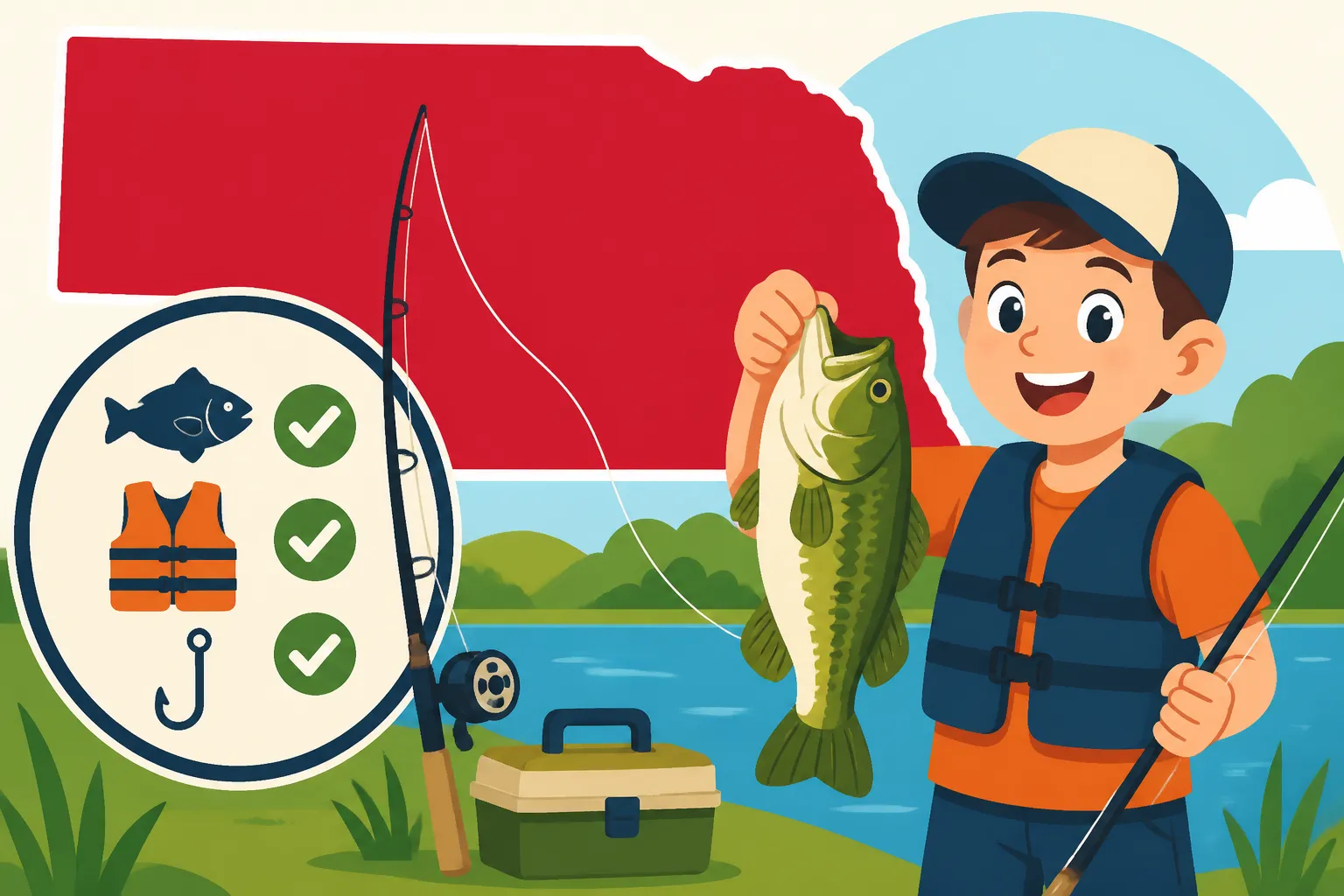
Equally important is supervision. Recruit an adequate number of adult volunteers, ideally with first-aid or CPR training, to supervise children closely. Establish a clear check-in and check-out system for all participants. Encourage or even require that all young children wear U.S. Coast Guard-approved life jackets, especially if they are fishing near deeper water or on docks. It's a good idea to have extra life jackets on hand that you can lend out. Communicating these safety rules clearly to parents and participants from the outset will help ensure everyone has a secure and fun experience.
Encouraging Participation and Fair Play
The best youth derbies aren't about cutthroat competition; they're about encouraging participation, celebrating effort, and fostering a love for fishing. Design your event with inclusivity in mind. Offer various categories for awards that go beyond just the "biggest fish," such as "most fish caught," "first fish caught," "most unusual catch" (within legal limits, of course!), or even a simple "participation award" for every child. This approach ensures that every child feels a sense of accomplishment, regardless of their skill level or luck on the day.
Fair play is also paramount. Clearly communicate all rules, especially regarding bait, tackle, and fish handling, to all participants and their guardians. Have volunteers gently reinforce these rules throughout the day. Consider having a "no coaching" rule for parents during the actual fishing time, allowing kids to figure things out independently or seek help from designated volunteers. The goal is to create a positive, supportive atmosphere where kids feel empowered to learn and enjoy themselves, which perfectly aligns with the spirit of events like the Nebraska Youth Fishing Derby Rules.
Finding and Participating in a Nebraska Youth Fishing Derby
You're excited to get your young angler involved, which is awesome! Youth fishing derbies are incredible experiences, and thankfully, finding one in Nebraska is usually pretty straightforward, especially with a bit of searching.
Where to Look for Upcoming Events
The best starting point for finding a youth fishing derby in Nebraska is always the Nebraska Game and Parks Commission (NGPC) website. They maintain a calendar of events, including various fishing clinics and derbies hosted by their staff or permitted by the state. Local bait and tackle shops are also goldmines of information. These often serve as community hubs, and their owners are usually well-connected to local angling clubs and event organizers. Don't be shy about popping in and asking about upcoming youth events; they love to see new faces interested in fishing.
Beyond that, keep an eye on local community calendars, park and recreation department websites, and even social media groups dedicated to Nebraska fishing. Many small towns and larger cities will host derbies at local parks or lakes, often in conjunction with events like Nebraska's Free Fishing Day. These local events are a fantastic way to introduce kids to fishing in a familiar and accessible setting. You might be surprised to find a great opportunity just a short drive away!
What to Bring for a Successful Day
Preparing for a youth fishing derby is half the fun! While specific needs might vary slightly, a basic checklist will ensure you're ready for a great day on the water. First and foremost, ensure your child has an appropriate fishing rod and reel. Something easy to handle and sized for their hands makes a huge difference. A simple spinning combo works wonders. If you're looking for ideas, remember that Amazon offers a vast array of kid-friendly fishing gear perfect for beginners.
You'll also want to bring a small tackle box or bag stocked with essentials: extra hooks (size 6-10 usually works for panfish), bobbers, split shot weights, and some pliers for hook removal. Don't forget bait! Live worms are almost always a hit and incredibly effective for many common derby species like bluegill or channel catfish. Pack plenty of water and snacks, sun protection (hats, sunscreen), insect repellent, and a small cooler to keep any keepers fresh. A small folding chair can also be a godsend for young anglers who need a break. Remember, comfort and preparedness contribute hugely to a positive experience. For more on essential items, check out our guide on Beginner Fishing Gear Guide for Nebraska.
Post-Derby Fun and Recognition
The excitement doesn't end when the fishing poles are put away. The weigh-in or measurement ceremony is often a highlight, where kids get to show off their catches and receive recognition. Even if your child didn't catch the biggest fish, the act of participating and contributing to the event's energy is a huge win. Many derbies hand out participation ribbons, small prizes, or even certificates, making every child feel special.
Take the time to celebrate their efforts, whether it was catching their first fish, learning a new knot, or simply having a blast outdoors. Talk about the fish they saw, the new friends they met, and what they learned. If they caught a fish they can keep, consider having a special family meal where it's the star. These post-derby moments reinforce the positive experience and help solidify their budding interest in fishing. It's all about making memories and instilling a lifelong love for the sport.
Nebraska Youth Fishing Derby Rules at a Glance
To make things a little easier, here's a quick reference table for some of the common rules and considerations when it comes to Nebraska Youth Fishing Derbies. Remember, always check the specific rules for the event you plan to attend or organize.
| Category | General Guideline | Key Considerations |
|---|---|---|
| Age for Participants | Typically youth-focused, often up to 16-17 years old. | Residents & non-residents under 16 do NOT need a license. Older youth (16-17) likely need a standard Nebraska fishing license. |
| Licenses/Permits | Kids under 16 exempt. Organizers may need a special event permit from NGPC. | Adults assisting (non-Mentored Youth Program) need valid Nebraska licenses. Verify specific event requirements with organizers or NGPC. |
| Equipment | Standard rod/reel, simple tackle encouraged. | Often limits to 1-2 poles per angler. Barbless hooks sometimes required for catch & release. Live bait (worms, minnows) usually acceptable. |
| Fish Handling | Varies: Catch-and-Release vs. Keep. | Catch & Release: Emphasize quick measurement/release, gentle handling. Keep: Must adhere to Nebraska Fishing Daily Bag and Possession Limits for species. |
| Safety | High priority. | Adequate adult supervision, clearly marked safe zones, first-aid, encourage/require life jackets for younger children. |
| Event Philosophy | Encourage participation, learning, and fun. | Multiple prize categories (not just "biggest fish"). Clear communication of rules. Focus on positive outdoor experience. |
Disclaimer
Please note that fishing regulations and derby rules can change. While we strive to provide the most accurate and up-to-date information, it is always your responsibility to verify current regulations with the Nebraska Game and Parks Commission or the specific event organizers before participating in or hosting a fishing derby.