Pawnee Lake Crappie Fishing
It can be incredibly frustrating to hit the water, especially a lake you’re not overly familiar with, and spend hours without a single bite. You’ve heard Pawnee Lake near Lincoln is a crappie hotspot, but knowing where and how to target these tasty panfish can feel like a secret code. This guide is here to decode it for you, offering a deep dive into the best strategies for successful crappie fishing at Pawnee Lake.
Why Pawnee Lake is a Crappie Hotspot
Pawnee Lake, a beautiful reservoir just northwest of Lincoln, has earned its reputation as a crappie angler's paradise for some very good reasons. It's not just a pretty face; it's an incredibly productive fishery with a healthy population of both black and white crappie. Understanding the nuances of this particular lake is your first step to filling your livewell.
Understanding Pawnee Lake's Unique Ecosystem
Pawnee Lake spans roughly 1,500 acres when at full pool, offering a significant amount of fishable water. Its average depth is around 10-15 feet, but it features deeper channels, especially near the dam, reaching depths of 30-40 feet. This varied topography is a major draw for crappie, which love to relate to structure at different depths throughout the year. The lake bed is a mix of silt, sand, and gravel, but what really makes it shine are the countless submerged features. You'll find old creek channels, flooded timber (especially in the upper reaches of the arms), rock piles, and artificial brush piles that the Nebraska Game and Parks Commission has strategically placed over the years. These underwater sanctuaries provide perfect ambush points and cover from predators, making them prime real estate for crappie.
The water clarity at Pawnee Lake can vary, often being a bit stained, especially after heavy rains. This isn't a bad thing for crappie fishing; in fact, slightly murky water can often make crappie less spooky and more willing to bite during daylight hours. However, it does mean you might need to adjust your bait colors or presentation to ensure visibility. Pawnee Lake is part of a larger network of public fishing areas in the state, managed to ensure sustainable populations for anglers like us.
Key Crappie Species and Their Habits
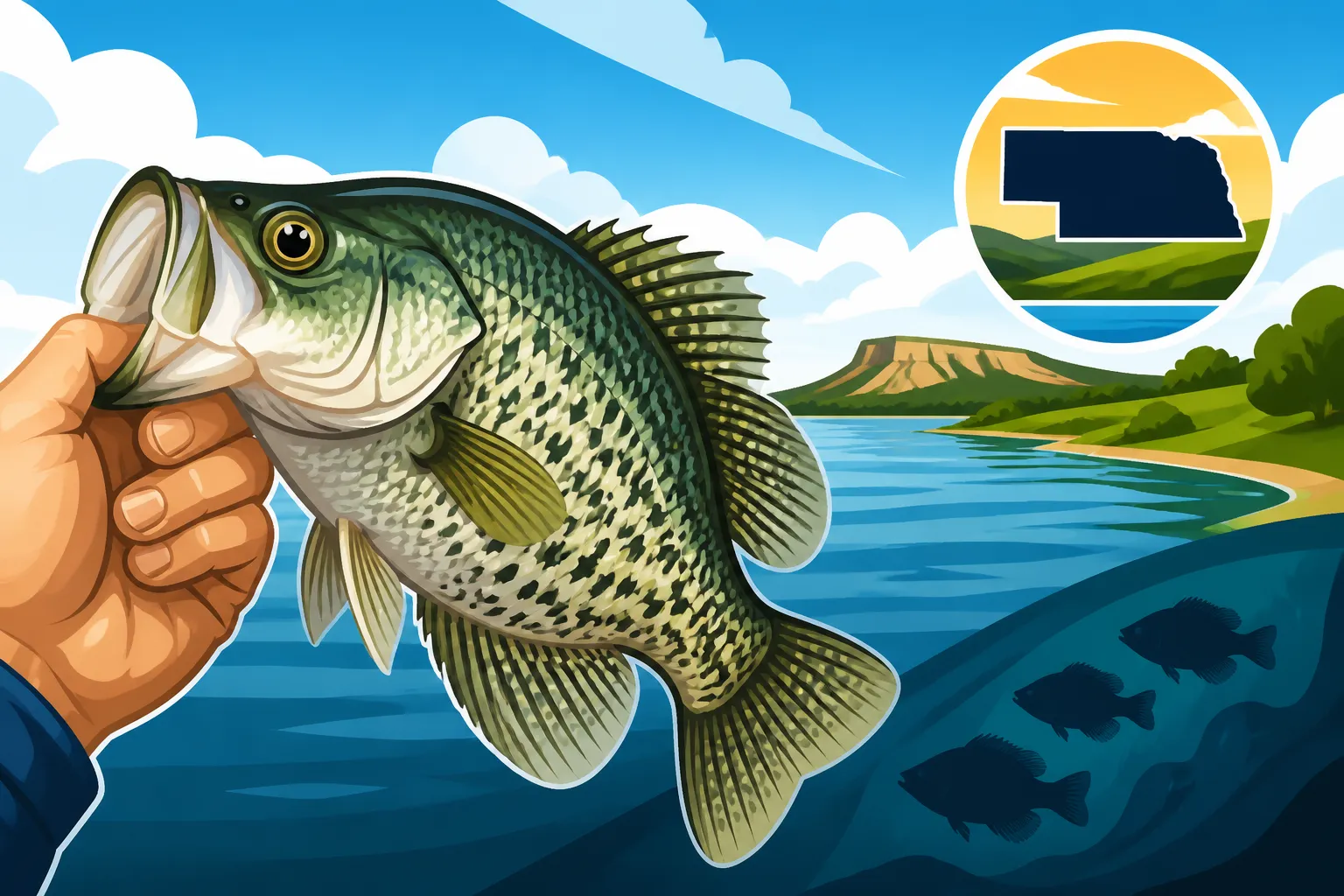
At Pawnee Lake, you'll primarily encounter two species of crappie: black crappie and white crappie. While they share many similarities, understanding their subtle differences can significantly improve your catch rates.
Black Crappie are typically found in clearer water and prefer areas with more dense vegetation or timber. They tend to have a more scattered, speckled pattern on their bodies, and their dorsal fin has seven or eight spines. If you're fishing a relatively clear pocket of water with lots of brush, chances are you're going to encounter more black crappie. They’re often slightly thicker-bodied than white crappie of the same length, and they can be incredibly aggressive when the conditions are right. They’re less tolerant of murky water and will often seek out the cleanest water available.
White Crappie, on the other hand, are more tolerant of stained or turbid water and are frequently found in open water or areas with less dense cover. They're identifiable by their distinct vertical bars along their sides, and their dorsal fin usually has six spines. You'll often find white crappie congregating in large schools, particularly over open water structure or deeper humps, especially during the colder months or in deeper sections of the lake. They are opportunistic feeders and can be caught in large numbers when you find a school. Both species will relate to similar structures, but knowing their general preferences can help you decide which types of areas to target. You might even find yourself debating if you’ve caught a "black crappie vs white crappie" – a good problem to have!
Best Times and Seasons for Crappie at Pawnee Lake
Crappie fishing at Pawnee Lake is a year-round affair, but the tactics, locations, and even the type of crappie you’ll target will shift dramatically with the seasons. It's all about knowing where they are and what they're doing.
Spring Spawning Frenzy
Ah, spring! This is arguably the most exciting time for crappie anglers at Pawnee Lake. As water temperatures begin to climb into the upper 50s and low 60s Fahrenheit, usually from late March through May, crappie move from their deeper wintering grounds into the shallows to spawn. This is when they become highly concentrated and aggressive, making them easier to target.
Look for them in protected coves, shallow bays, and along shorelines with submerged brush, cattails, or laydowns. These areas warm up faster and offer critical cover for depositing eggs. Depths of 2-8 feet are often key. A classic technique during this time is to cast small jigs (1/16 to 1/8 oz) tipped with a soft plastic grub or a small minnow under a bobber. Fan cast around any visible cover, or slowly troll these setups along contour lines in the shallows. The trick is to keep your presentation slow and subtle. Crappie are focused on reproduction but will readily hit anything that looks like an easy meal near their beds. For a deeper dive into these tactics, check out our guide on how to catch crappie in spring. Remember, the exact timing can vary year to year depending on local weather, so paying attention to water temperature is crucial.
Summer Structure Fishing
Once the spawning ritual is over and the water heats up, crappie transition to deeper, cooler waters at Pawnee Lake. This means moving away from the visible shoreline cover and seeking out submerged structure. Think brush piles, old creek channels, deep humps, and points that drop off into deeper water. Crappie will often suspend themselves above these structures, sometimes in dense schools.
Summer fishing requires a bit more finesse and often involves boat fishing to access these deeper spots. Using your fish finder to locate these underwater havens is critical. Once you find a brush pile, for instance, vertical jigging with a small jig or dropping a live minnow directly into the school can be incredibly effective. Early mornings and late evenings are often the most productive times during the summer, as crappie will be more active in lower light conditions, moving slightly shallower or higher in the water column to feed. During the harsh midday sun, they'll often hold tight to the densest cover. This is when understanding how to catch crappie around brush piles becomes invaluable.
Fall Feast and Winter Lull
As the summer heat gives way to cooler autumn air, crappie at Pawnee Lake enter a "fall feast" mode. They'll start to school up again and feed aggressively, fattening up for the long winter ahead. Water temperatures in the 50s typically trigger this behavior. You'll often find them congregating in transition areas – where shallow flats drop off into deeper channels or along secondary points. They might move back into slightly shallower depths during low-light conditions but will generally relate to deeper structure than in spring. Trolling with small crankbaits or casting jigs and retrieving them slowly can be very productive as they roam to feed.
When winter truly sets in and the lake freezes over, Pawnee Lake becomes a popular destination for ice fishing. While crappie can be a bit more lethargic, they are still very catchable. Look for them over deep weed beds (if present), submerged timber, or anywhere you found them congregating in late fall. Small ice jigs tipped with a wax worm or a tiny soft plastic, fished slowly near the bottom or suspended in the water column, are often the ticket. Finding them can be the biggest challenge, but once you do, you can often catch several from the same hole. Our guide on how to find crappie in cold water offers some excellent tips for these chillier months.
Pawnee Lake Crappie Fishing by Season
| Season | Best Time of Day | Primary Location | Preferred Depths | Recommended Technique | Bait/Lure Suggestions |
|---|---|---|---|---|---|
| Spring | Morning/Evening | Protected coves, shallow bays, shorelines with cover | 2-8 feet | Casting jigs under bobbers, slow trolling | Small jigs (1/16-1/8 oz), live minnows |
| Summer | Early Morning/Late Evening | Deep brush piles, creek channels, humps, main lake points | 10-25 feet (often suspended) | Vertical jigging, slow trolling, spider rigging | Live minnows, small soft plastic jigs |
| Fall | All Day (weather dependent) | Transition areas, points, channel edges | 8-20 feet | Casting jigs, slow trolling crankbaits | Jigs (1/8-1/4 oz), small crankbaits, minnows |
| Winter | Midday | Deep timber, ice fishing holes over structure | 15-30 feet | Ice jigging, deadsticking | Tiny ice jigs, wax worms, small plastics |
Effective Techniques and Tackle for Pawnee Lake Crappie
To consistently catch crappie at Pawnee Lake, you need the right tools and a good understanding of how to use them. These fish are not typically tackle busters, so light gear is often key to success.
Rods, Reels, and Line Choices
When it comes to crappie fishing, finesse often outmatches brute force. An ultralight or light action spinning rod, typically between 5 to 7 feet in length, is ideal. This setup allows for sensitive feel, delicate presentations, and enjoyable fights with even smaller crappie. Shorter rods (5-6 ft) are great for casting in tight quarters or vertical jigging, while longer rods (6.5-7 ft) provide better casting distance from shore or when trying to reach subtle structures from a boat.
Pair your rod with a small spinning reel, something in the 500-1000 series. These reels are lightweight, balance well with ultralight rods, and have smooth drags crucial for protecting light lines. For more recommendations, explore our guide on the best spinning reels for panfish.
For fishing line, 4-6 pound test monofilament or fluorocarbon is generally preferred. Monofilament offers good knot strength and some stretch, which can act as a shock absorber when a crappie surges. Fluorocarbon, being nearly invisible underwater and offering less stretch, is excellent in clearer water conditions or for increased sensitivity. Some anglers even opt for a thin braided line (6-10 lb test) with a 4-6 lb fluorocarbon leader for maximum sensitivity and casting distance, especially when fishing deeper water. The main goal is to use line that’s strong enough to land fish but light enough not to spook them or hinder the action of your small lures.
Baits and Lures That Get Bites
Crappie at Pawnee Lake aren't overly picky, but certain baits and lures consistently outperform others.
Live Bait: There's an old saying, "nothing beats the real thing," and for crappie, that often means live minnows. A small fathead minnow hooked through the back just behind the dorsal fin, suspended under a bobber or fished on a small jig head, is a classic crappie killer. Worms, especially small pieces of nightcrawlers, can also work, though minnows are generally more effective for crappie. When fishing with live bait, remember that crappie have delicate mouths, so a quick, firm hookset is essential.
Artificial Lures: Jigs are the undisputed king of artificial crappie lures.
- Soft Plastic Jigs: Tiny soft plastic grubs, tubes, and shad-shaped bodies ranging from 1 to 2 inches are incredibly versatile. Pair them with jig heads from 1/32 oz to 1/8 oz, depending on depth and wind. Popular colors include chartreuse, white, electric chicken, black/chartreuse, and various shad patterns. Experiment with colors, as the best jig color for Nebraska crappie can change day by day based on water clarity and light conditions.
- Small Crankbaits: During summer and fall, when crappie are aggressive and chasing baitfish, small crankbaits can be deadly. Look for models that dive to the depths where you're marking fish. Trolling these can cover a lot of water and help you locate schools quickly.
- Blade Baits & Spoons: In deeper water or during ice fishing, small blade baits and jigging spoons can elicit strikes. Their flash and vibration can attract crappie from a distance.
Presentation is key. Whether you're casting, vertical jigging, or spider rigging (using multiple rods with different depths), a slow, erratic retrieve often works best. Crappie are ambush predators; they prefer an easy target.
Locating Crappie with Electronics and Visual Cues
Finding crappie is half the battle, especially on a lake the size of Pawnee.
Using Electronics: For boat anglers, a good fish finder is an invaluable tool. Modern units with side imaging and down imaging capabilities can literally show you submerged brush piles, old creek channels, and even schools of crappie holding tight to structure. Learning how to use side imaging sonar for structure can quickly reveal hidden crappie hotspots that shore anglers can only dream of reaching. Don't just motor around; idle slowly over promising areas, marking any significant structure or fish activity you see on your GPS. These waypoints will be gold on future trips.
Visual Cues for Shore and Boat Anglers: Even without fancy electronics, you can still find crappie. Look for visible structure like fallen trees, boat docks, or patches of emergent vegetation (like cattails). Crappie love cover. In spring, observe the water's surface for any signs of activity, like baitfish flickering, which often indicates predators are nearby. Wind can also be your friend; a light breeze blowing into a cove can push baitfish and warm water into that area, attracting crappie. If you see other anglers consistently catching fish from a certain spot, it’s often a good indicator!
Navigating Pawnee Lake and Local Tips
Pawnee Lake is user-friendly, but a little local knowledge and respect for the environment go a long way in ensuring a great day of fishing.
Public Access Points and Boat Ramps
Pawnee Lake offers several public access points, making it convenient for both boat and shore anglers. The main entrance, Pawnee State Recreation Area, is on the north side of the lake and provides multiple boat ramps. Ramps are well-maintained, usually with ample parking. Areas near the dam also offer good access, often leading to deeper water quickly. For shore anglers, designated fishing piers and large sections of accessible shoreline provide plenty of opportunities, especially around the main park areas and picnic grounds. The arms of the lake, particularly the western arm, have numerous coves and timbered areas that can be excellent for crappie, especially during the spring spawn. Just be mindful of private property markings if you venture too far from the main public access points.
Rules, Regulations, and Conservation
Before you cast a line, always familiarize yourself with the current Nebraska fishing regulations. You can find detailed information in the Nebraska Fishing Regulations Explained guide or on the Nebraska Game and Parks website. Specific to crappie at Pawnee Lake, you'll need to pay attention to daily bag and possession limits, which are designed to ensure a healthy crappie population for years to come. Generally, there's a generous daily bag limit, but double-check any specific length limits that might be in place for panfish. Remember, a valid Nebraska Fishing License is required for most anglers, and you might also need a Nebraska Aquatic Habitat Stamp. Practicing catch and release best practices for any fish you don't intend to keep is crucial for maintaining the fishery. Handle fish gently, minimize their time out of water, and use proper de-hooking tools.
Local Insights and Hidden Gems
While Pawnee Lake is well-known, there are always a few tricks and lesser-known spots that can give you an edge. Many local anglers will tell you that after a good rain, especially in spring or early summer, crappie can move surprisingly shallow in the lake's upper reaches, chasing runoff worms and insects. Don't overlook the causeways or bridge pilings that cross parts of the lake; these often have brush piles or deeper scour holes around them that hold crappie.
For those looking to expand their horizons or get expert guidance, consider looking into a local fishing guide. Services like FishingBooker can connect you with experienced Nebraska fishing guides who specialize in crappie fishing on lakes like Pawnee. These guides often have years of experience on the specific body of water, know exactly where the fish are holding, and can teach you advanced techniques. They can save you a lot of trial and error and significantly boost your chances of a successful outing. A local guide might even reveal some of those "hidden gems" we all dream of finding. Always be prepared for changing weather conditions, and never forget the importance of sun protection and hydration on the water.
Disclaimer
Please note that fishing conditions, regulations, and fish behavior can change. Always consult the latest Nebraska Game and Parks Commission regulations before fishing. This guide is for informational purposes only and does not guarantee fishing success.