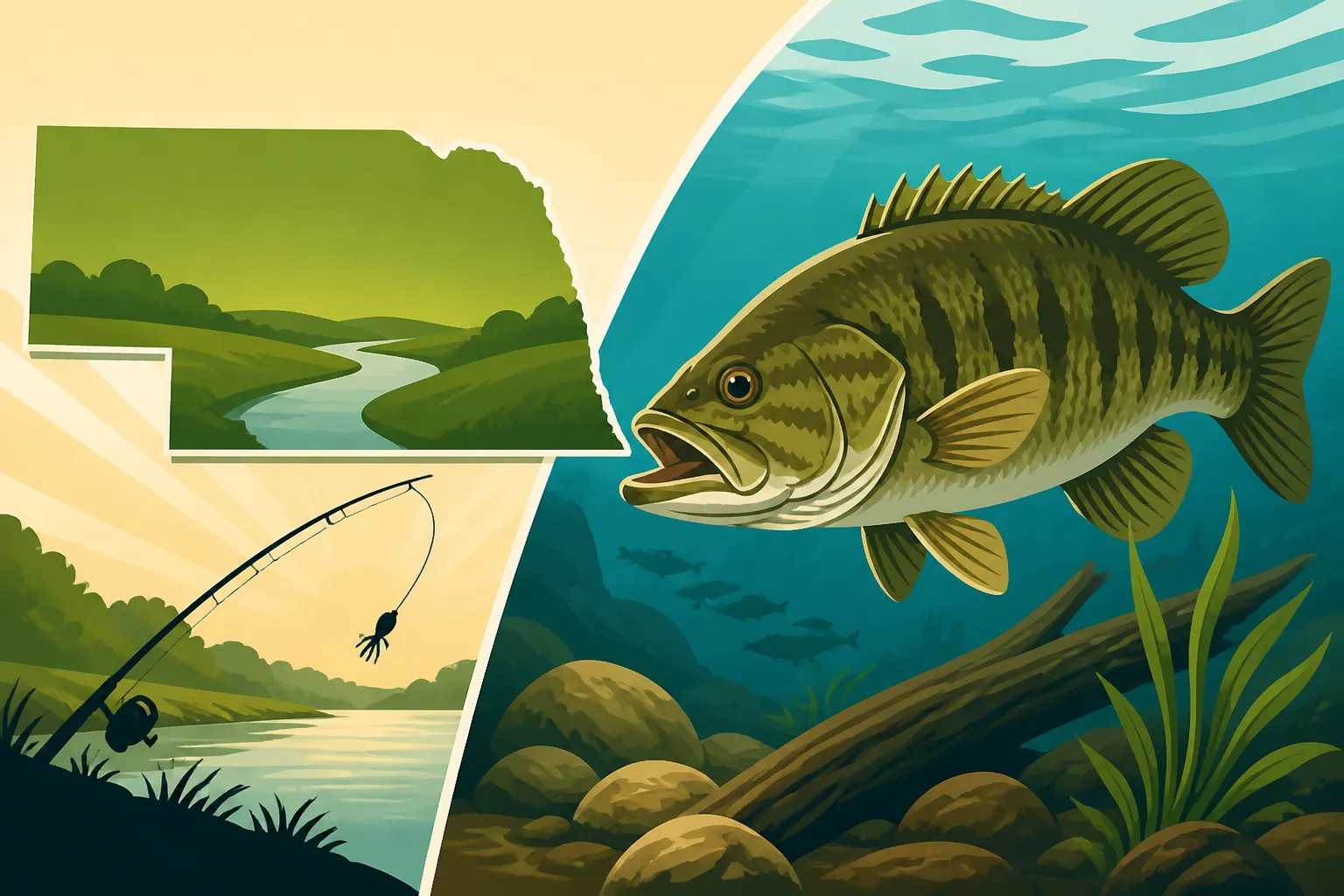
Nebraska Smallmouth Bass Habitat
For many anglers, the thought of chasing smallmouth bass conjures images of rocky, clear-water streams in the Ozarks or the Great Lakes. So when you find yourself in the heart of Nebraska, a state often celebrated for its incredible walleye and catfish opportunities, the idea of targeting smallmouth might feel a bit daunting or even unrealistic. But trust me, they're here, and they offer an exhilarating challenge for those who know where to look. This comprehensive guide is dedicated to pulling back the curtain on Nebraska smallmouth bass habitat, helping you understand their preferences and pinpointing the best spots to find these hard-fighting bronze beauties.
Understanding Smallmouth Bass Preferences in Nebraska
Smallmouth bass are incredibly particular about their environment, and Nebraska's varied landscape offers pockets that perfectly mimic their preferred homes. Unlike their largemouth cousins, who are quite content hunkering down in thick weeds and woody cover in murky water, smallmouth are more discerning. They're often found in places that defy the typical "Nebraska fishing" stereotype, requiring a slightly different approach and a keen eye for detail. It's about recognizing the subtle cues that tell you, "Hey, a smallmouth might be living here!"
The Allure of Cooler, Clearer Waters
One of the defining characteristics of quality smallmouth habitat, whether you're in Nebraska or anywhere else, is cooler, clearer water. These fish are visual predators, relying on their keen eyesight to ambush prey. Turbid, muddy water makes their job much harder, which is why you won't typically find them thriving in slow, silty rivers or ponds. Instead, think about areas with consistent flow, good oxygen levels, and a substrate that doesn't easily churn up sediment. This is often why rivers and certain reservoirs with rocky bottoms become their havens.
In Nebraska, this usually means focusing your efforts on rivers with a decent current, especially those fed by groundwater or springs that help maintain cooler temperatures through the hotter months. Even in reservoirs, the clearest sections, often near dam faces, deeper rock points, or where cooler inflows occur, will be your best bet. It's a stark contrast to fishing for channel catfish, for example, who don't mind a bit of murk. When you're standing on the bank, scanning the water, look for visibility that allows you to see several feet down, rather than just inches.
Another aspect of cooler, clearer water is the presence of suitable forage. Smallmouth often feed on crayfish, minnows, and aquatic insects that thrive in these cleaner environments. If you find an area with an abundance of these prey items, chances are the smallmouth are not far behind. It’s all interconnected, a delicate ecosystem that the smallmouth are very much a part of. Paying attention to these subtle environmental cues can be more productive than simply casting blind.
The Importance of Hard Structure
If there's one thing a smallmouth bass loves more than clear water, it's hard structure. We're talking rocks, boulders, gravel, riprap, ledges, and even submerged timber or bridge pilings that provide a solid foundation. These aren't just places for them to hide; they're essential elements for ambush points, current breaks, and spawning areas. Smallmouth bass absolutely thrive in environments where they can tuck behind a rock, wait for a minnow to swim by, and then dart out for a quick meal.
Think about a riverbend where the current carves out a deeper channel along a rocky bank, or a reservoir point that drops off sharply into deep water, littered with basketball-sized rocks. These are textbook smallmouth locations. The rough texture of the rocks provides cover from predators, breaks up the current allowing them to conserve energy, and acts as a magnet for the aquatic invertebrates and baitfish they feed on. Unlike largemouth, which might prefer a dense weed bed, smallmouth want to feel that solid rock under them.
Even artificial structures like concrete bridge supports, old submerged roadbeds, or riprap along causeways can hold impressive numbers of smallmouth. The key is that the structure must be hard. Sand flats or soft, silty bottoms generally don't appeal to them unless there's an abrupt change, like a rock pile suddenly appearing on a sand flat. When you're exploring new waters, keep an eye out for these structural elements, both visible and submerged. Consider investing in a good fish finder if you're boating, as it can reveal these hidden treasures.
Key River Systems for Smallmouth Bass in Nebraska
When it comes to smallmouth bass in Nebraska, rivers are often your best bet, particularly those in the northern and western parts of the state. These waterways provide the consistent current, cooler temperatures, and abundant rock and gravel substrate that smallmouth crave. They offer a dynamic fishing experience, often requiring a blend of wading, floating, and precise casting to reach these elusive fish.
The Niobrara River's Unique Environment
Hands down, the Niobrara River is the crown jewel for Smallmouth Bass Fishing in Nebraska. This incredible waterway, often considered one of the most scenic rivers in the Midwest, flows through a diverse landscape of pine-clad canyons and rolling sandhills. Its unique geological features and cold, spring-fed tributaries create ideal conditions for smallmouth bass. The river bottom is a mix of gravel, sand, and significant rock formations, offering countless current breaks and ambush points.
What makes the Niobrara so special for smallmouth is the consistent flow and the relatively cooler water temperatures, especially in the upper and middle stretches. It's not uncommon to find stretches where the river is a series of riffles, runs, and deeper pools, each holding potential for a bronze-back encounter. Anglers often wade or float sections of the river, casting to undercut banks, large boulders, and seams where slower water meets faster current. You'll want to check out Niobrara River Smallmouth Bass Fishing for more specific tactics. The river's remoteness in some areas also means less fishing pressure, allowing smallmouth populations to thrive and grow.
Beyond the smallmouth themselves, the What Fish Live in the Niobrara River list is quite impressive, showcasing the overall health of this river. It's a wild, untamed river in many ways, and fishing it is as much an adventure as it is a fishing trip. You might even ponder, Are Smallmouth Bass Native to Nebraska Rivers?, as their presence feels so natural in this environment. The Niobrara truly embodies what a prime river smallmouth habitat should look like in Nebraska.
Other Rivers with Smallmouth Potential
While the Niobrara gets most of the accolades, other Nebraska rivers shouldn't be overlooked, especially if you're looking for smallmouth closer to home or exploring new territory. These rivers might not have the same consistent smallmouth populations as the Niobrara, but they certainly hold pockets of good habitat and offer exciting opportunities.
The Platte River, particularly its larger tributaries and segments where the river narrows and picks up speed, can occasionally yield smallmouth. Look for areas with rock riffles, bridge pilings, or riprap where the water clears up and provides structure. It's a vast river, so identifying these specific "smallmouth zones" requires a bit more exploration. Similarly, the Loup River system, with its sandhill-fed tributaries, can offer surprising finds. Focus on areas downstream from dams or where rocky bottom transitions are evident. These spots might not be as celebrated, but a determined angler can certainly find success.
It's about knowing that even if a river is generally known for catfish or carp, smallmouth are opportunistic and will colonize any suitable habitat. So, don't write off a river just because it's not the Niobrara. Always look for those telltale signs: clear water, current, and hard structure. These areas might be smaller, more isolated, but they can produce quality fish. Researching the Best Nebraska Rivers for Fishing can also give you some broader context and reveal other hidden gems that might hold smallmouth.
| River System | Primary Habitat Type | Smallmouth Presence | Key Features for Smallmouth | Access & Experience |
|---|---|---|---|---|
| Niobrara River | Clear, cool, rocky, good current | Excellent | Spring-fed, deep pools, rock gardens, canyons | Wading, canoeing, kayaking, remote sections |
| Platte River (upper/mid) | Variable, some rocky stretches | Occasional | Bridge pilings, riprap, dam tailwaters, clear tributaries | Public access points, wading, boat (shallow draft) |
| Elkhorn River | Clearer sections, gravel/rock banks | Possible | Rocky riffles, log jams, bank erosion | Wading, bank fishing, smaller boat/kayak |
| Loup River System | Clearer tributaries, sand/gravel | Possible | Junctions with rocky inputs, deeper bends | Wading, bank fishing, remote access |
| Republican River | Some rock/gravel, clearer flows | Possible | Dam tailwaters, rocky points, bridge pilings | Public access points, some boat access |
Lake and Reservoir Habitats for Smallmouth
While rivers are prime, Nebraska's numerous lakes and reservoirs also offer compelling smallmouth bass opportunities. These larger bodies of water can hold impressive populations, especially those with significant rocky elements, deep water access, and good water clarity. Fishing reservoirs often means covering more water, but the reward can be big, aggressive smallmouth.
Western Nebraska's Smallmouth Gems
Western Nebraska is home to some of the state's most iconic fishing destinations, and thankfully, several of these reservoirs boast strong smallmouth populations. Lake McConaughy is perhaps the most famous, a vast expanse of water known for its clear, cold depths and extensive rocky habitat. Smallmouth here relate heavily to the riprap on the dam, rocky points, submerged humps, and the numerous rock piles scattered throughout the lake. They thrive in the deeper, clearer water, often associating with the same types of structure that draw in walleye.
Merritt Reservoir, nestled in the Sandhills, is another fantastic option. While renowned for its muskellunge and walleye, Merritt's clear waters and rocky shorelines also provide excellent smallmouth habitat. Look for them around rocky points, along the dam, and any submerged timber or brush that provides a hard edge. These western reservoirs offer a different experience than river fishing, often requiring boats to access the best structures and a bit more finesse to present lures in deeper water. Lake McConaughy Fishing Guide or a Merritt Reservoir Fishing Guide would be great resources to learn more about the broader fishing opportunities, but remember to keep smallmouth habitat in mind when exploring.
When you're out on these big waters, don't be afraid to put your electronics to good use. Side imaging and down imaging can reveal hidden rock piles, old roadbeds, and submerged timber that would be impossible to find otherwise. These digital tools, easily found on platforms like Amazon, become invaluable in deciphering the underwater landscape and locating prime smallmouth hangouts.
Eastern Nebraska's Lesser-Known Pockets
Eastern Nebraska, while generally known for its warmer, often murkier waters, still holds some surprising smallmouth bass opportunities for the persistent angler. These might not be vast populations like in the Niobrara or McConaughy, but isolated pockets can offer rewarding fishing, especially in reservoirs that manage to maintain decent water clarity and have ample rocky structure.
Reservoirs like Branched Oak Lake, for instance, known for its catfish and crappie, also has areas with riprap, rock jetties, and dam faces where smallmouth can be found. These fish will congregate around these harder structures, especially where there's a good depth change nearby. Similarly, some of the smaller flood control reservoirs, particularly those with cleaner inflowing water and rocky banks, can surprise anglers with smallmouth. It often means doing a bit more legwork, scouting maps, and even driving around to observe water conditions.
The key in eastern Nebraska is to actively seek out those specific habitat requirements: clear water (or at least clearer than the surrounding average), and hard, rocky structure. If you find a reservoir with a section of robust riprap, a rocky point extending into deeper water, or even old concrete structures, it's worth spending some time investigating for smallmouth. You might just uncover a hidden gem that the average angler overlooks, leading to some truly exciting catches.
Seasonal Movements and Habitat Shifts
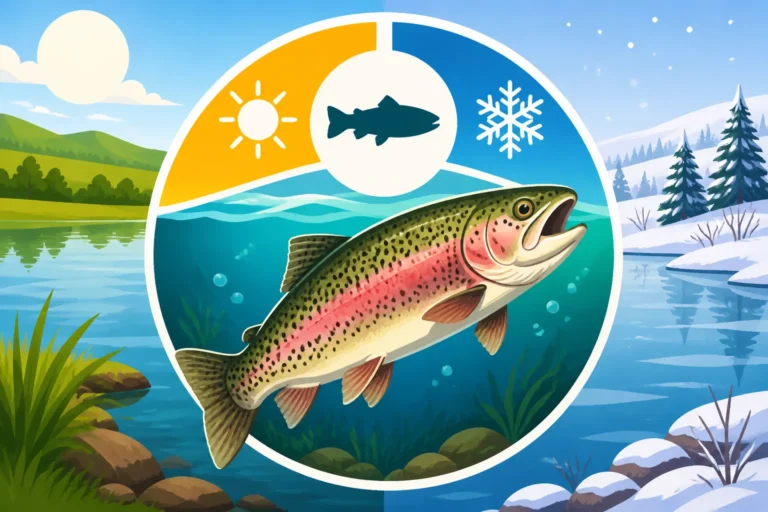
Smallmouth bass are not static creatures; their habitat preferences can shift dramatically with the seasons, largely dictated by water temperature, spawning cycles, and the availability of food. Understanding these movements is crucial for consistently finding success, as what works in spring might be utterly unproductive in summer.
Spring Spawning and Shallow Rocks
As the waters begin to warm in spring, smallmouth bass move from their deeper wintering grounds towards shallower, rocky areas to spawn. This is a crucial period for anglers, as the fish are often more accessible and aggressive. Look for shallow flats, protected coves, or broad points that are littered with gravel and small to medium-sized rocks, usually in depths ranging from 2 to 10 feet. These areas receive ample sunlight, warming the water quickly, and the rocks provide cover for their nests.
During this pre-spawn and spawn period, smallmouth are highly territorial. Males will fan out circular nests, diligently guarding them against intruders. Presenting a bait that mimics a territorial threat or an easy meal can trigger aggressive strikes. Keep an eye on water temperatures; when they hit the 55-65 degree Fahrenheit range, you know the smallmouth are getting serious about spawning. Post-spawn, the fish will often linger in these shallower areas for a while, recuperating and feeding before transitioning to their summer patterns.
This is a prime time for wading in rivers or targeting shallow rocky banks in reservoirs. Lures like suspending jerkbaits, small crankbaits, or soft plastic tubes and jigs that mimic crayfish or minnows are particularly effective. Focus on the sunny sides of structures first, as these areas will warm up faster and attract the fish earlier in the season.
Summer Deep Water and Current Breaks
Once the brutal Nebraska summer heat sets in and water temperatures soar, smallmouth bass will typically retreat to deeper, cooler water. This is when they relate heavily to significant drop-offs, submerged humps, deep rock piles, and areas with strong current breaks in rivers. They're still active, but they're not going to be cruising the shallows in broad daylight.
In rivers, look for them holding in the deeper pools, behind large boulders, or in the seams of fast current where they can ambush prey without expending too much energy fighting the flow. Reservoir smallmouth will often suspend over deep structure or hug the bottom of steep drops, particularly in areas where there's still good oxygenation. Finding these deeper fish often requires more precise boat positioning and careful use of electronics.
Techniques like drop-shotting, deep cranking, or vertical jigging with heavier baits can be highly effective during the summer months. Early mornings, late evenings, and even night fishing can also be productive when the surface temperatures are cooler. Remember that the smallmouth are still looking for those hard structures, just deeper now. They're using the same types of cover, just down in the thermocline or in the coolest available water.
Fall Feeding Frenzies and Transition Zones
As autumn arrives and water temperatures begin to cool, smallmouth bass enter a "feeding frenzy" phase. They know winter is coming and they need to pack on calories. This usually means they become much more aggressive and will move into transition zones, often utilizing both shallow and deep habitats throughout the day.
In early fall, you'll find them moving back towards rocky points, shallower humps, and even shorelines, especially during overcast days or low light conditions. As the season progresses, they might follow baitfish into creek arms or suspend over deep structure, feeding voraciously. This is one of the most exciting times to fish for smallmouth in Nebraska, as they are often very willing to chase down a variety of lures.
Lures like spinnerbaits, larger crankbaits, swimbaits, and topwater lures (especially early in the fall) can be incredibly effective. The smallmouth will often be more spread out but also more competitive for food. Understanding Nebraska Fishing Seasons Explained can help you pinpoint the precise timing for this exciting bite. Focus on areas where schools of baitfish are present, as the smallmouth will definitely be keying in on them.
Reading the Water: Identifying Prime Smallmouth Lies
Successfully targeting smallmouth bass isn't just about knowing which body of water they inhabit, but where within that water they prefer to hold. It's about becoming a detective, observing the subtle clues the water gives you, and understanding how current, structure, and depth interact to create perfect smallmouth lies.
Current, Eddies, and Oxygen
In riverine environments, current is king for smallmouth bass. They are current-loving fish, but they're not going to fight the main flow all day long. Instead, they position themselves in prime ambush spots that offer a break from the current while still allowing easy access to passing food. These are often called "current breaks" or "seams."
Look for areas where fast water meets slow water, like the edges of a main channel, behind large boulders, or on the downstream side of bridge pilings. Eddies, those swirling pockets of water often found behind obstacles, are absolute magnets for smallmouth. They provide a calm resting spot while funnelling baitfish and invertebrates right to the bass. Also, areas with strong current generally mean higher oxygen levels, which smallmouth prefer. In reservoirs, while less pronounced, you'll find similar current patterns near dam faces, spillways, or where inflowing rivers create a noticeable flow.
Understanding these dynamics allows you to present your lure in a way that mimics a struggling baitfish being swept into their strike zone. Often, it's about casting slightly upstream of the current break and letting your lure drift naturally into the eddy or behind the structure. Pay close attention to how the water moves and where it slows down – that’s often where the smallmouth are waiting.
Submerged Structures and Drop-offs
Whether you're fishing a river or a reservoir, submerged structures and drop-offs are crucial smallmouth habitat. These are the underwater features that provide vertical relief, creating ambush points, cover, and distinct changes in depth that smallmouth exploit. A rocky point that tapers slowly into deeper water, or a sharp, sudden drop-off along a riverbank, can be a honey hole.
In reservoirs, think about old creek channels, humps, roadbeds, and vast rock fields that are now completely submerged. Smallmouth will use the edges of these structures, particularly where they meet deeper water. In rivers, this could be an undercut bank that hides a deep pocket, a collection of large boulders forming a natural cave, or even a log jam that has created a deep scour hole. These features aren't always visible from the surface, which is where a good pair of polarized sunglasses and, if you're in a boat, a reliable fish finder come into play. Many anglers find great deals on excellent sonar units on Amazon, which can truly revolutionize their ability to "see" these hidden spots.
When fishing these areas, it's about making precise casts and understanding how your lure will interact with the structure. Is there a specific crevice in the rocks where a smallmouth might be lurking? Is there a subtle depth change that might hold a school of fish? Combining your knowledge of current and structure will greatly increase your chances of finding and catching these prized Nebraska smallmouth.
Gear and Tactics for Nebraska Smallmouth
While smallmouth bass might be particular about their habitat, they're generally not overly picky about what they'll eat when they're in the mood. However, having the right gear and employing appropriate tactics for the specific habitat you're fishing will significantly improve your success rate.
Essential Tackle for River Smallmouth
River smallmouth fishing, especially in places like the Niobrara, often calls for a more nimble approach. A medium-light to medium power spinning rod, typically 6'6" to 7' in length, paired with a reliable spinning reel, is a fantastic all-around choice. This setup offers the sensitivity to detect subtle bites and the backbone to handle hard-fighting fish in current. I personally love a good quality 2500-size reel from a brand known for smooth drag, which can be found readily online.
For line, a 6-10 lb fluorocarbon or braided line with a fluorocarbon leader is excellent. Fluorocarbon offers invisibility and good abrasion resistance against rocks, while braid provides incredible sensitivity and casting distance. You'll want to choose a leader strength that can withstand potential snags but isn't so heavy it spooks the fish. A small tackle box, often a fanny pack or a shoulder sling bag, filled with essential lures like soft plastic tubes, small grubs, small crankbaits, and inline spinners, is ideal for wading or floating. Don't forget a pair of sturdy wading boots with good grip! For a deeper dive into overall gear, check out Best Rods and Reels for Nebraska Fishing.
Having a pair of pliers on hand is also non-negotiable for quickly de-hooking fish and bending back any snagged hooks. Remember, river fishing can be physically demanding, so pack light, stay hydrated, and always prioritize safety, especially when wading in current.
Lures and Presentations that Get Bites
Smallmouth bass are opportunistic predators, and a variety of lures can be effective, depending on the conditions and the specific habitat you're targeting. For river smallmouth, soft plastic tubes are often a go-to. Rigged on a jig head, they mimic crayfish perfectly, especially when dragged or hopped along the bottom around rocky structure. Small grubs, fished on light jig heads, are also deadly when bounced along current seams.
For more aggressive fish, small crankbaits that dive to the appropriate depth for the water you're fishing can be irresistible. Look for ones with natural baitfish patterns or crayfish colors. Inline spinners and small spinnerbaits are also fantastic, especially when you need to cover water quickly or when the smallmouth are actively chasing. Don't forget topwater lures during low-light conditions or when the fish are aggressive in calmer water. A walking bait or a popper can create some explosive strikes that you won't soon forget!
For reservoir smallmouth, especially when they're deeper, drop-shot rigs with small finesse worms, Ned rigs, or even small swimbait presentations can be very effective. Vertical jigging with spoons or blade baits can also tempt fish holding tight to deep structure. The key is to match your lure to the primary forage in the area and to the mood of the fish. Sometimes, a subtle, slow presentation is best, while other times, a fast, erratic retrieve will trigger a reaction strike. Experimentation is key, and having a good variety of Best Lures for Nebraska Bass on hand is always a good idea.
Disclaimer
This article is for general informational purposes only and does not constitute professional advice. Laws, prices and regulations vary by location and change over time. Consult a qualified professional for guidance on your specific situation.