Nebraska Largemouth Bass Record
There's a special kind of thrill that comes with chasing a true trophy fish, isn't there? That moment when you feel a heavy thud on your line, and you know, deep down, that this might be the one. In Nebraska, for many anglers, that "one" is often a monstrous Largemouth Bass, a fish that embodies strength and cunning. This comprehensive guide is here to unravel the mystery behind the Cornhusker State's current Largemouth Bass record, exploring not just the incredible catch itself, but also what it takes to find and land such a magnificent creature, and how you might just etch your own name into the record books.
The Legendary Nebraska Largemouth Bass Record: A Closer Look
Every angler in Nebraska who's ever cast a plastic worm or spinnerbait has likely wondered about the state record largemouth bass. It's the stuff of legends, a testament to what's truly possible in our waters. This isn't just about a number on a scale; it's about the pinnacle of a species, a fish that defied odds to grow to an incredible size.
Unpacking the Current Record
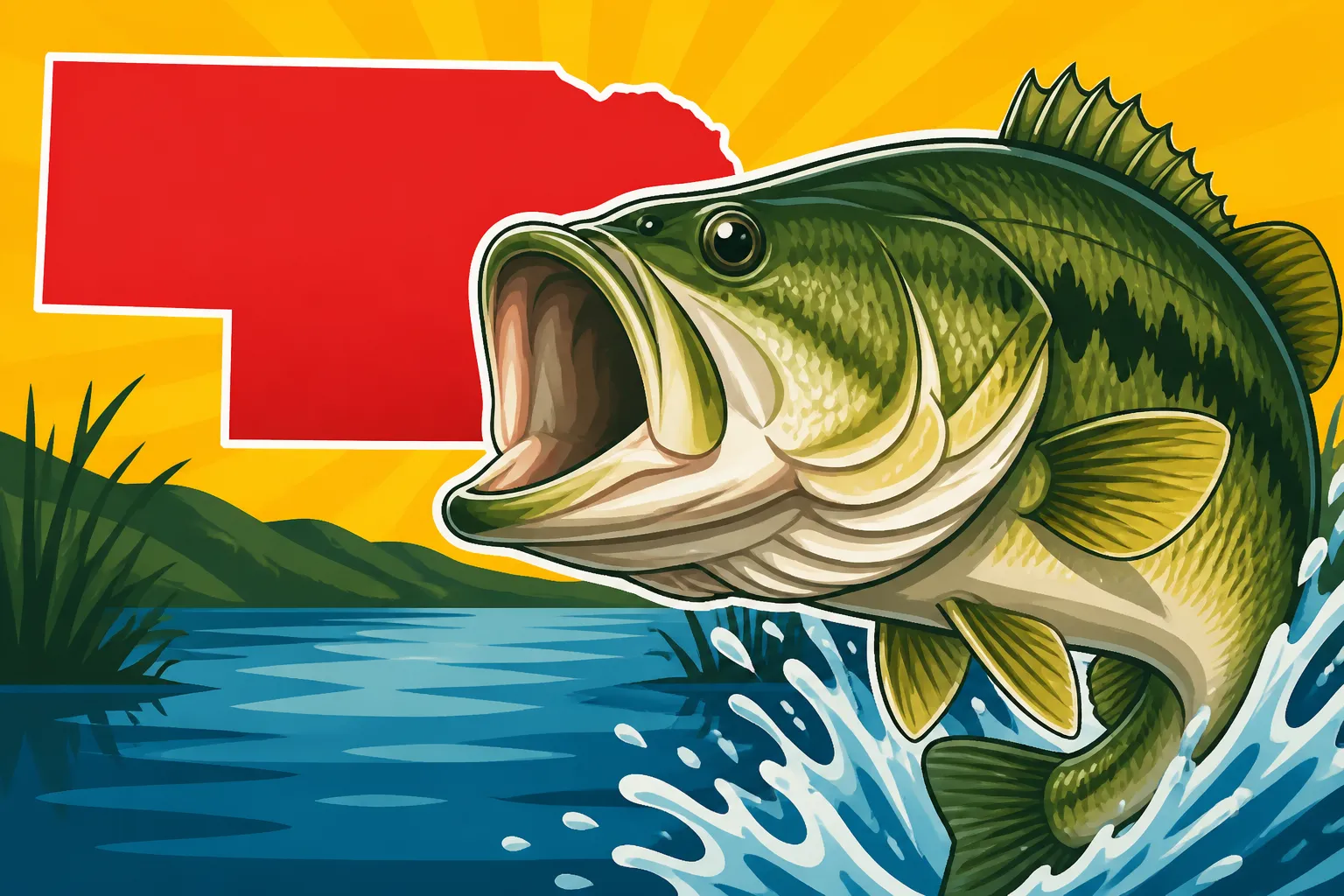
The current Nebraska state record Largemouth Bass stands as a truly impressive specimen, a heavyweight that would make any angler's heart pound. It weighed in at a whopping 10 pounds, 11 ounces, caught back in 1982 by a determined angler named Clifford Roberts. Imagine that fight! This incredible bass was pulled from a private lake in the southern part of the state, a detail that often sparks conversations among local fishermen about the potential of secluded, well-managed waters. The fish was an absolute brute, a thick-bodied leviathan that serves as a benchmark for bass anglers across Nebraska. When you think about the factors that go into a fish reaching such a size – genetics, abundant food, ideal habitat, and minimal pressure – it's a marvel of nature. The story of this particular fish often inspires folks to explore new, unpressured waters, believing that another giant could be lurking just around the bend.
The Significance of a State Record
A state record isn't just a bragging right; it's a biological achievement that tells us a lot about the health and potential of our fisheries. For one, it confirms that Nebraska's waters, even with our often-harsh winters and warm summers, can produce truly world-class bass. It highlights specific conditions that allow bass to thrive, often drawing attention to the importance of habitat conservation and wise fisheries management. The record also fuels the dreams of countless anglers. It provides a tangible goal, a benchmark against which all other big bass are measured. When you feel a truly heavy fish on the end of your line, the thought of the state record inevitably crosses your mind, pushing you to fight harder, to be more careful, and to hope against hope that this is the one that breaks the mold. It validates the pursuit of big fish and reminds us that dedication and a bit of luck can lead to extraordinary outcomes.
Understanding Largemouth Bass in Nebraska's Diverse Waters
To even dream of catching a record-breaking bass, you first need to understand the fish itself – its preferences, habits, and how it interacts with the unique aquatic environments Nebraska offers. Largemouth bass are adaptable, but they certainly have their favorite haunts and dining habits.
Prime Largemouth Bass Habitats
Nebraska might be known as the Cornhusker State, but we have a surprising variety of water bodies that largemouth bass call home. From large reservoirs like Branched Oak Lake and Harlan County Reservoir to smaller farm ponds, sandpit lakes, and even some slower stretches of rivers, bass find places to thrive. What makes a habitat "prime" for a largemouth? They absolutely love structure. Think submerged timber, thick weed beds, rocky points, old creek channels, and anything that offers cover and ambush points. These areas provide shade from the hot Nebraska sun, protection from predators, and a perfect spot to ambush unsuspecting prey. Deeper reservoirs often have distinct thermoclines in summer, and bass will relate to the edges of these temperature gradients. In ponds and smaller lakes, dense stands of cattails, lily pads, and submerged brush are bass magnets. The best spots often combine several of these features, offering diverse opportunities for the bass to feed, rest, and spawn. Understanding these preferences is the first step in knowing How to Fish From Shore in Nebraska or finding those hidden gems from a boat.
Forage and Growth: What Makes a Bass a Giant?
A bass can only grow as large as its food supply allows, and in Nebraska, that means a varied diet. Largemouth bass are opportunistic predators, and their diet changes as they grow. Younger bass will feast on insects, small minnows, and crayfish. As they mature, their palate expands dramatically to include larger baitfish like shad, bluegill, crappie, and even small panfish. The presence of a healthy population of these forage species is absolutely critical for growing monster bass. Lakes with abundant gizzard shad, for example, often produce larger, fatter bass because shad provide a high-protein, calorie-rich meal. What largemouth bass eat in Nebraska lakes includes everything from frogs and snakes to small rodents that might fall into the water. This diverse menu, combined with a longer growing season in nutrient-rich waters, allows bass to pack on the pounds. A consistent food source means less energy expended hunting and more energy dedicated to growth, turning a healthy bass into a true trophy.
Seasonal Movements and Behavior
Largemouth bass in Nebraska are creatures of habit, but those habits shift dramatically with the seasons. Understanding these seasonal movements is paramount to consistent success.
- Spring: As ice recedes and water temperatures climb into the 50s and 60s Fahrenheit, bass move into shallower, warmer waters to spawn. This is a highly anticipated time for anglers, as bass are often very aggressive and focused on preparing their beds. They'll be found around shallow cover, flats, and protected coves. Spring Fishing in Nebraska is prime time for catching actively feeding and bedding bass.
- Summer: Once the spawn is over and water temperatures rise, bass often retreat to deeper, cooler water during the day, relating to main lake points, ledges, and deep submerged structure. They'll frequently move shallower at dawn, dusk, and overnight to feed. This is when understanding vertical presentations and deep-water tactics becomes crucial.
- Fall: As water temperatures begin to cool, bass experience a "second spring." They become incredibly active, feeding aggressively to build up fat reserves for the upcoming winter. They'll often be found transitioning between deep and shallow water, chasing baitfish that are also moving. Fall Fishing in Nebraska can be incredibly rewarding, with active fish in various depths.
- Winter: During the coldest months, especially when ice covers the lakes, bass become lethargic. They'll typically hold in the deepest parts of the lake, often near vertical structure or steep breaks, conserving energy. While not as active, they can still be caught by patient anglers using slower, more subtle presentations, particularly if you're How to Ice Fish in Nebraska.
Each season demands a different approach, a different set of lures, and a different understanding of where these impressive fish will be hiding.
| Bass Size Category | Typical Weight Range | Key Characteristics | Forage Needs | Best Habitats |
|---|---|---|---|---|
| Young Bass | 0.5 – 1.5 lbs | Slender body, highly active, aggressive schooling behavior | Insects, small minnows, tiny crawfish, worms | Shallow cover, dense weeds, docks, fallen trees |
| Average Keeper | 1.5 – 4 lbs | Good fighting fish, solid build, common in many waters | Larger minnows, bluegill, smaller crappie, bigger crawfish, frogs | Weed lines, submerged brush, rocky points, shallow to mid-depths |
| Trophy Bass | 5 lbs + | Deep body, broad shoulders, often solitary, highly wary | Large baitfish (shad, big bluegill, panfish), larger crawfish, frogs, rodents, snakes, larger artificials | Deep structure, isolated cover, abundant high-calorie forage |
| State Record Contender | 10 lbs + | Exceptionally rare, massive girth, perfect blend of genetics, abundant food, and age | Consistent access to large, fatty forage, minimal metabolic stress | Managed private waters, unpressured public lakes with specific deep structure and ample cover |
The Art of Targeting Nebraska's Trophy Bass
Chasing the biggest bass in Nebraska isn't about simply going fishing; it's a dedicated hunt that requires specific strategies, the right gear, and a whole lot of patience. It’s a different game than catching a limit of smaller fish.
Advanced Techniques for Big Bass
Forget the casual cast and retrieve; trophy bass demand more refined tactics. One of the most effective approaches, particularly in reservoirs with clear water, is deep-water structure fishing. This involves using electronics to locate submerged humps, points, ledges, and timber in depths of 15 to 30 feet or more. Giant bass often relate to these deeper structures, especially during the warmer months, as they offer stable temperatures and ambush points for baitfish. Big jigs, deep-diving crankbaits, and Carolina-rigged soft plastics are go-to choices here. Slowly working these baits along contours, feeling for subtle bites, is key.
Another powerful technique is sight fishing in shallow water, primarily during the spring spawn. This requires stealth and keen eyesight to spot bass on their beds. A precise cast with a creature bait or jig can often entice a territorial bass to strike. However, ethical considerations are paramount here; quick photos and careful release help ensure these valuable spawners return to their duties.
Finally, night fishing can unlock access to some of the largest bass in heavily pressured waters. Big bass, being more wary, often feed more confidently under the cover of darkness. Large, dark-colored spinnerbaits, Jitterbugs, or big plastic worms slowly worked along weed edges or near docks can be deadly. Nebraska Night Fishing Rules are important to review if you plan on extended evening trips.
Essential Gear for the Record Hunt
When you're targeting a double-digit bass, your everyday panfish rod simply won't cut it. You need specialized gear that can handle the sheer power of a monster fish and the heavy cover it will invariably try to dive into.
- Rods and Reels: A heavy-action baitcasting rod (7' to 7'6") paired with a robust baitcasting reel is essential. This setup provides the backbone to horse a big fish out of thick vegetation or submerged timber and the casting accuracy for pitching heavy lures. For open water presentations or lighter baits, a medium-heavy spinning setup can also be effective. You can find a fantastic selection of these on Amazon, often with helpful customer reviews to guide your choice.
- Line: Don't skimp on line strength. Fluorocarbon or braided line in the 15-20 lb test range is a good starting point. Braided line offers superior strength and sensitivity, especially in heavy cover, often with a fluorocarbon leader for stealth. Best Fishing Line for Nebraska Walleye can also apply to bass, showing that strong, sensitive line is universal.
- Lures: Big bass often prefer big meals. Focus on larger lures that imitate their primary forage. This includes 10-inch plastic worms, creature baits, large swimbaits, deep-diving crankbaits, and heavy jigs with bulky trailers. Topwater lures like hollow-body frogs fished over lily pads can also provoke explosive strikes from aggressive fish. Don't be afraid to experiment with different brands and colors – a quick search on Amazon will reveal a dizzying array of options, from classic favorites to innovative new designs.
- Electronics: A quality fish finder with side imaging and down imaging capabilities is invaluable for locating submerged structure and baitfish schools, especially when fishing larger reservoirs. Understanding How to Read a Fish Finder for Walleye can easily translate to finding bass in similar structures.
Remember, the right gear doesn't guarantee a record, but it significantly improves your chances of landing it when that rare opportunity arises.
Best Time and Conditions for Trophy Bass
Timing truly is everything when it comes to trophy bass. While you can catch big bass year-round, certain windows offer significantly better odds.
- Spring Pre-Spawn and Spawn: This is arguably the absolute best time. As water temperatures rise into the 50s and low 60s Fahrenheit, bass are actively feeding to prepare for spawning. They are also shallower and more concentrated, making them easier to locate. The visual aspect of spawning bass makes them a prime target.
- Fall Turnover: When lakes "turn over" in the fall, oxygen and nutrient levels stabilize throughout the water column, and baitfish are often forced into tighter schools. This triggers aggressive feeding by bass preparing for winter. What Fall Turnover Means for Fishing is crucial to understand for fall success.
- Early Morning and Late Evening: Regardless of the season, low light conditions often provide the best feeding windows for big bass. They are less wary and more willing to move into shallower water to hunt during these times.
- Weather Patterns: Stable weather conditions, especially a few days of consistent high pressure after a cold front, can be excellent. While bass can be caught during fronts, they often become more lethargic. Overcast skies can extend the low-light feeding window throughout the day. Pay attention to How Barometric Pressure Affects Fishing in Nebraska as falling pressure can often mean an uptick in bass activity.
Combining these elements – knowing the right techniques, having reliable gear, and timing your trips perfectly – will put you on the fast track to encountering Nebraska's biggest bass.
Nurturing the Next Generation of Giants: Habitat and Management
While the angler's skill and luck play a huge role, the existence of trophy bass is fundamentally tied to healthy habitats and sound fisheries management. These are the unsung heroes in the quest for a new state record.
The Role of Aquatic Habitat in Growing Big Bass
A healthy aquatic ecosystem is the bedrock for producing big bass. Think about it: a bass needs more than just water; it needs a home. This includes diverse structure – whether it's natural fallen timber, dense aquatic vegetation, or man-made fish attractors. These elements provide critical cover for juvenile bass to escape predators, ambush points for adult bass to hunt, and vital spawning grounds. Lakes with clear, clean water allow for healthy weed growth, which in turn supports a robust insect population, tiny fish, and ultimately, a thriving bass population. Shoreline protection, minimizing erosion, and preventing pollution are all crucial steps in maintaining these vital habitats. When a lake suffers from poor water quality or a lack of habitat, the entire food chain is disrupted, making it much harder for bass to reach their full potential. Efforts to improve Nebraska Aquatic Habitat Stamp Explained through dedicated funding contribute directly to creating environments where monster bass can thrive.
Fisheries Management Strategies for Trophy Bass
Behind every healthy fishery is a dedicated team of fisheries biologists working tirelessly to manage the fish populations. For trophy bass, management often involves a delicate balance of stocking, habitat improvement, and harvest regulations.
- Stocking Programs: While Nebraska's bass populations are largely self-sustaining, stocking can be used to introduce new genetics or boost populations in certain waters, especially after environmental disturbances.
- Forage Base Management: Biologists often monitor and manage the forage base – the prey species that bass eat. Ensuring a healthy population of shad, bluegill, or crappie means bass have plenty to eat, allowing them to grow faster and larger.
- Harvest Regulations: This is perhaps the most visible aspect of trophy bass management. Nebraska Bass Length Limits and daily bag limits are designed to protect larger, older bass, allowing them to continue growing and to serve as prime spawners, passing on their genes for fast growth. Some lakes may have slot limits, where bass within a certain size range must be released, encouraging anglers to keep smaller fish (reducing competition) and release the largest ones (allowing them to reach trophy potential). These regulations are crucial for protecting the very fish that could become the next state record.
- Research and Monitoring: Ongoing research helps biologists understand bass populations, growth rates, and environmental factors, leading to better management decisions. This scientific approach ensures that our fishing opportunities remain strong for years to come.
Through a combination of natural conditions and thoughtful management, Nebraska's waters continue to offer the potential for truly spectacular largemouth bass, ensuring that the dream of catching a state record remains alive.
The Quest for a New Record: Reporting and Validation
So, you’ve done it. You’ve caught a bass that makes your heart stop and your hands shake. It's bigger than anything you've ever seen, maybe even bigger than any bass you know has come out of Nebraska. What now? The journey from a potential record-breaker to an official state record is a precise and stringent process.
What to Do When You Catch a Potential Record
That heart-pounding moment when you realize you might have a record on your hands requires quick thinking and careful action. The excitement can be overwhelming, but following these steps is critical for official validation:
- Don't Rush the Release (Yet!): If you intend to claim a state record, the fish must be kept alive, if possible, until it can be weighed on a certified scale. This means having a large livewell or an aerated container ready. If immediate release is not feasible, the fish can be kept on ice, but live weight is often preferred for official measurements.
- Document Everything: Take clear photos of the fish from multiple angles. Include a tape measure in the photo to show its length, and consider a photo with a common object for scale (like a tackle box or a standard-sized cooler). Note the exact time, date, and location of the catch.
- Find a Certified Scale: This is non-negotiable. The fish must be weighed on a scale certified for trade, such as those found at many grocery stores, bait shops, or post offices. Two witnesses (who are not family members) should be present during the weighing process.
- Contact the Nebraska Game and Parks Commission (NGPC): As soon as possible, reach out to the NGPC Fisheries Division. They will provide the official paperwork and guide you through the next steps, including verifying the species.
- Be Prepared for Questions: Biologists may ask about your gear, the bait used, and specific details about the catch to ensure everything aligns with the rules.
Remember, the goal is to document the catch accurately and promptly to leave no doubt about its authenticity.
The Official Record Submission Process
Submitting a fish for a state record isn't as simple as just calling it in. There's a formal process to ensure integrity and accuracy:
- Official Application: You'll need to complete a detailed application provided by the NGPC. This form will ask for all the particulars of your catch: angler's name, date, time, location, species, weight, length, girth, bait/lure used, and details of the certified scale and witnesses.
- Witness Verification: The signatures of two non-family witnesses are typically required on the application, confirming the weight and species identification.
- Species Identification: A fisheries biologist from the NGPC will likely need to inspect the fish (or very clear photos if the fish was released) to confirm its species. This step is crucial, especially for species that might be confused with others, though Largemouth Bass are generally quite distinct.
- Review and Approval: Once all documentation is submitted, the NGPC will review the application. If everything is in order and verified, your catch will officially be recognized as a new state record. This process can take some time, so patience is key after submission.
The integrity of the state record system relies on these meticulous steps. While it might seem like a lot of hoops to jump through after the exhilaration of such a catch, it ensures that every record in Nebraska's history is truly legitimate. It's a testament to the angler's skill and commitment, and it celebrates the incredible natural resources we have here in the state. Nebraska Fishing Violation Penalties exist for those who might try to skirt the rules, reinforcing the importance of an honest and transparent process for claiming a record.
Beyond the Record: Enjoying Largemouth Bass Fishing in Nebraska
Even if you don't land a state record, the pursuit of big largemouth bass in Nebraska is an incredibly rewarding experience. It teaches patience, skill, and a deep appreciation for the aquatic environment.
Top Nebraska Waters for Big Bass
While the current record came from a private lake, several public and semi-public waters in Nebraska consistently produce large largemouth bass, offering fantastic opportunities for anglers.
- Branched Oak Lake: Located near Lincoln, Branched Oak is a well-known trophy bass factory. Its extensive coves, standing timber, and abundant forage make it a prime location. It's common to hear about 5-8 pound bass coming out of here regularly. The lake's diverse structure offers both shallow and deep-water opportunities.
- Pawnee Lake: Another excellent Lincoln-area lake, Pawnee also offers great largemouth bass fishing. Its deeper channels and submerged brush provide ideal habitat, and it's managed for quality bass.
- Wild Plum Lake (Plattsmouth State Recreation Area): This smaller lake is part of the Nebraska Urban Fishing Program and is specifically managed for bass and other panfish. While records are less likely here, it's a great spot for consistent action and the chance at a respectable bass.
- Various Sandpit Lakes: Scattered across the state, especially along the Platte River corridor, sandpit lakes often hold surprisingly large bass. Many are deep, clear, and feature extensive underwater structure. Access can vary, with some being private and others offering public access points. Exploring these can often lead to finding unpressured fish.
- Farm Ponds: While often private, well-managed farm ponds are absolute goldmines for trophy bass. Owners who practice catch-and-release and manage the forage base can cultivate true giants. Always ensure you have permission before fishing private property. Nebraska Farm Pond Fishing Permission and Access is essential.
These lakes are just a few examples; many other reservoirs and smaller impoundments across the state offer fantastic bass fishing. Doing a little research, checking local fishing reports, and talking to bait shop owners can often reveal hidden gems.
The Thrill of the Chase, Regardless of Size
Let's be real: most of us will never catch a state record. And that's perfectly okay! The true joy of largemouth bass fishing in Nebraska lies in the process itself. It's the challenge of fooling a wary predator, the explosive strike that jolts your arm, the bending rod, and the fight to bring a strong fish to the net. It's the satisfaction of deciphering patterns, learning a new technique, or discovering a new honey hole.
The pursuit teaches us about patience, resilience, and the intricate balance of nature. Whether you're targeting smallmouth on the Niobrara River or giant largemouth in a sandpit, every cast is an opportunity, every fish is a victory, and every day on the water is a reprieve from the daily grind. The knowledge you gain from chasing that elusive state record will make you a better angler all around, capable of catching fish in various conditions and understanding the subtle nuances of the aquatic world. So, tie on that big plastic worm, cast your line, and enjoy the adventure. Who knows? That next cast might just be the one. And for more comprehensive information, be sure to check out our Largemouth Bass Fishing in Nebraska guide.
Disclaimer
This article is for general informational purposes only and does not constitute professional advice. Laws, prices and regulations vary by location and change over time. Consult a qualified professional for guidance on your specific situation.