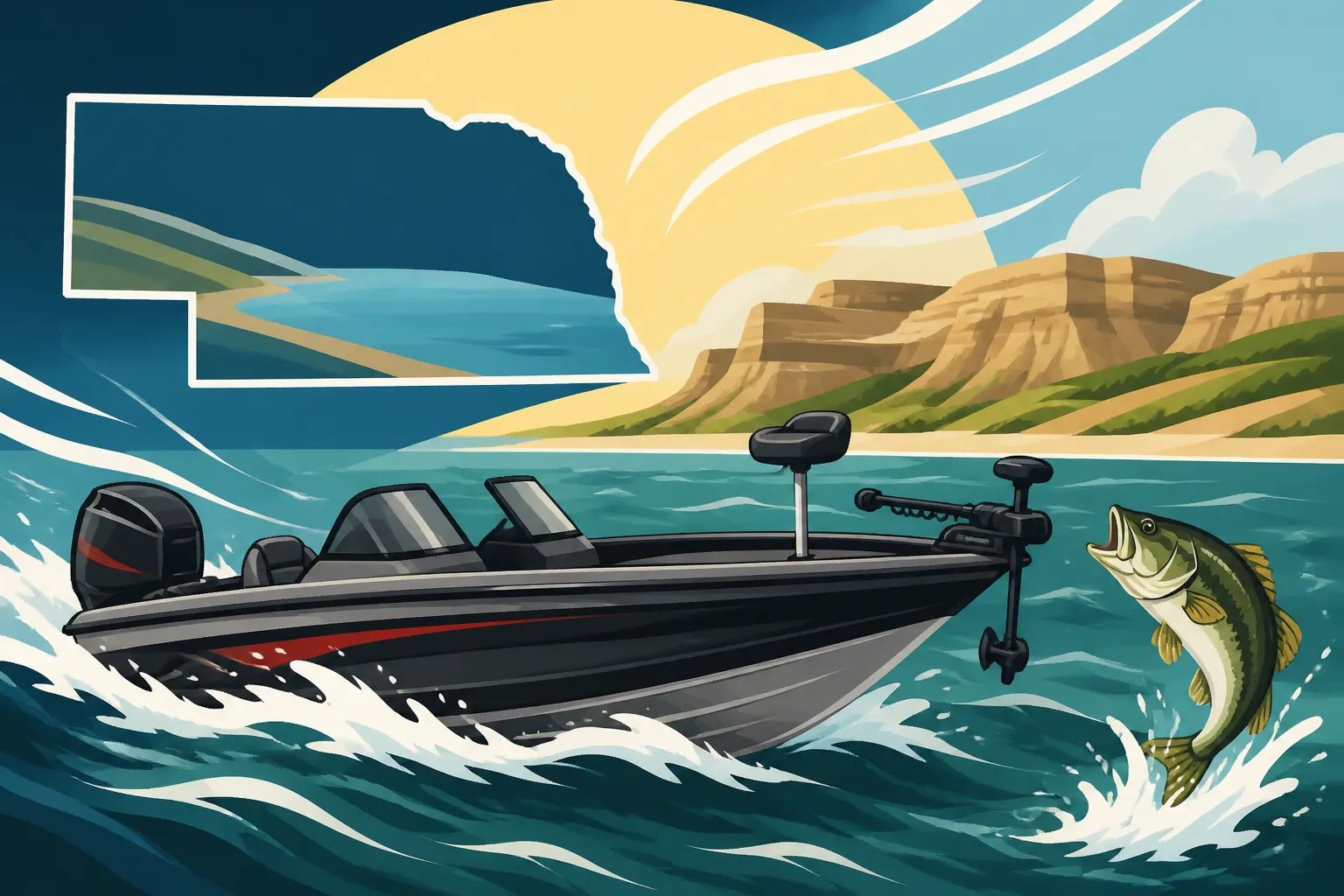
Best Boat for Fishing Lake McConaughy in Wind
Anyone who's spent more than a few hours on Lake McConaughy knows its beauty comes with a side of unpredictability – often, that means a whole lot of wind. Battling choppy waves and whitecaps when you're just trying to enjoy a peaceful day of fishing can be incredibly frustrating, not to mention unsafe. This guide is here to help you navigate those breezy days by detailing the best boat features and types specifically designed to handle the challenging wind conditions of Lake McConaughy, ensuring you can fish more comfortably and effectively.
Understanding Lake McConaughy's Wind Challenge
Lake McConaughy, affectionately known as "Big Mac," is a true gem in Nebraska, offering incredible fishing opportunities. But its sheer size and open nature also make it particularly susceptible to strong winds, which can turn a calm morning into a white-knuckle ride surprisingly fast. If you're serious about fishing McConaughy consistently, understanding why it gets so windy and how that wind impacts your day is crucial to picking the right vessel.
Why McConaughy Gets So Windy
The primary reason Lake McConaughy is so windy stems from its vast, unobstructed expanse. It’s one of the largest reservoirs in Nebraska, stretching for miles with very little natural protection from hills, trees, or tall structures. When weather fronts move across the plains, they often sweep directly over the lake, picking up speed as they encounter no resistance. This means winds can come from virtually any direction, and they can shift quickly, sometimes without much warning. Compounding this, the water itself is relatively shallow in many areas, which can lead to waves building up steeply and quickly, making for a very jarring ride in an unprepared boat. It's not uncommon to see calm waters turn into two to three-foot rollers within an hour, pushing anglers off their favorite spots or even back to the ramp.
How Wind Impacts Your Fishing Experience
Beyond just making for an uncomfortable ride, wind on Lake McConaughy severely impacts your ability to fish effectively. First, controlling your boat becomes a constant battle. Whether you're trying to hold a specific depth contour for walleye or slowly drift a bait, the wind will relentlessly push you off course, requiring constant corrections. This isn't just annoying; it can make presenting your lure correctly nearly impossible. Secondly, visibility can plummet. Spray coming over the bow can obscure your view, and the constant bouncing makes it hard to focus on your electronics or even see subtle bites. Thirdly, safety is a real concern. Being caught in rough water in a boat not designed for it can be dangerous, making it difficult to move around, retrieve lines, or even stay seated comfortably. You want a boat that lets you focus on the fish, not on simply staying upright. Understanding Nebraska Boat Registration and Fishing Rules is also vital before you even hit the water.
Key Boat Features for Windy Conditions
When you're facing down those infamous McConaughy winds, the right boat isn't just a luxury – it's a necessity. Specific design elements can make all the difference between a miserable day and a successful, comfortable one. Let's dive into what to look for when evaluating a boat's ability to handle choppy waters.
Hull Design and Stability
The heart of any boat's rough-water performance lies in its hull design. For Lake McConaughy, you'll want to prioritize a deeper "V" hull. This isn't just about looking rugged; a deep-V hull cuts through waves rather than pounding on top of them, leading to a much smoother and drier ride. Think of it like a knife slicing butter versus a hammer trying to smash it – one is far more efficient and comfortable. A sharper deadrise angle at the transom (the angle of the hull where it meets the water at the stern) helps with this, allowing the boat to land softly after cresting a wave. While a flatter hull might offer more stability at rest, it will deliver a jarring, wet ride in even moderate chop. A good deep-V will have enough weight and a well-distributed center of gravity to keep it from feeling like a toy in the waves. The length of the boat also plays a role here; generally, longer boats handle chop better as they can span more wave crests, reducing the up-and-down motion.
Transom Height and Splash Guards
Another critical, often overlooked, feature for windy conditions is transom height. A higher transom acts as a crucial barrier against waves coming over the back of the boat, especially when slowing down, stopping, or backing up in choppy water. Many anglers have had the unpleasant experience of a wave swamping the back of their boat when the transom was too low, filling the splashwell or even the main deck with water. Complementing a high transom, integrated splash guards or engine splash wells are invaluable. These features are designed to contain any water that does come over the transom, preventing it from flooding the boat's interior. They effectively funnel water back out, keeping the deck dry and safe. When you're constantly adjusting your position or slowing down to net a fish in windy conditions, this protection makes a huge difference in comfort and safety.
Motor Size and Control
Having enough power to confidently navigate rough water and get back to the ramp when conditions turn sour is paramount. An appropriately sized outboard motor for your boat will ensure you can maintain control, especially when fighting against strong winds and currents. Being underpowered means your boat might struggle to plane out, leading to a slower, wetter, and less stable ride. Beyond raw horsepower, consider propeller selection. A prop designed for grip and thrust in rough conditions, rather than just top speed, can improve handling and control. But power alone isn't enough; control is equally vital. Hydraulic steering, for example, makes turning the motor much easier and prevents feedback from the water, reducing fatigue on long, choppy runs. Furthermore, a sturdy, well-mounted kicker motor can be a lifesaver. If your main engine has issues, or if you simply want to precisely troll in specific wind patterns, a dedicated kicker provides essential backup and nuanced control. You can find robust motor options from retailers like Bass Pro Shops or even online at Amazon, but always consult with a marine specialist to ensure compatibility with your boat's transom and weight capacity.
Types of Boats Best Suited for Lake McConaughy's Wind
Given Lake McConaughy's propensity for strong winds, not all fishing boats are created equal when it comes to tackling its chop. Certain designs and constructions stand out for their ability to provide a safer, more comfortable, and more effective fishing platform. Let's explore the boat types that truly shine on Big Mac.
Deep-V Walleye Boats
Without a doubt, deep-V walleye boats are often considered the gold standard for large, windy reservoirs like Lake McConaughy. These boats are purpose-built for big water. Their distinctive deep-V hull design isn't just for show; it's engineered to slice through aggressive waves, minimizing pounding and throwing spray outwards, keeping you and your gear much drier. The bow often flares out, further deflecting water. Most deep-V walleye boats also feature high sides (freeboard), which significantly adds to safety by preventing waves from washing over the gunwales into the boat. This higher freeboard also provides a more secure feeling when standing or moving around in choppy conditions.
These boats are usually equipped with powerful main engines and often come pre-rigged for advanced electronics and trolling motors, crucial tools for navigating and holding position in the wind. The interiors are typically laid out with angling in mind, offering ample rod storage, livewells, and spacious casting decks that remain accessible even when the boat is pitching. Brands like Lund, Ranger, and Skeeter are renowned for their deep-V walleye boat offerings, and while they can be a significant investment, they pay dividends in comfort, safety, and fishing effectiveness on challenging waters. If you're frequently targeting walleye in Lake McConaughy, this style of boat should be at the top of your list. For a deeper dive into specific walleye techniques, check out How to Fish for Walleye in Nebraska.
Multi-Species Boats
If your angling adventures on Lake McConaughy extend beyond just walleye to include bass, crappie, or even the occasional northern pike, a multi-species boat might be the perfect compromise. These boats are designed to be versatile, offering a blend of deep-V hull characteristics for rough water while also providing features conducive to various fishing styles. They typically have a slightly shallower deadrise than a dedicated walleye boat, which can increase stability at rest for casting, but still maintain enough V in the hull to handle moderate chop reasonably well.
Multi-species boats often feature both bow and stern casting decks, removable seats, and convertible seating arrangements that can quickly adapt to different fishing scenarios. They balance open deck space for casting with ample storage for diverse tackle. While they might not cut through the most extreme McConaughy whitecaps as smoothly as a pure deep-V walleye rig, they offer excellent overall performance for the angler who wants to pursue a wider array of fish. Many models still come with high enough freeboard and transom heights to offer good protection from spray. This flexibility makes them a popular choice for anglers who fish various Nebraska waters, not just Big Mac.
Aluminum vs. Fiberglass Considerations
The choice between an aluminum or fiberglass boat is another significant decision, and both have their merits for Lake McConaughy.
Aluminum Boats:
- Pros: Generally lighter, more fuel-efficient, and often more affordable. They are highly durable and resistant to minor dents and dings from dock mishaps or shallow water encounters. Many modern aluminum boats feature incredibly robust welded hulls that are designed to flex with waves, providing a surprisingly smooth ride in a deep-V configuration. They also tend to draft shallower, which can be an advantage in certain parts of McConaughy.
- Cons: Can be louder in chop due to the hull's material, transmitting more noise and vibration. While durable, severe impacts can be harder to repair seamlessly than fiberglass. Lighter weight can sometimes mean they are more susceptible to being pushed around by strong winds, even with a powerful trolling motor.
Fiberglass Boats:
- Pros: Renowned for their smooth, quiet ride in rough water. The heavier, denser material tends to cut through waves with less jarring impact and vibration, offering a more luxurious feel. Fiberglass allows for more complex hull designs and integrated features, often leading to a more aesthetically pleasing finish and more comfortable interiors. They are typically heavier, which can help them feel more planted in big waves.
- Cons: Generally more expensive to purchase and maintain. They are heavier, leading to higher fuel consumption and requiring a more substantial tow vehicle. While strong, significant impacts can result in gel coat damage or structural cracking that requires specialized repair.
For purely rough water performance on Lake McConaughy, many seasoned anglers lean towards fiberglass deep-V boats for their superior ride comfort and quietness. However, advancements in aluminum boat manufacturing have closed the gap considerably, and a well-designed aluminum deep-V can be an excellent, more budget-friendly option. Consider your budget, towing capacity, and how frequently you'll be on the water when making this choice.
| Boat Type | Hull Material | Best for Wind? (1-5, 5=Best) | Key Advantages | Key Disadvantages | Typical Price Range |
|---|---|---|---|---|---|
| Deep-V Walleye Boat | Fiberglass | 5 | Smoothest ride, highest freeboard, very stable | Most expensive, heaviest | Higher range |
| Deep-V Walleye Boat | Aluminum | 4 | Durable, often more affordable, good rough-water | Can be louder, lighter | Mid to Higher range |
| Multi-Species Boat | Fiberglass | 4 | Versatile, good blend of features, comfortable ride | Heavier, mid-range cost | Mid to Higher range |
| Multi-Species Boat | Aluminum | 3 | Versatile, durable, budget-friendly | Can be bouncy in severe chop | Mid range |
| Bass Boat | Fiberglass | 2 | Fast, large casting decks (for calm water) | Poor rough-water handling, low freeboard | Mid to Lower range |
| Pontoon Boat | Aluminum | 1 | Extremely stable at rest, spacious (for calm water) | Very poor in chop, slow | Lower to Mid range |
Important Considerations Beyond the Boat Itself
While the boat itself is paramount, successfully fishing Lake McConaughy in the wind involves more than just the hull and motor. Modern technology and smart choices in accessories can dramatically enhance your experience and safety when the conditions get rough.
Trolling Motors with Spot-Lock
If there's one piece of technology that has revolutionized fishing in windy conditions, it's the GPS-enabled trolling motor with a spot-lock feature. Forget constantly fighting the wind with your foot pedal or throwing out anchors that drag; spot-lock acts like a virtual anchor, using GPS coordinates to automatically adjust the trolling motor to hold your boat precisely in place, regardless of wind or current. This is an absolute game-changer on Lake McConaughy. You can meticulously work a submerged point, a breakline, or a drop-off, knowing your boat will stay exactly where you want it. This frees you up to focus on casting, feeling bites, and fighting fish, rather than constantly steering. Brands like Minn Kota's Terrova or Ultrex with i-Pilot Link, and MotorGuide's Xi5 with Pinpoint GPS, are highly popular choices among serious anglers. Investing in one of these powerful, reliable units, perhaps sourced from a reputable marine dealer or even online at a place like Amazon, will make your windy-day fishing vastly more enjoyable and productive. Make sure your boat's bow is strong enough to handle the thrust and that you have adequate battery life for a full day of use. You can also explore How to Troll for Walleye in Nebraska effectively using these systems.
Boat Size vs. Launching and Storage
Choosing the "best" boat also means considering the practicalities of owning it. A larger, deeper-V boat will handle the chop better, but it comes with a trade-off in terms of launching and storage. Lake McConaughy has several boat ramps, but some can be shallower or more exposed to wind, making launching a big boat tricky on a blustery day. A heavier, longer boat will require a more capable tow vehicle and can be more challenging to maneuver on the ramp and in parking lots. Consider where you'll store the boat. A larger rig will demand more space in your driveway or a larger storage unit, which can add to your overall costs. Think realistically about your comfort level with trailering and launching. Sometimes, a slightly smaller, more manageable deep-V multi-species boat, while perhaps not offering the absolute smoothest ride in the nastiest chop, might be a better choice if it means you'll actually get out on the water more often because it's less of a hassle to launch and retrieve. It's a balance between ultimate performance and practical ownership.
Essential Safety Gear for Rough Water
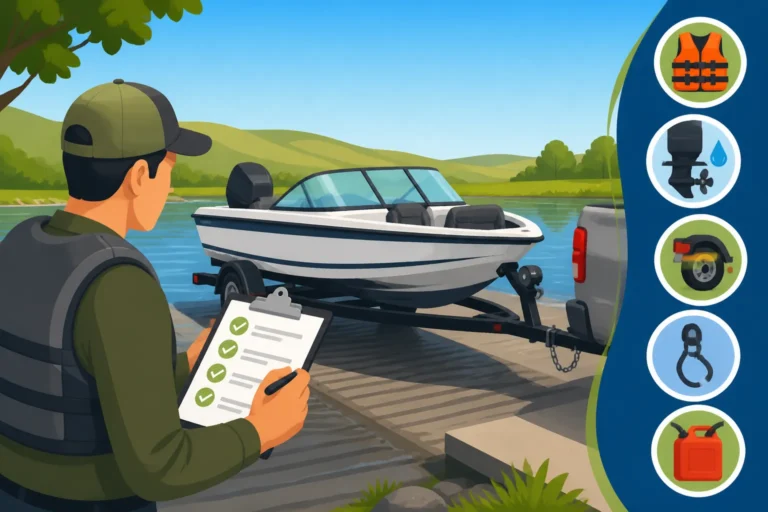
Safety should always be your top priority, especially when heading out onto a large, windy lake like McConaughy. Beyond the legally required safety gear (which you should always review for Nebraska Boat Safety Equipment Requirements), consider adding extra measures for rough water. Every person on board should have a properly fitting life jacket, and it's a good idea for passengers to wear them whenever conditions are less than ideal. A VHF marine radio is excellent for communication, especially where cell service might be spotty on the open water. A distress signal kit, including flares or an air horn, is crucial. Keep a dry bag with essentials like a first-aid kit, extra layers of clothing (even in summer, spray can make you cold), and emergency food and water. Having a spare anchor and plenty of rope can also save you in a pinch. Finally, always check the weather forecast before you head out, and if the conditions look questionable, err on the side of caution. No fish is worth risking your safety. Being prepared for the unexpected is part of being a responsible angler on Big Mac.
Disclaimer
This article is for general informational purposes only and does not constitute professional advice. Laws, prices and regulations vary by location and change over time. Consult a qualified professional for guidance on your specific situation.