Best Sunglasses for Sight Fishing
There's nothing quite as frustrating as being out on one of Nebraska's beautiful lakes or rivers, knowing the fish are there, but being absolutely blinded by the sun's glare reflecting off the water. It’s a common scenario that turns what should be a peaceful, productive day into a squinting battle against the elements. This comprehensive guide will walk you through everything you need to know about choosing the best sunglasses specifically designed to cut through that surface shimmer, protect your eyes, and dramatically improve your ability to spot fish and underwater structure, transforming your fishing experience for the better.
The Undeniable Advantage of Quality Sunglasses for Anglers
Many anglers see sunglasses as a simple accessory, a fashion statement, or just a way to keep the sun out of their eyes. But for anyone serious about fishing, especially sight fishing, they are as crucial a piece of equipment as your rod, reel, or tackle box. The difference between cheap department store shades and high-quality fishing sunglasses is like night and day when you’re trying to peer into the watery depths. Without the right eyewear, you're quite literally fishing blind, missing out on crucial visual cues that could lead to your next big catch.
Beyond Basic Sun Protection: Unmasking the Underwater World
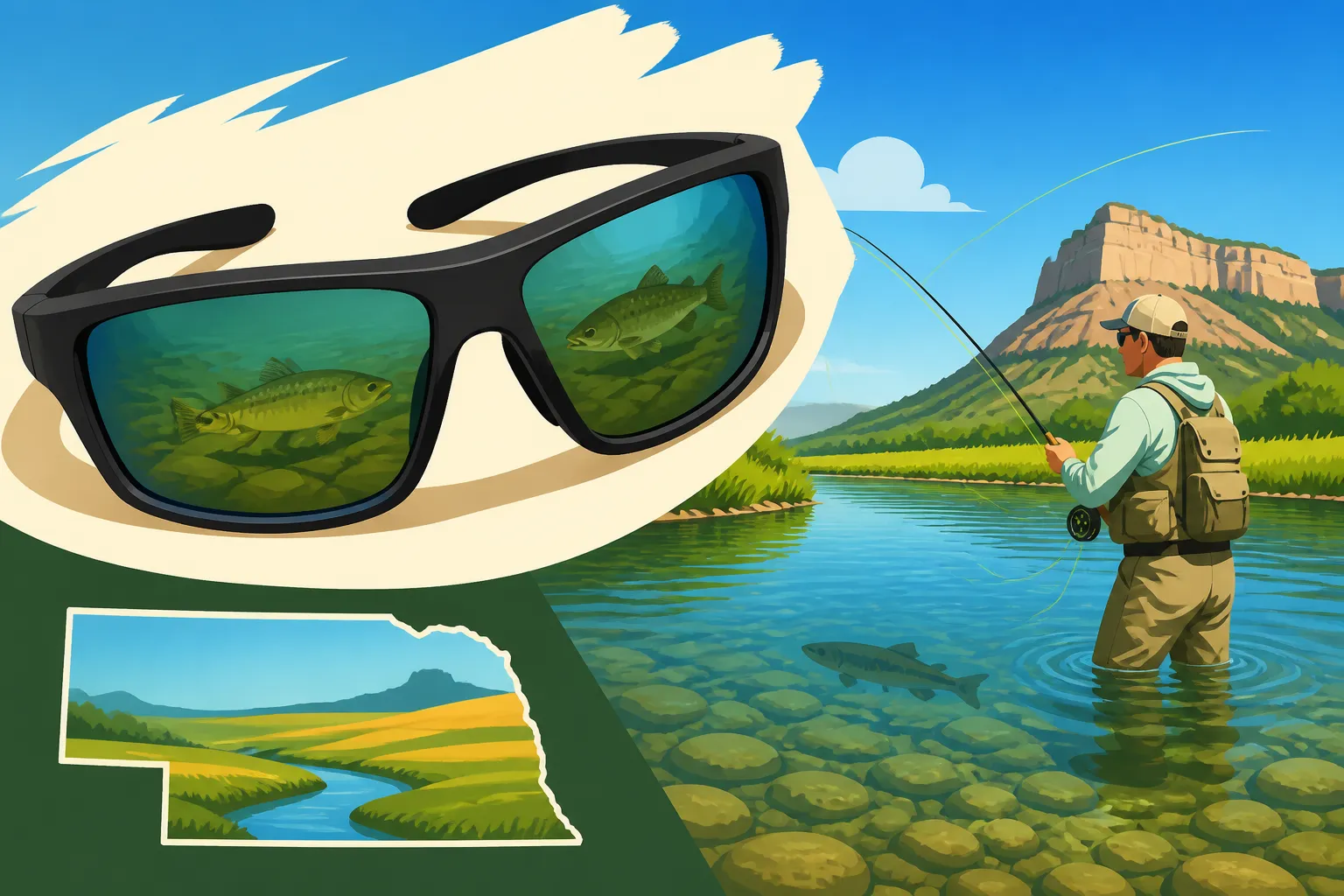
Think about those moments on Lake McConaughy or the Niobrara River when you know fish are lurking, but all you see is a shimmering, reflective surface. That's surface glare, and it's your biggest enemy when trying to identify subtle movements, shadowy forms, or hidden cover. Quality fishing sunglasses aren't just blocking sunlight; they're actively filtering out the light that causes this glare. This means the world beneath the surface—submerged logs, rock piles, weed lines, and, most importantly, the fish themselves—becomes visible, giving you a massive advantage. Imagine being able to clearly see a bass cruising near a weed edge or a school of crappie holding tight to a brush pile; that's the power of good polarized lenses. This ability can be the difference between a frustrating day and a memorable one, especially when practicing techniques that rely heavily on visual cues, like fly fishing for trout or casting to visible structure.
Safeguarding Your Vision: Long-Term Eye Health Benefits
While spotting fish is an immediate benefit, the long-term health of your eyes is arguably even more important. The sun's harmful ultraviolet (UV) rays, both UVA and UVB, are relentless, especially when amplified by reflection off the water. Prolonged exposure without adequate protection can lead to serious eye conditions down the road. We're talking about cataracts, macular degeneration, and even pterygium, a growth on the white of the eye that can impair vision. Investing in sunglasses that offer 100% UV protection is non-negotiable for any outdoor enthusiast, but especially for anglers who spend hours upon hours under the open sky. Don't compromise your vision for a few dollars saved; your eyesight is priceless. Protecting your eyes today ensures you'll be able to enjoy countless more fishing trips in the years to come.
Reducing Eye Strain and Enhancing Comfort
Squinting all day against harsh glare is not only ineffective for fishing but also incredibly uncomfortable. It leads to headaches, fatigue, and a general feeling of exhaustion even after a successful outing. Good fishing sunglasses significantly reduce eye strain by providing a clear, comfortable view of your surroundings. This enhanced comfort allows you to focus better on your presentation, detect subtle bites, and simply enjoy the tranquility of being on the water without battling constant visual discomfort. When your eyes are relaxed, your mind is clearer, and you're more attuned to the nuances of fishing. This can be particularly important during Summer Fishing in Nebraska when the sun is at its most intense.
The Crucial Features of Top-Tier Fishing Sunglasses
When you start looking for fishing sunglasses, you'll quickly realize there's a lot more to them than just dark lenses. Certain features are absolutely non-negotiable for effective sight fishing, while others offer significant enhancements. Understanding these key components will help you navigate the options and choose a pair that truly performs on the water.
Polarization: The Angler's Superpower
If there’s one feature you absolutely must have in fishing sunglasses, it’s polarization. Period. Non-polarized sunglasses will only dim the sunlight; they won't eliminate the glare that obscures your view into the water. Polarized lenses contain a special filter that blocks horizontal light waves, which are the culprits behind reflective glare from water, snow, and even pavement. When these horizontal waves are blocked, the vertical light waves (which carry useful visual information) can pass through, allowing you to see objects beneath the surface with incredible clarity.
Without polarization, trying to spot a submerged log for cover or a walleye hugging the bottom on a bright day is a hopeless endeavor. With it, you gain a significant advantage, almost as if the surface tension has been removed. Always ensure any sunglasses you purchase are explicitly labeled as "polarized." Many reputable brands available at retailers like Bass Pro Shops make this a primary feature, and even when shopping on Amazon, confirm this detail in the product description and reviews.
UV Protection: Your Eyes' Best Defense
As we touched on earlier, 100% UV protection is vital for long-term eye health. Look for labels that state "100% UV protection" or "UV400." This means the lenses block virtually all harmful UVA and UVB rays, regardless of how dark or light the tint is. Don't fall into the trap of thinking darker lenses offer more UV protection; that's a common misconception. The UV blocking capability comes from the lens material itself or a special coating, not the tint intensity. Always prioritize confirmed UV protection alongside polarization.
Lens Material: Balancing Clarity, Durability, and Weight
The material of your lenses plays a big role in optical clarity, impact resistance, and overall comfort.
- Polycarbonate: This is a very popular choice for fishing sunglasses due to its exceptional impact resistance. If you accidentally drop your expensive shades on a rocky bank or take a stray lure to the face, polycarbonate lenses are much less likely to shatter than glass. They are also lighter, which contributes to comfort during long days on the water. While not quite as optically perfect as glass, modern polycarbonate lenses offer excellent clarity that is more than sufficient for most anglers.
- Glass: For the absolute best optical clarity and scratch resistance, glass lenses are the top choice. They offer virtually distortion-free vision, which can be a real advantage for discerning subtle details. However, they are heavier and significantly more prone to shattering upon impact. If you're particularly careful with your gear and prioritize maximum clarity, glass might be for you, but for rough-and-tumble fishing, many prefer the durability of polycarbonate.
- Trivex: A newer material, Trivex offers a blend of the best qualities of polycarbonate and glass. It's lighter than polycarbonate, boasts excellent optical clarity, and still maintains good impact resistance, though perhaps not quite as high as polycarbonate. It's often found in higher-end fishing sunglasses.
Lens Colors: Tuning Your Vision to the Conditions
The color of your lenses isn't just about style; it's about optimizing your vision for specific light conditions and water types. Different tints filter light differently, enhancing contrast or reducing brightness as needed.
| Lens Color | Ideal Conditions | Benefits |
|---|---|---|
| Gray | Bright, sunny days; open water, offshore | Excellent for reducing overall brightness, maintaining natural color perception. Good all-around choice. |
| Copper/Amber | Variable light, overcast days, shallow water, river fishing | Enhances contrast, brightens surroundings, and improves depth perception. Great for spotting fish in stained or murky water. |
| Yellow | Low light, dawn/dusk, very overcast, foggy | Maximizes light transmission, significantly brightens vision, and improves contrast in extremely dim conditions. |
| Green Mirror | Medium to bright light, general fishing | A gray or copper base lens with a mirror coating. Reduces glare and reflection, often improving color definition. |
| Blue Mirror | Extremely bright, open water, saltwater | A gray base lens with a strong blue mirror coating. Maximum glare reduction for intense sun and reflective surfaces. |
For most Nebraska anglers, a good pair of gray lenses will handle the brightest, sunniest days on large reservoirs like Lake McConaughy, offering excellent glare reduction without distorting natural colors. For more varied conditions, or when fishing rivers like the Platte where water can be stained, copper or amber lenses often prove invaluable for enhancing contrast and helping you pick out fish from the background. When considering lens colors, it's often worth having a couple of different pairs or looking into interchangeable lens systems, especially if you fish across a wide range of conditions.
Advanced Lens Technologies and Coatings
Beyond the basics, many modern fishing sunglasses incorporate advanced technologies and coatings to further enhance performance. These aren't just marketing buzzwords; they genuinely improve durability, clarity, and comfort, making a noticeable difference on the water.
Anti-Reflective Coatings: Seeing Clearly, Not Yourself
Have you ever put on sunglasses and noticed reflections of your own eyes or the back of the lenses? That’s internal reflection, and it can be incredibly distracting, reducing overall clarity. Anti-reflective (AR) coatings are applied to the inside surface of the lens to eliminate these reflections, ensuring that the only light you're seeing is what's coming through the front of the lens. This might seem like a small detail, but it makes a huge difference in reducing eye strain and providing a pristine, unobstructed view, especially during long hours of intense focus on the water. It’s an easy feature to overlook, but one that once you experience, you won't want to do without.
Hydrophobic and Oleophobic Coatings: Keeping Your Lenses Clean
Fishing is a messy sport. Water splashes, bait gets on your hands, and finger smudges are inevitable. This is where hydrophobic (water-repelling) and oleophobic (oil-repelling) coatings come into play.
- Hydrophobic Coatings: These coatings cause water to bead up and roll right off the lens surface, preventing water spots and making them incredibly easy to clean. A quick wipe with a microfiber cloth is often all it takes, or sometimes, the water just slides off without intervention. This is a godsend when you're caught in a sudden rain shower or experience splashback from your boat.
- Oleophobic Coatings: Designed to repel oils from fingerprints, sunscreen, and fish slime, these coatings make it much easier to wipe away smudges without leaving streaks. For an angler, this is a practical feature that keeps your vision consistently clear, reducing the need for constant, vigorous cleaning that could scratch your lenses. Many popular brands found at Bass Pro Shops integrate these coatings into their high-performance fishing eyewear.
Scratch-Resistant Coatings: Protecting Your Investment
Let's face it, accidents happen. Dropping your sunglasses, wiping them with a dirty shirt, or brushing against abrasive surfaces can quickly lead to scratches, which not only look bad but also impair your vision. While no lens is truly "scratch-proof," most quality fishing sunglasses come with a hard, scratch-resistant coating applied to both sides of the lens. This coating significantly increases the durability of the lenses, extending their lifespan and maintaining optical clarity for longer. It's a vital protective layer that helps ensure your investment continues to perform season after season. Remember, a scratched lens means compromised vision, which defeats the entire purpose of having specialized fishing sunglasses.
Frame Styles and Fit: Comfort Meets Functionality
The lenses might be the brains of the operation, but the frames are the backbone. A great pair of lenses is useless if the frames are uncomfortable, constantly slip off, or allow light to leak in. The right frame style and fit are critical for maximizing the effectiveness of your fishing sunglasses and ensuring comfort during those marathon fishing sessions.
Wrap-Around vs. Traditional Frame Styles
When it comes to fishing, not all frame styles are created equal.
- Wrap-Around Frames: These are generally the preferred choice for anglers, and for good reason. Their curved design literally "wraps" around your face, providing maximum coverage. This is essential for blocking peripheral light and glare that can sneak in from the sides, top, and bottom. Light leakage can be just as detrimental as surface glare, as it creates distracting reflections on the inside of your lenses and reduces the overall effectiveness of your polarization. Wrap-around styles also offer better protection from wind, dust, and even stray hooks, which is always a plus. For open water fishing on a windy day at Branched Oak Lake, a good wrap-around frame will make a huge difference.
- Traditional Frames: While stylish for everyday wear, traditional, flatter frames often leave gaps between the frame and your face. This allows light to enter from the sides, creating glare and reflections that undermine the benefits of polarized lenses. They simply don't offer the comprehensive protection and visual advantage needed for serious sight fishing.
Frame Material and Construction for Durability
Fishing environments are tough on gear. Frames need to be durable, lightweight, and capable of standing up to sun, sweat, and occasional bumps.
- Nylon/Grilamid: These lightweight, flexible, and extremely durable plastics are very common in high-quality fishing sunglasses. They can withstand bending and impact without breaking and are resistant to corrosion from saltwater (though less of a concern in Nebraska, still good to know!) and sweat. Look for frames made from these materials for longevity.
- Rubberized Components: Many fishing sunglasses incorporate rubberized nose pads and temple tips. This isn't just for comfort; these components increase grip, preventing your sunglasses from slipping down your nose when you're sweating or leaning over the water. A secure fit means you're not constantly adjusting your glasses, keeping your focus where it needs to be – on the fish.
- Hinges: Pay attention to the hinges. High-quality metal hinges or integrated hinge designs tend to be more durable than flimsy plastic ones, preventing frames from becoming loose or breaking prematurely.
Finding the Perfect Fit: Comfort is Key
Even the best lenses and most durable frames won't do you any good if the sunglasses don't fit well. A poor fit leads to discomfort, slippage, and light leakage.
- Try Before You Buy: Whenever possible, try on different styles and sizes. Head to a store like Bass Pro Shops where you can actually put them on, shake your head, and see how they feel.
- Secure but Not Tight: Sunglasses should feel secure on your face without pinching behind your ears or on your temples. They shouldn't slide down your nose when you look down.
- Coverage: Ensure the frames sit close enough to your face to minimize light leakage from the top, bottom, and sides. The ideal fit creates a kind of protective barrier around your eyes.
- Ventilation: Some frames incorporate small vents to help prevent fogging, which can be an issue in humid conditions or when moving from cold to warm environments. This is a nice bonus feature to look for.
A properly fitting pair of sunglasses will feel like an extension of your face, allowing you to forget you're even wearing them and concentrate solely on the fishing.
Care and Maintenance: Protecting Your Investment
You've invested in a great pair of fishing sunglasses, so protecting that investment with proper care is paramount. These aren't just throwaway shades; with a little attention, they can provide years of exceptional performance and eye protection. Neglecting them will quickly lead to scratches, diminished clarity, and a shorter lifespan, forcing you to replace them sooner than necessary.
Cleaning Best Practices: Gentle Does It
Improper cleaning is one of the quickest ways to ruin your lenses. Dust, dirt, and dried water spots can become abrasive if not handled correctly.
- Rinse First: The golden rule for cleaning any optical lens is to always rinse them under lukewarm running water before wiping. This washes away any loose grit or dust particles that could scratch the lens if you were to wipe them dry. If you're out on the water, a squirt bottle of fresh water works great. Avoid using lake or river water directly, as it can contain microscopic particles that could cause damage.
- Use a Microfiber Cloth: Always use a clean, soft microfiber cloth specifically designed for eyewear. These cloths are gentle and effectively lift oils and smudges without leaving lint or scratching. Avoid using paper towels, napkins, or the corner of your shirt, as these materials can be surprisingly abrasive.
- Gentle Cleaning Solutions: For stubborn smudges or salt residue, use a cleaning solution specifically formulated for optical lenses. A tiny drop of mild dish soap diluted in water can also work in a pinch. Spray the solution onto the lenses, gently rub with your microfiber cloth, and then rinse thoroughly before drying. Never use harsh chemicals like window cleaner, ammonia, or alcohol-based wipes, as these can strip away protective coatings and damage lens materials over time.
Keeping your lenses pristine ensures maximum clarity and effective glare reduction, which is exactly what you paid for.
Proper Storage: Out of Harm's Way
How you store your sunglasses when you're not wearing them is just as important as how you clean them.
- Hard Case is Your Friend: Always store your sunglasses in a hard protective case when they're not on your face. This prevents them from being crushed, stepped on, or scratched when tossed into a tackle bag, backpack, or boat compartment. Many quality sunglasses come with a suitable case, but if yours didn't, it's a worthwhile accessory to purchase.
- Avoid Extreme Heat: Never leave your sunglasses on the dashboard of your car, especially in the Nebraska summer sun. Extreme heat can warp plastic frames and delaminate lens coatings, significantly compromising their integrity and performance. The heat can also cause protective layers to bubble or peel, effectively ruining the lenses.
- Keep Them Off Your Head: While it's convenient to push your sunglasses up onto your head when you're not using them, this can stretch out the frames over time, leading to a loose fit. It also exposes the lenses to hair oils and potential scratches if they rub against objects. Whenever possible, take them off and put them in their case.
By following these simple care and maintenance tips, your fishing sunglasses will remain clear, comfortable, and effective for many seasons of enjoying Nebraska Fishing.
Choosing the Right Sunglasses for Specific Nebraska Fishing Conditions
Nebraska offers a diverse range of fishing opportunities, from the expansive, sunny reservoirs of the west to the winding, often-stained rivers in the east, and everything in between. The "best" sunglasses can vary significantly depending on where and how you're fishing. Tailoring your eyewear to the specific conditions you'll encounter will optimize your vision and improve your chances of success.
Bright, Sunny Days on Large Reservoirs
When you're out on big water like Lake McConaughy or Harlan County Reservoir on a cloudless, bright day, the sun's intensity is amplified by the vast, reflective surface. This calls for maximum glare reduction and true color perception.
- Lens Color: Gray or blue mirror lenses are your best bet. Gray excels at cutting through harsh glare while maintaining natural color representation, preventing eye fatigue over long periods. Blue mirror lenses, often built on a gray base, offer an additional layer of protection against extreme brightness, which is perfect for days when the sun is relentlessly beating down.
- Frame Style: Wrap-around frames are crucial here. The open nature of large reservoirs means glare can come from all angles, and a snug-fitting wrap-around design will minimize light leakage from the sides, top, and bottom, maximizing the effectiveness of your polarized lenses. This is especially important if you're How to Troll for Walleye in Nebraska or spending hours looking into the depths.
- Lens Material: For optimal clarity on these vast waters, many anglers prefer glass lenses, though high-quality polycarbonate also performs exceptionally well.
Overcast Conditions and River Fishing
Nebraska's rivers, like the Platte or Elkhorn, or even reservoirs on an overcast day, present different visual challenges. Here, enhancing contrast and brightening your field of view become more important than just blocking intense sun.
- Lens Color: Copper or amber lenses truly shine in these conditions. They enhance contrast, making it easier to discern subtle underwater structures, rock transitions, or moving fish in dimmer light or stained water. They essentially brighten your view without adding artificial glare, which is invaluable when trying to spot a channel cat in the murky river current or crappie around a submerged tree on a cloudy day.
- Frame Style: While wrap-around frames are still beneficial for blocking any incidental glare, the need for extreme side coverage might be slightly less critical than on wide-open, bright lakes. However, they still offer superior overall protection and comfort.
- Lens Material: Polycarbonate is an excellent choice for river fishing due to its impact resistance. Bumping into branches or rocks is more common in these environments, and polycarbonate can take a hit better than glass.
Low Light: Dawn, Dusk, and Very Overcast Mornings
The magical hours of dawn and dusk often provide some of the best fishing, but also the most challenging light conditions for your eyes. Very heavy overcast days can also mimic low-light scenarios.
- Lens Color: Yellow or very light amber lenses are ideal. These tints significantly brighten your field of vision and enhance contrast in extremely low light, allowing you to see objects that would otherwise be obscured by shadows or gloom. They are not for reducing glare from intense sunlight but for maximizing the available light. Remember, true Nebraska Night Fishing Rules mean you won't be wearing sunglasses, but these are perfect for those twilight hours.
- Polarization: Even in low light, some level of surface glare can exist, especially if there's any ambient light. A polarized yellow lens will still provide an edge over non-polarized options by cutting any lingering reflections.
- Frame Style: Comfort is paramount here, as you'll likely be wearing them for extended periods into full light or starting before the sun is fully up. A secure, comfortable fit with minimal light leakage is still preferred.
Specific Species Considerations
While general conditions guide your lens choice, sometimes specific species demand particular attention. For instance, when Walleye Fishing in Nebraska, especially clear-water walleyes on deep structure, maximum clarity and the ability to penetrate deep into the water column are key. For Largemouth Bass Fishing in Nebraska in farm ponds, you're often looking into shallow, sometimes turbid water, where contrast is everything.
Having a versatile pair with a good copper/amber lens can serve many purposes across Nebraska's varied waters and fishing scenarios. Whether you're purchasing from Amazon or your local tackle shop, always keep the specific conditions of your fishing trips in mind. Don't be afraid to experiment with different lens colors to find what truly works best for your eyes and your preferred fishing spots.
Conclusion
The journey to finding the "best" sunglasses for sight fishing in Nebraska is a personal one, but it's a journey well worth taking. It's more than just a purchase; it's an investment in your vision, your comfort, and ultimately, your success on the water. By understanding the critical role of polarization, the importance of 100% UV protection, and how different lens colors and frame styles can enhance your ability to spot fish and structure, you're arming yourself with a powerful tool. So, the next time you head out to chase walleye at Lake McConaughy or cast for catfish on the Missouri River, remember that your eyes are your most valuable fishing asset. Protect them, enhance them, and let a quality pair of polarized sunglasses open up a whole new world beneath the surface. You'll not only see more fish, but you'll also enjoy every moment of your time outdoors even more.
Disclaimer
This article is for general informational purposes only and does not constitute professional advice. Laws, prices and regulations vary by location and change over time. Consult a qualified professional for guidance on your specific situation.