Best Nightcrawler Rig for Walleye
Ever find yourself staring at a tackle box full of lures, wondering what will finally entice those elusive Nebraska walleye? It's a common frustration, especially when artificials just aren't cutting it. This guide is all about mastering the simple, yet incredibly effective, nightcrawler rig – a timeless technique that consistently puts walleye in the boat across Nebraska's diverse waters.
Why Nightcrawlers Remain a Walleye Angler's Secret Weapon in Nebraska
When it comes to tempting a finicky walleye, sometimes you just can't beat the real thing. While a flashy crankbait or a perfectly jigged plastic might grab attention, a live nightcrawler offers an unbeatable combination of natural scent, movement, and taste that often seals the deal when other baits fail. In Nebraska's varied fishing environments, from the vast expanses of Lake McConaughy to the smaller, more intimate sandpits, nightcrawlers consistently prove their worth.
The Irresistible Allure of Live Bait
Think about it from a walleye's perspective: a plump, wriggling nightcrawler drifting past is not just food, it's easy food. Its natural movements are erratic and lifelike in a way no artificial lure can perfectly replicate, triggering an instinctual strike from even the most lethargic fish. The subtle scent trail released by a live nightcrawler is also a huge advantage, drawing walleye in from a distance, especially in stained or murky water. This combination of visual appeal and olfactory attraction makes it incredibly difficult for a walleye to ignore. It’s a primal draw that transcends current trends in artificial tackle.
Consider a hot summer day on Harlan County Reservoir. The sun is high, and the walleye are holding tight to deep structure, barely moving. You might cast countless crankbaits or vertical jig with plastics to no avail. But then you drift a juicy nightcrawler right into their zone, and the natural scent and subtle wiggling motion often prove just enough to trigger a bite. It taps into their natural feeding instinct in a way that often outperforms even the most sophisticated lures when fish are pressured or inactive.
Versatility Across Nebraska's Diverse Waters
One of the greatest strengths of the nightcrawler rig is its adaptability. Whether you're targeting shallow flats in spring, deep structure in summer, or even ice fishing in winter (though often modified for static presentation), a nightcrawler rig can be adjusted to suit almost any condition. This versatility is particularly valuable in Nebraska, where you might fish a large reservoir one weekend and a slow-moving river the next. The fundamental appeal of the nightcrawler remains constant, allowing anglers to apply a proven method across various ecosystems.
For instance, you might use a bottom bouncer rig with a crawler harness to troll across vast flats on Sherman Reservoir, covering a lot of water to locate active fish. Later, you could switch to a simple slip-sinker rig and cast from shore at a local pond or a jetty on Lewis and Clark Lake, letting the natural current or a slow retrieve present the bait. This adaptability means you don't need a whole new set of tactics every time you change fishing spots; you just adapt your nightcrawler presentation. Understanding Nebraska Fishing Seasons Explained will help you know when and where these techniques might be most effective throughout the year.
Deconstructing the Basic Walleye Nightcrawler Rig
While there are many variations, a basic nightcrawler rig for walleye is fundamentally simple, consisting of a few key components. Understanding each part and its purpose is crucial for building an effective setup that maximizes your chances of success. It's not about complexity, but about thoughtful selection and assembly.
Rod, Reel, and Line Selection
For walleye fishing with nightcrawlers, especially when drifting or slow-trolling, a medium-light to medium power spinning rod with a fast or extra-fast action tip is generally ideal. The sensitive tip allows you to detect those subtle walleye bites – often just a light tap or mushy feel – before the fish spits the bait. A length of 6'6" to 7'6" offers a good balance of casting distance and control. Pair this with a reliable spinning reel in the 2000-3000 series, spooled with 6-10 pound monofilament or fluorocarbon line. Monofilament offers more stretch, which can be forgiving on light bites, while fluorocarbon provides better sensitivity and less visibility in clear water. For specific recommendations, check out our guide on Best Rod Setup for Nebraska Walleye. You can find a fantastic array of quality rods and reels suitable for walleye fishing at your local Bass Pro Shops or by browsing the extensive selections available on Amazon.
When considering your line, remember that walleye can be notoriously finicky, especially in clear water reservoirs like Lake McConaughy. A less visible line, such as fluorocarbon as a leader or even your main line, can make a significant difference. The stretch of monofilament, while sometimes helpful, can also hinder bite detection, particularly if you're fishing deep or in windy conditions. Many anglers opt for a braided main line for sensitivity and casting distance, then tie on a fluorocarbon leader for stealth near the bait. This hybrid approach often gives you the best of both worlds for diverse Nebraska conditions.
Hooking Up: Hooks, Sinkers, and Swivels
These small but mighty components are what connect your line to the bait and present it effectively.
- Hooks: When fishing nightcrawlers, smaller hooks are generally better to ensure a natural presentation. Size 4 to 8 Aberdeen or Octopus style hooks are excellent choices. Aberdeen hooks are lighter wire, which can be beneficial if your hook gets snagged, as it might straighten out allowing you to retrieve your rig. Octopus hooks have a slightly wider gap and an offset point, which can improve hook-ups. The goal is to hook the nightcrawler just once or twice through the head, leaving the rest of its body free to wriggle enticingly.
- Sinkers: Your choice of sinker depends on your presentation.
- Walking Sinkers (like the original Lindy Sinker) are great for drifting or slow-trolling, as they tumble over the bottom with minimal snagging.
- Bottom Bouncers are essential for trolling in deeper water or over rough terrain, keeping your bait up off the bottom while the lead wire bounces along. They minimize snags significantly.
- Egg Sinkers are common for slip-sinker rigs, allowing the line to run freely through them, so the walleye doesn't feel resistance when it picks up the bait.
- Swivels: A good quality barrel or, even better, a ball-bearing swivel, is crucial. It prevents line twist, which can be a major headache when using live bait that spins in the water, or when trolling. It also separates your main line from your leader, which is often a different material.
The proper selection and integration of these components are paramount to a successful rig. A hook that's too large will inhibit the crawler's natural movement and can make the walleye wary. A sinker that's too light won't keep your bait in the strike zone, while one that's too heavy can cause excessive snagging and an unnatural drag on the bait. Always aim for a balanced system where each element works in harmony to present your nightcrawler as naturally as possible.
The Art of Attaching the Nightcrawler
This might seem straightforward, but how you hook your nightcrawler can make a huge difference. The primary goal is to keep the worm alive and wiggling as long as possible, presenting a natural, active target.
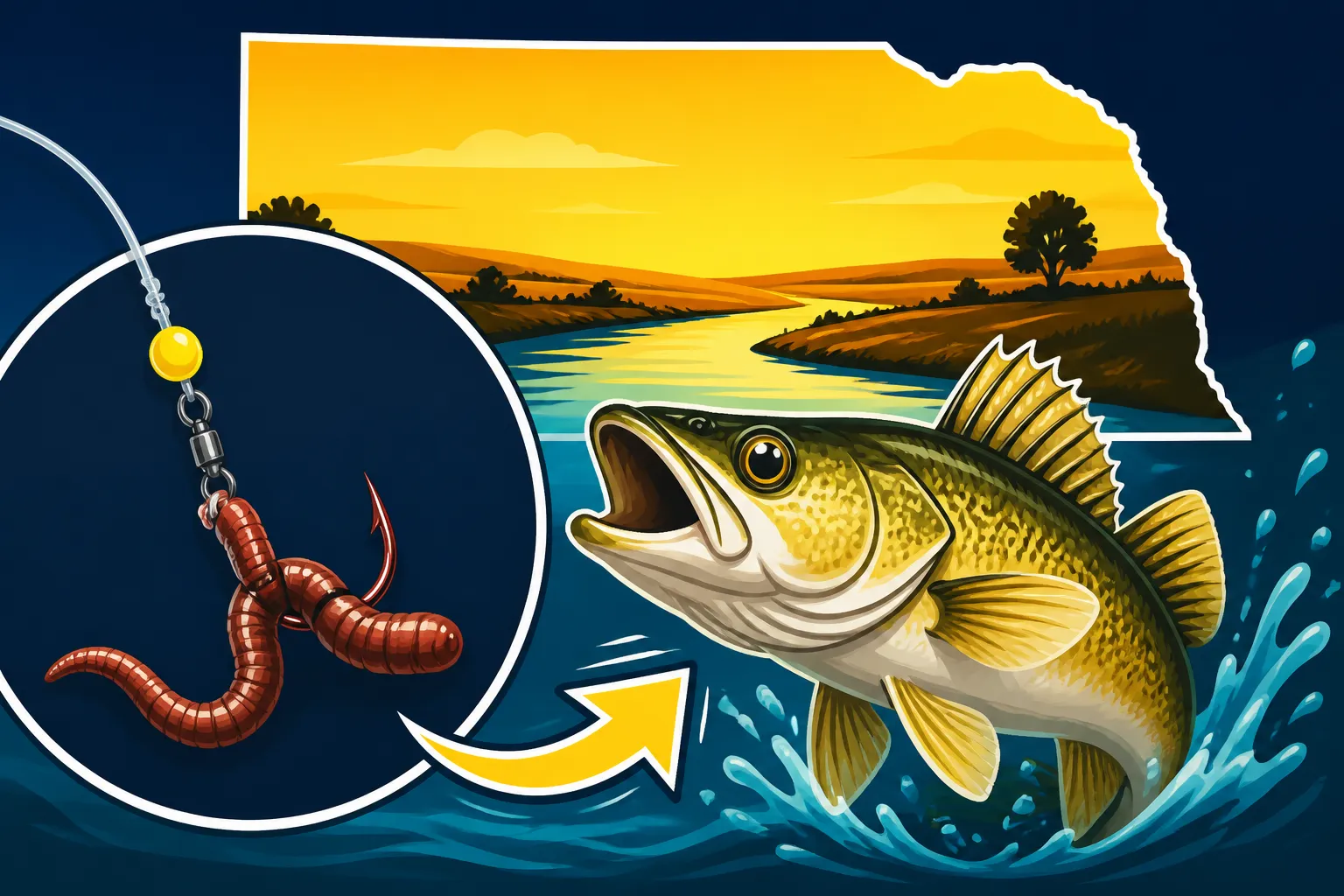
For most presentations, thread the hook once or twice through the very tip of the nightcrawler's head. This leaves the majority of the worm's body free to undulate and attract attention. Avoid impaling the worm multiple times, as this kills it quickly and reduces its appeal. If you're using a crawler harness with multiple hooks, you might thread the first hook through the head and the second hook lightly through the body a few inches down, creating a longer, more stretched-out presentation that's excellent for trolling. Some anglers even "break" the nightcrawler in half, using only the head section, especially if the walleye are short-striking or if you're looking for a more compact offering. Experimentation is key, as walleye preferences can vary day by day, or even hour by hour.
Popular Nightcrawler Rigs for Nebraska Walleye Success
While the basic components remain similar, various rig configurations offer different advantages depending on the fishing conditions, depth, and presentation style. Mastering these key rigs will significantly broaden your walleye catching repertoire.
The Classic Lindy Rig
The Lindy Rig is arguably one of the most iconic and effective walleye rigs ever devised, and for good reason. Its genius lies in its simplicity and natural presentation.
Components: A Lindy Rig typically consists of a walking sinker (often a "walking" or "no-snag" sinker) threaded directly onto your main line, followed by a small bead to protect the knot. Below the bead, you tie on a small barrel swivel. To the other end of the swivel, you attach a leader of fluorocarbon or monofilament, usually 3 to 6 feet long, and then a snelled walleye hook (size 4 to 8). The walking sinker is designed to tumble over rocks and debris on the bottom without snagging, while the long leader allows your nightcrawler to drift freely and naturally behind it.
How to Fish It: The Lindy Rig shines when drifted slowly from a boat or even fished from shore in areas with a gentle current. The key is to maintain a slow, controlled presentation, allowing the sinker to tick along the bottom while the nightcrawler dances enticingly just above or slightly behind it. When a walleye bites, the line slides freely through the walking sinker, meaning the fish feels minimal resistance, giving it time to fully inhale the bait. You'll often feel a light "tap" or a sudden heaviness on your line. Resist the urge to set the hook immediately; instead, drop your rod tip slightly to feed line, count to five, then reel up any slack and set the hook with a firm, sweeping motion. This method is incredibly effective for active and subtle biters alike, particularly when How to Fish Deep Structure for Summer Walleye is your goal.
Bottom Bouncer Rigs
When you need to cover more water or fish in areas with snags, bottom bouncer rigs are your best friend. They are primarily designed for trolling from a boat, keeping your bait precisely in the strike zone.
Components: A bottom bouncer is a lead weight molded onto a stiff wire arm, usually in an L-shape. The shorter arm attaches to your main line, while the longer arm extends down, with a swivel at its end to attach a leader (often called a "snell") and a hook. The weight of the bouncer can vary significantly, from ½ ounce up to 3 ounces or more, depending on depth, trolling speed, and current. The leader typically ranges from 18 inches to 6 feet. The stiff wire ensures the weight maintains contact with the bottom, while holding your snell and nightcrawler up off the bottom, out of the immediate snag zone.
How to Fish It: Bottom bouncers are all about controlled trolling. You let out enough line so that the bouncer is just occasionally touching or "bouncing" along the bottom. The speed of your boat is critical; generally, a slow troll of 0.8 to 1.5 miles per hour is effective. This causes your nightcrawler, often rigged on a spinner harness with a couple of beads and a small blade, to spin and flutter, creating additional flash and vibration. This combination of natural bait and artificial attraction is deadly for walleye, especially when they are scattered over large flats or along breaks. It’s a fantastic method for How to Troll for Walleye in Nebraska, allowing you to efficiently search for active fish. You can find a great selection of bottom bouncers and pre-tied crawler harnesses at your local Bass Pro Shops, which makes gearing up quick and easy.
Slip Sinker Rig (Carolina Rig)
The slip sinker rig is a versatile and effective setup, particularly popular for bank fishing or when casting to specific spots. It's essentially the freshwater version of a Carolina Rig.
Components: This rig starts with an egg-shaped or bullet-shaped sinker threaded onto your main line, allowing it to "slip" freely. Below the sinker, a small bead acts as a buffer, protecting your knot from the sinker's repeated impact. Next, tie on a barrel swivel. From the swivel, attach a fluorocarbon or monofilament leader, typically 1 to 3 feet long, ending with your walleye hook. The freely sliding sinker is the key here; it allows the walleye to pick up the bait and swim off without feeling the weight of the sinker, giving you more time to react.
How to Fish It: The slip sinker rig can be cast and retrieved slowly, or left stationary on the bottom. When casting, let the rig sink to the bottom, then slowly reel in, pausing occasionally. This makes your nightcrawler appear to be foraging on the bottom. It’s also very effective when you're targeting specific structure from shore, like a submerged rock pile or a drop-off. For those who prefer How to Fish From Shore in Nebraska, this rig is a staple because it's easy to cast, effective at various depths, and minimizes the chances of spooking fish with line resistance. When a walleye takes the bait, you'll see your line start to move or feel a distinct pull, but the slip sinker means they're less likely to drop it due to resistance.
Finesse and Tactics: Elevating Your Nightcrawler Game
Getting the rig right is half the battle; the other half is knowing how to present it effectively and take care of your bait. A few extra touches can significantly increase your catch rate.
Reading the Water and Presentation
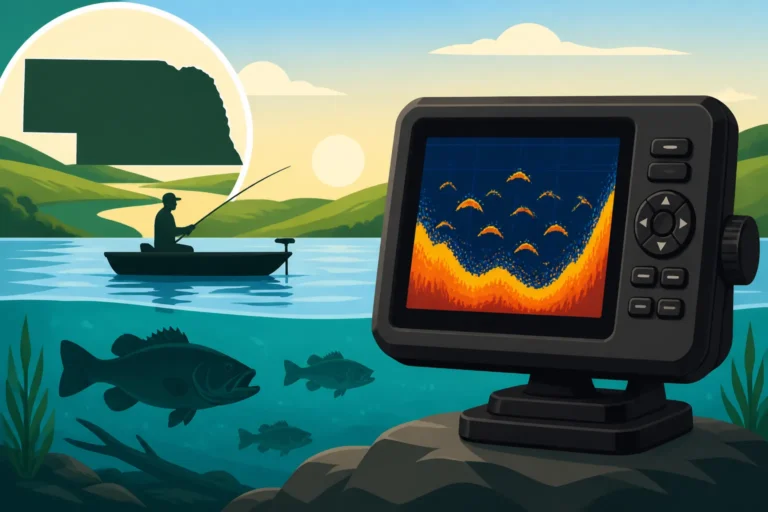
Walleye are masters of camouflage and often relate closely to structure. Knowing where to present your nightcrawler rig is as important as the rig itself. Look for transitions: where a flat meets a drop-off, points extending into the water, submerged humps, rock piles, or areas with current breaks. Using a fish finder to locate these features and mark fish can be invaluable, offering insights into How to Read a Fish Finder for Walleye even if you are newer to using electronics.
Once you've identified a promising spot, your presentation needs to be slow and deliberate. Walleye aren't typically known for chasing down fast-moving baits. Whether you're drifting a Lindy rig, trolling a bottom bouncer, or casting a slip sinker rig, the key is to maintain a speed that allows your nightcrawler to look natural and enticing, not like it's trying to escape a predator. Often, the slower you go, the better. This gives the walleye ample opportunity to inspect and inhale the bait without feeling rushed.
Speed Kills (or Catches)
While a slow presentation is often preferred, understanding how to vary your speed can make all the difference. Sometimes, a slight increase in trolling speed with a bottom bouncer can trigger aggressive strikes from active walleye. Other times, an almost imperceptible drift or retrieve with a Lindy rig is what it takes for lethargic fish. Factors like water temperature, time of day, and light conditions all influence a walleye's willingness to chase. On cooler days or in deeper, darker water, a slower approach is usually best. During prime feeding windows, like early morning or late evening (refer to Best Time of Day to Catch Walleye in Nebraska), a slightly more energetic presentation might be effective. Don't be afraid to experiment with your boat speed or retrieve rate until you find what the fish prefer on that particular day.
For river fishing, the current dictates much of your speed. You want your nightcrawler rig to tumble and drift naturally with the current, not be pulled against it or sit unnaturally still. Adjust your boat speed or bait weight to match the current precisely.
Live Bait Care and Storage
A lively nightcrawler is a productive nightcrawler. Keeping your bait fresh and active is critical for maximizing its appeal to walleye.
- Temperature: Nightcrawlers thrive in cool, moist conditions. Avoid direct sunlight and high temperatures at all costs. A simple insulated cooler with a frozen gel pack can keep them happy for hours on the water.
- Bedding: Store your nightcrawlers in commercial worm bedding or damp newspaper. This provides moisture and nutrients, and helps keep them clean. Change the bedding every few weeks if storing them for an extended period.
- Quantity: Only take what you need for the day. While it's tempting to bring a whole flat of crawlers, exposing too many to less-than-ideal conditions can diminish their quality quickly.
- Handling: Handle nightcrawlers gently. Their skin is delicate. Hook them carefully, and if one looks sluggish, replace it with a fresh, lively one.
You can find excellent worm containers and bedding to keep your nightcrawlers in prime condition on Amazon or at any tackle shop. Investing a little in bait care can pay huge dividends in your fishing success. Remember, a dead or dying crawler loses most of its natural appeal very quickly.
Supplemental Attractants and Floats
While a nightcrawler is already highly attractive, you can enhance its appeal further.
- Beads and Floats: Adding small, brightly colored beads or a tiny foam float (often called a "floating jig head" or "crawler harness float") to your leader just above the hook can serve several purposes. The colors can provide an additional visual attractor, especially in stained water. The float helps lift the nightcrawler slightly off the bottom, making it more visible and keeping it out of debris, particularly useful with bottom bouncer rigs or when fishing over weeds.
- Scents: Applying a commercial fish attractant or scent to your nightcrawler can be surprisingly effective. These often have a powerful odor that disperses in the water, further drawing in walleye. Some anglers also experiment with flavors like anise or garlic directly on the worms themselves. While the nightcrawler has its own natural scent, a little extra boost, especially on slower days, can sometimes tip the scales in your favor.
Comparing Popular Nightcrawler Rigs for Nebraska Walleye
Let's break down the main nightcrawler rig types to help you choose the best one for your next Nebraska walleye adventure.
| Rig Name | Key Components | Best Use Cases | Presentation Style | Pros | Cons |
|---|---|---|---|---|---|
| Lindy Rig | Walking Sinker, Bead, Swivel, 3-6 ft Leader, Hook | Drifting, slow current, subtle bites, deep structure | Slow drift, light bottom contact | Natural presentation, minimal resistance to fish | Can be prone to snags in heavy cover |
| Bottom Bouncer | L-shaped wire sinker, Swivel, 1-6 ft Snell, Hook | Trolling, covering large flats, deeper water, moderate cover | Controlled troll, keeps bait off bottom | Covers water efficiently, reduces snags, adds flash | Requires boat for effective use, less natural than Lindy |
| Slip Sinker Rig | Egg/Bullet Sinker, Bead, Swivel, 1-3 ft Leader, Hook | Casting from shore, targeting specific spots, stationary fishing | Cast & retrieve slowly, still fishing on bottom | Versatile, good for bank anglers, easy to cast | Can be less sensitive to light bites in deep water |
This table provides a quick overview, but remember that conditions on the water are dynamic. A successful walleye angler in Nebraska is often one who can adapt quickly, switching between rigs or modifying their presentation to match what the fish are telling them. Don't be afraid to try different approaches, even when you have a favorite.
Mastering the nightcrawler rig is a foundational skill for any serious walleye angler in Nebraska. By understanding the components, the different rig styles, and the nuances of presentation and bait care, you'll be well-equipped to tackle whatever challenges Nebraska's diverse waters throw your way. Good luck out there, and may your next walleye be a trophy!
Disclaimer
This article is for general informational purposes only and does not constitute professional advice. Laws, prices and regulations vary by location and change over time. Consult a qualified professional for guidance on your specific situation.