Best Time of Day to Catch Walleye in Nebraska
It can be incredibly frustrating to hit the water, all geared up and ready to catch some Nebraska walleye, only to find the fish aren't biting. We've all been there, wondering if we picked the wrong spot, the wrong lure, or perhaps, the wrong time of day. This comprehensive guide will pull back the curtain on walleye behavior, helping you understand the prime windows and strategies to improve your chances of success, no matter the season.
The Walleye's Schedule: Why Timing Matters So Much
Walleye are fascinating creatures, and unlike some other species that seem to bite all day long, they tend to be quite particular about when they're most active. Their large, light-sensitive eyes are perfectly adapted for low-light conditions, giving them a distinct advantage over their prey during dawn, dusk, and even the darkest hours of the night. This biological trait heavily dictates their feeding schedule and, consequently, the best times for us anglers to target them. It's not just about when the sun is up or down, but also about subtle shifts in light intensity, water temperature, and even barometric pressure. Ignoring these factors can lead to a long, fishless day on the water, while paying attention can dramatically increase your chances of a successful outing.
It’s easy to feel defeated when the fish aren't cooperating, especially when you've invested time and money into a trip. But understanding the walleye's natural rhythms is like getting a secret weapon. Think of it less as a strict timetable and more as a series of optimal windows that open and close throughout the day. Your goal as an angler is to be present and prepared when those windows are at their widest. This involves not just showing up at a certain hour, but also knowing what techniques and baits are most effective during those specific periods.
Dawn Patrol: The Early Bird Catches the Walleye
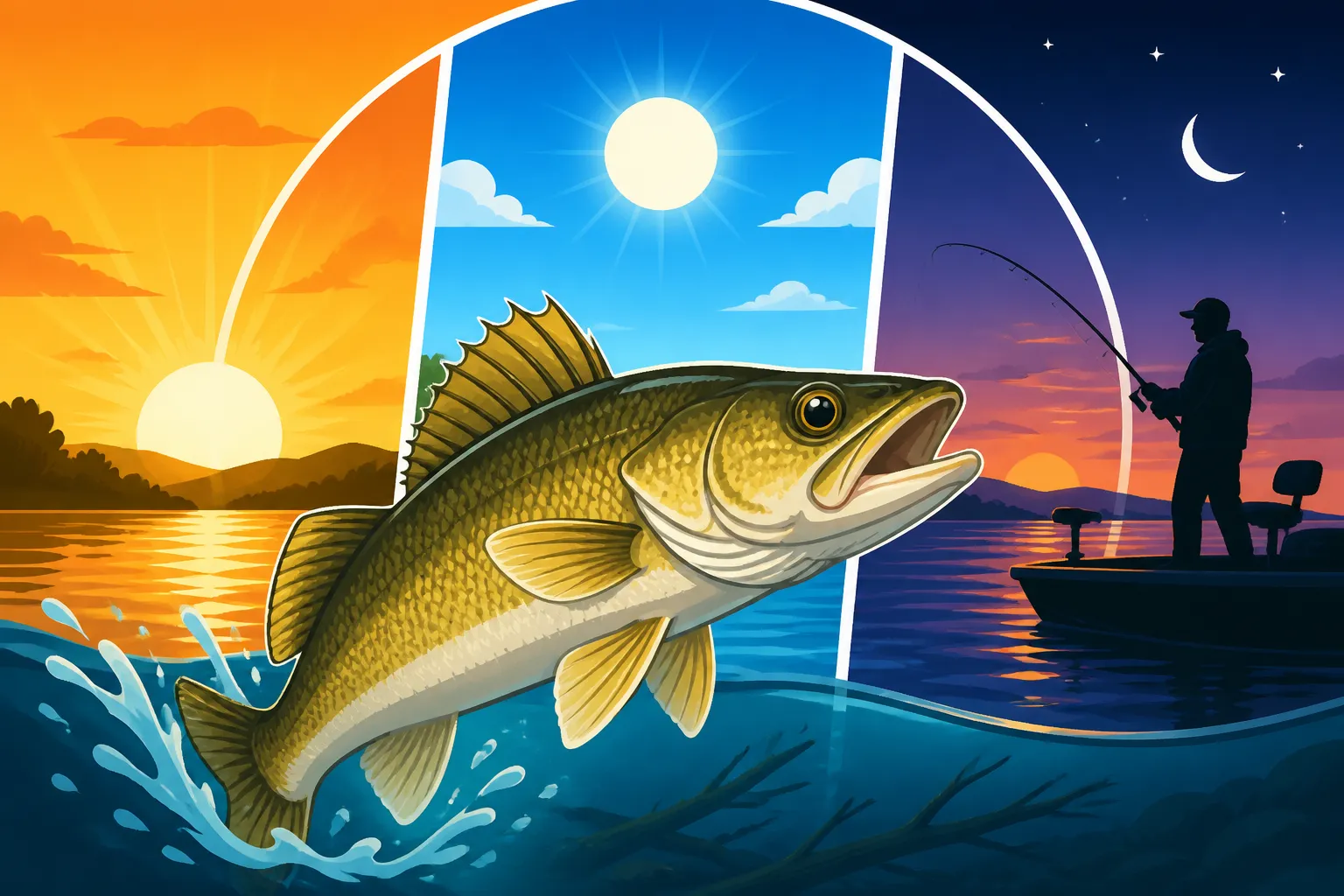
For many seasoned walleye anglers in Nebraska, the pre-dawn hours and the first light of day are sacred. There's a reason for this almost religious devotion to early mornings: it's often one of the most productive times to catch walleye. As the sun begins to peek over the horizon, casting its first golden rays across the water, the walleye are often wrapping up a night of feeding or transitioning into their daytime holding patterns. This low-light environment perfectly suits their nocturnal eyes, making them confident hunters.
The Golden Hour of First Light
That period right before and just after the sun officially rises is often referred to as "the golden hour" for a good reason. During this time, the light levels are ideal for walleye to ambush baitfish, which are often schooling closer to the surface or along shallower structures. The water is typically at its coolest point of the day, especially in warmer months, which can also stimulate feeding. You'll find walleye actively cruising flats, points, and weed lines that might be too bright for them later in the day.
Many anglers find success by casting shallow-diving crankbaits or even topwater lures (though less common for walleye, aggressive fish will hit them) in these early hours. Jigs tipped with minnows or soft plastics are also incredibly effective as the walleye are actively searching for a meal. This is a fantastic time for aggressive presentations, covering water to find those active fish. Remember, walleye aren't static; they move, and in the early morning, they often move into shallower, more accessible areas. If you're on a lake like Lake McConaughy Fishing Guide, hitting the flats adjacent to deeper water right at dawn can be absolutely dynamite for actively feeding fish.
Adapting to Rising Sun and Clearing Skies
As the sun climbs higher and the light intensifies, walleye behavior begins to shift. They're not as comfortable in the brighter conditions and will often retreat to deeper water, shaded areas, or dense cover. This doesn't mean the bite completely shuts down, but it does mean you'll need to adjust your tactics. Instead of shallow presentations, you'll want to focus on deeper breaks, submerged humps, or the shady sides of docks and rock piles.
Vertical jigging or slowly trolling deeper-diving crankbaits becomes more effective as the day progresses. The key is to follow the fish as they move from their shallow feeding grounds to their deeper, more secure daytime haunts. A good fish finder can be invaluable during this transition, helping you locate those thermal breaks or structural features where walleye are congregating. Don't be afraid to experiment with different depths and retrieve speeds, as the walleye's mood can change rapidly with the rising sun. Many anglers swear by a slow, methodical retrieve once the sun is fully up, often tipping their jigs with live bait like shiners or nightcrawlers. You can often find a great selection of these on Amazon to keep your tackle box stocked.
Midday Lull or Hidden Opportunities?
The middle of the day, particularly from late morning through early afternoon, often gets a bad rap among walleye anglers. And it's true, it can be the toughest time to catch fish, especially on bright, clear days. The intense sunlight drives walleye deep, where they feel more secure and comfortable. However, calling it a complete "lull" would be an oversimplification, and smart anglers know there are still opportunities if you know where to look and how to adapt.
Deep Water and Structured Sanctuaries
When the sun is high and bright, walleye seek refuge in deeper, cooler water. This could mean hanging out on the deepest parts of the lake or river, congregating around significant underwater structure like submerged islands, humps, or deep rock piles. They might also be found tucked tightly into dense weed beds, under thick docks, or in areas with significant shade. The key here is precision fishing. You're no longer looking for actively cruising fish but rather for those that are hunkered down, waiting for lower light conditions to resume their feeding.
This is where techniques like How to Find Walleye on Deep Humps and Points really shine. Bottom bouncing with crawler harnesses or slow-trolling crankbaits that can reach significant depths are excellent strategies. You might need to drop your baits right into their strike zone and present them slowly, almost tempting them into a reaction bite rather than an active chase. Heavy jigs, sometimes weighing an ounce or more, can get your bait down quickly to where the walleye are holding. Remember that walleye often stack up in these deep sanctuaries, so if you find one, you'll likely find more.
Weather Fronts and Cloud Cover
The midday bite can dramatically improve if a weather front moves in, bringing cloud cover, rain, or even wind. Overcast skies reduce light penetration into the water, making walleye more comfortable moving shallower and becoming more active throughout the day. A strong wind can also chop up the water surface, further reducing light and creating current, which can trigger feeding. These conditions can turn a typically slow midday into a hot bite.
During these weather shifts, don't be afraid to revisit areas that were productive during dawn or dusk. Walleye might move back onto shallower flats, points, or near weed lines. Spinnerbaits, chatterbaits, or even larger crankbaits can be effective in these conditions, mimicking disoriented baitfish in the stirred-up water. The shift in barometric pressure that often accompanies changing weather can also stimulate fish activity. Keep a close eye on the forecast, as a dreary day for humans can be a fantastic day for walleye fishing in Nebraska!
Dusk and Evening: The Second Golden Hour
Just like the dawn, the period leading up to and immediately following sunset is another prime window for walleye activity. As the sun dips below the horizon, the light conditions once again become favorable for these light-sensitive predators. Many anglers find the evening bite to be even more consistent than the morning, especially during the warmer months when the water might have been too bright and warm for much daytime activity.
The Evening Feeding Frenzy
As the light fades, walleye often move out of their deep-water sanctuaries and into shallower feeding grounds. They'll actively cruise along contours, over submerged humps, and through weed beds, searching for baitfish. This can often lead to a furious feeding frenzy that lasts until well after dark. The cooling water temperatures in the evening also play a role, making the fish more comfortable and active after a hot day.
Casting shallow-running crankbaits, jerkbaits, or jigs tipped with live bait like leeches or minnows can be incredibly effective during this time. Focus on transition areas where deep water meets shallow flats, or the edges of dense weed beds. These are natural ambush points for walleye. Best Bait for Nebraska Walleye often includes natural forage items, and these are particularly good choices as walleye are actively looking for food. On big waters like Lewis and Clark Lake Fishing Guide, you might find walleye pushing baitfish right up against shorelines or points.
Navigating the Transition to Night
As the last vestiges of daylight disappear, walleye will fully transition into their nocturnal mode. This can be an incredibly productive time, but it also requires a shift in tactics and an extra dose of safety consciousness. While the evening twilight allows for sight fishing and more aggressive presentations, true night fishing often demands slower, more methodical approaches.
Keep your headlamp ready (and make sure it has a red light setting to preserve your night vision!). Walleye will still be in those shallow feeding areas, but they'll be relying almost entirely on their superior low-light vision and lateral line system. Dark-colored lures, especially those with some vibration or glow features, can be very effective. Slower retrieves and pausing your lure can give walleye more time to locate and strike. This twilight period, often referred to as "the second golden hour," offers fantastic opportunities, especially for those targeting trophy fish that often feed under the cover of darkness.
The Mysteries of Night Fishing for Walleye
If you're willing to brave the dark, night fishing for walleye in Nebraska can be one of the most rewarding experiences. Walleye are true nocturnal predators, and the cover of darkness gives them a huge advantage. They become incredibly bold and will move into water so shallow that you might not believe it if you hadn't caught them there yourself. This is where some of the biggest walleye are often caught, as the larger fish tend to be more wary during daylight hours.
Embracing the Darkness: Strategies and Safety
Fishing at night requires a different mindset and a few extra precautions. Safety is paramount: always wear a life jacket, have proper lighting on your boat (and a good headlamp, available on Amazon, is essential for tying knots or handling fish), and be aware of your surroundings. On the fishing front, slow and steady wins the race. Walleye's excellent night vision means they can see your bait, but they don't necessarily need it to be moving fast.
Techniques include slowly trolling large crankbaits over flats or along weed edges. Often, suspending baits or even jigging vertically over deep structure can still produce if the fish haven't moved shallow. Another incredibly effective method is Nebraska Night Fishing Rules with slip bobbers and live bait. You can rig a minnow or a large nightcrawler under a bobber and let it drift or suspend it just off the bottom in shallower areas. The subtle movements of live bait are often irresistible to hungry walleye in the dark.
Lure Choices and Presentation After Dark
When it comes to lures for night fishing, subtlety often beats flash. Dark colors like black, blue, or purple silhouettes against the moonlight (or lack thereof) are often very effective. Lures that emit sound or vibration, like rattling crankbaits or blade baits, can also help walleye locate your offering in the dark. Glow-in-the-dark lures, or those that can be charged with a flashlight, can provide a visible target without being overly bright.
A good tactic is to focus on areas that are adjacent to deeper water but offer shallow feeding opportunities. Points, humps, and the outside edges of weed lines are prime targets. Walleye will often cruise these areas aggressively under the cover of darkness. Remember, walleye aren't generally found free-swimming in the middle of a lake at night; they're usually associated with structure or contours that allow them to ambush prey. Knowing Nebraska Walleye Bag Limits and Nebraska Walleye Minimum Length Limit is crucial, especially when the bite heats up at night!
Seasonal Influences on Daily Walleye Timing
While walleye generally prefer low-light conditions, the specific "best time of day" can shift considerably throughout the year due to varying water temperatures, light intensity, and spawning cycles. What works in the heat of summer might be completely ineffective in the icy grip of winter.
Spring: Post-Spawn Recovery and Active Feeding
In spring, especially after the Nebraska Walleye Spawning Season, walleye are often recovering and hungry. Water temperatures are rising, and baitfish become more active. While dawn and dusk remain excellent, walleye might be more active throughout the entire day, particularly on cloudy days or when the water is still relatively cool. They'll often be found shallower than in summer, making them more accessible.
Early spring walleye can be caught on jigs and minnows in creek channels or along the first breaks leading into spawning areas. As the water warms, their activity increases, and you might find more consistent bites during midday on overcast days, especially if there's a good chop on the water. How to Jig for Walleye in Nebraska can be especially effective in spring, when walleye are still relatively sluggish and concentrated in certain areas.
Summer: Low Light is King
Summer is when the low-light rule for walleye truly shines. With high sun intensity and often warmer surface water temperatures, walleye will retreat to the deepest, coolest, most oxygenated parts of the lake during the day. This makes dawn, dusk, and especially night fishing the most productive periods. Midday fishing will almost exclusively be a deep-water game, requiring precision and patience.
During the summer, consider using How to Troll for Walleye in Nebraska with deep-diving crankbaits or bottom bouncers with worms or leeches. The cooler water found in the depths provides comfort for the walleye, and they'll actively feed when light levels allow. Evening and night fishing in shallow water, using crankbaits or slip bobbers, can be incredibly exciting as walleye come up to feed. This is often the time when you'll hear about some monster walleye being caught, especially on a warm, still summer night.
Fall: The Pre-Winter Feeding Binge
As fall arrives and water temperatures begin to drop, walleye enter a period of intense feeding, bulking up for winter. This can be one of the best times of year to catch large walleye, and their active periods tend to extend beyond just dawn and dusk. Overcast days in the fall, even at midday, can provide excellent fishing as walleye are less bothered by light and are focused on finding food.
Walleye will often follow baitfish into shallower waters during this time, making them easier to target. Trolling large crankbaits, casting jerkbaits, or jigging with spoons can all be highly effective. The key is to find the baitfish; where the bait is, the walleye won't be far behind. Fall fishing can offer a fantastic "extended bite" that lasts for several hours, sometimes from mid-morning through late afternoon, especially when conditions are overcast or windy. Best Time of Year to Catch Walleye at Lake McConaughy often points to these cooler shoulder seasons.
Winter: Ice Fishing and Subtlety
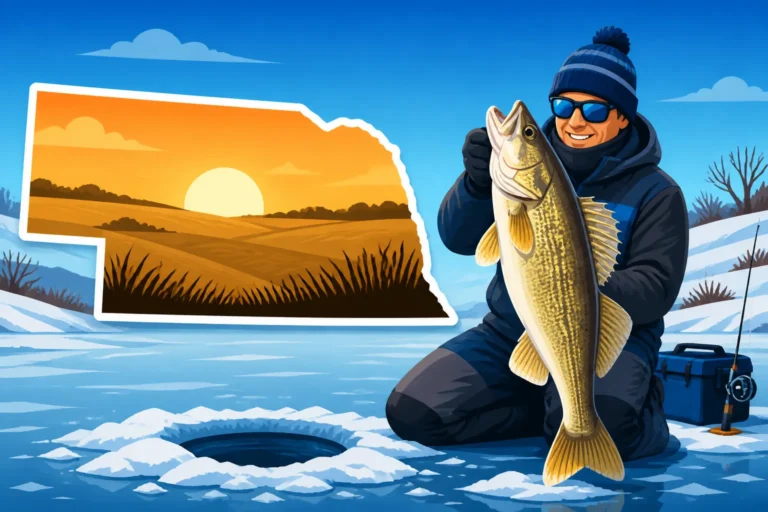
During winter, particularly when ice fishing, the "best time of day" shifts significantly. While early morning and late afternoon still see increased activity, the intense overhead sun penetrating through clear ice can actually deter fish in shallow water. Walleye might move shallow at dawn and dusk, but often, the most consistent bite for ice fishing is found in deeper water throughout the day, where light penetration is less severe.
Subtlety is crucial for winter walleye. Small jigs tipped with minnows, wax worms, or plastics, fished slowly and meticulously, are the go-to baits. Using a fish finder to locate schools of fish and then presenting your bait directly to them is vital. Remember, walleye in cold water are often less aggressive, so a patient, subtle presentation is key. On some days, midday can be quite productive, especially if there's snow cover on the ice, which helps block light.
A Quick Glance: Walleye Activity by Time and Season
Here's a simplified table to help you visualize the general trends of walleye activity throughout the day, influenced by the seasons. Remember, these are general guidelines, and local conditions (weather, water clarity, baitfish presence) can always alter the bite.
| Time of Day | Spring Walleye Activity | Summer Walleye Activity | Fall Walleye Activity | Winter Walleye Activity (Ice Fishing) |
|---|---|---|---|---|
| Pre-Dawn/Dawn | High: Active on shallow flats, creek channels. | High: Moves shallow to feed, often aggressive. | High: Strong feeding bite as light breaks. | Moderate: Often a small window of activity, shallower areas. |
| Morning | Moderate to High: Especially on cloudy days, deeper transitions. | Moderate: Retreats to deeper water, shaded areas. | High: Extended active period, especially on overcast days. | Low to Moderate: Deeper water, subtle bites. |
| Midday | Moderate: Best on overcast days or in deeper structure. | Low: Deepest water, heavy cover, very slow bite. | Moderate to High: Often good, especially if overcast or windy. | Low to Moderate: Deeper water, can be productive if patient, snow cover helps. |
| Afternoon | Moderate: Fish moving towards evening feeding grounds. | Moderate: Fish begin to move up from depths as light fades. | High: Strong feeding as light levels drop. | Moderate: Often a second small window of activity before dark. |
| Dusk/Evening | High: Strong feeding bite, fish on shallower breaks and points. | High: Moves shallow, aggressive feeding, often lasts well into the night. | High: Intense feeding before night, sometimes the best bite of the day. | Moderate to High: Best ice fishing action often occurs in the evening. |
| Night | Moderate: Can be good, but often less consistent than summer nights. | High: Walleye are bold and move very shallow, often the most productive time. | Moderate: Can be productive, but fall nights cool faster than summer. | Low: Less common, but possible with specialized night ice fishing tactics. |
Beyond the Clock: Other Factors to Consider
While the time of day is a huge piece of the walleye puzzle, it's not the only factor. A truly successful angler understands how other environmental conditions interact with the clock to influence fish behavior.
Weather and Barometric Pressure
Sudden changes in weather, especially drops in barometric pressure (often associated with approaching storms or cloudy conditions), can trigger a walleye bite at almost any time of day. Conversely, stable high-pressure systems on clear, sunny days often make the bite tougher. Always check the forecast and adjust your plans. Sometimes, the hour leading up to a storm can be absolutely dynamite, regardless of what the clock says.
Water Clarity and Temperature
Clear water often means walleye are even more light-sensitive, pushing them deeper or making the low-light windows even more critical. In stained or muddy water, their vision isn't as hindered by sunlight, and they might be active for longer periods during the day. Similarly, water temperature plays a crucial role. Walleye are cold-blooded, and their metabolism speeds up or slows down with water temperature. Knowing What Water Temperature Walleye Prefer can help you pinpoint not just the time of day, but also the depth they'll be most comfortable.
Baitfish Presence
Ultimately, walleye are predators, and they'll go where the food is. If you can locate schools of baitfish, you're likely to find walleye nearby, regardless of the time. Pay attention to your electronics for bait balls, or look for surface activity from baitfish. This is particularly true during their prime feeding windows. If baitfish are pushed into a certain area by current or structure, walleye will follow, and your "best time" is whenever you intersect them.
The Moon Phase
Believe it or not, the moon can also play a role, especially for night fishing. Many anglers report increased activity during full moon and new moon phases, although this can vary greatly by location and specific conditions. While not as impactful as light level or water temperature, it's another piece of the puzzle to consider, especially for those dedicated to targeting trophy walleye after dark.
Catching walleye consistently in Nebraska is a skill that blends knowledge, patience, and adaptability. While there are certainly optimal times of day when these fish are more active, remember that every day on the water is a learning experience. By understanding their preference for low light, their seasonal movements, and how other environmental factors come into play, you'll be well on your way to more successful walleye fishing adventures.
Disclaimer
The information provided in this guide is for general informational purposes only. Fishing regulations, conditions, and best practices can change. Always consult the latest Nebraska Game and Parks Commission regulations before fishing. Exercise caution and prioritize safety on the water.