Best Cooler Size for a Day of Fishing
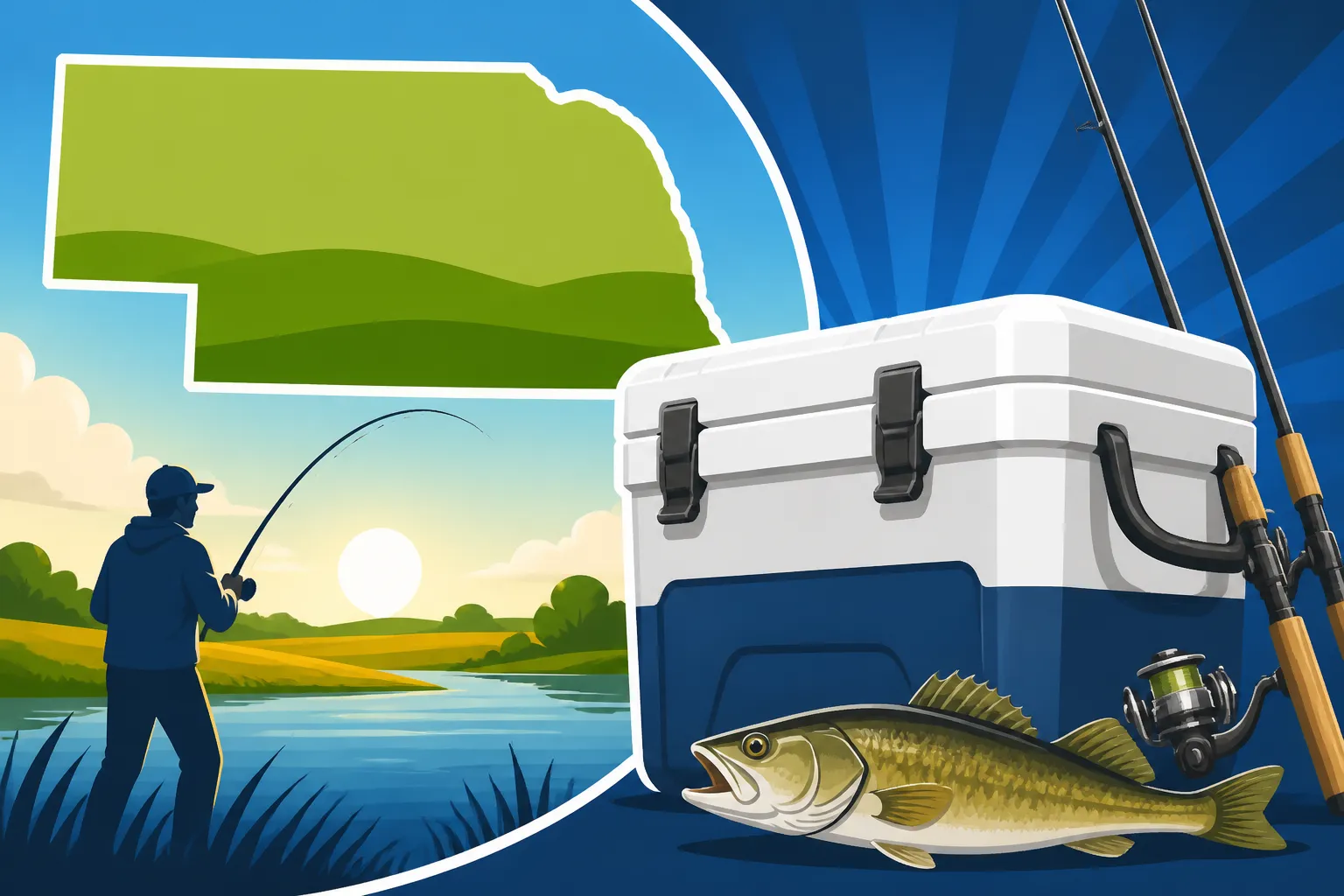
There's nothing quite like packing up for a day out on a Nebraska lake or river, the anticipation of a bite already sparking that familiar excitement. But before you even cast a line, a crucial decision often trips up even seasoned anglers: what's the right size cooler for a day of fishing? It might seem like a simple choice, but pick one too big and you’re lugging around dead weight and struggling to keep things cold. Too small, and you’re faced with warm drinks, spoiled lunch, or worse, no room for that prize-winning walleye. This guide is all about helping you nail down the perfect cooler size for your specific Nebraska fishing adventure, ensuring everything stays refreshingly cold and your catch makes it home in prime condition.
Why Cooler Size Matters More Than You Think for a Day Trip
When you're planning a fishing trip, especially a day-long one, every piece of gear has a purpose. Your cooler isn't just a fancy box; it's a vital part of your success, both in comfort and in preserving your harvest. The size you choose directly impacts its efficiency, your mobility, and ultimately, your enjoyment.
Overpacking vs. Underpacking: The Goldilocks Zone
It's a common dilemma: do you bring the monstrous cooler that can hold a week's worth of groceries, or the tiny personal one that barely fits a sandwich and a soda? For a day trip, neither extreme is ideal.
The Perils of the Oversized Cooler:
Imagine you're heading out to Branched Oak Lake for a few hours. You grab your huge, 100-quart cooler, thinking "better safe than sorry." You toss in a couple of sodas, your lunch, and a few pounds of ice. Here's the problem: all that empty space within the cooler is filled with air. This air, especially if it's warm when you pack it, acts as a heat sink. Your ice will melt much faster trying to cool down all that air and your limited items, rather than just cooling a tightly packed space. You end up with a heavy, bulky cooler that’s largely empty, difficult to maneuver in your boat or on the bank, and surprisingly inefficient at keeping your few items cold. Plus, who wants to heave a behemoth cooler out of the truck for just a handful of items? It's just too much work for too little payoff.
The Frustration of the Undersized Cooler:
On the flip side, picturing yourself on a hot summer afternoon at a local pond near Omaha. You grab a small, personal 10-quart cooler. You manage to squeeze in two bottles of water and a meager snack. Then, you land a couple of nice crappies or a decent channel catfish. Where do they go? Suddenly, your cooler is overflowing, or you're faced with the unfortunate decision of trying to keep your fish fresh with inadequate space, potentially compromising the quality of your catch. Or perhaps you're out with a buddy, and you both run out of cold drinks halfway through the day, wishing you had just a little more capacity. That "just enough" cooler quickly becomes "not enough," leading to discomfort and potential regrets.
Finding that "Goldilocks Zone" – not too big, not too small, but just right – is key. It means your cooler works efficiently, you have enough space for your essentials and your catch, and you're not burdened by unnecessary bulk or weight.
Heat Retention and Ice Longevity
The core purpose of any cooler is to keep things cold, and that boils down to heat retention and ice longevity. An improperly sized cooler can significantly compromise this.
When your cooler has too much empty air space, that air needs to be cooled down. Warm air trapped inside will accelerate ice melt as the ice works overtime. This is why a half-empty cooler often performs worse than a full one, even if they're the same model. The insulation of the cooler itself is important, of course, but a well-packed cooler of any quality will perform better than a sparsely packed one. Think about it: if you're trying to keep a handful of items cold in a vast space, the ice is fighting a losing battle against all that ambient air.
In Nebraska, where summer days can get scorching, and even spring and fall can surprise you with unexpected warmth, efficient ice retention isn't just a convenience – it's a necessity. Nobody wants to discover their lunch meat is questionable or their carefully caught Nebraska Walleye Daily Bag Limit is starting to warm up before they even leave the lake. Choosing a size that you can adequately fill, whether with food, drinks, or fish and extra ice, is the first step in ensuring your ice lasts as long as your fishing ambition.
Factors to Consider When Choosing Your Day Fishing Cooler
Before you grab the first cooler you see at Bass Pro Shops or click "add to cart" on Amazon, take a moment to think about the specifics of your typical fishing day. There's no one-size-fits-all answer, and your ideal cooler will depend heavily on what you plan to do, how long you'll be out, and who's coming along.
What Are You Cooling: Food, Drinks, or Fish?
This is perhaps the most fundamental question. Your cooler's primary contents will dictate its capacity requirements.
- Personal Snacks and Hydration: If your day consists of a quick solo trip, maybe a couple of hours on the Elkhorn River chasing catfish, you probably just need space for a few bottles of water, a sandwich, and a granola bar. A smaller, more compact cooler will suffice, freeing up space and making it easy to carry.
- Family Picnics and Group Outings: Bringing the whole crew out to Fremont Lakes State Recreation Area for a day of panfishing? That means a lot more drinks, a full lunch, perhaps some snacks for the kids, and maybe even some special treats. Suddenly, your personal cooler looks tiny. You'll need significantly more space to keep everyone fed and hydrated.
- The Catch of the Day: This is where things get interesting for anglers. Are you planning on catch-and-release, or do you intend to keep a limit of delicious Nebraska fish?
- Small Panfish: If you're targeting bluegill or crappie, a handful of these smaller fish won't take up a huge amount of space. You might be able to integrate them into a cooler with your food and drinks, provided you're diligent about How to Keep Fish Fresh Without a Cooler and have a separate bag for them.
- Walleye, Bass, or Catfish: These larger species demand more dedicated space. A couple of nice walleye from Lake McConaughy or a solid Nebraska Channel Catfish Daily Limit from the Missouri River will quickly fill up a modest cooler. For these, you'll want ample room to lay them flat or at least keep them submerged in ice without crushing your lunch. Many anglers prefer to have a separate cooler for fish entirely, keeping their food and drinks uncontaminated and ensuring the fish are packed solely with ice. This is especially true if you plan on keeping bigger fish or multiple species, and it helps maintain quality until you get home to How to Clean and Fillet a Walleye.
Duration and Conditions of Your Trip
Nebraska's weather can be notoriously unpredictable, and a "day" of fishing can mean anything from a sunrise sprint to a sunset troll.
- A Quick Morning or Evening Excursion: If you're only planning to be out for 2-4 hours, perhaps hitting a local urban pond after work, your ice retention needs are minimal. A smaller cooler will likely keep things perfectly cold for that short duration, even if it's not packed to the brim.
- An All-Day Adventure: Spending 8-12 hours on the water, maybe a full day exploring Lewis and Clark Lake Fishing Guide or a Merritt Reservoir Walleye Fishing expedition? Now, ice longevity becomes paramount. The longer you're out, the more crucial it is to have a cooler that can maintain its internal temperature against the elements. This often means a slightly larger capacity to hold more ice, or a higher-performance cooler.
- Weather Extremes: Think about the hottest part of summer in Nebraska. Temperatures soaring into the 90s, direct sun beating down. A smaller, less insulated cooler will struggle immensely. You'll need more ice and a more robust cooler for these conditions, or at least a larger size to accommodate the extra ice needed. Conversely, a cool spring morning or a crisp fall afternoon doesn't demand quite the same ice-keeping power, and you can get away with a smaller setup.
Portability and Space on Your Boat or Shoreline Setup
Don't forget the practicalities of actually getting your cooler to your fishing spot and managing it once you're there.
- Vehicle Space: Does your cooler fit comfortably in your car trunk or the bed of your truck alongside your rods, tackle, and other gear? A massive cooler might leave no room for anything else.
- Boat Storage: If you're fishing from a boat, particularly a smaller craft like a jon boat or a kayak, every square inch of space is precious. A huge cooler can hog deck space, impede movement, or even affect your boat's balance. Consider how it will fit and if it can double as a seat. For instance, a wider, lower cooler might be ideal for stability on a smaller craft.
- Bank Fishing and Carrying Distance: For those who prefer How to Fish From Shore in Nebraska or wade fishing, how far do you have to carry that cooler from your parking spot to your prime fishing hole? A fully loaded 65-quart cooler can weigh upwards of 50-60 pounds – a significant trek, especially through sand or uneven terrain. Lighter, more compact coolers with shoulder straps or wheels become very attractive in these scenarios. A small personal cooler, for example, is perfect for a quick jaunt to a Best Fishing Spots Near Omaha urban pond.
Consider all these variables, and you'll start to zero in on the perfect cooler for your specific day fishing needs in the Cornhusker State.
Recommended Cooler Sizes for Different Nebraska Day Fishing Scenarios
Now that we've explored the "why" and "what if," let's talk about some general guidelines for cooler sizes based on common day fishing trips in Nebraska. Remember, these are starting points – your exact needs might vary, but this should give you a good framework.
| Cooler Size Range (Quarts) | Typical Scenario | Contents & Capacity | Pros | Cons |
|---|---|---|---|---|
| 10-25 Quarts | Solo Angler, Short Trip (2-4 hours), Small Boat/Kayak | 6-12 cans/bottles, small lunch, maybe a few panfish | Lightweight, highly portable, easy to stash | Very limited capacity, minimal ice retention for long periods |
| 25-45 Quarts | Duo/Small Group, Half-Day Trip (4-6 hours), Moderate Catch | 12-24 cans/bottles, larger lunch, modest fish catch (e.g., couple of walleye) | Good balance of capacity & portability, decent ice retention | Can still be heavy when full, might be tight for larger fish |
| 45-65 Quarts | Family/Group Outing, Full-Day Trip (6-10 hours), Significant Catch | 24-40+ cans/bottles, picnic meal, ample room for a good limit of fish | Ample space for food, drinks, and a substantial catch; often durable | Heavy when full, takes up more space, less portable |
| 65+ Quarts | Specialist/Overnight/Large Group, Very Large Catch, Boat Seat | 40+ cans/bottles, large food spread, plenty of room for trophy fish or large limits | Maximum capacity and ice retention, often doubles as a bench | Very heavy, bulky, challenging to transport solo |
The Solo Angler or Short Trip Cooler (10-25 Quarts)
This is your go-to for quick strikes or when you're fishing alone and don't need much.
Scenarios:
- A spur-of-the-moment trip to a small creek for channel catfish, where you’re only planning to be out for a couple of hours before heading back.
- Someone with a Nebraska 1-Day Fishing Permit hitting a local urban pond for an hour or two of panfishing after work.
- Kayak fishing on a calm section of the Platte River, where space and weight are at a premium, and you're just bringing a couple of waters and a snack.
What it holds: Typically, these coolers can hold about 6-12 standard beverage cans plus a small lunch and ice. If you manage to catch a few small crappies or bluegill, they can fit inside (ideally in a separate bag or wrapped) with some ice.
Why it works: Its primary appeal is its portability. You can sling it over your shoulder, carry it with one hand, or tuck it easily into a small boat or kayak. It's light, maneuverable, and won't tire you out before you even get to your fishing spot. For short bursts, the ice retention is usually adequate, as the ambient air won't have enough time to significantly warm up the interior.
The Duo or Half-Day Angler Cooler (25-45 Quarts)
This size offers a solid middle ground, balancing capacity with manageability, perfect for sharing the experience.
Scenarios:
- You and a friend are spending a leisurely morning targeting walleye on a smaller Nebraska reservoir like Sherman Reservoir. You'll pack drinks, a shared lunch, and hope to bring home a couple of keepers.
- A dedicated solo angler on an extended half-day trip, perhaps 4-6 hours, who wants plenty of hydration and food, plus reliable space for a decent Nebraska Walleye Daily Bag Limit or a few respectable bass.
- Bank fishing at Pawnee Lake with a spouse, where you want to ensure both of you have cold drinks and snacks for several hours, and room for a modest catch.
What it holds: Expect to fit about 12-24 cans or bottles, a more substantial lunch for two, and a good amount of ice. This size often has enough room to lay a couple of medium-sized walleye or bass flat, or accommodate a nice mess of crappie on ice.
Why it works: It's a versatile size that performs well for many common fishing scenarios. It's still reasonably portable, especially if it has good handles, but offers a significant upgrade in capacity and often better insulation than smaller models. Brands like Yeti or RTIC in this size range are popular for their robust construction and impressive ice-keeping abilities, making them great choices for Nebraska's varied conditions.
The Family or Full-Day Trip Cooler (45-65 Quarts)
When you're making a full commitment to a day on the water with others, this is the size that steps up.
Scenarios:
- A family outing to Lake McConaughy Fishing Guide for a full day of swimming, picnicking, and fishing. You'll need drinks and food for everyone, plus ample space for any trophy fish you might land.
- An serious angler targeting a full Nebraska catfish daily limit on the Missouri River, planning to be out from dawn till dusk, requiring plenty of hydration and fuel for themselves, and dedicated space for multiple large fish.
- Hosting a small group of friends for a shore lunch and fishing at a state park lake, needing space for a variety of food items, many drinks, and a cooler that can also double as an extra seat.
What it holds: These coolers can comfortably hold 24-40+ cans, a substantial picnic-style meal, and plenty of ice to last all day, even in the Nebraska summer heat. This is where you can easily lay multiple good-sized walleye, bass, or catfish flat on ice, ensuring they stay perfectly chilled. Some even have a bit of vertical space for taller items like wine bottles if your outing calls for it.
Why it works: This size is excellent for extended outings and group needs. It provides the capacity for both sustenance and a significant catch, and often comes with features like drain plugs for easy cleaning and robust latches. While heavier when full, many high-quality coolers in this range are built like tanks and can withstand the rigors of a full day outdoors.
The Specialist or Multi-Purpose Cooler (65+ Quarts)
Sometimes, you need to go big, whether for a massive haul, long-term chilling, or simply a convenient extra piece of furniture.
Scenarios:
- A hardcore fishing tournament participant planning to keep a full stringer of sizable fish on ice for an entire day, plus enough drinks and food for a boat full of competitive anglers.
- Camping and fishing for several days at Merritt Reservoir, and you need one primary cooler to keep food and drinks cold, but also want extra space for an impressive muskie or Nebraska Northern Pike Habitat.
- When your cooler doubles as a casting platform or a comfortable seat on your boat, maximizing its utility.
What it holds: These behemoths can swallow 40+ cans, entire bags of ice, and multiple large fish without breaking a sweat. If you’re targeting big flatheads on the Platte River or a giant Lake McConaughy striped bass, this is the cooler to ensure your prize makes it home in pristine condition.
Why it works: The main advantages here are maximum capacity and often superior ice retention, especially from premium brands. They are built for serious duty and can handle the heaviest loads. However, their size and weight (often 30+ lbs empty) mean they are much less portable. They're usually best suited for boat fishing where space isn't as critical, or for situations where they can be loaded once and stay put.
Tips for Maximizing Your Cooler's Performance on a Day Trip
Choosing the right size is half the battle; the other half is using it effectively. Even the best cooler in the world won't perform optimally if not packed and cared for properly. These tips will help you keep your Nebraska catch and refreshments ice-cold all day long.
Pre-Chilling and Ice Management
This is perhaps the most overlooked, yet critical, step in cooler performance.
The Power of Pre-Chilling:
Think of your cooler like an insulated thermos. If you pour hot coffee into a cold thermos, it cools down the coffee. Similarly, if you put ice into a warm cooler (especially one that's been sitting in a hot garage or car), the first thing that ice has to do is cool down the walls of the cooler itself. This wastes a significant amount of ice. To avoid this, pre-chill your cooler.
- The night before your trip, toss a few old water bottles filled with frozen water or a sacrificial bag of ice into your cooler.
- Leave the lid shut overnight. By morning, the interior walls will be nice and cold, giving your fresh ice a head start.
- For really long trips, some folks even suggest putting the cooler in a freezer or cold room for a few hours, though that's usually overkill for a day trip.
Types of Ice and Layering:
Not all ice is created equal, and how you pack it matters.
- Block Ice: This is the king of longevity. Large blocks of ice melt much slower than cubes because they have less surface area exposed to the warmer air. If you're planning a full day, especially a hot one, start with a block or two at the bottom.
- Cubed Ice: Great for filling in gaps and quickly chilling items. Once your block ice is in place and your items are loaded, fill the remaining voids with cubed ice.
- Gel Packs/Ice Packs: These are fantastic for keeping food separate and also contribute to overall chilling. They don't make as much mess as melting ice.
- The Layering Strategy: Start with block ice, then add a layer of items you want coldest (e.g., raw fish in a bag, drinks). Add more cubed ice, then a layer of food. Finish with a top layer of ice. The more full your cooler is with ice and contents, the better it will perform.
Keeping it Cool on the Water:
- Shade, Shade, Shade: Keep your cooler out of direct sunlight whenever possible. Whether it's under a boat seat, covered by a towel, or tucked under a tree while bank fishing, every bit of shade helps.
- Minimize Opening: Every time you open the lid, warm air rushes in, and cold air escapes. Try to plan your access. Grab a few drinks at once rather than one at a time. If you have a separate cooler for food and fish, try to access the food cooler less often.
Packing Strategies
A smart packing strategy goes a long way in preserving your items and making your day smoother.
- Organize for Access: Put the items you'll need most frequently (like drinks) on top. If you have a separate compartment for bait, make sure it’s easy to get to without rummaging.
- Separate Wet from Dry: If you're using one cooler for everything, put your sandwiches and dry snacks in watertight containers or Ziploc bags to prevent them from getting soggy as the ice melts. This is crucial for maintaining food quality throughout the day.
- Fish Management: If you’re keeping fish, they should always be placed directly on ice, ideally with a layer of ice below and above them. Many anglers use heavy-duty trash bags or specific fish bags inside their main cooler to contain the mess and keep fish slime from contaminating other items. This also makes cleaning easier later. If you're going for a good Nebraska Trout Daily Limit or other species that are sensitive to temperature, ensure they are buried deep in ice.
Maintenance and Longevity
Your cooler is an investment in your fishing enjoyment, so treat it well.
- Clean After Every Trip: Don't let fish scales, slime, or spilled food sit in your cooler. A quick wash with soap and water, followed by a rinse and thorough drying, will prevent odors, mold, and mildew. Some folks even use a mild bleach solution for tougher cleaning, but always rinse thoroughly.
- Check Seals: The rubber gasket around the lid is critical for sealing in the cold. Inspect it periodically for cracks or damage. A compromised seal is like an open door for heat.
- Proper Storage: Store your cooler with the lid slightly ajar when not in use. This prevents moisture from getting trapped inside, which can lead to musty smells and mold growth. Keep it in a cool, dry place like a garage or shed.
By following these tips, coupled with choosing the right cooler size from the outset, you'll be well-prepared for a comfortable and successful day of fishing on any of Nebraska's fantastic waters. Enjoy your time out there, and here’s to tight lines and perfectly chilled refreshments!
Disclaimer
This article is for general informational purposes only and does not constitute professional advice. Laws, prices and regulations vary by location and change over time. Consult a qualified professional for guidance on your specific situation.