Nebraska Paddlefish Snagging Season Dates
Alright, let's talk about paddlefish snagging here in Nebraska. It's an exciting, albeit unique, type of fishing that many folks look forward to all year. But let's be honest, trying to keep track of the specific season dates, permits, and all the little rules can feel like trying to untangle a hundred yards of fishing line in the dark. It’s frustrating when you just want to get out on the water! This guide is here to clear up all that confusion, giving you the latest on Nebraska paddlefish snagging season dates and everything you need to know to stay legal and have a fantastic time.
Understanding the Unique Challenge of Nebraska Paddlefish Snagging
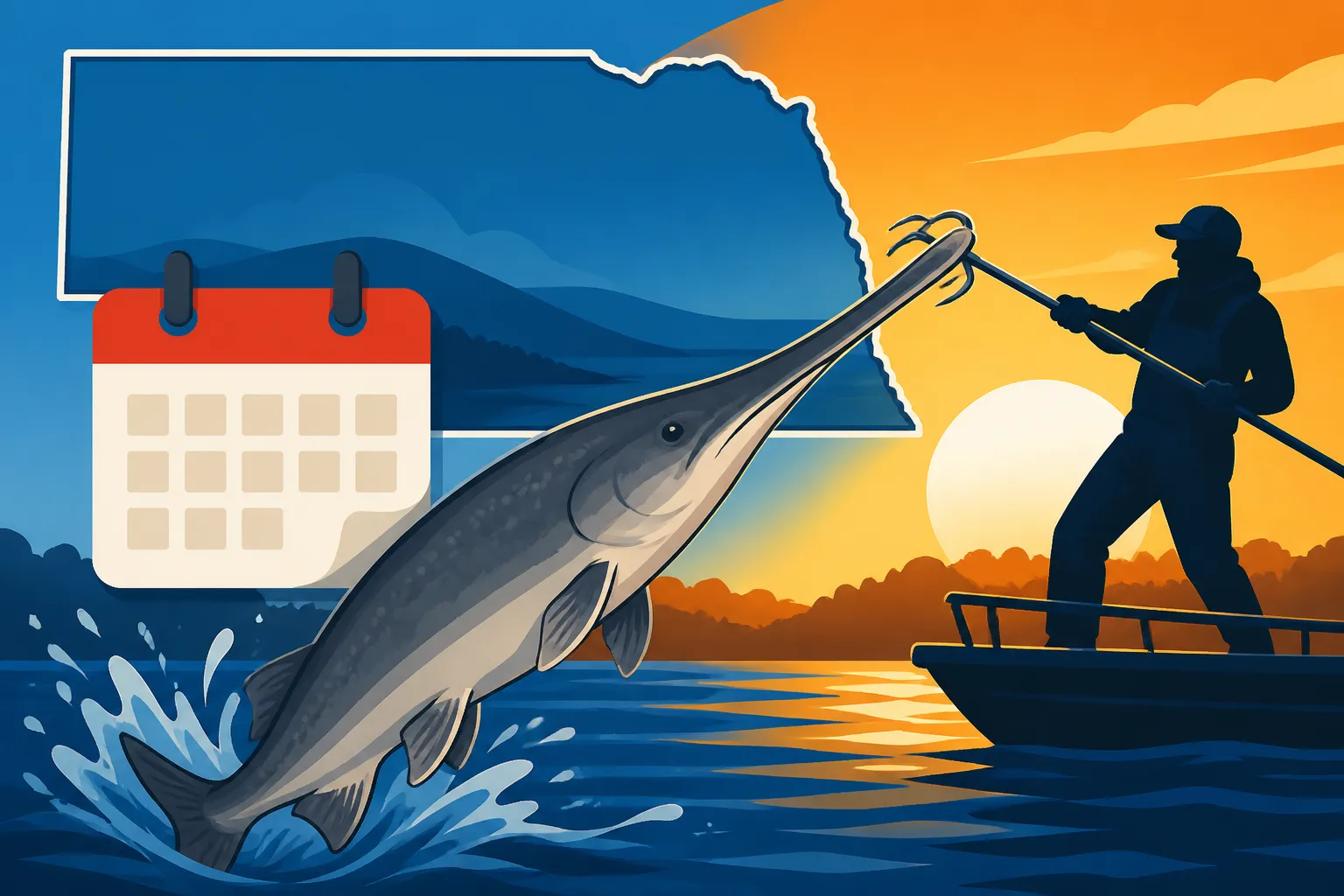
Paddlefish, often called "spoonbill cats" by some, are truly fascinating creatures. They're ancient, filter-feeding fish that can grow to impressive sizes, making them a prized catch for many anglers. However, because of their feeding habits, you can't typically catch them with traditional bait and hook. This is where "snagging" comes in—a specialized technique where anglers use large, barbless hooks to essentially "snag" the fish as they swim by. It's a method that requires precision, strength, and a deep understanding of where these fish will be.
Why Paddlefish are So Special (and Regulated)
Paddlefish are considered a native species in Nebraska, particularly in the Missouri River and its tributaries. Their populations require careful management to ensure they remain healthy for future generations of anglers. Because snagging is such an effective method, there's a higher risk of overharvest if seasons and limits aren't strictly controlled. The Nebraska Game and Parks Commission (NGPC) puts a lot of effort into monitoring these populations, setting specific seasons, and requiring special permits and tags. It’s not just about catching a big fish; it's about being a responsible steward of our natural resources. Without these regulations, we could quickly deplete what is an incredible, unique fishery right here in our state. You can learn more about how all our state's fishing periods are managed in the Nebraska Fishing Season Dates and Limits guide.
The Art of Snagging: A Different Kind of Fishing
Snagging isn't like sitting on a dock with a bobber. It's an active, physically demanding technique. Anglers typically use heavy-duty rods, stout line, and large treble hooks weighted to sink quickly. The process involves casting the rig out into known paddlefish waters, allowing it to sink, and then performing a strong, sweeping retrieve to "snag" any paddlefish in the area. This isn't a game for light tackle, and it often takes a good deal of practice to get the feel for it. It's often done from a boat, particularly in river channels where paddlefish congregate, but bank snagging is also possible in certain accessible areas. Finding the right gear for this intense fishing can sometimes be a challenge, but you can often find heavy-duty snagging rods and reels, along with specialized hooks and weights, on platforms like Amazon if your local tackle shop doesn't have exactly what you need.
Navigating Nebraska's Paddlefish Snagging Seasons
One of the biggest questions for any aspiring paddlefish angler is, "When can I actually go snagging?" The Nebraska Game and Parks Commission establishes very specific seasons for paddlefish snagging, and these dates can sometimes shift slightly from year to year based on population surveys and environmental factors. It's absolutely crucial to always check the most current Nebraska Fishing Guide or the NGPC website before planning your trip, because outdated information can lead to hefty fines.
Official Season Dates and Key Zones
For 2024, Nebraska’s paddlefish snagging season primarily focuses on the Missouri River and its immediate areas. The main snagging season for paddlefish runs from October 1st through October 31st. This is a statewide season for paddlefish snagging. However, it’s important to note that the Missouri River itself, especially the border waters shared with other states, often has its own set of rules and specific zones. For instance, the main stem of the Missouri River offers prime opportunities, particularly below Gavins Point Dam, near Ponca State Park, and other accessible points. Always confirm the current year's exact dates and any specific area restrictions in the Nebraska Fishing Regulations Explained booklet to avoid any surprises.
It's also worth noting that while the primary season is in October, sometimes there are specific opportunities or limited permit drawings in other areas or times. These are much rarer and typically require applying for a special permit well in advance. Don't assume anything; always consult the official NGPC guide.
Understanding the Permit and Tag System
Unlike general fishing, snagging for paddlefish requires more than just a standard fishing license. It's a tightly controlled fishery, and the permit and tag system is how the state manages harvest numbers. You can't just decide on a whim to go snagging; you need to plan ahead to secure the necessary permits. This system ensures that only a set number of paddlefish are taken, protecting the species for the future. Without these, even if you follow the season dates, you're breaking the rules.
Essential Permits, Tags, and Licenses for Paddlefish Anglers
Getting ready for a paddlefish snagging trip isn't just about packing your gear; it's about making sure all your paperwork is in order. The permit and tag system for paddlefish is vital for conservation, and misunderstanding it can quickly ruin your day with a violation.
Securing Your Paddlefish Permit and Associated Costs
To legally snag paddlefish in Nebraska, you'll need two main things: a valid Nebraska fishing license (or a nonresident equivalent) and a separate, specific Paddlefish Snagging Permit, which comes with a harvest tag.
Here’s a breakdown of the typical requirements and costs (always verify current fees with NGPC):
| Item | Requirement | Typical Cost (Resident) | Typical Cost (Nonresident) | Notes |
|---|---|---|---|---|
| Annual Fishing License | Mandatory for anyone 16 years or older | ~$40 | ~$90 | Required before you can purchase a paddlefish permit. |
| Aquatic Habitat Stamp | Mandatory for all fishing licenses | ~$10 | Included in license | Supports aquatic resource conservation. See Nebraska Aquatic Habitat Stamp Explained. |
| Paddlefish Snagging Permit | Specific permit for paddlefish snagging | ~$35 | ~$60 | Includes one harvest tag. Limited availability for non-residents. |
| Additional Paddlefish Tags | Allows for additional fish (if available) | ~$10 per tag | ~$20 per tag | Often limited to one or two per season per angler. |
Note: These costs are estimates and can change. Always check the official Nebraska Game and Parks Commission website or the GoOutdoorsNE system for the most current pricing.
These permits and tags can often be purchased online through the GoOutdoorsNE Online Permit System, at any Nebraska Game and Parks office, or at authorized vendors across the state. It's crucial to purchase your general Nebraska Fishing License Guide first, as the system will typically require it before you can add a paddlefish permit. Don't wait until the last minute, especially for non-resident permits, as they can sometimes be limited.
Mandatory General Fishing License Requirements
Before you even think about buying a specific paddlefish snagging permit, you must have a valid Nebraska fishing license. This applies to anyone 16 years of age or older. If you're a Nebraska resident, you'll purchase a resident annual fishing license. If you're visiting from out of state, you'll need a Nebraska Nonresident Fishing License Guide, which can be an annual, 3-day, or 1-day permit depending on your trip length. The cost varies, but it’s a non-negotiable step.
Keep in mind that when you purchase a fishing license, you'll also automatically be assessed for the Nebraska Aquatic Habitat Stamp. This stamp is vital for funding projects that improve fish habitats across the state, so it's a small but significant contribution to the sport we love. If you're unsure about specific age requirements for licenses, our guide on What Age Can You Fish Without a License in Nebraska? can help clarify things.
Once you’ve got your fishing license and paddlefish permit, you’ll receive a physical harvest tag (or tags) that must be immediately attached to any paddlefish you keep, as soon as it’s landed and before you leave the bank or boat. This tag acts as proof that you legally harvested the fish and helps the NGPC track harvest numbers. Misplacing or failing to tag a fish can lead to serious penalties, so keep your tags safe and accessible!
Key Regulations and Practical Tips for a Successful Snagging Trip
Beyond just knowing the dates and having your permits, there are several other critical regulations and best practices that paddlefish snagging anglers need to be aware of. This isn't just about avoiding trouble; it's about being prepared and respectful of the fish and other anglers.
Gear, Techniques, and Safety on the Water
When you're out on the Missouri River or other designated snagging waters, you'll notice that the gear is quite specific. As mentioned, heavy-duty rods and reels are standard, often spooled with 80-pound test braided line to handle the weight of the fish and the force of the snagging motion. You'll typically use large, barbless treble hooks (often size 8/0 to 12/0) and heavy sinkers, sometimes 6-12 ounces, to get your rig down to where the paddlefish are.
- Technique: The most common technique involves casting upstream, allowing the rig to sink, and then reeling in with powerful sweeps of the rod to cover the water column where paddlefish might be suspended. This "sweep and reel" method can be tiring but effective.
- Barbless Hooks: Remember, barbless hooks are usually a requirement for paddlefish snagging. This makes it easier to release incidentally snagged non-target species or undersized paddlefish with minimal harm. You can often find barbless hooks designed specifically for snagging online, even on platforms like Amazon, or you can crimp down the barbs on standard hooks yourself.
- Boat Safety: If you're snagging from a boat, always prioritize safety. The Missouri River can be powerful and unpredictable. Ensure you have all required Nebraska Boat Safety Equipment Requirements, including enough life jackets for everyone on board, and be mindful of other boats and anglers. Strong current and heavy lines can make for tricky situations, especially if you hook into a large paddlefish.
Reporting Your Catch and Handling Paddlefish Responsibly
Once you've successfully snagged a paddlefish and decided to keep it, the responsibility doesn't end there.
- Immediate Tagging: As soon as the fish is landed and you decide to keep it, you must immediately attach your paddlefish harvest tag to the fish. Typically, this means fastening it securely through the lower jaw or gill plate. This tag must remain attached until the fish is processed for consumption.
- One Fish Limit: Remember, the limit is usually one paddlefish per angler per season, though this can vary if additional tags are purchased and allowed. Always consult the current regulations for Nebraska Fishing Daily Bag and Possession Limits before heading out.
- Catch and Release: If you snag a paddlefish that you don't intend to keep (perhaps it's too small, or you've already filled your tag), it's critical to release it quickly and with as little harm as possible. This is where barbless hooks really shine. Handle the fish gently, support its body, and release it back into the water promptly. Understanding proper catch and release practices, as detailed in our guide Catch and Release Best Practices in Nebraska, helps ensure the health of the population.
- No Waste: Nebraska regulations typically require that all harvested game fish, including paddlefish, are not wasted. This means utilizing the edible portions of the fish. Paddlefish meat is excellent, often compared to swordfish or sturgeon, and can be prepared in various delicious ways.
By being informed about the season dates, securing the proper permits and tags, and adhering to all the regulations, you're not only ensuring a legal and safe trip but also contributing to the conservation of this magnificent species for future generations. Happy snagging!
Disclaimer
The information provided in this guide is intended for general informational purposes only and is subject to change. Fishing regulations, season dates, and permit requirements are established by the Nebraska Game and Parks Commission and can be updated at any time. Always consult the official Nebraska Game and Parks Commission website or the current Nebraska Fishing Guide for the most accurate and up-to-date information before planning any fishing trip. Compliance with all state and local fishing laws is the sole responsibility of the angler.