Catch and Release Best Practices in Nebraska
For many of us who love to cast a line in Nebraska's beautiful waters, the thrill isn't always about filling a cooler. Sometimes, it's about the pure joy of the catch, the fight, and then sending that fish back to grow bigger and fight another day. But let's be honest, successfully releasing a fish so it thrives isn't always as simple as tossing it back. There's a real art to it, and this guide is here to walk you through the best practices to ensure your catch-and-release efforts genuinely contribute to healthy fish populations.
Why Catch and Release Matters for Nebraska Waters
It's easy to think of catch and release as just something tournament anglers do, but it's so much more than that. For recreational anglers like us, who spend countless hours on lakes like Lake McConaughy or our beloved local farm ponds, catch and release is a powerful tool for conservation. It allows us to enjoy the sport, target specific species, and still ensure that there are plenty of fish left for the future, helping to maintain ecological balance and vibrant fisheries.
Conservation Beyond Regulations
While Nebraska has its fair share of Nebraska Fishing Daily Bag and Possession Limits and length limits designed to protect fish populations, these regulations are minimum standards. Practicing catch and release, especially for larger breeding fish or species that are slower to reproduce, goes above and beyond. Imagine catching a magnificent Nebraska Walleye Minimum Length Limit walleye in Lake Sherman, a true trophy. Deciding to release that fish isn't just following a rule; it's actively investing in the lake's future. That big female will continue to spawn, contributing hundreds of thousands of eggs to the next generation, making your personal conservation effort truly impactful. It’s about being a responsible steward of the natural resources we all cherish.
Sometimes, you'll find yourself on a hot bite, catching numerous fish in quick succession. Even if you're well within the legal limits, consider releasing some of those healthy fish. Perhaps you've already got enough for a meal, or maybe you just want to avoid over-stressing a particular area. It’s a personal choice that collectively makes a huge difference, especially in heavily pressured waters or during sensitive times like spawning seasons. By consciously releasing fish, we help ensure these fisheries remain robust and resilient for future anglers.
Ensuring Future Generations of Fish
Every fish released successfully has the chance to reproduce, contribute to the food web, and grow even larger, potentially becoming someone else's trophy catch down the line. Think about the pride in catching a massive channel catfish on the Platte River, knowing that fish has already survived many seasons and is a strong breeder. Releasing it allows that lineage to continue. This is particularly crucial for species like northern pike or muskellunge, which grow slowly and are often targeted for their impressive size.
Consider the dynamic of a local fishing derby or a family outing to a stocked pond. While it’s exciting for kids to catch their first fish, teaching them the importance of releasing some of those fish, especially if they aren't going to be eaten, instills a valuable conservation ethic early on. This thoughtful approach helps maintain a healthy age structure within fish populations, meaning there are plenty of young fish coming up, robust middle-aged fish, and those big, experienced breeders providing the foundation. Without catch and release, especially for these larger, more valuable breeding stock, some of our favorite Nebraska fishing spots could see a decline in both quantity and quality of fish over time.
Essential Gear for Successful Release
Having the right tools at your fingertips can make all the difference between a fish that swims away strong and one that struggles to recover. You wouldn't try to change a tire without a jack, right? The same principle applies here. Proper gear minimizes handling time, reduces stress, and prevents unnecessary injury to the fish, significantly increasing its chances of survival after release. A little preparation goes a long way in being a responsible angler.
The Right Hooks Make a Difference
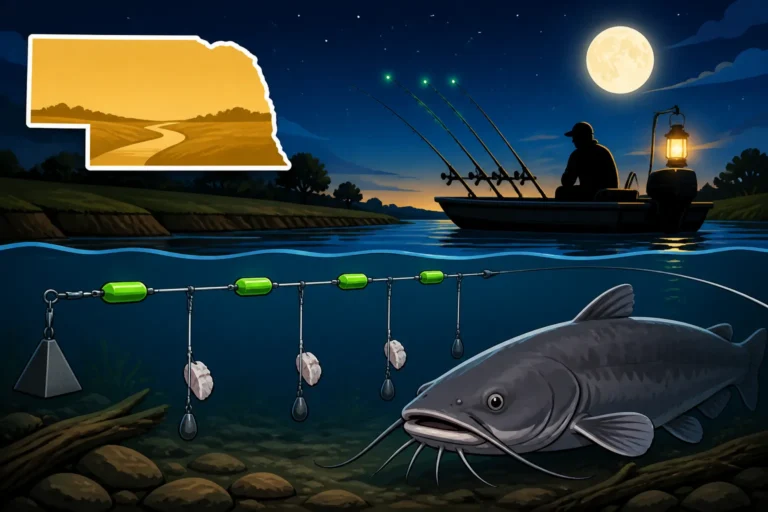
One of the simplest yet most effective changes you can make is switching to specific hook types. Barbless hooks are absolute game-changers for catch and release. They slide out effortlessly with minimal damage, often without even needing pliers. If you can't find barbless hooks for your favorite lure, simply pinch down the barb on a regular hook with a pair of needle-nose pliers. It takes seconds and can prevent a lot of tearing in a fish's mouth or throat. Circle hooks are another fantastic option, especially for species like Channel Catfish Fishing in Nebraska or walleye, as they are designed to hook in the corner of the fish's mouth, making deep-hooking rare.
When buying new tackle, look for hooks marketed as "barbless" or "catch and release." Many popular brands now offer these options directly on platforms like Amazon. Making this small switch can drastically improve a fish's survival rate, especially for aggressive biters that might otherwise swallow a traditional J-hook. It's a proactive measure that shows you truly care about the fish you're targeting.
Landing Nets and Handling Tools
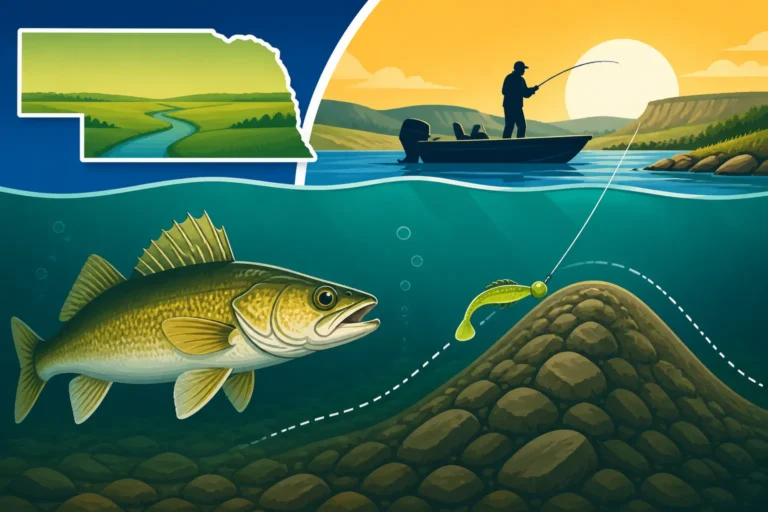
A good, knotless rubberized landing net is indispensable. Traditional nylon nets can strip away a fish's protective slime layer and damage fins, which can lead to infections or make the fish more vulnerable to disease once released. Rubberized nets are much gentler on the fish and prevent hooks from getting tangled, saving you precious time and reducing stress on the fish. For bigger fish like Walleye Fishing in Nebraska or larger bass, a net with a wider hoop and deeper basket is ideal to fully support the fish's body.
Beyond the net, a pair of long-nosed pliers or hemostats is crucial for quickly and safely removing hooks, especially if they are a bit deeper. A hook remover tool can also be a lifesaver when a fish is deeply hooked, allowing you to extract it without putting your fingers too close to sharp teeth or gills. Finally, a lip-gripping tool can be useful for larger, toothy fish to secure them without touching their body, but always remember to support the fish's full weight horizontally if using one, never hold them vertically by the lip, as this can severely damage their jaw and internal organs. You can find excellent options for these tools on Amazon, often in convenient kits.
Prepare Your Release Zone
Before you even cast your line, think about where and how you'll release a fish. If you're fishing from a boat, clear any tackle, lines, or other obstacles from the deck where you might land the fish. Have your net ready and your pliers or hook removers easily accessible. If you're bank fishing, identify a calm, shallow area where the fish can recover away from strong currents or heavy cover where predators might be lurking.
Having a clear plan helps streamline the process. If you anticipate catching larger fish, you might even consider carrying a small, soft mat or a damp towel to lay the fish on for a quick photo or hook removal, rather than placing it directly on hot, abrasive surfaces like boat carpet or rough ground. The goal is to minimize the fish's time out of water and ensure its environment is as stress-free as possible once it's returned. This foresight makes the entire catch-and-release experience smoother and more effective for both you and the fish.
Handling Fish with Care
Once you've hooked a fish and brought it to the boat or shore, how you handle it in those crucial moments before release determines its chances of survival. A fish's body is delicate, and improper handling can cause internal injuries, remove its protective slime coat, or even break its jaw or spine. Always prioritize the fish's well-being over a perfect photo or extended admiration.
Minimizing Stress and Injury
The fight itself is stressful for a fish, so our job is to minimize additional trauma. Try to land the fish as quickly as possible without "playing" it to exhaustion. Keep the fish in the water as much as you can, especially if you just need to unhook it. If you must remove it from the water, do so gently, supporting its entire body. Avoid squeezing the fish, particularly around its belly or gills, as this can damage internal organs or prevent it from breathing properly.
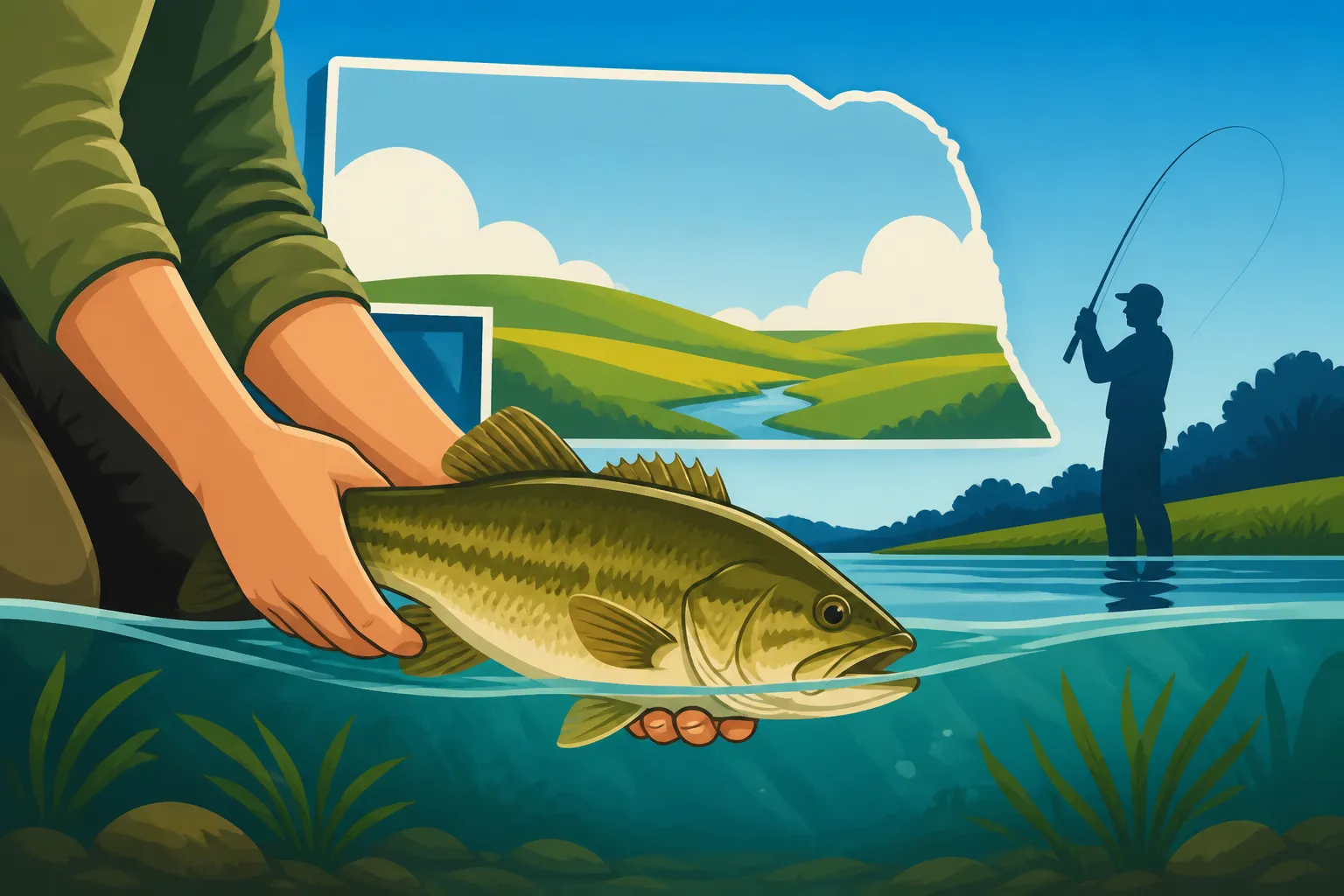
When handling a fish, always wet your hands first. Dry hands can rub off the fish's protective slime layer, which acts as its first line of defense against parasites and disease. If that slime is removed, the fish becomes highly susceptible to infections once it's back in the water. For larger fish, cradle them with two hands—one supporting the head and pectoral fins, and the other under the belly near the tail. This horizontal support distributes their weight evenly and prevents damage to their spine or internal organs that can occur if they're held vertically by the jaw or gills.
Specific Handling Tips for Different Fish
Different species have different needs when it comes to handling. For instance, Largemouth Bass Fishing in Nebraska often involves anglers lip-gripping bass. While this is generally safe for bass due to their robust jaw structure, always support the bass horizontally with your other hand if it's a larger fish (over a few pounds). Holding a heavy bass vertically by the lip can dislocate its jaw. For walleye, which have sharp gill plates and teeth, avoid handling them by the gills. A wet, knotless net or a lip gripper, combined with horizontal support, is the best approach.
When you're catching Channel Catfish Fishing in Nebraska, be wary of their pectoral and dorsal fins, which have sharp spines. Use heavy-duty gloves if needed, or cradle them carefully, avoiding direct contact with the spines. Crappie and other panfish are smaller and very delicate; they should be handled with utmost care, ideally by wetting your hands and gently supporting their entire body while removing the hook. Never hold any fish by the eye sockets or stringers through the gills if you intend to release them, as these actions are almost always fatal. Remember, the less physical contact, the better for the fish's survival.
Dealing with Deep-Hooked Fish
One of the toughest scenarios in catch and release is when a fish is deep-hooked, meaning the hook is in its gills or stomach. If you encounter this, resist the urge to vigorously tug or try to rip the hook out. This will almost certainly cause fatal internal damage. Instead, if the hook is barbed, you might try to cut the line as close to the hook as possible, leaving the hook embedded. Often, fish can expel or dissolve hooks over time. This approach, while not ideal, often gives the fish a better chance of survival than attempting a forceful extraction.
However, if you're using barbless hooks, sometimes a deep hook can still be gently backed out with long-nosed pliers or a specialized hook remover. The key is gentle, precise movements. If it feels like you're causing tearing or significant trauma, it's usually better to cut the line. It's a hard decision to make, especially when you feel responsible, but knowing when to cut the line is a critical part of ethical catch-and-release practices. This is also where a good hook remover tool, available on platforms like Amazon, can really come in handy, allowing you to reach into the fish's mouth without having to jam your hand in.
Reviving and Releasing Your Catch
The moment of release is just as important as the handling. A proper release ensures the fish is strong enough to swim away and face the challenges of its environment. Don't just toss it back; take a moment to ensure it's truly ready.
Reading the Signs of Recovery
Once the hook is out, place the fish gently back into the water, still supporting it. Don't just let it go immediately. Watch for signs that the fish is recovering from the stress of the fight and handling. You'll often see its gills moving steadily, indicating it's breathing well. The fish might also try to kick its tail or struggle a bit against your hands, which is a good sign of returning vigor. For fish caught in warm water or after a long fight, this revival period might take a few minutes.
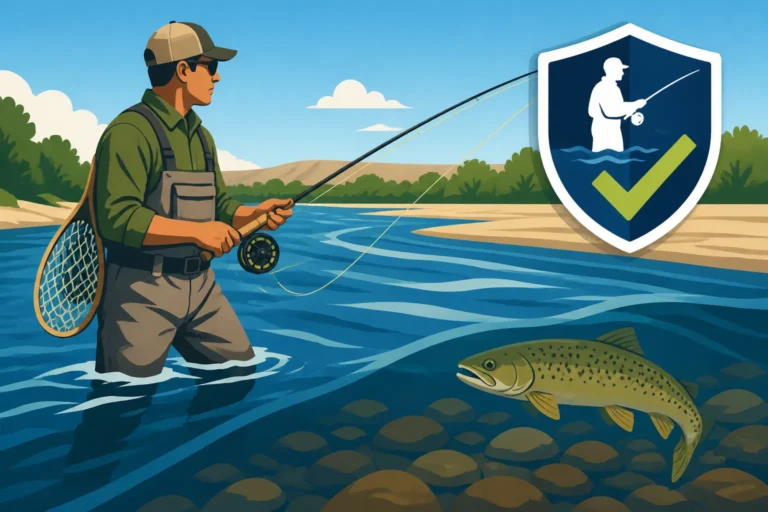
Sometimes, especially in warmer water temperatures or after an extended fight, a fish might be sluggish or roll over. This is when patience is key. Gently hold the fish upright in the water, facing into any slight current, allowing water to flow over its gills. You can gently move it back and forth a few inches, creating an artificial current through its gills, but avoid vigorous pumping movements that can actually do more harm than good. Keep a close eye on it, feeling for those strong kicks against your hands, until it can maintain its equilibrium and swim away under its own power. This slow, deliberate process significantly boosts survival rates, particularly for species sensitive to stress like Nebraska Trout Fishing.
The Gentle Release Process
When the fish shows strong signs of wanting to swim away, let it go gently. Don't throw or drop it into the water. Instead, release it horizontally, allowing it to glide out of your hands. If you’re fishing from a boat, lower the fish directly into the water, or use your net to facilitate a smooth, controlled return. Avoid releasing fish in areas with strong currents that might immediately wash them downstream before they're fully recovered. Look for calmer, protected waters, perhaps near some submerged cover where it can retreat and rest.
For fish caught from a significant depth, especially during Nebraska Ice Fishing Regulations, they might suffer from barotrauma, where expanding gases in their swim bladder prevent them from swimming back down. If a fish can't descend on its own, you might need to use a specialized "fizzing" tool to release the gas, but this should only be done by experienced anglers as improper fizzing can be fatal. Otherwise, try to release these fish in shallower water where they don't have to fight as much pressure to descend. Being mindful of these nuances is what truly sets apart an ethical angler.
Post-Release Observation
After you've released the fish, take a few extra moments to observe it. Does it swim away strongly and purposefully, or does it seem disoriented or float awkwardly near the surface? A healthy release means the fish disappears into the depths or cover quickly. If it struggles, you might need to attempt to revive it again. Sometimes, a fish might dart away only to turn belly-up a short distance later. While not every fish will survive, observing its immediate post-release behavior can give you valuable feedback on your handling techniques.
If you consistently see fish struggling after release, it might be a sign to re-evaluate your gear, your fighting technique, or your handling methods. Perhaps try shorter fighting times, quicker hook removals, or experiment with different nets. Every opportunity to practice catch and release is also an opportunity to learn and refine your skills, ensuring that our collective efforts keep Nebraska's waters thriving with diverse and abundant fish populations. This careful attention is a crucial part of Catch and Release Best Practices in Nebraska.
| Fish Species | Recommended Hook Type | Ideal Handling Method | Specific Considerations |
|---|---|---|---|
| Walleye | Circle/Barbless J-hook | Wet net, horizontal support, lip gripper | Avoid gill plates, sensitive to warm water. |
| Channel Catfish | Circle/Barbless J-hook | Wet hands/gloves, avoid spines, horizontal support | Spines can inflict painful wounds, robust species. |
| Largemouth Bass | Barbless J-hook/Treble | Wet hands, lip-grip with horizontal support for large fish | Strong jaw, but large fish need full body support. |
| Crappie | Small barbless J-hook | Wet hands, gentle full body cradle | Very delicate, prone to slime coat loss, quick release. |
| Trout | Small barbless J-hook/Fly | Wet hands, gentle full body cradle, keep in water | Highly sensitive, quick release, avoid direct sun. |
Disclaimer
This article is for general informational purposes only and does not constitute professional advice. Laws, prices and regulations vary by location and change over time. Consult a qualified professional for guidance on your specific situation.