Nebraska Fishing Rules at Sandpits and Gravel Pits
Navigating the myriad of fishing regulations in Nebraska can feel like trying to untangle a bird's nest of fishing line, especially when you venture beyond the well-known lakes and rivers into the unique world of sandpits and gravel pits. These often-overlooked water bodies offer fantastic fishing opportunities, but understanding their specific rules, access limitations, and potential hazards is crucial to avoid a disappointing day or, worse, a violation. This comprehensive guide will break down everything you need to know to confidently and legally enjoy fishing Nebraska's intriguing sandpits and gravel pits.
Understanding Nebraska's Unique Sandpits and Gravel Pits
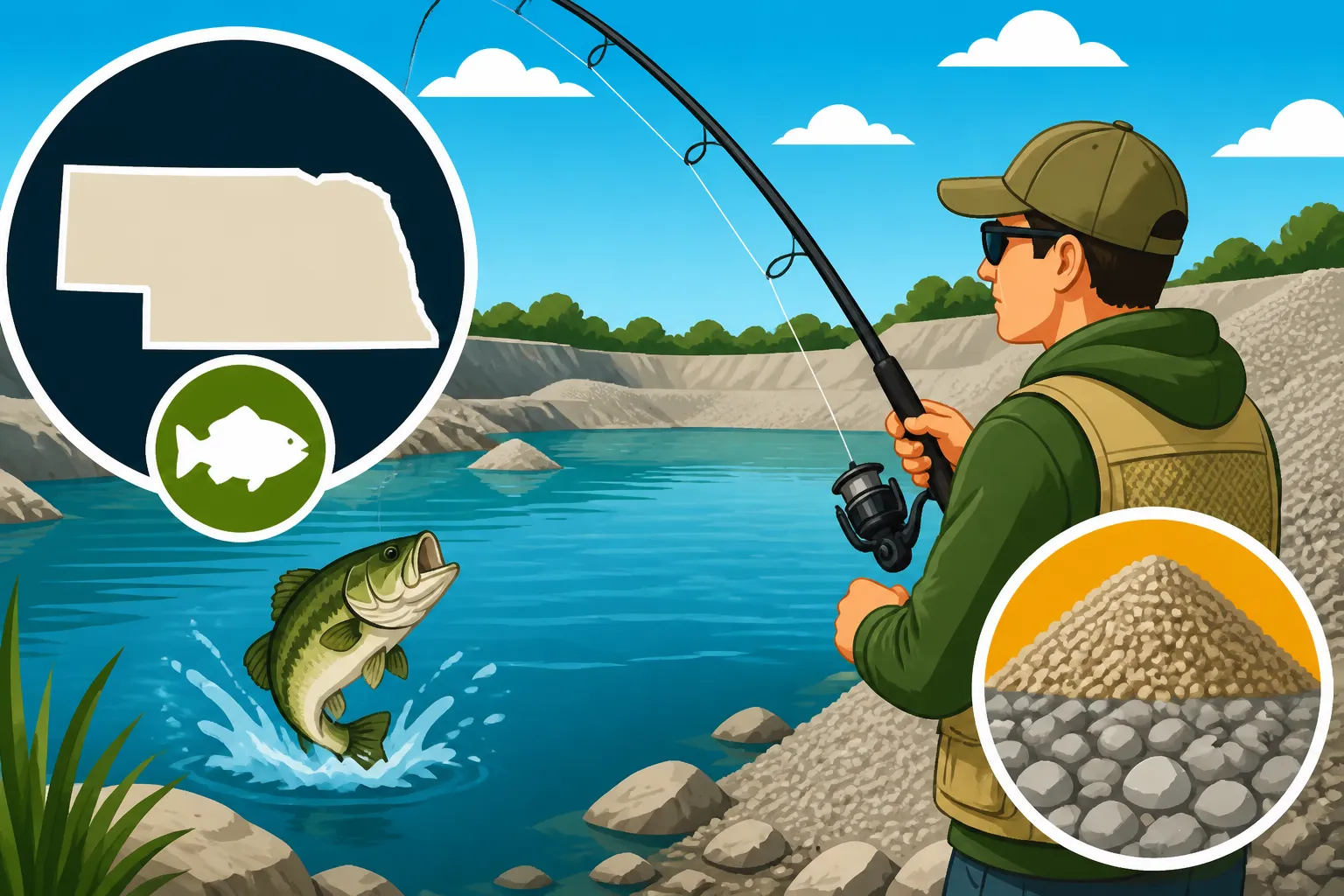
Before we dive into the nitty-gritty of regulations, let's chat about what sandpits and gravel pits actually are and why they're such a distinct part of Nebraska's fishing landscape. Unlike natural lakes formed by glaciers or rivers, these bodies of water are man-made, remnants of past aggregate mining operations. When companies extract sand and gravel for construction, they often dig down past the water table, and once mining ceases, these excavations fill with groundwater, creating ponds and small lakes.
What makes them so interesting for anglers is their incredible diversity. They can range from small, secluded ponds hidden off a county road to vast, multi-pit complexes like those found at the Fremont Lakes State Recreation Area Fishing or Louisville State Recreation Area Fishing. Because they're artificial, their depths, structures, and bottom compositions can vary wildly, sometimes even within the same pit. You might find steep drop-offs, submerged timber, or surprisingly clear water, all contributing to a varied aquatic habitat that supports a wide range of fish species. This makes them a bit of a mystery box sometimes, but that's also part of their charm!
Historically, many of these pits were simply left to nature, but the Nebraska Game and Parks Commission (NGPC), along with local entities and private landowners, has recognized their potential. Many have been intentionally stocked with popular game fish over the years, turning former industrial sites into thriving recreational havens. Others, especially those connected to river systems during floods, have naturally recruited fish, leading to unexpected populations of species you might not typically associate with such waters. It's truly fascinating how these industrial footprints have transformed into vibrant ecosystems for anglers seeking something a little different.
Essential Fishing Regulations Applicable to All Nebraska Waters
Even though sandpits and gravel pits feel unique, it's absolutely critical to remember that the vast majority of statewide fishing regulations still apply. This isn't like a free-for-all; the same rules that govern Lake McConaughy or the Platte River are your baseline here. The first and foremost requirement for anyone aged 16 or older is a valid Nebraska fishing license. If you're unsure about the specifics, our detailed Nebraska Fishing License Guide is an excellent resource to check out. Don't risk fishing without one; game wardens do patrol these areas, and the penalties can definitely put a damper on your day.
Beyond the basic license, you'll need to be intimately familiar with the broader Nebraska Fishing Regulations Explained. This includes understanding the specific seasons, daily bag, and possession limits for the species you're targeting. For example, if you're hoping to hook into some tasty crappie, you'll need to know the current Nebraska Crappie Daily Limit. The same goes for walleye, catfish, or bass – each has its own rules, and they can sometimes vary by water body. Always carry a copy of the current regulations booklet (or have the digital version on your phone) because it’s your definitive source for staying legal.
Don't forget about those crucial stamps, either. Many anglers overlook these, but they are generally required statewide for specific activities or to support vital conservation efforts. The Nebraska Aquatic Habitat Stamp Explained is a common one that typically accompanies your fishing license and helps fund projects that improve fish habitat across the state. Similarly, the Nebraska Aquatic Invasive Species Stamp is a relatively new but incredibly important requirement aimed at combating the spread of unwanted plants and animals that can devastate our waterways. These stamps are not optional extras; they're integral to your legal right to fish in Nebraska and contribute directly to the health of the very ecosystems you're enjoying. Ignoring them can be just as problematic as not having a license at all.
Specific Rules and Considerations for Fishing Sandpits and Gravel Pits
While general regulations form the foundation, fishing sandpits and gravel pits often involves specific nuances, primarily related to land ownership and access. This is where things can get a little tricky, and it's where many anglers inadvertently run into trouble.
Public vs. Private Access: Know Before You Go
The biggest hurdle with sandpits and gravel pits is often determining if they are public or private property. Many former mining operations are now part of Nebraska's State Recreation Areas (SRAs), like Two Rivers State Recreation Area Fishing or Louisville State Recreation Area Fishing. These are clearly marked, maintained by the state, and generally offer good public access, often with amenities like boat ramps, picnic areas, and restrooms. However, if you plan to visit a State Recreation Area, you'll likely need a park entry permit in addition to your fishing license. Don't forget to confirm: Do You Need a Park Entry Permit and a Fishing License in Nebraska?.
On the flip side, countless sandpits remain on privately owned land, either by individuals, farm operations, or active aggregate companies. Fishing these requires explicit permission from the landowner. Just because a "No Trespassing" sign isn't visible doesn't mean you have the right to fish. You might think, "Oh, it's just an old pit, no one cares," but landowners do care, and fishing without permission is trespassing, which carries legal consequences. Our guide on Do You Need a License to Fish on Private Land in Nebraska? elaborates on this crucial distinction. Always seek permission first; a polite knock on the door can save you a lot of hassle and potentially open up some fantastic, less-pressured fishing opportunities.
Boating and Gear Restrictions Unique to Pits
When it comes to getting out on the water, many sandpits and gravel pits are smaller and might have different rules than large reservoirs. While the general Nebraska Boat Registration and Fishing Rules apply to any motorized vessel, the use of kayaks, canoes, and small jon boats is very popular on these pits. It's a great way to explore the often-irregular shorelines and reach fish-holding structures that are inaccessible from the bank. However, remember that even kayaks may need to be registered depending on their length and propulsion. If you're pondering whether to register your paddle craft, a good place to start is our article, Do Kayaks Need to Be Registered in Nebraska?.
Furthermore, some pits might have specific restrictions on motor types (e.g., electric motors only, no gas motors) to preserve water quality or maintain quiet zones. Always check local signage or the Nebraska Game and Parks website for the specific SRA you're visiting. The number of fishing poles you can use is generally a statewide rule, often limited to two lines per angler, but always confirm the current Nebraska Rules on Number of Fishing Poles Per Angler to ensure you're not overdoing it. Using too many lines can lead to tangles and frustrated fellow anglers, even if it's legally permissible.
Access, Safety, and Environmental Responsibilities at Sandpits
Beyond the permits and fish limits, fishing sandpits and gravel pits comes with its own set of practical considerations around access, personal safety, and environmental stewardship. These aren't just rules; they're about being a responsible and smart angler.
Navigating Access Points and Terrain
Access to sandpits can sometimes be challenging. Public pits within SRAs usually have designated parking and clear paths, but even there, steep or soft banks can make shore fishing difficult, especially after rain. For private pits where you've secured permission, access might involve navigating uneven terrain, crossing pastures, or driving down unimproved tracks. Always assess the conditions before you commit, and if driving, make sure your vehicle can handle it. Nothing ruins a fishing trip faster than getting stuck!
When you do find a good spot, be mindful of erosion. Avoid driving or walking directly on fragile banks. Pack it in, pack it out—meaning any trash, fishing line, or bait containers you bring in must leave with you. We're all ambassadors for the sport, and leaving a mess not only disrespects the environment but can also lead to public access being revoked. Let's keep these unique spots pristine for everyone.
Prioritizing Personal Safety Around Water
Sandpits and gravel pits, due to their mining origins, often feature sudden, steep drop-offs and inconsistent depths. What looks like a shallow edge can quickly plunge to 20 or 30 feet deep. This poses a significant drowning risk, particularly for children or anyone unfamiliar with the area. Always wear a life jacket, especially if you're in a boat or wading in unfamiliar water. Even strong swimmers can be caught off guard by cold water shock or submerged obstacles. A good personal flotation device is a cheap investment, and you can find excellent options on Amazon from brands like Old Town or NRS.
The banks themselves can also be unstable. Years of erosion, especially during high water events, can create undercut banks that look solid but can collapse without warning. Stay a safe distance back from the edge, particularly if the ground feels soft or spongy. Furthermore, since these are often isolated areas, cell service might be spotty. Always let someone know where you're going and when you expect to return. Being prepared with a basic first-aid kit is also a wise move, as is being mindful of local wildlife, including snakes or other critters that might also enjoy the quiet solitude of these pits.
Protecting the Environment and Fish Health
A huge part of being a responsible angler is preventing the spread of aquatic invasive species (AIS). Sandpits, especially those connected to river systems, can be vectors for these unwanted guests like zebra mussels or Eurasian watermilfoil. Always Clean, Drain, Dry your boat, trailer, and all fishing gear after leaving any water body. This simple routine is your best defense against inadvertently transporting invaders to a new location. These species can outcompete native fish, damage infrastructure, and severely degrade fishing quality.
Beyond AIS, consider fish handling practices. If you're practicing catch and release, do your best to minimize stress on the fish. Use appropriate tackle, land fish quickly, and handle them gently with wet hands. In warmer months, water temperatures in shallow sandpits can become dangerously high, stressing fish, especially larger ones like the Nebraska Walleye Bag Limits or Nebraska Largemouth Bass Length Limit trophies you might be after. Consider focusing your fishing during cooler parts of the day or in deeper sections of the pit to give those fish a better chance of survival after release. Ultimately, respecting these unique aquatic environments ensures they remain vibrant fishing destinations for generations to come.
| Regulation Category | General Nebraska Rules (Applies to most Pits) | Specific Sandpit/Gravel Pit Considerations |
|---|---|---|
| Fishing License | Required for ages 16+ | Absolutely required, no exceptions |
| Aquatic Habitat Stamp | Required with fishing license | Required |
| Aquatic Invasive Species Stamp | Required for all motorized/trailered vessels | Required for specific boat types (check NGPC) |
| Daily Bag & Possession Limits | Statewide limits apply (e.g., Walleye, Crappie) | Check NGPC for any pit-specific length/bag limits |
| Boat Registration | Required for motorized boats, some kayaks/canoes | Confirm if your specific craft needs registration |
| Motor Restrictions | Generally unrestricted on large waters | Many pits are electric-only; check local rules |
| Private Land Access | Illegal to trespass without permission | Crucial: Always get explicit landowner permission |
| Public Land Access | State parks/SRAs require park entry permits | Often requires a park entry permit (e.g., Two Rivers SRA) |
| Number of Poles | Typically two per angler | Confirm statewide Nebraska Rules on Number of Fishing Poles Per Angler |
| Safety Concerns | Standard boating safety (PFDs) | Unstable banks, steep drop-offs, cold water shock |
| Environmental Concerns | Clean, Drain, Dry boats; leave no trace | High risk for AIS spread; fragile ecosystems |
Disclaimer
The information provided in this guide is for general informational purposes only and does not constitute legal advice. Fishing regulations in Nebraska can change frequently. While we strive to provide accurate and up-to-date information, it is the angler's sole responsibility to consult the most current Nebraska Game and Parks Commission fishing guide and regulations before engaging in any fishing activities. Always confirm specific rules, access requirements, and safety guidelines for the particular sandpit or gravel pit you plan to fish.