Nebraska Walleye Bag Limits
Navigating fishing regulations can sometimes feel like trying to untangle a stubborn bird's nest of fishing line – confusing, frustrating, and prone to headaches if you don't know where to start. Many of us just want to enjoy a peaceful day on the water, but the worry of accidentally breaking a rule can really put a damper on things, especially when it comes to coveted species like walleye. This comprehensive guide is here to untangle all that confusion, breaking down everything you need to know about Nebraska's walleye bag limits so you can fish with confidence and stay on the right side of the law.
Understanding Nebraska's Walleye Bag Limit System
The world of fishing regulations isn't designed to make your life harder, though it often feels that way. Instead, these rules, including walleye bag limits, are put in place with a crucial goal: to ensure that we have healthy, thriving fish populations for generations to come. It's a balancing act between allowing anglers to enjoy their sport and protecting the future of our fisheries.
Why Bag Limits Exist for Walleye
Think about it this way: walleye are one of Nebraska's most popular game fish, drawing anglers from all corners of the state and beyond. Their delicious fillets and challenging fight make them a prized catch. Without limits on how many we can take, it wouldn't take long for overfishing to decimate populations in many of our best walleye lakes and rivers. Bag limits, along with length limits, are critical tools that the Nebraska Game and Parks Commission (NGPC) uses to manage fish stocks, prevent overharvesting, and maintain a sustainable fishery. They help ensure that enough fish survive to reproduce, keeping the ecosystem balanced and allowing future generations of anglers to experience the thrill of a walleye on the line. It's all about responsible stewardship, so we can all continue to enjoy our beautiful waterways.
General Statewide Walleye Regulations
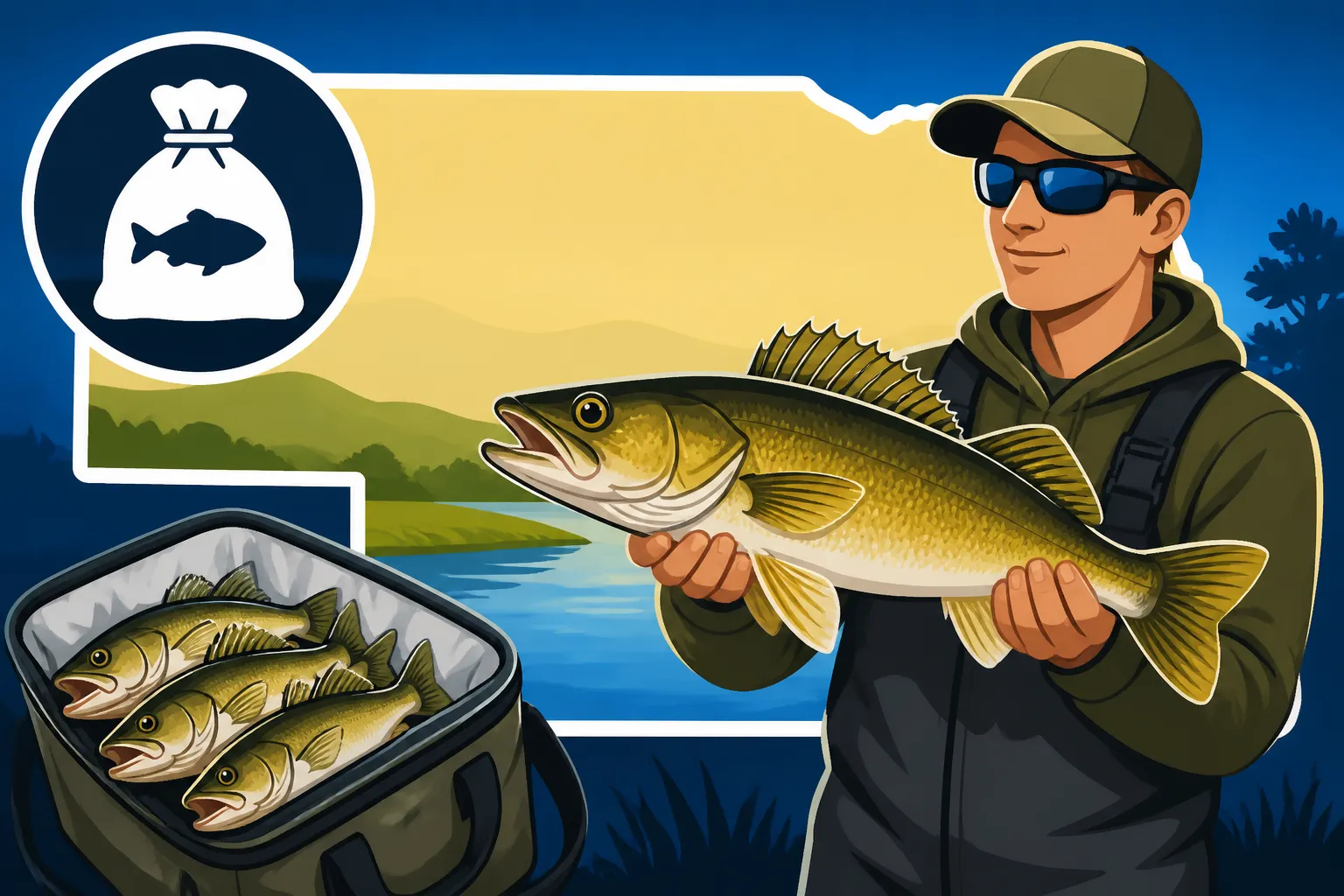
While specific lakes often have their own unique rules, which we'll dive into shortly, it's important to grasp the general statewide regulations for walleye in Nebraska first. These are the baseline rules that apply unless a specific body of water is explicitly listed with different provisions. For walleye, the standard statewide daily bag limit is typically four fish. This means that in any single calendar day, you can only keep four walleye that meet the legal size requirements.
Along with the daily bag limit, there's usually a statewide possession limit. This limit refers to the total number of fish you can have in your possession at any given time, whether they're in your livewell, cooler, freezer at home, or anywhere else. The statewide possession limit for walleye often doubles the daily bag limit, meaning eight walleye. However, this is a crucial detail that can change, so always double-check the current regulations before heading out. Knowing these general rules is your first step to staying legal and responsible on the water.
The Importance of Knowing the Rules for Specific Waters
Here's where things can get a little tricky, and where many anglers inadvertently run into trouble. While the statewide regulations provide a good baseline, many of Nebraska's premier walleye fisheries have special, more restrictive regulations tailored to their unique ecosystems and fish populations. These specific rules are absolutely vital to understand because they supersede the general statewide limits.
For example, a lake might have a different daily bag limit, or even a slot limit – meaning you can only keep fish within a certain size range, or perhaps only one fish over a certain trophy size. Ignoring these site-specific rules, even if you’re adhering to the statewide standard, can lead to fines and legal headaches. It’s imperative to consult the official Nebraska Fishing Guide for the specific body of water you plan to fish, checking it meticulously before each trip. A quick glance at the current regulations can save you a lot of grief and help protect the very fishery you're enjoying.
Decoding the Daily Bag and Possession Limits for Walleye
The distinction between daily bag limits and possession limits is one of the most common sources of confusion for anglers, and for good reason. It’s not always intuitive, especially if you’re planning a multi-day trip or have fish stored in various locations. Let’s break down what each means and how they apply to your walleye fishing adventures in Nebraska.
Daily Bag Limit vs. Possession Limit Explained
The "daily bag limit" is pretty straightforward: it's the maximum number of fish of a particular species you can legally harvest and keep in a single day, from midnight to midnight. So, if the daily bag limit for walleye is four, you can catch and keep four legal-sized walleye within that 24-hour period. Once you've reached that number, any additional walleye you catch must be immediately released unharmed, even if you decide to go back out later the same day.
The "possession limit," on the other hand, is the total number of fish of a given species that you can have in your physical control or storage at any time. This includes fish in your cooler, your livewell, your vehicle, your freezer at home, or any other location. For many species, including walleye, the possession limit is often twice the daily bag limit. So, if the daily bag is four, the possession limit might be eight. This allows anglers on extended trips to accumulate fish over multiple days, but only up to that possession limit. For instance, if you fish two days with a four-fish daily limit, you can have up to eight fish total by the end of your second day. Once you hit the possession limit, you cannot harvest any more fish until you've reduced your possession total, for example, by eating some of your catch. Understanding this crucial difference is key to staying compliant. You can find more details on these concepts in the Nebraska Fishing Daily Bag and Possession Limits guide.
Common Scenarios: What You Can Keep and Transport
Let's walk through a couple of common scenarios to illustrate how these limits work in practice. Imagine you're spending a long weekend at a popular spot like Lake McConaughy. If the daily bag limit is four walleye and the possession limit is eight:
- Day 1: You fish hard and catch four legal walleye. You put them on ice. Your daily bag is met, and your possession count is four.
- Day 2: You go out again. You can catch another four legal walleye. At the end of Day 2, you now have eight walleye in your cooler. Your daily bag for Day 2 is met, and your possession limit (eight fish) is now also met.
- Day 3: You want to fish again. Because you are at your possession limit of eight walleye, you cannot keep any more walleye. Any walleye you catch on Day 3 must be immediately released, regardless of size, until your possession count is reduced (e.g., by cooking and eating some of your fish from the previous days).
This applies whether you're transporting them home or just moving them from your boat to your cabin. Always make sure your fish are kept in a condition that allows for species identification and counting. Don't fillet your fish until you've reached your final destination, as this can make it impossible for a conservation officer to verify species and length limits, potentially leading to fines. Packing a good cooler, easily found on sites like Amazon, is essential for keeping your catch fresh and identifiable.
Penalties for Exceeding Walleye Limits
Let's be realistic: nobody wants to get a ticket while enjoying a hobby. But exceeding walleye limits in Nebraska, whether it's the daily bag or the possession limit, can lead to some pretty significant penalties. Conservation officers take these regulations seriously because they are vital for managing our precious natural resources. The exact penalties can vary depending on the severity of the violation, the number of fish over the limit, and whether it's a first offense or a repeat issue.
Typically, you're looking at fines that can range from a couple of hundred dollars per offense, potentially increasing with each additional fish over the limit. In some cases, especially for egregious or repeat violations, you could also face court appearances, confiscation of your catch, and even the suspension of your fishing privileges for a period of time. Imagine losing your ability to fish for a year or more – it's a harsh reality that can come from a simple oversight. The best way to avoid these unpleasant consequences is to always know the rules, count your fish carefully, and when in doubt, practice catch and release. For a deeper understanding of the legal repercussions, check out our guide on Nebraska Fishing Violation Penalties.
Specific Walleye Regulations on Key Nebraska Waters
Nebraska is blessed with a diverse array of fishing opportunities, and many of our top walleye lakes and reservoirs have very specific regulations designed to optimize their unique fisheries. These aren't just arbitrary rules; they're carefully crafted management strategies based on scientific data, angler feedback, and the specific dynamics of each body of water.
Lake McConaughy and Lake Ogallala Special Rules
When you talk about walleye in Nebraska, Lake McConaughy often comes up first, and for good reason. "Big Mac" is a true walleye factory, but its vastness and popularity also necessitate specific rules. While general statewide limits might apply in some cases, Lake McConaughy and its outflow lake, Lake Ogallala, frequently have unique regulations to protect their valuable walleye populations.
For instance, at times, Lake McConaughy might have a reduced daily bag limit (e.g., two or three walleye instead of four), or a protected slot limit (e.g., no walleye between 16 and 22 inches can be kept, but you can keep fish under 16 inches and one over 22 inches). These slot limits are designed to protect the breeding-sized fish, allowing them to reproduce and sustain the fishery. Lake Ogallala, being a cold-water trout fishery below the dam, might also have unique rules or be entirely catch-and-release for walleye to prioritize trout management. Always check the current NGPC regulations booklet or the Lake McConaughy Walleye Fishing guide before you head out to these iconic waters to ensure you're compliant.
Merritt Reservoir Walleye Management
Merritt Reservoir, nestled in the beautiful Sandhills, is another prime walleye destination in Nebraska. Known for its clear waters and robust fish populations, Merritt is often under specific management strategies to maintain its quality fishing. Like Lake McConaughy, Merritt Reservoir has been known to implement length limits or slot limits to protect different year classes of walleye.
The goal here is often to allow younger fish to grow into larger, more productive spawners, while also providing anglers with opportunities to harvest smaller "eater" fish and occasionally a trophy. These regulations can change year by year based on population surveys and angler harvest data. So, what was true last season might not be true this season. Before you pack your bags and head to Merritt, make sure you've consulted the most recent fishing guide. Our Merritt Reservoir Walleye Fishing article offers additional insights specific to this fantastic fishery.
Other Popular Walleye Fisheries: Branched Oak, Lewis and Clark, Harlan County
It's not just the big-name lakes that have special walleye regulations. Many other popular fishing spots across Nebraska, each with their own unique characteristics, might also have specific rules.
- Branched Oak Lake, near Lincoln, is a well-regarded walleye fishery, and its management might involve length limits to encourage the growth of larger fish. Given its proximity to a major metropolitan area, angling pressure can be significant, prompting careful regulation.
- Lewis and Clark Lake, on the border with South Dakota, presents its own set of complexities, as it's often governed by reciprocal agreements and specific regulations that might differ from solely Nebraska waters. Its expansive nature and shared management mean checking the rules for this specific body of water is paramount. You can learn more about this area in the Lewis and Clark Lake Walleye Fishing guide.
- Harlan County Reservoir, in south-central Nebraska, is another huge body of water known for its walleye. Like its larger counterparts, Harlan often has regulations tailored to its specific population dynamics to ensure a sustainable harvest for the many anglers who frequent its shores.
The bottom line is this: never assume the statewide regulations apply. Always, and I mean always, verify the specific rules for the lake, reservoir, or river you're planning to fish. This proactive approach is the hallmark of a responsible and successful angler.
Length Limits and Slot Limits for Walleye in Nebraska
Beyond the simple count of how many fish you can keep, Nebraska also utilizes length and slot limits for walleye. These aren't just extra hurdles; they're sophisticated tools designed to fine-tune population management, ensuring a healthy age structure and maximizing the potential for trophy fish.
How Length Limits Protect Walleye Populations
Length limits are pretty straightforward: they specify a minimum (and sometimes maximum) size a fish must be to be legally harvested. For walleye, a common minimum length limit might be 15 inches. This means any walleye you catch that measures less than 15 inches must be immediately released back into the water, regardless of whether you've met your daily bag limit.
The science behind this is solid: by protecting smaller fish, these regulations allow them to grow to maturity and, critically, to spawn at least once, or multiple times, before they become eligible for harvest. This directly contributes to the reproductive success of the population, ensuring a continuous supply of young walleye for future years. It's an investment in the fishery's future, ensuring that the next generation of anglers has plenty of fish to pursue. Our Nebraska Walleye Minimum Length Limit article goes into more detail on this topic.
Navigating Slot Limits: Keepers and Toss-Backs
Slot limits are a bit more nuanced than a simple minimum length. They define a "slot" – a specific range of lengths – within which fish cannot be kept, while allowing harvest of fish both below and above that slot (with certain restrictions). For example, a common walleye slot limit might be "no harvest of walleye between 18 and 22 inches, with one fish over 22 inches allowed in the daily bag."
This type of regulation aims to achieve several goals simultaneously:
- Protecting Spawners: The "slot" (e.g., 18-22 inches) often targets the prime breeding-sized fish, allowing them to continue reproducing.
- Harvesting Smaller Fish: It permits anglers to keep smaller, younger fish (under 18 inches in this example), which helps manage population density and provides plenty of good eating fish.
- Allowing Trophy Opportunities: By permitting one fish over the slot (e.g., over 22 inches), it still gives anglers the chance to take a true trophy walleye, adding excitement and rewarding patience.
Navigating a slot limit requires careful measurement and adherence. It’s a bit like a puzzle, but once you understand it, it makes perfect sense for ensuring a balanced fishery. It's critical to know if a specific water body has a slot limit, as these can drastically change what you can and cannot keep. For questions like, Can You Keep a Walleye Over 22 Inches in Nebraska?, the answer depends entirely on whether a slot limit is in place for that specific body of water.
Measuring Your Walleye Correctly
Accurate measurement is non-negotiable when dealing with length and slot limits. A few simple tips can help ensure you're always on the right side of the law and accurately assessing your catch:
- Use a Reliable Measuring Device: A rigid measuring board is far more accurate than a flexible tape measure, especially on a squirming fish. Many anglers mark their boat or use a dedicated bump board. You can find excellent options for these on Amazon.
- Measure Total Length: In Nebraska, fish length is almost always measured as "total length." This means you lay the fish flat, with its mouth closed and touching a bump board or flat surface, and measure to the tip of the tail, squeezed together (not fanned out).
- Measure Immediately: Don't wait. As soon as you catch a walleye you think might be a keeper, measure it. If it doesn't meet the requirements or falls into a protected slot, release it quickly and gently.
- Know Your Species: Make sure you're identifying your fish correctly. Walleye can sometimes be confused with sauger or saugeye, which may have different length limits. A good fish identification guide (even a laminated one for your tackle box) can be a real lifesaver.
Always err on the side of caution. If a fish is borderline, or if you're unsure of the exact measurement, it's always best to release it. A moment of doubt is not worth the potential fine.
Where to Find the Most Up-to-Date Walleye Regulations
With regulations sometimes changing year to year, or even within a season for specific waters, knowing where to find the absolute latest information is paramount. Relying on outdated printouts or word-of-mouth from a buddy can lead you down the wrong path.
The Official Nebraska Game and Parks Commission Resources
Your absolute go-to source for all Nebraska fishing regulations, including walleye bag limits, is the Nebraska Game and Parks Commission (NGPC). They publish a comprehensive annual fishing guide, which is the official word on all things legal in Nebraska's waters.
You can usually pick up a physical copy of this guide wherever you buy your Nebraska Fishing License Guide – bait shops, sporting goods stores, and even some convenience stores. However, the most current version is always available digitally on the NGPC's official website. I highly recommend downloading a PDF copy to your phone or tablet. This way, you always have it with you, even if you lose cell signal on the lake. It's often the first place conservation officers will point you to if you have questions, and it's what they use to enforce the rules. Make it a habit to review it at the start of every fishing season, and specifically check the sections for any lakes you plan to visit.
Leveraging Online Tools and Apps (e.g., GoOutdoorsNE)
In today's digital age, staying informed is easier than ever. The NGPC has done a great job of modernizing access to information, and one of their most useful tools is the GoOutdoorsNE system. While primarily used for purchasing permits like your Nebraska Annual Fishing Permit or the Nebraska Aquatic Habitat Stamp Explained, it also serves as a portal for accessing current regulations.
There's often a dedicated section on their website or within their associated mobile app where you can view the most recent fishing guide. Many state wildlife agencies, including Nebraska, are moving towards integrated apps that not only store your digital license but also provide quick access to regulations. This can be incredibly convenient when you're on the water and need to double-check a specific rule about, say, Nebraska Walleye Daily Bag Limit. Keep an eye out for updates to these tools, as they are often the quickest way to get official information right at your fingertips.
Asking the Experts: Local Bait Shops and Game Wardens
While the official publications are your primary source, sometimes you just need a quick clarification or some local insight. This is where your local bait shop can be an invaluable resource. The folks working at places like Cabela's, Scheels, or even small mom-and-pop bait shops live and breathe fishing. They are usually very knowledgeable about the specific regulations for the local lakes and rivers in their area, and they often know about recent changes or special conditions. They're often happy to help, and their local expertise can be extremely helpful, not just for regulations, but for hot fishing tips too!
Another excellent resource, especially if you have a very specific or complex question, is a Nebraska Game and Parks conservation officer. You can often find their contact information in the fishing guide or on the NGPC website. They are there to help educate anglers and enforce the rules, so don't be shy about reaching out if you're genuinely unsure. They'd much rather you ask a question beforehand than inadvertently break a rule. Just remember, while local advice is great, always cross-reference it with the official NGPC regulations if there's any doubt.
Best Practices for Ethical Walleye Angling
Beyond just knowing the rules, being an ethical angler means understanding the spirit of conservation behind those rules. It's about respecting the fish, the environment, and your fellow anglers. Especially when dealing with popular species like walleye, our actions on the water have a direct impact.
Handling and Releasing Walleye Safely
Even if you're planning to keep a walleye within the legal limits, you'll undoubtedly catch many that you need to release – either because they're too small, too big (if there's a slot limit), or you've simply met your bag. How you handle those fish dramatically affects their survival rate.
Here are some crucial tips for safe release:
- Minimize Handling Time: The less time a fish is out of the water, the better. Have your measuring board, camera (if you plan a quick photo), and hook removers ready before you even net the fish.
- Wet Your Hands: Always wet your hands before touching a fish. Dry hands can remove the protective slime coat, making the fish susceptible to disease.
- Support the Fish: If possible, support the fish horizontally, especially larger ones. Avoid holding them vertically by the jaw or tail alone, which can damage internal organs or the spine.
- Use Barbless Hooks or De-barb: Crushing the barbs on your hooks makes removal much easier and less damaging to the fish. Many competitive tournaments even require barbless hooks for this reason.
- Use Pliers or Forceps: Don't try to rip a deeply hooked fish free. Use long-nose pliers or hemostats to carefully remove the hook. If the hook is too deep, cut the line as close to the hook as possible; the hook will often rust out.
- Revive If Necessary: If a walleye looks sluggish after a fight, hold it gently in the water, facing into the current, allowing water to flow over its gills until it swims away under its own power.
By following these simple practices, you give those released walleye the best possible chance of survival, ensuring they can grow larger and spawn for future generations. Check out Catch and Release Best Practices in Nebraska for more comprehensive advice.
Understanding the Impact of Overharvesting
The regulations regarding walleye bag limits aren't just arbitrary numbers; they are a direct response to the potential for overharvesting. When too many fish are removed from a population too quickly, it can lead to a cascade of negative effects:
- Reduced Fish Size: If all the larger, mature fish are removed, the average size of fish in the population will shrink.
- Fewer Spawners: Overharvesting of prime breeding-sized fish directly impacts the reproductive capacity of the entire population, leading to fewer young fish in subsequent years.
- Ecosystem Imbalance: Walleye are predators, and their absence or reduced numbers can throw off the balance of prey species, affecting the entire aquatic ecosystem.
- Declining Fishing Quality: Ultimately, overharvesting leads to fewer bites, smaller fish, and a generally diminished fishing experience for everyone.
Every fish we choose to keep or release contributes to the health of the fishery. By sticking to the bag limits, we're actively participating in the sustainable management of Nebraska's walleye resources. It’s a collective responsibility that ensures we can all continue to enjoy this incredible sport.
Supporting Conservation Efforts
Being an ethical angler extends beyond just obeying the rules; it also involves actively supporting the conservation efforts that make our fishing possible. The Nebraska Game and Parks Commission relies on funding from fishing license sales and excise taxes on fishing equipment (through the Dingell-Johnson Act) to conduct research, manage fish stocking programs, improve aquatic habitats, and enforce regulations.
Here are a few ways you can contribute:
- Buy Your License: Always purchase your Nebraska Fishing License Costs and Types and any required stamps, like the Aquatic Habitat Stamp. These funds directly support fisheries management.
- Report Violations: If you witness someone clearly and knowingly violating fishing regulations (like taking grossly over the limit), don't hesitate to report it to the NGPC. You can usually find a hotline number in the fishing guide or on the website. This helps protect the resource for everyone. Learn how to do this responsibly with our How to Report a Fishing Violation in Nebraska guide.
- Participate in Surveys: If you're asked to participate in angler creel surveys on the water, take a few moments to provide accurate information. This data is crucial for fisheries biologists to assess populations and make informed management decisions.
- Practice "Leave No Trace": Pack out everything you pack in. Don't leave trash, discarded fishing line, or any other debris on the shore or in the water.
By embracing these practices, we all become better stewards of Nebraska's incredible fishing heritage. It’s about ensuring that the next time you cast a line for walleye, the waters are still teeming with healthy, thriving fish.
Disclaimer
Please remember that fishing regulations are subject to change. While this guide provides comprehensive information, always consult the most current official Nebraska Game and Parks Commission Fishing Guide before you head out on the water. It is your responsibility to know and abide by all applicable rules and regulations.