Best Nebraska Farm Pond Fishing Access
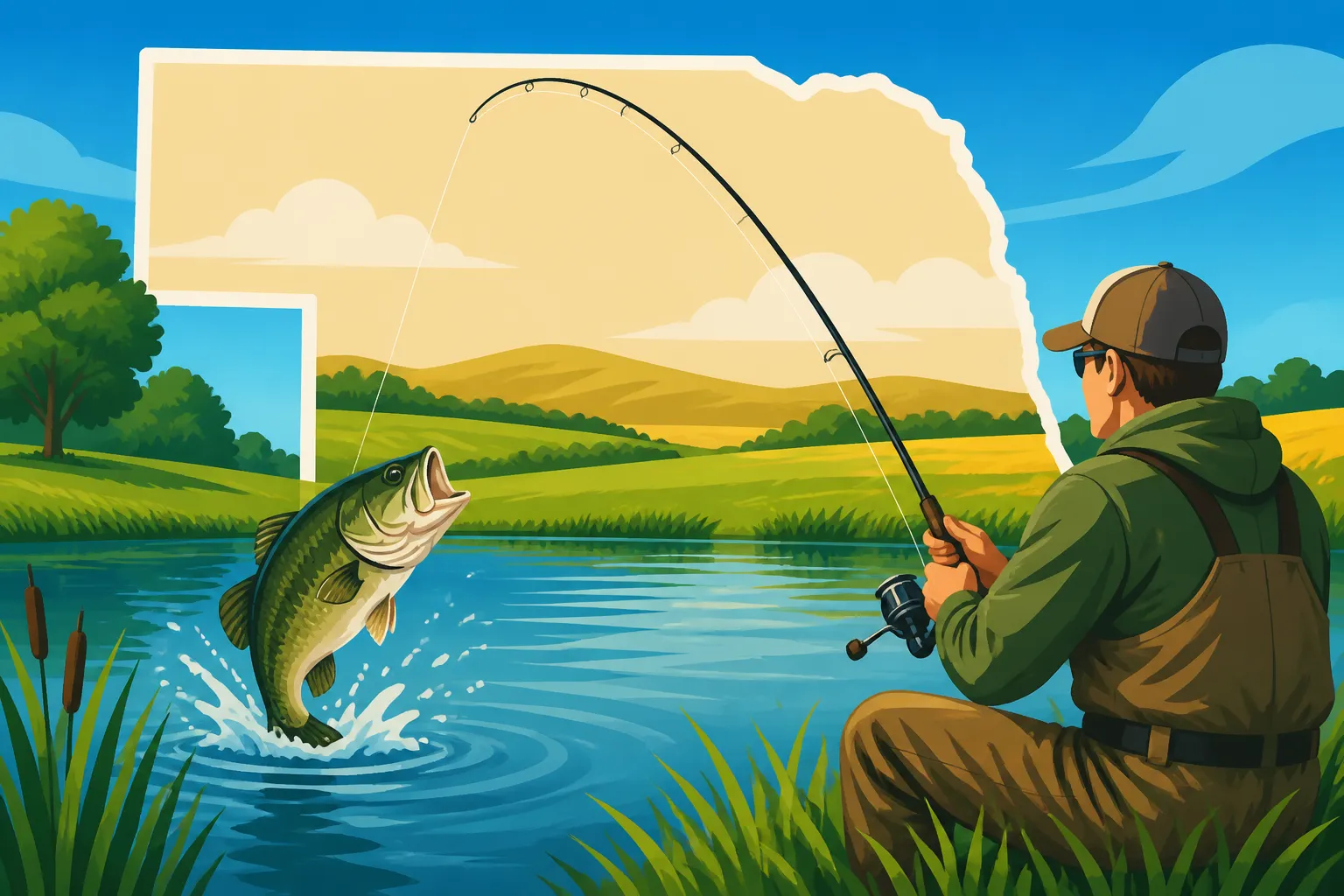
Oh, the Nebraska farm pond. It's almost a mythical place for many anglers, isn't it? You drive by them, seeing those shimmering surfaces behind private fences, and your mind just races with thoughts of unpressured bass, fat bluegill, and maybe even a surprise catfish. But then the frustration sets in: how on earth do you actually get to fish them? It feels like an impossible dream sometimes. Well, you're in the right place, because this guide is all about demystifying farm pond fishing in Nebraska, focusing on how to gain access and make the most of these incredible, often overlooked, honey holes.
The Undeniable Allure of Nebraska Farm Ponds
There’s a special kind of magic that surrounds a good farm pond, especially here in Nebraska. While our reservoirs and rivers certainly offer fantastic fishing, farm ponds present a unique opportunity that often feels more personal, more adventurous, and frankly, less crowded. It’s not just about the fish; it’s about the experience.
Why Ponds Offer a Different Kind of Fishing Adventure
Think about it: when was the last time you had a whole body of water, even a small one, practically to yourself? That's the dream of a farm pond. These smaller, more intimate waters rarely see the kind of fishing pressure that popular public lakes do. This means the fish, particularly species like largemouth bass and bluegill, are often less wary and more willing to bite. You might find yourself casting to fish that haven't seen a lure in weeks, or even months, leading to some truly memorable catches. The calm, often secluded atmosphere of a farm pond also offers a chance to disconnect from the hustle and bustle, allowing you to focus purely on the cast, the retrieve, and the subtle tug of a fish. It’s fishing therapy at its finest.
The Bountiful Species Hiding in Farm Ponds
While large public waters boast a wide array of species, Nebraska farm ponds often specialize, providing phenomenal opportunities for a few key players. Largemouth bass are typically the kings and queens of the pond, growing surprisingly large in these nutrient-rich environments. Bluegill and other sunfish thrive, offering fast action and excellent table fare, perfect for introducing kids to fishing. You might also find channel catfish, which are often stocked and can reach impressive sizes, especially in older, well-managed ponds. Every now and then, you might even stumble upon a pond with crappie or even a rogue Northern Pike. It's always an exciting surprise to see what's lurking beneath the surface, making each new pond a unique exploration. If you're wondering how to maximize your chances, diving into specific techniques like those outlined in our guide on How to Catch Largemouth Bass in Farm Ponds can be incredibly helpful.
Navigating Access: The Permission Predicament
This is, without a doubt, the biggest hurdle for most anglers eyeing those private ponds. It’s the elephant in the room, the locked gate, the "No Trespassing" sign that can feel like a personal affront. But getting permission isn't impossible; it just requires a different approach than heading to a state park.
The Art of Respectful Request
The most straightforward way to gain access is to simply ask. It sounds simple, but many people shy away from it. This isn't about being pushy or entitled; it's about being respectful and understanding. Approach landowners with courtesy and a genuine interest in their property. Start by finding out who owns the land—county assessor's websites are a good, publicly available resource for this. When you approach, whether in person or by phone, be polite, introduce yourself clearly, and state your purpose directly. Explain that you’re a responsible angler who appreciates the beauty of their land and would be grateful for the opportunity to fish their pond. Emphasize that you will leave no trace, respect their property, and adhere to any rules they set. You'd be surprised how often a genuine, polite request can open doors, or in this case, gates. Remember, many landowners are proud of their property and might even enjoy sharing it with someone who appreciates it. Our article on Nebraska Fishing Rules for Farm Ponds and Private Lakes goes into even more detail about what to consider once you've secured permission.
Building Relationships and Earning Trust
Getting access isn't usually a one-and-done deal. It's about building a relationship. If you're granted permission, make absolutely sure you uphold your end of the bargain. Leave the area cleaner than you found it, close all gates, drive only on designated paths, and don't overstay your welcome. Offer to share some of your catch, or even better, offer a small token of appreciation for their generosity—a gift card to a local store, a basket of baked goods, or even just a handwritten thank-you note. These small gestures go a long way in solidifying trust and ensuring future invitations. Consider it an investment in your fishing future. Sometimes, local bait shops or even online resources like FishingBooker, which connects anglers with guides, might offer insights or even guided trips on private waters if you're looking for a more structured approach to pond fishing. While it's not always about private pond access, connecting with local experts can sometimes lead to unexpected opportunities.
Identifying Prime Farm Pond Fishing Opportunities
Not all ponds are created equal, and knowing what to look for can save you a lot of time and effort. There are certain characteristics that tend to indicate a healthier, more productive pond.
Characteristics of a Productive Pond
When you're scouting or driving by, keep an eye out for a few key features. A pond with some variety in depth, rather than a uniformly shallow basin, tends to hold fish better, especially during temperature extremes. Look for submerged structures like fallen trees, brush piles, or even old farm equipment—these are magnets for bass and crappie. Aquatic vegetation, in moderation, is also a good sign, providing cover for baitfish and predators alike, but too much can indicate an unhealthy pond. Clear to slightly stained water is generally preferred over heavily turbid or excessively murky water. Also, ponds that are fed by a spring or stream often have better water quality and more consistent levels. A well-maintained shoreline, free of excessive erosion, can also be a subtle indicator that the landowner takes pride in their property, which might extend to their pond.
Common Fish Species to Target
As mentioned, largemouth bass are a primary target in most Nebraska farm ponds. They thrive in these confined environments and can grow quite large due to ample food sources and less fishing pressure. For techniques, many anglers find success with plastic worms, spinnerbaits, and topwater lures fished around cover. Bluegill and other panfish are almost universally present and provide fantastic action, especially for kids. Small jigs, worms under a bobber, or even a simple piece of bread can be irresistible to them. If you’re targeting panfish, our guide to the Best Bait for Bluegill and Sunfish will give you plenty of ideas. Channel catfish are also common, often stocked for sport or food. They'll readily take stink baits, cut bait, or even chicken liver fished on the bottom. Occasionally, you might find ponds stocked with crappie, which love brush piles and submerged timber.
Here's a quick reference for common farm pond species and their typical preferences:
| Species | Preferred Habitat | Best Baits/Lures | Notes |
|---|---|---|---|
| Largemouth Bass | Weeds, submerged timber, drops | Plastic worms, spinnerbaits, crankbaits | Aggressive, often trophy-sized in unpressured ponds. |
| Bluegill/Sunfish | Shallow weeds, docks, brush | Worms, small jigs, crickets, bread | Excellent for kids, high numbers, great eating. |
| Channel Catfish | Deeper holes, structure, mud | Stink baits, cut bait, chicken liver | Can grow large, strong fighters. |
| Black/White Crappie | Brush piles, fallen trees, docks | Small jigs, minnows, tiny crankbaits | Schooling fish, excellent eating, often seasonal. |
Gear and Techniques for Farm Pond Success
You don't always need specialized, high-end gear to have a blast on a farm pond. In fact, simpler setups often work best for these intimate waters. The key is to be adaptable and efficient.
Optimal Tackle for Pond Fishing
For bass, a medium-action spinning or baitcasting rod, about 6 to 7 feet long, spooled with 8-12 pound monofilament or fluorocarbon line, or even braided line for heavier cover, is usually perfect. This setup gives you enough backbone to handle a good-sized largemouth but is still light enough for accurate casting in tighter spots. For bluegill and other panfish, ultralight spinning gear with 2-4 pound monofilament is ideal. A lightweight rod, around 5-6 feet, allows for precise casting of tiny jigs and baits. If you're looking for a versatile setup, a Best Rod and Reel Combo for Beginners in Nebraska often works wonders for general pond fishing. For catfish, a medium-heavy rod with a baitcasting or heavy spinning reel, spooled with 15-20 pound test line, will handle anything a farm pond can throw at you.
Stealth, Precision, and Presentation
Unlike larger lakes where you might be able to get away with a bit more noise, farm pond fish can be incredibly wary. Stealth is your best friend. Approach the water quietly, avoid heavy footsteps on the bank, and keep a low profile. Long casts away from the bank are often more productive, as fish in shallower ponds are more easily spooked. Precision casting is also crucial, especially when targeting specific cover like a log or a patch of weeds. Finesse techniques often outperform aggressive retrieves. Slow, methodical presentations with plastic worms or jigs, or letting a bobber sit still with a live worm, can be deadly effective. Remember, you're often fishing in a smaller, more confined space, so a natural presentation that doesn't scream "predator!" is key. Even something as simple as adjusting your approach, as detailed in our guide on Best Time of Year to Catch Bass in Farm Ponds During Summer, can make a huge difference.
Etiquette and Conservation on Private Ponds
Once you’ve earned the privilege of fishing a private farm pond, it’s not just about catching fish. It’s about being a responsible steward and a grateful guest. Your actions will directly impact your ability to return and potentially the access of other anglers in the future.
Leaving No Trace Behind
This is paramount. When you visit a private pond, the goal is to leave it in the exact same condition, or even better, than you found it. This means packing out everything you pack in – and I mean everything. No discarded fishing line, no bait containers, no empty water bottles, no food wrappers, and certainly no cigarette butts. Even biodegradable items should be packed out, as they still represent litter to the landowner. If you see trash that wasn't yours, consider taking it with you. These simple acts of respect demonstrate your appreciation and responsibility. It shows the landowner that their trust in you was well-placed, making them much more likely to welcome you back.
Practicing Responsible Angling
Responsible angling goes beyond just picking up your trash. It includes understanding and adhering to the Nebraska fishing regulations, even on private property. While some bag limits and length limits might be flexible if the landowner gives explicit permission (always clarify this!), it's generally best to fish within established guidelines, especially for any fish you plan to keep. For instance, knowing the Nebraska Fishing Daily Bag and Possession Limits is always a good idea. Consider practicing catch and release, particularly for larger bass that serve as the breeding stock, unless you've specifically discussed keeping them with the landowner. Use proper fish handling techniques to ensure released fish have the best chance of survival. Avoid introducing any live bait from other bodies of water into a farm pond, as this can inadvertently introduce aquatic invasive species, which is a serious concern for landowners. Be mindful of the surrounding area – avoid trampling crops or disturbing livestock. If you brought a vehicle, park it where instructed, or in a way that doesn’t impede farm operations. These considerations not only show respect but also contribute to the long-term health of the pond's ecosystem.
Beyond the Farm Gate: Public Pond Alternatives
While the allure of private farm ponds is strong, it's not always feasible to gain access. But don't despair! Nebraska offers a wealth of public pond fishing opportunities that are easily accessible and often very productive. You might not get the solitude of a private pond, but you'll still find fantastic action.
Urban Ponds and State Recreation Areas
Many cities and towns across Nebraska participate in the Nebraska Urban Fishing Program, which actively stocks ponds within city limits with various species, including trout, catfish, and panfish. These ponds are designed for easy access, often featuring fishing piers, paved trails, and ample parking. They are fantastic options for a quick fishing trip after work or for introducing kids to the sport. Places like Holmes Lake in Lincoln or Zorinsky Lake in Omaha are popular examples, but there are many smaller ones as well. For those looking for something a bit more expansive, Nebraska's State Recreation Areas (SRAs) and State Parks often feature numerous ponds and smaller lakes that are open to public fishing. These can range from small, quiet waters to larger bodies like those found at Fremont Lakes State Recreation Area. Always remember that a valid Nebraska Fishing License is required for these public spots.
Understanding Public Access Points
When fishing public ponds, whether urban or within an SRA, pay attention to designated access points. Stick to marked trails, fishing piers, and boat launches. While many public ponds allow shore fishing, some areas might be restricted for habitat protection or safety. Utilizing resources like the Nebraska Game and Parks Commission website or local park maps can help you identify prime fishing locations and ensure you're fishing legally and safely. For instance, you can often find information on Nebraska Urban Fishing Program Stocked Ponds Near Me, detailing stocking schedules and species available. These public ponds, while sometimes busier, offer consistent fishing opportunities and are a fantastic way to enjoy the sport when private access isn't available.
Disclaimer
Please remember that fishing regulations and access rules can change. Always check the latest Nebraska Game and Parks Commission regulations before heading out. Respect private property and always obtain permission before fishing on private land. This guide is for informational purposes and does not guarantee access or specific fishing results.