Best Nebraska Waters for Trophy Walleye
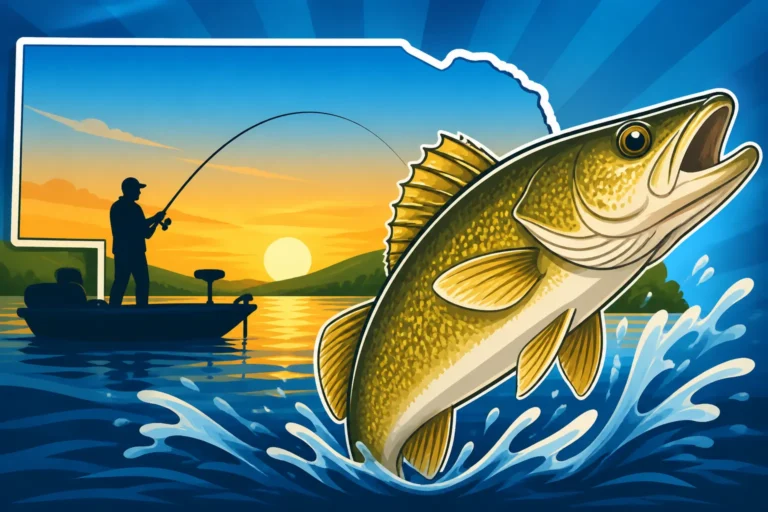
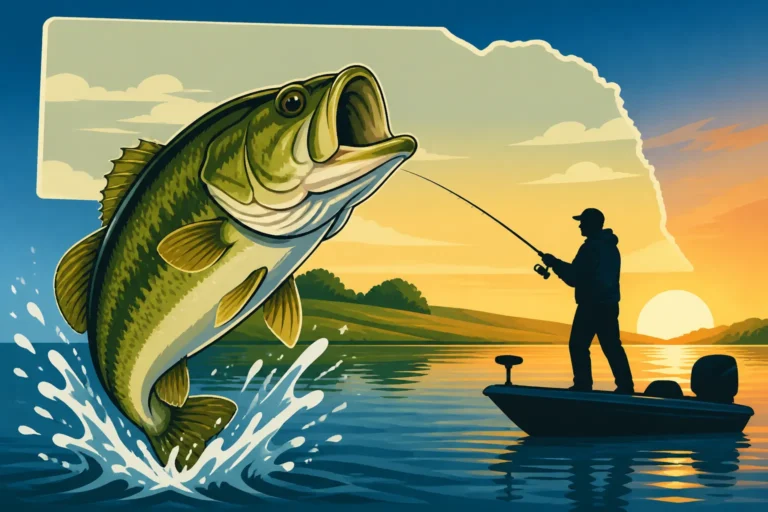
There's a special kind of challenge that gets into your blood when you're a serious angler: the hunt for a true trophy walleye. It's not about just catching any walleye; it's about that elusive giant that pushes the scales and tests your skills. If you've spent countless hours on the water in Nebraska, you know the frustration of chasing these impressive fish, especially when everyone seems to have a secret spot. This comprehensive guide is dedicated to helping you unlock the secrets of Nebraska's best waters for landing that bucket-list walleye, diving deep into where they live and how to trick them onto your line.
What Defines a "Trophy" Walleye in Nebraska?
Before we dive into the fishing holes, let's talk about what we mean by a "trophy" walleye here in the Cornhusker State. It's easy to get caught up in state records, but for most of us, a personal best that truly stands out is what we're after. That said, Nebraska does produce some incredible fish, and understanding what makes a walleye a true lunker in our waters sets the stage for your pursuit.
Understanding Nebraska's Walleye Landscape
Nebraska's walleye fishery is incredibly diverse, spanning huge reservoirs, smaller lakes, and river systems. While many anglers are thrilled with a solid 18-22 inch "eater" walleye, a true trophy is usually in a different league entirely. We're generally talking about fish that push well over 25 inches, and ideally, crack the 8-pound mark, with some exceptional specimens reaching into the double digits. The current Nebraska State Record Walleye Weight and Location stands at an astounding 16 pounds, 2 ounces, a testament to the potential lurking in our waters, though catching one like that is certainly a once-in-a-lifetime feat. It’s a real challenge, as these giants are often solitary and incredibly smart, having survived countless attempts from other anglers.
The Factors That Grow Big Walleye
So, what makes a walleye grow to such impressive proportions in Nebraska? It's not by accident, that's for sure. A few critical factors contribute to the development of these lunkers:
- Abundant Forage: This is perhaps the most crucial element. Lakes with a healthy population of gizzard shad, alewives, or even abundant perch provide a rich, consistent food source, allowing walleye to pack on the pounds quickly. Without ample calories, they just can't grow big.
- Deep, Cool, Clear Water with Ample Structure: Walleye prefer cooler water, especially as they get larger. Deep reservoirs with thermoclines and plenty of underwater structure – submerged timber, rock piles, ledges, humps – offer them ideal ambush points and refuge from warmer surface temperatures. Clearer water also often means more productive weed lines and defined structures.
- Longer Growing Seasons and Protective Regulations: Nebraska's climate allows for a relatively long growing season, which benefits all fish species. Additionally, sound fisheries management, including protective slot limits in some waters, helps ensure that a percentage of walleye reach older, larger sizes before they can be harvested. Understanding Nebraska Walleye Bag Limits and length restrictions is vital for conservation and the future of trophy fishing.
- Genetics of Stocked Fish: The quality of the walleye stocked by the Nebraska Game and Parks Commission also plays a role. Healthy, genetically robust fish have a better chance of reaching their full growth potential when combined with the right environment.
Premier Waters for Nebraska's Giant Walleye
Okay, now for the good stuff! If you're serious about landing a trophy walleye, certain bodies of water in Nebraska consistently produce bigger fish. These aren't always easy places to fish, but they offer the best odds for that memorable catch.
Lake McConaughy: The Undisputed King
When it comes to trophy walleye, Lake McConaughy Fishing Guide is practically synonymous with big fish in Nebraska. Affectionately known as "Big Mac," this massive reservoir in western Nebraska holds the state record for a reason. Its immense size, deep clear waters, and abundant forage base—primarily gizzard shad and alewives—create a perfect ecosystem for walleye to thrive and grow exceptionally large.
Anglers often focus their efforts on the west end of Big Mac, where the Platte River enters, and where there are expansive flats and significant underwater structure. Deep breaks, submerged timber, and old river channels are prime locations for these behemoths to stage and feed. Fishing here demands patience and often specialized techniques like open-water trolling or deep jigging. The seasonal patterns are pronounced: prespawn walleye move shallow in early spring, while summer sees them relating to deep humps and the thermocline. As fall approaches, they become highly aggressive, chasing baitfish in preparation for winter. If you're planning a trip, consider checking out resources like FishingBooker to find experienced local guides who can help navigate this vast and sometimes daunting lake, giving you a distinct advantage in your pursuit of a monster walleye.
Merritt Reservoir: Sandhills Gem
Tucked away in the beautiful Sandhills region, Merritt Reservoir offers a different kind of trophy walleye experience. While it doesn't hold the state record, Merritt is renowned for its pristine, clear waters and a consistent population of quality walleye, many of which reach impressive sizes. It’s a stunning place to fish, offering a sense of wilderness that's hard to beat.
Merritt's success is largely due to its excellent forage base, which includes a mix of gizzard shad and yellow perch. The lake features numerous sandy points, submerged cedar trees, and rocky structure that big walleye love. It's also a popular destination for ice fishing, where savvy anglers can tap into some true giants through the hard water. If you're considering a trip to this beautiful spot, our Merritt Reservoir Fishing Guide can provide deeper insights into what makes this Sandhills gem so special for walleye hunters.
Sherman Reservoir: Central Nebraska's Powerhouse
Often overlooked in favor of its larger counterparts, Sherman Reservoir in central Nebraska is a true powerhouse when it comes to trophy walleye. This lake might not grab as many headlines, but local anglers know it consistently produces big fish, especially during the cooler months.
Sherman's secret lies in its incredibly fertile waters and a booming population of gizzard shad, which fuel rapid walleye growth. The reservoir is characterized by extensive standing timber and prominent creek channels that act as highways and ambush points for predatory walleye. Early spring and late fall are particularly productive times here, as walleye move more freely and feed aggressively. Trolling crankbaits through the timber or jigging near old creek beds can be incredibly effective. Don't underestimate Sherman; it could very well be your next destination for a trophy-class walleye. You can learn more about this hidden gem through our dedicated article on Sherman Reservoir Fishing.
Lewis and Clark Lake: Border Water Big Fish
Spanning the Nebraska-South Dakota border, Lewis and Clark Lake is a vast and dynamic body of water on the Missouri River. While its walleye population is abundant, it also offers significant potential for trophy-sized fish, particularly in the upstream sections and around distinct riverine features.
The constantly flowing water of the Missouri River creates a diverse habitat, with currents, main channel ledges, and tributary mouths all holding walleye. The lake's forage base, including gizzard shad and smelt, provides ample food for growth. Fishing here requires an understanding of river systems and how current influences walleye behavior. Trolling contour lines, jigging current seams, or fishing main channel points can all lead to success. Remember, because it's a border water, you'll need to be aware of the specific Missouri River Border Water Fishing License Rules to ensure you're fishing legally. For more detailed information on targeting walleye here, check out our Lewis and Clark Lake Walleye Fishing guide.
Here's a quick comparison of these top trophy walleye waters:
| Lake | Primary Forage | Typical Trophy Size (lbs) | State Record (lbs, oz) | Best Seasons | Key Features for Walleye |
|---|---|---|---|---|---|
| Lake McConaughy | Alewives, Gizzard Shad | 8-12+ | 16 lbs, 2 oz | Spring, Fall, Night | Deep, clear, structure-rich, massive water |
| Merritt Reservoir | Gizzard Shad, Perch | 7-10+ | N/A (State is Big Mac) | Spring, Fall, Ice | Clear, sandy, good structure, scenic |
| Sherman Reservoir | Gizzard Shad, Panfish | 6-9+ | N/A (State is Big Mac) | Spring, Fall | Standing timber, creek channels, nutrient-rich |
| Lewis and Clark Lk | Gizzard Shad, Smelt | 6-10+ | N/A (State is Big Mac) | Spring, Fall | Missouri River current, diverse habitat, deep pools |
Mastering the Hunt for Trophy Walleye
Knowing where the big fish live is only half the battle. To consistently catch trophy walleye, you need to understand their behavior, master the right techniques, and be properly equipped. It's a blend of science, art, and sheer stubbornness.
Seasonal Strategies for Big Fish
Trophy walleye don't act the same year-round. Their patterns shift dramatically with water temperature and spawning cycles.
- Early Spring (Prespawn/Spawn): This is often one of the best times to target truly large female walleye, as they move shallow to stage for the spawn. Look for them on rocky points, shallow reefs, and shorelines adjacent to deep water. Jerkbaits, blade baits, and live minnows fished slowly can be deadly. Be mindful of the Nebraska Walleye Spawning Season and any specific regulations around it, as these fish are vulnerable.
- Late Spring/Early Summer (Postspawn): After the spawn, walleye recuperate and then begin to feed aggressively as water temperatures rise. They often transition to weed edges, main lake points, and secondary breaks. This is an excellent time for trolling shallow- to medium-diving crankbaits or fishing crawler harnesses.
- Summer: As the dog days of summer arrive, big walleye typically move to deeper, cooler water. Target main lake structure: humps, ledges, deep points, and the thermocline if present. Night fishing can also be incredibly productive during summer, as walleye move shallower under the cover of darkness to feed. Vertical jigging spoons, heavy jigs with plastics, or deep-diving crankbaits are go-to choices.
- Fall: Fall is another prime time for trophy walleye, as they go on a feeding frenzy to fatten up for winter. They'll often follow baitfish into shallower bays and onto main lake points, becoming very aggressive. Trolling large crankbaits, casting big swimbaits, or fishing live bait on a slip-bobber near structure can be highly effective.
Top Techniques and Baits
Matching your technique and bait to the conditions and the walleye's mood is crucial.
- Trolling: This is a fantastic way to cover large expanses of water and locate active fish, especially on big reservoirs like McConaughy. Trolling deep-diving crankbaits along contour lines or over submerged structure can entice a reaction strike from a trophy. Crawler harnesses are also incredibly effective, especially when tipped with a plump nightcrawler, allowing you to present live bait at specific depths. If you're new to this, learning How to Fish for Walleye in Nebraska will certainly get you started.
- Jigging: Vertical jigging is a precise method, excellent for targeting walleye holding tight to specific pieces of structure or suspended over baitfish. Spoons, blade baits, and soft plastics on jig heads (like a Northland Tackle Mimic Minnow or a K&E Bass Stopper) are all popular choices. The key is to impart erratic action to mimic a wounded baitfish, then allow it to fall naturally.
- Live Bait: For many trophy walleye anglers, live bait remains king. Minnows (shiners, fatheads) on a jig or under a slip bobber are hard to beat in cooler water. Nightcrawlers, especially on a spinner rig or crawler harness, are deadly in spring and summer. Leeches, while perhaps less common in Nebraska, can be incredibly effective during late spring and early summer when walleye are finicky. Knowing the Best Bait for Nebraska Walleye is a true advantage.
Gear Up for Giants
You don't need the most expensive gear, but having reliable equipment designed for bigger fish will make a difference.
- Rods and Reels: A medium-heavy spinning or baitcasting rod (6'6" to 7'6") with a sensitive tip but plenty of backbone is ideal. Pair it with a high-quality reel (size 2500-3000 for spinning, or a medium-heavy baitcaster) that has a smooth, reliable drag system.
- Line: Braided line (10-20 lb test) is excellent for sensitivity and strength, especially when fishing deep or in cover. Always use a fluorocarbon leader (8-15 lb test) for abrasion resistance and invisibility, as trophy walleye are often line-shy in clear water. Understanding the best fishing line for Nebraska walleye will improve your hook-up ratio.
- Electronics: A good fish finder is no longer a luxury but a necessity for serious walleye anglers. Units with side imaging and down imaging technology from brands like Humminbird or Lowrance can help you locate subtle structure, individual fish, and bait schools that you would otherwise miss.
- Guides: If you're venturing onto a massive lake like McConaughy for the first time, or just want to drastically cut your learning curve, consider hiring a professional guide. Services like FishingBooker connect you with local experts who know the nuances of the water, current patterns, and the specific tactics for trophy walleye. Their expertise can save you years of trial and error and significantly increase your chances of success.
Beyond the "Big Four": Other Trophy Contenders
While Lake McConaughy, Merritt, Sherman, and Lewis and Clark are undeniably the top contenders, Nebraska has other waters that, while perhaps less consistent for giants, certainly have the potential to surprise you with a trophy walleye. Sometimes, these lesser-known spots offer a quieter experience with unexpected rewards.
Smaller Reservoirs and Rivers with Potential
It’s easy to get tunnel vision on the biggest lakes, but a bit of exploration can pay off handsomely.
- Harlan County Reservoir: This large reservoir in south-central Nebraska can also produce impressive walleye, particularly during the cooler months. While it might be better known for its catfish and white bass, Harlan has a solid walleye population that occasionally kicks out a true lunker. Look for them on main lake points and humps.
- Calamus Reservoir: Nestled in the Sandhills, Calamus is a beautiful lake that primarily produces good numbers of eater-sized walleye. However, don't write it off for trophies entirely. With its clear waters and ample forage, larger fish are present and can be targeted, especially during peak feeding times in spring and fall.
- Lake Minatare: In western Nebraska, near Scottsbluff, Lake Minatare is another spot that can occasionally surprise anglers with a big walleye. Its smaller size makes it feel more manageable, and focused effort can sometimes yield a memorable catch.
- Certain Stretches of the Platte River: While not a primary walleye river like the Missouri, certain stretches of the Platte River, particularly the tailwaters below dams or deeper scour holes in quieter sections, can hold larger, river-run walleye. These fish are often strong and challenging to catch due to the current, making them a unique trophy in their own right. Understanding How to Fish Below a Dam in Nebraska can be critical here.
The Importance of Patience and Persistence
Ultimately, the pursuit of trophy walleye in Nebraska is a journey that demands patience and persistence. These fish are not caught by accident very often. It requires dedication to studying patterns, adapting your approach based on conditions, and often enduring many hours without a bite. Don't be afraid to experiment with new spots, try different techniques, or spend extra time on the water.
Sometimes, the best way to gain this knowledge is through the experience of others. Utilizing resources like FishingBooker can connect you with local guides who have spent their lives on these waters. Their insight into micro-patterns, specific structure, and the nuances of trophy walleye behavior can be invaluable, turning what could be a frustrating trip into a successful hunt for that unforgettable fish. Keep learning, keep casting, and that Nebraska trophy walleye will eventually find your line.
Disclaimer
Fishing regulations and conditions can change rapidly. Always check the latest Nebraska Game and Parks Commission regulations before heading out. Safety first on the water, wear your life jacket!