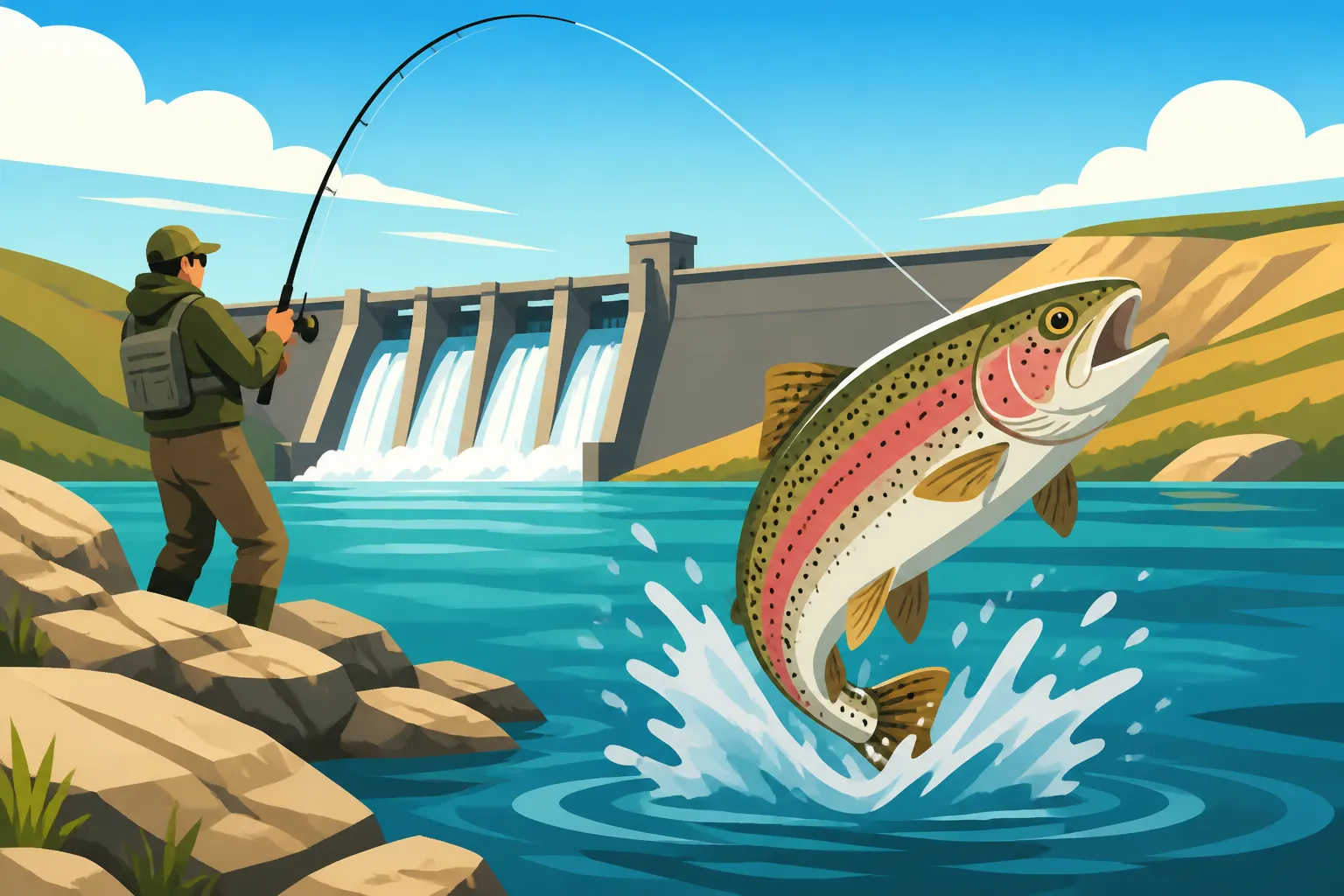
Lake Ogallala Below McConaughy Dam Trout Fishing
Many anglers get frustrated trying to find consistent trout fishing in Nebraska, often thinking it's reserved for colder, mountainous states. But tucked right below the impressive Kingsley Dam, Lake Ogallala offers a unique and incredibly rewarding cold-water trout fishery that consistently produces fantastic angling opportunities year-round. This comprehensive guide will walk you through everything you need to know to successfully target rainbow and brown trout in this special Nebraska gem.
Understanding Lake Ogallala's Unique Trout Fishery
Lake Ogallala isn't your typical warm-water Nebraska reservoir. Its very existence, directly downstream from Lake McConaughy's dam, creates a perfect habitat for trout, making it a truly exceptional spot for anglers seeking these beautiful cold-water species. It’s a place that continually surprises those who assume Nebraska lacks a serious trout scene.
The "Cold Water Factory" Below Kingsley Dam
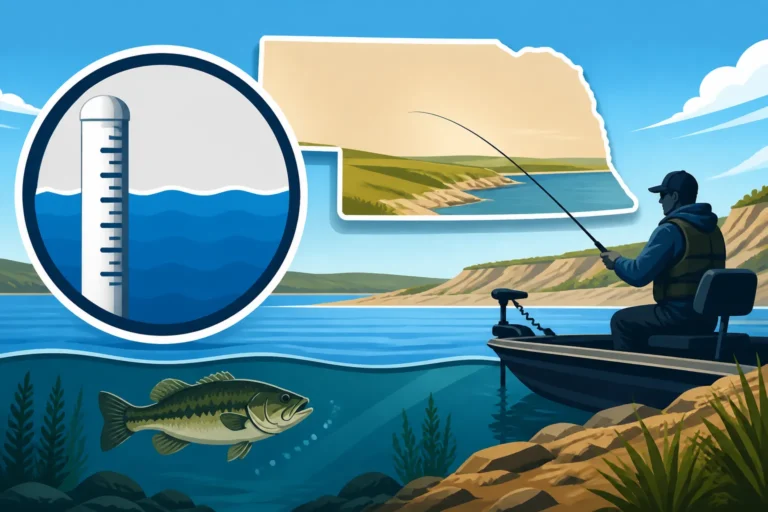
The secret to Lake Ogallala's vibrant trout population lies in its connection to Lake McConaughy. Water released from Kingsley Dam comes from the deep, cold layers of "Big Mac." This consistent outflow maintains stable, low water temperatures in Lake Ogallala throughout the year, even during the scorching Nebraska summers. This constant influx of cool, oxygenated water mimics a mountain stream environment, which is absolutely crucial for trout survival and growth. Without this natural air conditioning, trout simply couldn't thrive in this part of the state. It’s essentially a giant cold-water factory, continuously churning out the ideal conditions that trout demand. This steady, cool flow also brings with it a nutrient-rich environment, supporting a healthy forage base that allows trout to grow large and robust.
Why Lake Ogallala is a Trout Angler's Paradise
Beyond the cold water, Lake Ogallala offers several compelling reasons why it’s considered a prime trout destination. The Nebraska Game and Parks Commission actively manages this fishery, stocking it regularly with rainbow trout and, to a lesser extent, brown trout. This consistent stocking ensures a healthy population for anglers. Unlike many trout streams that experience extreme seasonal fluctuations, Ogallala’s stable environment means you can often find good fishing even in the dead of winter or the dog days of summer, if you know how to adapt. It’s a true year-round opportunity, making it a fantastic spot for anglers who don't want their trout pursuits limited to just a few months. Whether you're a seasoned fly fisherman or prefer a simple spinning rod, Lake Ogallala provides a variety of conditions and access points that cater to all skill levels.
Essential Gear and Techniques for Ogallala Trout
Success on Lake Ogallala often comes down to matching your gear and techniques to the unique environment. What works on a typical Nebraska warm-water lake might not cut it here. Getting set up right from the start can make all the difference between a frustrating day and a memorable one.
Rods, Reels, and Line for Success
When targeting trout, finesse and sensitivity are key. For spinning setups, a light to medium-light action rod, typically 6 to 7 feet long, is ideal. This rod length provides excellent casting distance from shore or a boat, while still offering the backbone needed to fight a strong trout. Pair this with a small spinning reel, size 1000 or 2000, spooled with 4 to 6-pound monofilament or fluorocarbon line. Monofilament offers good knot strength and stretch, which can be forgiving when a trout makes a sudden run, while fluorocarbon is nearly invisible in the water and offers excellent sensitivity. For those who prefer fly fishing, a 4 to 6-weight fly rod, 8.5 to 9 feet long, is a versatile choice for Ogallala. A floating line is standard, but having an extra spool with an intermediate or sink-tip line can be crucial for reaching deeper fish, especially in sections with stronger current or when you're looking to explore different depths. Remember, trout have keen eyesight, so a light leader, usually 4 to 6-pound test, is always a good idea. To understand more about getting started, check out our guide on Best Rod and Reel Combo for Beginners in Nebraska.
Bait, Lures, and Flies that Produce
Trout in Lake Ogallala can be enticed by a wide array of offerings. For bait anglers, classic trout baits like powerbait (especially in bright colors like chartreuse, orange, or rainbow), inflated nightcrawlers, and salmon eggs are highly effective. You can rig these on a small treble hook with an egg sinker, letting it sit on the bottom, or under a slip bobber to present it at a specific depth. Small spoons and spinners are also incredibly productive. Brands like Mepps, Panther Martin, and Acme Little Cleo in silver, gold, or brass finishes often trigger strikes, especially when retrieved at a slow, steady pace to imitate a struggling baitfish. For the fly fishing enthusiast, a variety of patterns can be successful. During insect hatches, dry flies like midges, caddis, and mayflies can be deadly. Nymphs, such as Prince Nymphs, Pheasant Tails, and Hare's Ears, fished under an indicator or on a Euro-nymphing setup, are consistent producers as they imitate the underwater insect life trout feed on. Streamers like Woolly Buggers (black, olive, or white) are excellent for targeting larger, more aggressive trout, especially when swung through current or stripped aggressively. If you're looking to dive deeper into fly fishing specifics, our article on How to Fly Fish for Trout in Nebraska has you covered.
Navigating the Seasons: When and Where to Fish Ogallala
While Lake Ogallala offers year-round trout fishing, understanding the seasonal nuances and knowing where to focus your efforts can dramatically increase your success. The trout's behavior changes with water conditions, so adapting your strategy is key.
Spring and Fall: Peak Opportunities
Spring and fall are often considered the prime times for trout fishing at Lake Ogallala. The mild air temperatures make for comfortable fishing, and more importantly, the water temperatures are ideal for active trout. In spring, as ice clears (if there was any), trout become very active, feeding heavily. This is also when Nebraska Game and Parks conducts significant stocking events, particularly for rainbow trout. After stocking, fish are often disoriented and more willing to bite, making it an excellent time to fish. Our guide on Best Time to Fish After Trout Stocking in Nebraska can give you precise insights. Fishing near the dam outflow, along the riprap banks, or in the deeper channels can be very productive. In the fall, as water temperatures begin to cool from summer highs, trout again become very active and aggressive, often feeding up before winter. Brown trout, in particular, become more vibrant and active as they approach their spawning season. During these seasons, target areas with current breaks, submerged structure, or eddies where trout can lie in wait for food. Shore access is plentiful, but a small boat, kayak, or float tube can open up more water.
Summer and Winter: Adapting to Conditions
Don't write off Lake Ogallala during summer or winter, but be prepared to adjust your tactics. In summer, while the deep water released from McConaughy keeps Ogallala cool, intense heat can still make trout lethargic during the brightest parts of the day. Early mornings and late evenings often provide the best bite. Focus your efforts on the deepest parts of the lake or directly in the swift current below the dam where oxygen levels are highest and temperatures are coldest. Light line, subtle presentations, and natural baits or smaller lures are often most effective. For winter, Lake Ogallala can offer phenomenal ice fishing opportunities. While not always a sure thing for ice cover due to the constant flow, when it freezes, it can be epic. If ice fishing, safety is paramount; always check ice thickness thoroughly. Trout can be found cruising under the ice, often suspended at various depths. Small jigs tipped with wax worms or mealworms, or small spoons, are excellent choices. Many anglers find specific spots just offshore that consistently hold fish through the hard water. To learn more about fishing in colder conditions, check out Is Lake Ogallala Good for Winter Trout Fishing?. Regardless of the season, considering a guided trip from an expert listed on platforms like FishingBooker could provide invaluable real-time advice on current conditions and hot spots.
Rules, Regulations, and Conservation
Just like any other managed fishery, Lake Ogallala has specific rules and regulations designed to protect its fish populations and ensure fair sport for all anglers. Being aware of these, and practicing good conservation, is crucial for maintaining this incredible resource.
Permits and Special Considerations
First and foremost, anyone aged 16 or older needs a valid Nebraska Fishing License to fish in Lake Ogallala. Additionally, if you plan on keeping trout, you'll need to purchase a Nebraska Trout Stamp Requirements. These stamps directly fund trout stocking and management programs, so it's money well spent. Always carry your license and stamp with you, either physically or digitally through the GoOutdoorsNE app. Daily bag and possession limits for trout are enforced, and these can vary. For instance, the general Nebraska Trout Daily Limit allows for certain numbers of rainbow and brown trout, but always consult the most current Nebraska Fishing Guide, available online or at bait shops, to confirm any specific regulations for Lake Ogallala or special restrictions in place. There are no size restrictions on trout at Ogallala, but anglers are encouraged to release larger fish to maintain a healthy breeding population. Be mindful of special signage around the dam area, as certain sections might have restricted access or specific angling rules. A local guide, easily found through services like FishingBooker, can ensure you're up-to-date on all local rules.
Protecting Ogallala's Precious Resource
Responsible angling practices are essential for preserving the unique trout fishery at Lake Ogallala. Catch and release is a vital part of trout conservation, especially for larger, wilder fish. If you plan to release a fish, handle it gently, minimize its time out of water, and use a wet hand to avoid removing its protective slime coat. Barbless hooks can make release easier and less traumatic for the fish. For more detailed instructions, refer to our guide on Catch and Release Best Practices in Nebraska. Investing in a good quality, rubberized landing net, as discussed in Best Landing Net for Releasing Fish Unharmed, can significantly reduce harm to fish you intend to release. Furthermore, preventing the spread of aquatic invasive species is paramount. Always "clean, drain, and dry" your boat, waders, and gear before moving between different bodies of water. This simple step helps prevent the transfer of unwanted hitchhikers like zebra mussels or Eurasian watermilfoil, which can devastate an ecosystem. By adhering to regulations and practicing ethical angling, we can all ensure Lake Ogallala remains a fantastic trout destination for generations to come.
Trout Fishing at Lake Ogallala: Seasonal Baits & Lures Guide
Here’s a quick reference for some effective baits and lures you can use throughout the year at Lake Ogallala. This table focuses on common, accessible options for both spinning and fly fishing anglers.
| Season | Bait (Spinning) | Lures (Spinning) | Flies (Fly Fishing) | Tips |
|---|---|---|---|---|
| Spring | PowerBait (bright colors), Salmon Eggs, Nightcrawlers | Small Spinners (Mepps, Panther Martin), Spoon (Little Cleo) | Nymphs (Prince, Pheasant Tail), Streamers (Woolly Bugger) | Trout are very active post-stocking. Fish near inflows and current breaks. Focus on How to Catch Rainbow Trout After Stocking. |
| Summer | Nightcrawlers, PowerBait (natural colors) | Small Spoons, Jig-and-Plastic Combos | Nymphs (smaller sizes), Terrestrials (Hopper, Ant) | Fish early/late in day. Target deepest, coldest water or strong current areas like How to Catch Trout Below Kingsley Dam. |
| Fall | Salmon Eggs, Nightcrawlers, Corn | Spinners, Small Crankbaits, Spoon | Streamers (Olive, Black), Larger Nymphs, Egg Patterns | Trout become aggressive. Target drop-offs and structure. Browns can be active. |
| Winter | Wax Worms, Mealworms, Small PowerBait Nuggets | Ice Jigs (small, vertical), Blade Baits | Midge Nymphs, Small Streamers | Ice fishing (if safe) or open water near dam. Go slow and subtle. Refer to Is Lake Ogallala Good for Winter Trout Fishing?. |
Disclaimer
The information provided in this guide is for general informational purposes only and is subject to change. Fishing regulations, license requirements, and local conditions can vary. Always consult the official Nebraska Game and Parks Commission regulations prior to your trip to ensure compliance and safety. Angling involves inherent risks; please exercise caution and good judgment while on the water.