Hastings Lake Fishing Access
It can be incredibly frustrating trying to find a peaceful, productive fishing spot close to home, especially when you're in central Nebraska and don't want to drive hours to a major reservoir. You want a place that's easy to access, offers a variety of fish, and is enjoyable for the whole family. If you've been looking for just such a gem, then you're in the right place, because Hastings Lake offers exactly that, and this guide will walk you through everything you need to know to make your next trip a success.
Getting to Know Hastings Lake: Your Central Nebraska Fishing Oasis
Hastings Lake isn't just another pond; it's a vital part of the local community's outdoor recreation, providing a fantastic, easily accessible fishing experience right within the city limits. For many local anglers and families, it's the go-to spot when they want to wet a line without a long drive.
Where is Hastings Lake and Why It's a Go-To Spot?
Hastings Lake is nestled right in the city of Hastings, Nebraska, in Adams County. Its urban setting might make you think it's not a serious fishing destination, but that couldn't be further from the truth. This lake is a cherished resource, managed to provide consistent fishing opportunities. It's relatively shallow, covering about 36 acres, making it warm up quickly in the spring and hold fish in various depths throughout the year. The appeal of Hastings Lake lies in its convenience and its consistent stocking efforts, which we'll dive into shortly. It’s perfect for a quick evening outing after work, a leisurely weekend with the kids, or even a solo mission to clear your head. There’s something undeniably comforting about knowing a quality fishing spot is just a short drive away, ready to offer a slice of tranquility amidst the daily hustle.
Essential Amenities for a Day on the Water
One of the big advantages of fishing Hastings Lake is the excellent infrastructure provided by the City of Hastings and the Nebraska Game and Parks Commission. You won't be roughing it here. There's ample parking, which is a huge relief when you're trying to unload gear or usher excited kids to the water. Modern, clean restrooms are typically available, which is always a plus, especially for longer fishing sessions or family outings.
For those who prefer to fish from a boat, there’s a paved boat ramp, making it easy to launch kayaks, canoes, or small fishing boats. Keep in mind, however, that the lake has a no-wake restriction, so it's really geared toward electric motors or paddling, which contributes to its peaceful atmosphere. Several fishing piers extend into the lake, offering prime access to deeper waters and allowing anglers to cast without dealing with shoreline vegetation. These piers are often popular spots for families and those with mobility challenges. You'll also find picnic areas and walking paths around the lake, making it a great place to spend the entire day, even if not everyone in your group is actively fishing. This blend of accessibility and comfort truly makes Hastings Lake shine as a premier local fishing destination.
What Fish Species Call Hastings Lake Home?
While Hastings Lake might not be known for massive trophy fish like some of Nebraska's larger reservoirs, it consistently provides excellent opportunities for a variety of popular species, thanks to dedicated management and stocking programs.
The Main Targets: What Anglers Usually Catch
When you drop a line in Hastings Lake, you're most likely to encounter a few key species that thrive in its waters. Channel Catfish are arguably the lake's bread and butter, especially during the warmer months. They're abundant, put up a good fight, and are excellent table fare. Anglers often pull in catfish ranging from 1 to 5 pounds, with larger ones certainly possible if you put in the time.
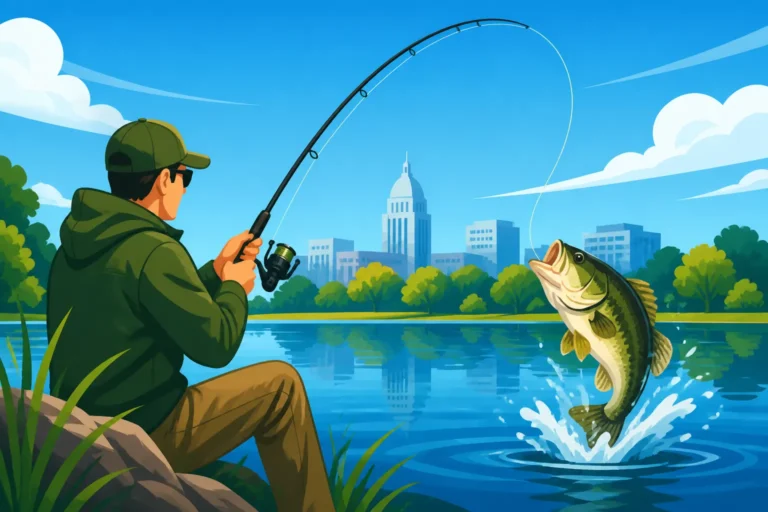
Largemouth Bass are also present, often found lurking around submerged structures, weed beds, and along the shoreline. While they might not reach state record sizes here, catching a 1-3 pound bass is a common and exciting experience. For anglers looking for consistent action, Crappie and Bluegill are abundant. These panfish are fantastic for beginners and seasoned anglers alike, offering steady bites and delicious meals. They're especially popular with kids due to their aggressive nature and relatively easy-to-catch reputation. You'll find a mix of sizes, with some crappie reaching respectable plate size.
Seasonal Stocking and When to Expect Trout
What truly sets Hastings Lake apart for many anglers is its participation in the Nebraska Game and Parks Commission's Urban Fishing Program. This program is designed to create quality fishing experiences in urban environments, and Hastings Lake is a prime example of its success. The lake receives regular stockings of fish, significantly boosting angler success.
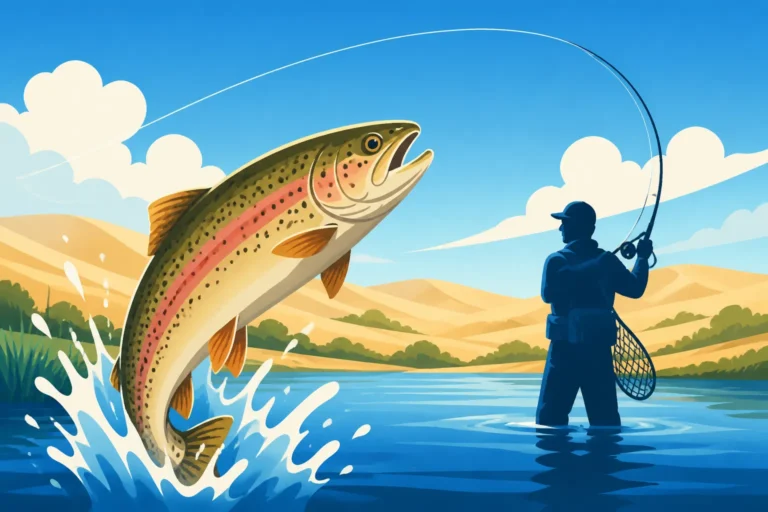
One of the most anticipated events is the seasonal stocking of Rainbow Trout. Typically, these trout are stocked in the cooler months, from fall through early spring, providing a fantastic cold-water fishery when other species might be less active. This means you can enjoy trout fishing when many other Nebraska lakes are too warm or frozen over. Keep an eye on the Nebraska Game and Parks Commission's stocking schedule, usually available on their website, or check with local bait shops to know exactly when to expect fresh trout. These stockings create exciting fishing opportunities, often drawing enthusiastic crowds. Many anglers enjoy chasing these freshly stocked fish, and it’s a wonderful way to introduce new techniques and species to your fishing repertoire.
Tactics and Tips for Successful Fishing at Hastings Lake
Catching fish consistently at Hastings Lake, just like any body of water, comes down to understanding the fish, their habits, and presenting the right bait or lure. It’s not about magic, but about thoughtful strategy.
Best Baits and Lures for Hastings Lake
Knowing what to tie on your line can make all the difference. For those abundant Channel Catfish, classic baits are often the most effective. Nightcrawlers, cut bait (like shad or potent store-bought varieties), and various stink baits or punch baits are incredibly popular. Fishing these on the bottom with a simple Carolina rig or a three-way swivel setup can yield excellent results.
If you're after Largemouth Bass, try working the edges of weed beds, submerged timber, or any visible cover. Soft plastic worms (Texas-rigged or wacky-rigged), spinnerbaits, and small crankbaits are go-to choices. Early mornings and late evenings are often the best times for bass, especially during warmer weather.
For the prolific Crappie and Bluegill, simplicity often reigns supreme. Small jigs tipped with a minnow or a wax worm under a bobber are deadly. Tiny inline spinners or micro soft plastic grubs can also be very effective. Look for them around any submerged structure, like brush piles or the piers themselves.
And, of course, for the stocked Rainbow Trout, PowerBait (especially in bright colors like chartreuse or rainbow), small pieces of corn, or tiny inline spinners (like a Rooster Tail or Panther Martin) are excellent choices. A light line and small hook will increase your chances with these sometimes finicky eaters. When trout are first stocked, they tend to be quite aggressive, but can become more cautious after a few days of angler pressure.
Shore Fishing vs. Boat Fishing: Maximizing Your Access
Hastings Lake is incredibly versatile for different fishing styles. If you're a shore angler, you're in luck. The numerous fishing piers provide direct access to deeper water and often hold active fish, especially crappie and bluegill that congregate around the structure. The accessible shoreline also allows anglers to spread out and cast to different areas. Shore fishing is fantastic for families or those who prefer a simpler setup, and it’s a great way to enjoy a day without the hassle of launching a boat.
For those with a small boat, kayak, or canoe, you can unlock even more potential. A small boat allows you to reach beyond the typical casting range of shore anglers, giving you access to less pressured fish and deeper sections of the lake. Kayak fishing is particularly popular here, allowing stealthy navigation to prime spots. If you're keen on exploring what a kayak can offer, remember to check out resources on Nebraska Kayak Fishing Techniques. You can quietly slip into coves, work weed lines more effectively, and explore the subtle drop-offs that often hold larger fish. Just remember the no-wake rule, which means electric motors only, keeping the environment peaceful for everyone.
Understanding Lake Structure and Prime Spots
Fish are creatures of habit, and they relate to structure. At Hastings Lake, identifying these key areas will significantly improve your success. Look for:
- Weed Beds: These submerged aquatic plants provide cover, ambush points for bass, and food sources for baitfish and panfish. Cast soft plastics or weedless jigs into and along the edges of these beds for bass.
- Drop-offs: Areas where the lake bottom quickly descends into deeper water are always prime spots. Fish will often hold on these transitions, moving up to feed and retreating to deeper, cooler water. A good fish finder can help locate these, even from a small boat.
- Submerged Structures: While not always visible, things like old timber, rock piles, or artificial fish attractors (sometimes placed by the Game and Parks Commission) are magnets for fish. Work your baits slowly around these areas.
- Aeration Systems: Some urban lakes utilize aeration systems to improve water quality and prevent winterkill. These areas often create subtle current and oxygenated water, which can attract fish, especially in stagnant conditions.
- Fishing Piers: Don't overlook the obvious! The piers themselves create shade and structure, attracting panfish and even larger predators. Cast around and under them.
Before heading out, a quick check on local fishing reports, sometimes found through online forums or by simply asking at a local bait shop, can give you real-time insights into where the fish are biting and what baits are working best. Services like FishingBooker can also sometimes provide local guide information for more specific insights, even for smaller lakes.
Regulations, Permits, and Planning Your Visit
Fishing Hastings Lake, like any public water in Nebraska, requires adherence to specific rules and regulations. It’s crucial to be informed to ensure a legal and enjoyable outing. Nobody wants a surprise fine!
What You Need to Fish: Licenses and Stamps
First and foremost, if you're 16 years or older, you'll need a valid Nebraska Fishing License. This is a non-negotiable requirement. For a comprehensive overview, you can check out the Nebraska Fishing License Guide. Beyond the basic license, you might also need specific stamps depending on what you're targeting. For example, if you plan on keeping the trout that are stocked in Hastings Lake, you'll need a Nebraska Trout Stamp Requirements.
Additionally, all anglers are required to purchase a Nebraska Aquatic Habitat Stamp Explained. This stamp contributes directly to conservation efforts, improving fishing habitats across the state. For parents wondering about their younger anglers, it’s good to know that Do Kids Need a Fishing License in Nebraska? clarifies that those under 16 generally don't need one, though rules can vary for specific programs. Always double-check the current regulations, especially if you’re unsure about What Age Can You Fish Without a License in Nebraska?.
Getting your license and stamps is straightforward. You can purchase them conveniently online through the GoOutdoorsNE Online Permit System on the Nebraska Game and Parks Commission website. Many local bait shops, sporting goods stores, and even some county treasurers' offices also sell them in person.
Bag and Length Limits for Common Species
To protect fish populations and ensure sustainable fishing for everyone, specific bag and length limits are in place for various species at Hastings Lake. These limits can change, so always consult the latest Nebraska Fishing Guide provided by the Game and Parks Commission. However, generally, you can expect rules similar to these:
- Channel Catfish: Typically, you might be allowed a daily bag limit around 10 fish, with no length limit. However, always confirm.
- Crappie: Daily bag limits are usually quite generous, often around 15 fish, again, with no specific length limit for panfish in most general regulations. For detailed information, see Nebraska Crappie Bag Limits.
- Bluegill/Sunfish: Similar to crappie, generous daily bag limits, often 15, with no length limits.
- Largemouth Bass: Bass regulations can be more complex, sometimes involving slot limits or minimum length requirements. For example, some lakes might have a 15-inch minimum. Check Nebraska Bass Length Limits for the most current information.
- Rainbow Trout: When stocked, trout usually have a daily bag limit, often 5 fish. It’s important to remember your Nebraska Trout Daily Limit applies here.
Being aware of these limits is part of responsible angling. Overharvesting can quickly deplete local populations, impacting the quality of fishing for everyone.
When to Visit: Best Times and Seasonal Considerations
Hastings Lake offers fishing opportunities year-round, but the best times to visit largely depend on what you're hoping to catch.
- Spring (April-May): This is often considered prime time. As water temperatures rise, fish become very active. Crappie move into shallower waters to spawn, bass start feeding aggressively, and catfish become highly active. It's also a great time for trout fishing if recent stockings have occurred.
- Summer (June-August): Fishing can still be excellent, especially for catfish and panfish. Bass may move to deeper, cooler waters or become more active during early mornings and late evenings. The heat can make mid-day fishing slower, but night fishing for catfish can be phenomenal.
- Fall (September-November): As temperatures cool, fish activity picks up again, similar to spring. This is when the first trout stockings often occur, creating new excitement. Bass and crappie will feed heavily in preparation for winter.
- Winter (December-March): If the ice is thick enough, Hastings Lake can be an excellent spot for ice fishing, particularly for panfish and the stocked trout. Always prioritize safety and check ice conditions before venturing out.
For a more general understanding of the fishing calendar in the state, you might find the Best Time of Year for a Nebraska Fishing Trip guide helpful in aligning your expectations with seasonal patterns. Regardless of the season, checking local weather forecasts is always a good idea, as conditions can change rapidly in Nebraska. If you're planning a trip and want to know current conditions or even book a local expert to help you navigate the lake, checking resources like FishingBooker can provide valuable insights.
| Fish Species | Common Baits/Lures | Typical Size Range | Daily Bag Limit (General) | Notes |
|---|---|---|---|---|
| Channel Catfish | Nightcrawlers, Cut Bait, Stink Bait | 1-5 lbs | 10 | Abundant, great fighting fish. |
| Largemouth Bass | Soft Plastics, Crankbaits, Spinnerbaits | 1-3 lbs | Varies | Target weed lines and submerged cover. |
| Black/White Crappie | Small Jigs, Minnows, Wax Worms | 6-10 inches | 15 | Excellent for beginners and families. |
| Bluegill/Sunfish | Worms, Wax Worms, Tiny Jigs | 4-8 inches | 15 | Consistent bites, good for kids. |
| Rainbow Trout | PowerBait, Corn, Small Spinners | 10-14 inches | 5 | Stocked seasonally (cooler months). |
Always consult the current Nebraska Fishing Guide for the most up-to-date regulations before fishing.
Disclaimer
Fishing conditions and regulations in Nebraska can change. While every effort has been made to provide accurate and helpful information, it is always the angler's responsibility to verify current rules, obtain the necessary licenses and permits, and adhere to all safety guidelines. Please refer to the official Nebraska Game and Parks Commission website for the most current and complete information.