Niobrara River Canoe and Fishing Combo Trips
There’s nothing quite like dreaming of a truly immersive escape into nature, away from the hustle and bustle, but sometimes the idea of piecing together a multi-sport adventure can feel overwhelming. You want the tranquility of paddling a scenic river, the thrill of catching fish, and maybe even a cozy night under the stars, all without the headache of complicated logistics. This comprehensive guide is here to untangle all those considerations, helping you plan the perfect Niobrara River canoe and fishing combo trip, ensuring you get to experience one of Nebraska’s most treasured natural gems to its fullest.
Why Combine Canoeing and Fishing on the Niobrara River?
The Niobrara River, often called "Nebraska's River of Many Returns," offers an unparalleled blend of natural beauty and recreational opportunities that are truly unique. It’s not just a river; it's an experience. Combining canoeing with fishing here elevates your adventure, turning a simple float or a day of angling into a holistic journey through some of the most diverse landscapes the state has to offer.
Unparalleled Scenic Beauty and Remote Access
Imagine gliding silently downstream, the only sounds being the dip of your paddle, the chirp of a bird, and the gentle gurgle of the current. The Niobrara National Scenic River is renowned for its stunning vistas, where towering bluffs rise from the water's edge, fed by dozens of spring-fed waterfalls cascading directly into the river. You'll pass through a convergence of six different ecological zones, leading to an incredible diversity of plant and animal life. From the dense pine forests reminiscent of the Rockies to the eastern deciduous forests and the rolling Sandhills prairies, the scenery changes around every bend.
A canoe or kayak grants you access to stretches of the river that are simply unreachable by shore. This means you can discover secluded eddies, pristine rock gardens, and fallen timber where wary fish haven’t seen a lure in ages. You can pull your canoe up on a sandbar for a quick break, explore a hidden spring, or simply sit back and let the current take you, all while having your fishing rod ready for that opportune moment. This remote access is key to finding those less pressured fish and truly feeling like you've got the river all to yourself.
The Thrill of Multi-Sport Adventure
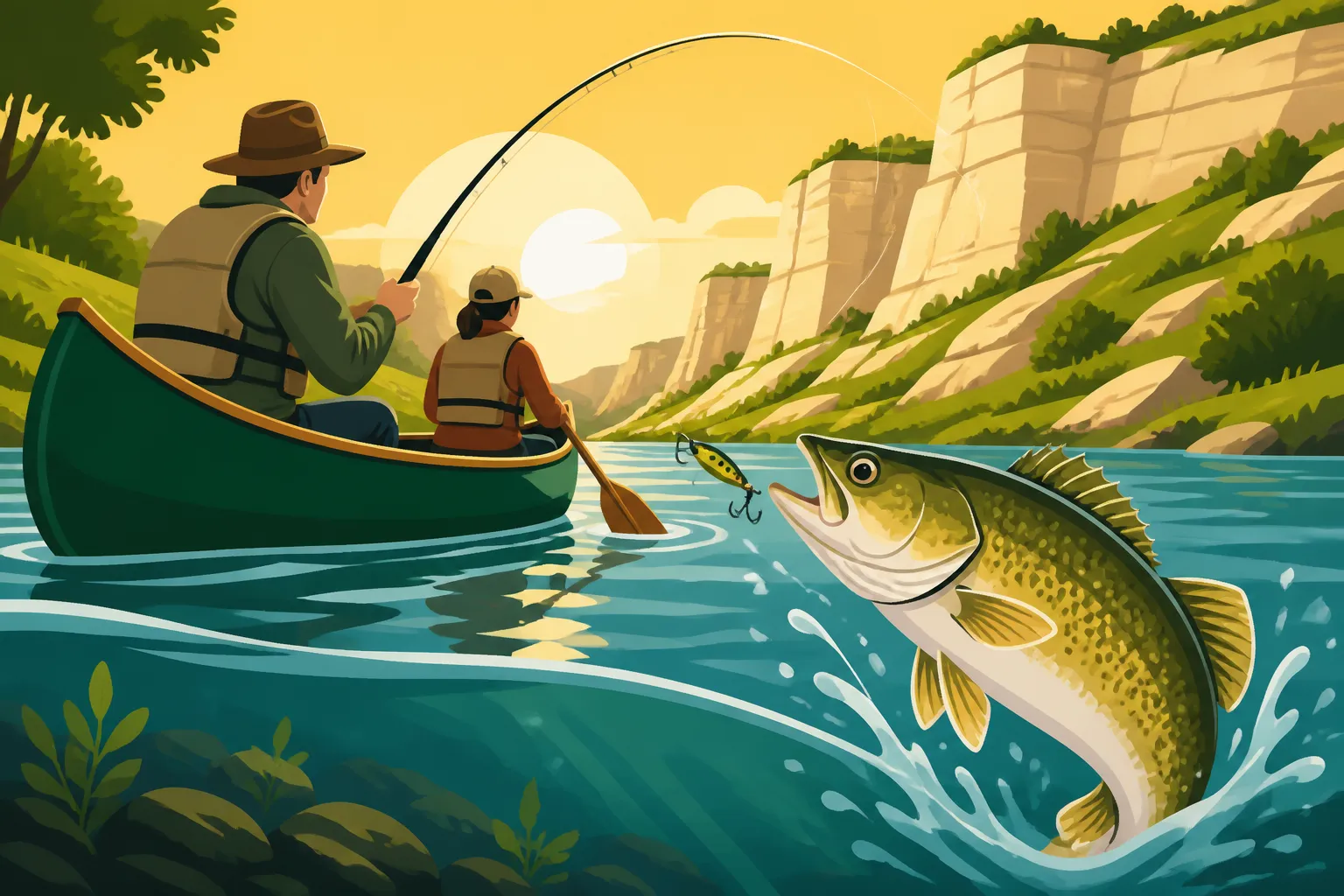
For many, a trip down the Niobrara isn't just about one activity; it's about embracing a full spectrum of outdoor enjoyment. Combining canoeing and fishing means you get the invigorating exercise of paddling, the relaxation of drifting, and the excitement of the hunt for fish, all wrapped into one incredible package. It's perfect for families or groups where not everyone is solely focused on fishing. Some can paddle hard, navigating the gentle rapids, while others can cast their lines, then switch roles as the mood strikes.
There’s a natural rhythm to a combo trip: paddle a stretch, find a promising bend or structure, anchor or hold the canoe in place, and spend some time casting. Then, when the bite slows or you’re ready for a change of scenery, pick up the paddle and continue downstream. This constant variation keeps the energy high and ensures there's never a dull moment. It’s a chance to truly disconnect and immerse yourself in the natural world, using different skills and senses throughout the day.
What Species You Can Expect to Catch
While the Niobrara is home to several fish species, it truly shines as a premier destination for Smallmouth Bass Fishing in Nebraska. These feisty fighters thrive in the river's clear, rocky waters and strong currents. They love to ambush prey from behind submerged rocks, fallen trees, and undercut banks, offering thrilling strikes and powerful fights. Catching a good-sized smallmouth on light tackle from a canoe is an experience every angler should have.
Beyond smallmouth, you might also hook into Northern Pike, especially in slower, deeper pools or oxbows. These aggressive predators can provide an unexpected jolt of excitement. Channel Catfish are also present, particularly in the lower, warmer stretches and deeper holes. Various panfish like Bluegill and Rock Bass can be found in quieter backwaters and provide fun for younger anglers or those seeking a more relaxed pace. The river's ecosystem supports a healthy population, ensuring that whether you're targeting specific species or just casting for whatever bites, you're likely to find some action.
Planning Your Niobrara River Combo Trip
Embarking on a Niobrara River canoe and fishing adventure requires a bit of planning, but it's well worth the effort. From choosing the right outfitter to gathering your gear and understanding regulations, a little preparation goes a long way to ensure a smooth and enjoyable experience.
Choosing Your Outfitter and Route
For most visitors, especially those without their own canoes or shuttle vehicles, working with a local outfitter is the easiest and most practical way to enjoy the Niobrara. Outfitters in and around Valentine, Nebraska, are your best bet. Reputable companies like Rocky Ford Campsite & Canoe Rentals, Niobrara Canoe Outfitters, and many others offer everything from canoe and kayak rentals to shuttle services that drop you off upstream and pick you up downstream. They often have different trip lengths available, ranging from half-day floats (2-4 hours of paddling) to full-day excursions (4-8 hours) and even overnight camping trips.
When selecting an outfitter, consider what services they provide. Do they offer guided trips that might be beneficial for beginners or those new to river fishing? Do they have a variety of canoe or kayak options? Are their shuttles reliable? It's always a good idea to check reviews and book in advance, especially during peak season (late spring to early fall). If you're looking to compare options or even find a specialized guided fishing experience, platforms like FishingBooker can sometimes connect you with local guides who specialize in Niobrara River trips, offering a curated experience that combines paddling and expert fishing insights. Discuss with your chosen outfitter the best stretches for fishing, as some parts of the river might have stronger currents or different fish concentrations.
Essential Gear for Your Adventure
Packing smart is crucial for a successful combo trip. You’ll need gear for both paddling and fishing, plus personal items to stay comfortable and safe.
Paddling Gear (often provided by outfitters, but know what you need):
- Canoe/Kayak: Obviously! Ensure it's stable enough for fishing.
- Paddles: Proper length for your height.
- Personal Flotation Devices (PFDs): Absolutely mandatory. Ensure they fit properly. Refer to Nebraska Boat Safety Equipment Requirements for specifics.
- Dry Bags: Essential for keeping your phone, keys, wallet, extra clothes, and any electronics dry. Water will get into your canoe.
- Bailer/Sponge: For removing any water that accumulates in the canoe.
- Rope/Anchor: A small anchor can be incredibly useful for holding your position in a good fishing spot.
Fishing Gear:
- Rods and Reels: Light to medium spinning tackle is ideal for smallmouth bass. A 6'6" to 7' medium-light or medium action rod with a 2500-3000 series reel spooled with 6-10 lb test monofilament or braided line is a versatile setup. Check out Best Rods and Reels for Nebraska Fishing for more detailed recommendations.
- Tackle Box/Bag: Keep it compact. Focus on smallmouth lures: small crankbaits (shad or crawfish patterns), spinnerbaits (white, chartreuse), soft plastic tubes, grubs, and swimbaits on jig heads, and a few topwater lures (poppers, walking baits) for early mornings or late evenings. Bring extra hooks, sinkers, and leaders.
- Live Bait: Some anglers prefer live bait like minnows or crawlers, though artificials are often just as effective and less messy in a canoe.
- Pliers/Forceps: For hook removal.
- Small Landing Net: Helps safely land fish and reduces stress on them for release.
- Measuring Tape/Scale: If you plan on documenting your catches or adhering to specific length limits.
- Cooler: For drinks, snacks, and any fish you decide to keep (make sure you know the Nebraska Fishing Daily Bag and Possession Limits).
Personal Gear:
- Sun Protection: Sunscreen, wide-brimmed hat, polarized sunglasses (essential for spotting submerged structure and fish).
- Water/Hydration: Bring plenty of water.
- Snacks/Lunch: Pack items that don't require refrigeration if you're out for a full day.
- Insect Repellent: Especially important during warmer months.
- Map/GPS: Even on guided trips, it's good to have a sense of your location.
- First-Aid Kit: Basic essentials for minor cuts, scrapes, or insect bites.
Navigating Permits and Regulations
Before you even dip a paddle or cast a line, it's crucial to understand the necessary permits and regulations.
- Nebraska Fishing License: Absolutely mandatory for anyone aged 16 and older. You can purchase these online, at various vendors across the state, or directly through the GoOutdoorsNE system. Get the full rundown in our Nebraska Fishing License Guide and learn Where to Buy a Nebraska Fishing License. Don't forget, if you plan to fish for species like trout, you might need additional stamps, though smallmouth bass typically do not.
- Aquatic Habitat Stamp: Included with your fishing permit, this stamp supports critical conservation efforts. For more details, check out the Nebraska Aquatic Habitat Stamp Explained.
- Niobrara National Scenic River Rules: While the river is public, access points and adjacent lands may be private or part of state parks. Always respect signage and private property. There might be specific regulations for camping or fires, so check with your outfitter or the National Park Service website for the Niobrara.
- Fishing Regulations: Always review the latest Nebraska Fishing Regulations Explained booklet or online guide provided by the Nebraska Game and Parks Commission. Pay close attention to size and bag limits for Smallmouth Bass and any other species you might target on the Niobrara. Regulations can change, so staying current is key to avoiding penalties.
Best Practices for Fishing While Canoeing the Niobrara
Fishing from a canoe or kayak on a river like the Niobrara presents unique challenges and opportunities. Mastering a few techniques will significantly improve your success and enjoyment.
Techniques for River Smallmouth Bass
Smallmouth bass in rivers are structure-oriented and often hold in current breaks. As you float downstream, look for key features:
- Rock Gardens and Boulders: Smallmouth love to hide behind rocks, darting out to ambush prey. Cast upstream of these features and let your lure drift past naturally.
- Fallen Trees and Log Jams: These provide excellent cover. Be prepared to lose a few lures, but the biggest bass often hide here. Try flipping jigs or Texas-rigged soft plastics into the snags.
- Undercut Banks: Where the current has eroded the bank, creating a cave-like overhang, smallmouth will often tuck in. Cast parallel to the bank.
- Eddies and Current Seams: Where fast water meets slow water, baitfish gather, and so do bass. Focus your casts on the edges of these seams.
For lures, small crankbaits that imitate crawfish or minnows are highly effective, especially those that dive a few feet to bump off rocks. Spinnerbaits in 1/8 to 1/4 oz sizes are great for covering water. Soft plastics like tube jigs or grubs rigged on a jig head can be deadly when fished slowly along the bottom or jigged through current. In low-light conditions or quiet pools, topwater poppers or walk-the-dog style baits can elicit explosive strikes. You can dive deeper into these tactics with our guide on How to Catch Smallmouth Bass in Rivers. Remember to adjust your retrieve speed to the current – usually a slightly faster retrieve is needed in stronger currents to keep your lure moving naturally.
Managing Your Canoe and Fishing Simultaneously
This is where the "combo" part gets interesting. It takes a little practice, but it's incredibly rewarding.
- Teamwork (if applicable): If you're with a partner, one person can focus on paddling and positioning the canoe, while the other fishes. You can switch roles periodically.
- Drift Fishing: Allow the current to carry your canoe downstream, casting as you go. This covers a lot of water and presents your lure naturally. Try to steer the canoe so you're constantly casting towards new, promising water.
- Anchoring: When you find a hot spot, a small anchor can be invaluable. This allows you to thoroughly work an area without constantly fighting the current. Ensure your anchor line is long enough for the water depth and securely tied.
- Casting from a Canoe: Practice casting with minimal backswing to avoid snagging your partner or the canoe itself. Keep your rod tips low, especially when navigating under low-hanging branches. Situate yourself comfortably so you can pivot and cast to both sides of the canoe.
- Rod Holders: Simple clamp-on or suction-cup rod holders can be useful when you need both hands for paddling or rigging.
Safety and River Etiquette
Safety on the Niobrara River is paramount. The river is generally gentle, but conditions can change, and it's essential to be prepared.
- Wear Your PFD: This is not optional. Accidents happen quickly, and a PFD can save your life.
- Know Your Limits: Don't attempt sections of the river that are beyond your paddling skill level. If in doubt, consult your outfitter.
- River Conditions: Be aware of weather forecasts, water levels, and current speed. Heavy rains upstream can cause rapid rises in water levels and stronger currents.
- "Leave No Trace" Principles: Pack out everything you pack in. Do not litter. Respect wildlife from a distance.
- Respect Private Property: Much of the land bordering the Niobrara is private. Only access the river at designated public access points or through your outfitter. Do not trespass.
- Share the River: The Niobrara is popular with many users – tubers, kayakers, other anglers, and wildlife watchers. Be courteous and share the waterway.
- Hydration and Sun Protection: Dehydration and sunburn are real risks on the water. Drink plenty of fluids and apply sunscreen regularly.
- Tell Someone Your Plans: Always let someone know your float plan, including your put-in and take-out points and expected return time.
Creating a Memorable Overnight Experience
For those who truly want to immerse themselves, an overnight canoe and fishing combo trip on the Niobrara is an unforgettable adventure. It allows for more relaxed paddling, extended fishing time during prime low-light hours, and the magic of camping beside the river.
Choosing Campsites and Lodging
If you're planning an overnight trip, you'll need to decide where to spend the night.
- Designated Campsites: There are several public and private campgrounds along the Niobrara. Popular options include Rocky Ford Campground and campsites within Smith Falls State Park. These typically offer basic amenities like fire rings and pit toilets. Make reservations well in advance, especially for weekend trips during peak season.
- Dispersed Camping: While alluring, dispersed camping on sandbars or private land is generally not permitted without explicit permission. Most of the river corridor is privately owned or managed by state parks and the National Park Service, which have specific camping rules. Always confirm allowed camping areas with your outfitter or the managing agency to avoid issues.
- Lodging: If roughing it isn't your style, some outfitters or nearby towns (like Valentine) offer cabins, B&Bs, or hotels where you can stay before or after your float, allowing you to enjoy the river during the day and return to comfort at night. Sometimes, Booking FishingBooker trips can even include lodging options with local guides.
Planning Meals and Provisions
When camping overnight, careful meal planning is essential.
- Easy-to-Prepare Meals: Think simple, one-pot meals, pre-packaged dehydrated foods, or sandwiches for lunch. Don't forget breakfast items like oatmeal or instant coffee.
- Cooler Management: A good quality cooler is a must. Pack ice or ice packs to keep drinks, perishable food, and any kept fish fresh. Consider packing items in Ziploc bags or airtight containers to prevent water damage if your cooler takes on water. Keep your cooler shaded and closed as much as possible.
- Water: Bring plenty of drinking water. While the river itself is clean, it's not potable without filtration.
- Cooking Gear: A small camp stove, cookware, plates, and utensils are needed. Don't forget a fuel source and a way to start a fire (lighter, matches).
- Trash Bags: Adhere strictly to Leave No Trace principles. Pack out all your trash, including food scraps.
Maximizing Your Time on the Water
An overnight trip gives you the luxury of time, allowing you to truly savor the Niobrara experience.
- Prime Fishing Hours: The best fishing often occurs during the early morning and late evening, precisely when day-trippers are off the water. Take advantage of these low-light conditions to target active smallmouth bass.
- Leisurely Pace: Without the pressure of a single-day schedule, you can paddle at a more relaxed pace, stopping frequently to fish promising spots, explore side channels, or simply admire the scenery.
- Stargazing: Far from city lights, the Niobrara offers incredible opportunities for stargazing. Lying on a sandbar under a blanket of stars after a day of paddling and fishing is an unforgettable experience.
- Photography: Bring a waterproof camera to capture the stunning landscapes, diverse wildlife, and your memorable catches.
Whether you’re aiming for a leisurely day trip or an immersive multi-day adventure, a Niobrara River canoe and fishing combo trip truly offers something special. It's a chance to connect with Nebraska's wild side, create lasting memories, and maybe even catch a few impressive smallmouth bass along the way.
| Fish Species Expected | Preferred Baits/Lures | Key Fishing Techniques | Best Season |
|---|---|---|---|
| Smallmouth Bass | Small crankbaits, spinnerbaits, tube jigs, topwater, grubs, minnows | Cast to rocks, fallen timber, current seams, undercut banks; target eddies | Spring, Summer, Fall |
| Northern Pike | Spinnerbaits, spoons, large minnows | Cast to slower, deeper pools, vegetation edges, oxbows | Spring, Fall |
| Channel Catfish | Cut bait, stink baits, worms | Fish deeper holes, slower currents, near log jams, especially at night | Summer |
| Rock Bass | Small jigs, worms, small spinners | Target rocky areas, quiet backwaters, structure | Summer |
| Bluegill | Worms, crickets, small panfish jigs | Fish quiet coves, submerged vegetation, near shore | Summer |
Disclaimer
Please remember that fishing regulations and river conditions can change. Always check the latest Nebraska Game and Parks Commission regulations before you head out. Be mindful of weather conditions, practice safe boating, and always prioritize your personal safety on the water. This guide is for informational purposes only and should not replace official guidance or professional advice.