Box Butte Reservoir Ice Fishing
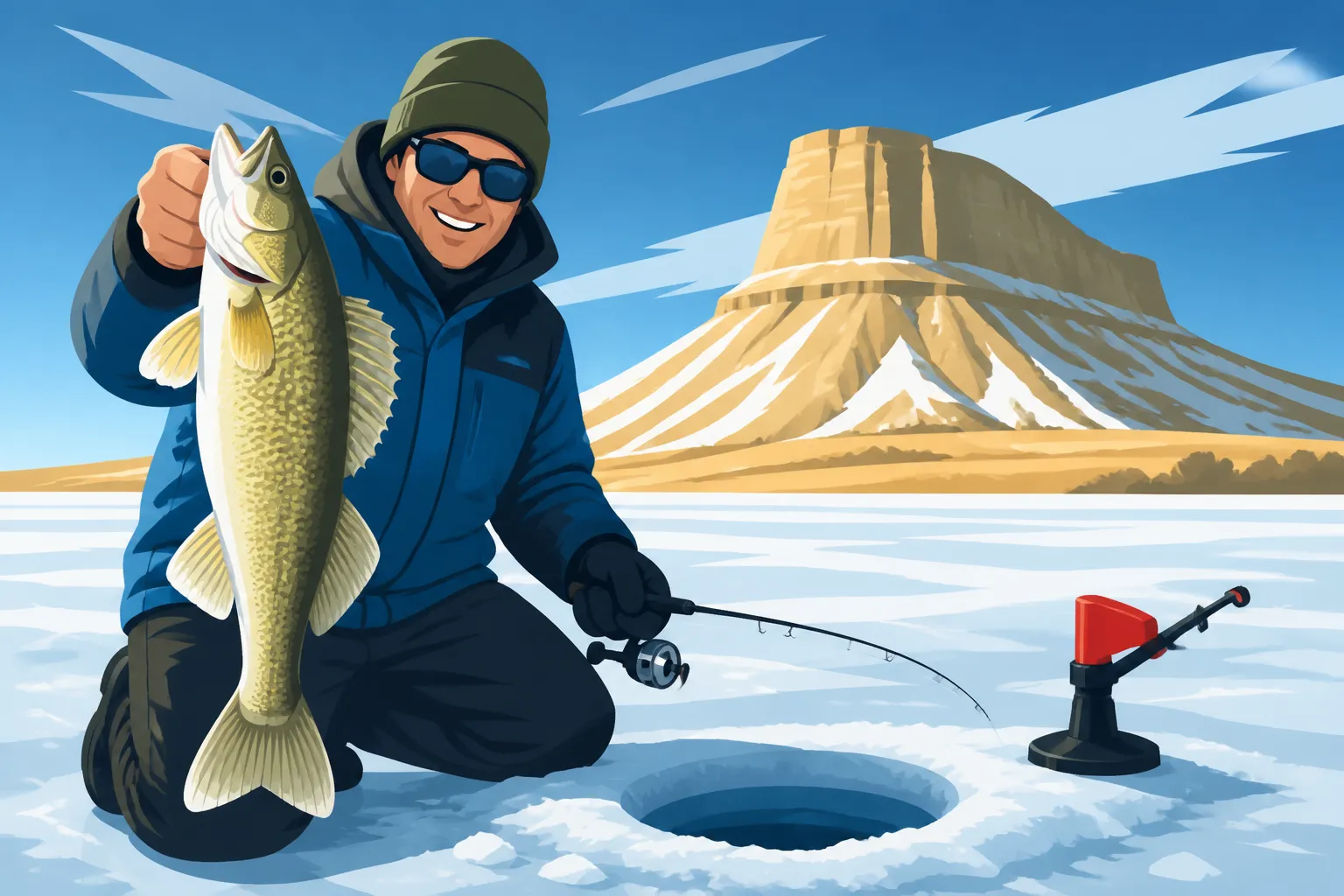
When the deep freeze settles over western Nebraska, many anglers pack away their rods, but a dedicated few know that some of the best fishing of the year is just beginning. Box Butte Reservoir, nestled in the rugged landscape of the Nebraska Panhandle, transforms into an ice fishing paradise for those willing to brave the elements. However, tackling Box Butte through the ice presents its own unique challenges, from rapidly changing ice conditions to understanding where the most sought-after species are hiding beneath the frozen surface. This comprehensive guide will equip you with the knowledge and strategies you need to have a successful, safe, and memorable ice fishing experience at Box Butte Reservoir.
Decoding Box Butte's Winter Landscape and Conditions
Ice fishing isn't just about dropping a line; it's about understanding the environment you're in, and Box Butte Reservoir demands a respectful awareness of its winter persona. This reservoir, while offering fantastic angling opportunities, can be a wild and unforgiving place if you're not prepared.
Ice Conditions and Safety Considerations
The formation and stability of ice at Box Butte can vary dramatically throughout the winter, and often from one day to the next. Early season ice can be thin and inconsistent, while late season can bring slush and deteriorating conditions as temperatures rise. Strong winds, which are a common feature of the Nebraska Panhandle, can also impact ice safety by creating pressure ridges or blowing snow cover that hides dangerous thin spots. It's never enough to just assume the ice is safe. You need to actively check it, and then check it again as you move across the lake.
Always prioritize safety above all else. Before you even step foot on the ice, make sure you know How Thick Ice Needs to Be to Fish Safely in Nebraska A good rule of thumb is at least 4 inches of clear, solid ice for walking, 5-7 inches for snowmobiles or ATVs, and 8-12 inches for small cars or trucks. However, even these guidelines aren't foolproof, as ice can vary in strength depending on its formation, current, and underlying structure. Carry a spud bar or an ice chisel to constantly test the ice in front of you as you walk, especially when moving into new areas. Making a few holes with your auger also gives you visual confirmation of ice thickness and quality. It's always wise to fish with a buddy, too, and let someone know your plans before you head out. Checking local reports from bait shops in Alliance or Chadron, or consulting the Nebraska Game and Parks Commission website, can provide valuable insights into current conditions.
Access Points and Winter Amenities
Box Butte Reservoir is managed by the Nebraska Game and Parks Commission, offering several access points that are generally maintained for winter use. The main access area, located on the north side of the reservoir, typically provides the most reliable entry, even with snow cover. This area often has a cleared parking lot, and you'll usually see truck and ATV tracks leading out onto the ice, which can give you a general idea of safe travel routes. However, rely on your own judgment and safety checks, not just the tracks of others.
The reservoir is known for its relatively undeveloped shoreline, which, while beautiful, means amenities are sparse, especially in winter. Don't expect heated restrooms or concession stands. You'll need to be self-sufficient, bringing everything you need from water and snacks to portable heating sources for your shelter. The closest town for supplies is Alliance, about 10 miles south, so it's best to stock up before you arrive. If you're planning an overnight trip, remember that winter camping, while rugged, is possible, but prepare for extreme cold. Always pack out everything you pack in, leaving no trace behind. For more specific details on what to bring, consider checking out resources like a comprehensive Nebraska Ice Fishing Gear Guide.
Target Species and Prime Locations Under the Ice
Box Butte Reservoir is renowned for its diverse fishery, and that doesn't change when the mercury plummets. While some species become less active, others offer prime ice fishing opportunities. Knowing what you're targeting and where they prefer to hang out will dramatically increase your chances of success.
Walleye and Northern Pike Strategies
For many ice anglers at Box Butte, the main draw is the pursuit of walleye and northern pike. These predatory species remain active under the ice, often providing thrilling battles in the frigid water.
Walleye: Walleye in Box Butte are typically found relating to structure. Look for sunken roadbeds, old creek channels, humps, and points, especially those with an abrupt depth change. They tend to be more active during low-light periods – early morning, late afternoon, and into the evening after sunset. Many anglers swear by a "witching hour" for walleye, often an hour before and an hour after dark. Jigging spoons, lipless crankbaits, or various soft plastic baits tipped with a minnow head are popular choices. Don't be afraid to experiment with different depths; walleye can suspend in the water column or hug the bottom, depending on forage availability and pressure. A good fish finder can be invaluable here, helping you locate both fish and structure. For more detailed tips on locating these elusive fish, our guide on Walleye Fishing in Nebraska offers plenty of advice that applies to ice conditions.
Northern Pike: If you're looking for a toothy battle, northern pike are Box Butte's undisputed champions. These aggressive predators often patrol weed lines, points, and sudden drop-offs where baitfish congregate. Pike are less finicky about light conditions than walleye and can be caught throughout the day. The most effective method for pike through the ice is often using tip-ups baited with large shiner minnows, smelt, or even dead bait like a frozen cisco or sucker. Set your tip-ups in varying depths along structural breaks or weed edges. Don't be shy about using larger baits; pike have cavernous mouths and aren't afraid to inhale a big meal. Make sure your leader material is strong enough to withstand their sharp teeth—fluorocarbon or steel leaders are a must. Our detailed guide on Nebraska Northern Pike Fishing can give you even more insights into these exciting fish.
Panfish Opportunities: Crappie and Perch
While walleye and pike get a lot of attention, Box Butte also offers fantastic panfish opportunities, especially for crappie and yellow perch. These smaller species are excellent table fare and provide steady action, which can be a welcome change of pace on slower days.
Crappie: Crappie in Box Butte often school up during the winter and relate heavily to submerged timber, brush piles, and other vertical cover. They tend to suspend in the water column, so a fish finder is incredibly useful for locating their schools. Small jigs, typically 1/32 to 1/16 ounce, tipped with a small minnow, waxworm, or a soft plastic tail, are highly effective. Vary your jigging depth and retrieve speed until you find what they prefer. Sometimes a subtle lift-and-hold is all it takes; other times, a more aggressive jigging motion will trigger bites. Pay attention to structure near deeper channels. For more specific tactics, explore our guide on Nebraska Crappie Fishing.
Yellow Perch: Box Butte has a healthy population of yellow perch, which are excellent eating and a blast to catch. Perch are typically bottom-oriented and will often congregate in deeper flats or along the edges of drop-offs, especially where there's some silt or sand bottom for invertebrates. Small jigging spoons, ice jigs, or tiny tungsten jigs tipped with a maggot, waxworm, or small minnow will usually entice them. Perch are schooling fish, so if you catch one, there's likely a whole school nearby. Drill a series of holes in an area and move from hole to hole until you find them. Sometimes a dead stick (a rod set in a holder with a bait dangling motionless) next to your jigging hole can be very effective for perch.
Essential Gear and Techniques for Box Butte Ice Fishing
Tackling Box Butte Reservoir through the ice requires more than just a bucket and a short rod. The right gear and a solid understanding of ice fishing techniques are paramount for both success and safety.
Must-Have Ice Fishing Equipment
Getting properly outfitted for a Box Butte ice fishing trip can make all the difference in your comfort and catch rates.
Augers: A high-quality ice auger is non-negotiable. You'll encounter varying ice thicknesses throughout the season. While a hand auger is fine for early, thinner ice, a power auger (gas, propane, or electric) will save you immense effort and time, especially when drilling multiple holes or when the ice gets thick later in winter. Brands like Strikemaster and Eskimo are popular choices. Make sure your blades are always sharp! If you want to know more about the different types and their benefits, our guide on the Best Ice Fishing Auger for Thick Nebraska Ice can provide more in-depth information.
Shelters: Given the often-fierce winds at Box Butte, an ice fishing shelter is a game-changer. Portable flip-over shelters from brands like Clam or Otter provide quick setup and excellent wind protection. Hub-style shelters offer more interior space, great for groups, but can be more challenging to set up in strong winds. Even a small, one-person shelter can significantly improve your comfort, especially on those brutally cold or windy days.
Rods, Reels, and Line: Ice fishing rods are shorter than open-water rods, ranging from 24 to 36 inches, designed for the unique conditions of fishing through a hole. You'll want different setups for different species:
- Panfish: Ultra-light action rods with sensitive tips are best for detecting subtle bites. Pair them with small spinning reels (500 or 1000 size) spooled with 2-4 lb monofilament or fluorocarbon line.
- Walleye: Medium-light to medium action rods, 28-32 inches, are ideal. Use a 1000-2000 size spinning reel spooled with 6-8 lb fluorocarbon or braided line with a fluorocarbon leader.
- Northern Pike: For tip-ups, heavy braided line (20-30 lb) is common, often with a steel or heavy fluorocarbon leader. For jigging, a medium-heavy rod with a sturdy reel and 10-15 lb braided line is a good choice.
For a broader overview of essential gear, check out our general Nebraska Ice Fishing Gear Guide. If you're looking for specialized assistance or perhaps even a guided trip to maximize your time on the ice at Box Butte, you might consider browsing options on platforms like FishingBooker, where local guides who know the reservoir intimately often list their services. They can provide not only expertise but also ensure you have the appropriate gear for the conditions.
Effective Ice Fishing Techniques
Beyond the gear, mastering a few key techniques will help you put more fish on the ice at Box Butte.
Jigging Tactics: Jigging is the most common and active form of ice fishing. The idea is to entice fish by imparting action to your lure. Start by dropping your jig or spoon to the bottom, then reel up a foot or two. Give the rod tip a few sharp snaps, let the lure fall, and pause. Most bites happen on the fall or during the pause. Experiment with different jigging cadences and depths until you find what the fish prefer. Sometimes a subtle "dead stick" technique, where you hold the bait motionless or just barely twitch it, can be incredibly effective, especially for finicky panfish.
Tip-Up Strategies: For larger, more aggressive species like northern pike and sometimes walleye, tip-ups are invaluable. These devices hold your bait at a set depth and signal a bite with a flag when a fish takes the bait and pulls line. Set tip-ups along likely travel routes or structural edges. Bait them with lively minnows, and spread them out to cover more ground. Always keep a close eye on your tip-ups and be ready to sprint when a flag pops!
Using Electronics: Modern electronics have revolutionized ice fishing. A good flasher or a portable fish finder can show you not only the depth and bottom contour but also actual fish arches and your lure as it descends. This allows you to present your bait precisely where the fish are holding and to observe how they react to your presentation. Brands like Humminbird and Lowrance offer excellent portable units. For a deep dive into choosing the right one, read our guide on the Best Fish Finder for Ice Fishing. Using electronics effectively can drastically improve your catch rate by helping you pinpoint fish and understand their behavior.
Staying Safe and Enjoying Your Trip to Box Butte
Ice fishing at Box Butte Reservoir is an incredible experience, but it's crucial to balance the excitement with a healthy respect for the challenges that winter conditions can present. Prioritizing safety and adhering to regulations ensures a fun and responsible outing for everyone.
Crucial Safety Precautions
When venturing onto the ice, your safety should be the absolute top priority. The wide-open spaces of Box Butte can be deceiving, and conditions can change rapidly.
Ice Thickness and Gear: As mentioned earlier, continually checking ice thickness is paramount. Always carry a spud bar, especially when exploring new areas or at the beginning of the season. Ice safety picks are also a non-negotiable piece of equipment; these hand-held tools can help you pull yourself out if you accidentally break through the ice. A throw rope is also highly recommended for assisting others. It’s also vital to dress appropriately in layers, using waterproof and windproof outer shells. Frostbite and hypothermia are real threats in the strong Nebraska winds and frigid temperatures. Our guide on Nebraska Ice Fishing Safety Tips expands on these critical considerations. Remember that being properly insulated with warm boots, gloves, and a hat can make a huge difference in your endurance and enjoyment on the ice.
Buddy System and Communication: Never ice fish alone at Box Butte, or anywhere for that matter. Always fish with a buddy, and ensure someone at home knows your exact location and estimated return time. Cell phone service can be spotty in remote areas of the Panhandle, so a fully charged phone (and a portable power bank) is essential, but don't rely on it as your sole means of communication. Consider carrying a satellite messenger for emergencies in truly remote spots. A first-aid kit is also a wise addition to your gear, prepared for minor cuts, scrapes, or other common fishing mishaps.
Respecting the Environment and Regulations
Beyond personal safety, being a responsible angler means respecting the natural environment and abiding by all state regulations. Box Butte Reservoir is a precious resource, and its health depends on our stewardship.
Leave No Trace: Practice "Leave No Trace" principles diligently. Pack out everything you pack in, including bait containers, discarded fishing line, and any trash. It’s especially important to collect any broken bits of plastic or old fishing line, as these can be hazardous to wildlife. If you're using a portable shelter, ensure no pieces of plastic or fabric are left behind. Keep your fishing holes clean, and avoid leaving any debris on the ice.
Understanding Regulations: Before you head out, always make sure you're up-to-date on the current Nebraska Fishing Regulations Explained. These regulations cover everything from daily bag and possession limits for different species to the number of lines you're allowed to fish through the ice. For instance, in Nebraska, you are generally allowed two lines, each with up to two hooks. Specific length limits or slot limits may apply to certain species, like walleye or northern pike, at Box Butte, so always double-check the current rulebook. Ignorance of the law is not an excuse, and violations can result in hefty fines. The Nebraska Game and Parks Commission website is an excellent resource for the most current regulations, or you can pick up a physical copy of the fishing guide from any vendor that sells fishing licenses, such as those found on platforms like GoOutdoorsNE Online Permit System or even a guide listed on FishingBooker. They often have the most current information readily available.
Disclaimer
Please remember that fishing conditions, regulations, and ice safety can change rapidly. Always consult the latest Nebraska Game and Parks Commission regulations before fishing and exercise extreme caution on the ice. This guide is for informational purposes only and does not guarantee safety or fishing success.