Wagon Train Lake Fishing
It's frustrating, isn't it? You want to find a great fishing spot close to Lincoln, somewhere that offers a real shot at a variety of species without having to drive for hours. Many local anglers feel that pinch, trying to balance convenience with quality fishing. This comprehensive guide will take you deep into Wagon Train Lake, uncovering its diverse fishery, breaking down the best techniques for each season, and ensuring you have all the knowledge to make your next trip a successful one.
Understanding Wagon Train Lake's Fishery and Environment
Wagon Train Lake isn't just another body of water; it's a dynamic fishery nestled within the scenic landscape of southeastern Nebraska. For many of us who live nearby, it’s a treasured local gem that offers a quick escape to nature and some fantastic angling opportunities. But like any lake, knowing its nuances is key to unlocking its full potential.
Lake Characteristics and Location
Wagon Train Lake is conveniently located near Hickman, just a short drive southeast of Lincoln. This makes it incredibly accessible for a spontaneous evening trip or a full day out with the family without demanding a significant travel commitment. Spanning approximately 315 acres, it’s a decent-sized lake—large enough to offer plenty of diverse fishing grounds, but not so vast that it feels overwhelming. The lake is part of the Lower Platte South Natural Resources District (NRD) system, which means it’s well-managed and maintained, offering amenities that enhance the angling experience.
One of the most crucial things to understand about Wagon Train is its structure. Beneath the surface, you'll find a mix of habitats that appeal to different fish species. There are areas with submerged timber and brush piles, especially in coves and along creek channels, which serve as excellent cover for crappie, bass, and even walleye. Rocky points and humps are also present, creating ideal ambush points and foraging areas. The lake maintains a "no-wake" restriction, which is fantastic for anglers in smaller boats, kayaks, or canoes, as it keeps the water calmer and safer, allowing you to focus on fishing rather than battling large wakes. This also means shore anglers aren't constantly dealing with waves eroding their setups.
Primary Fish Species and Stocking Efforts
Wagon Train Lake boasts a remarkably diverse fish population, a testament to the Nebraska Game and Parks Commission (NGPC) stocking efforts and the lake's healthy ecosystem. Whether you’re a bass fanatic, a catfish connoisseur, or a panfish enthusiast, there’s likely something here to pique your interest.
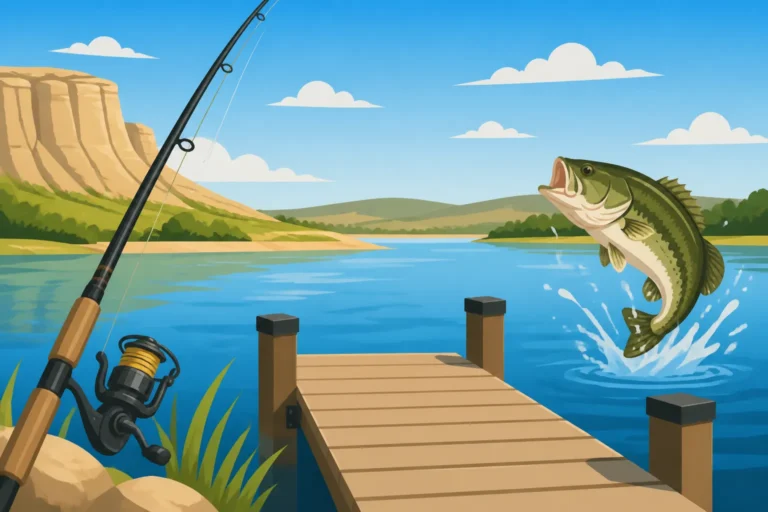
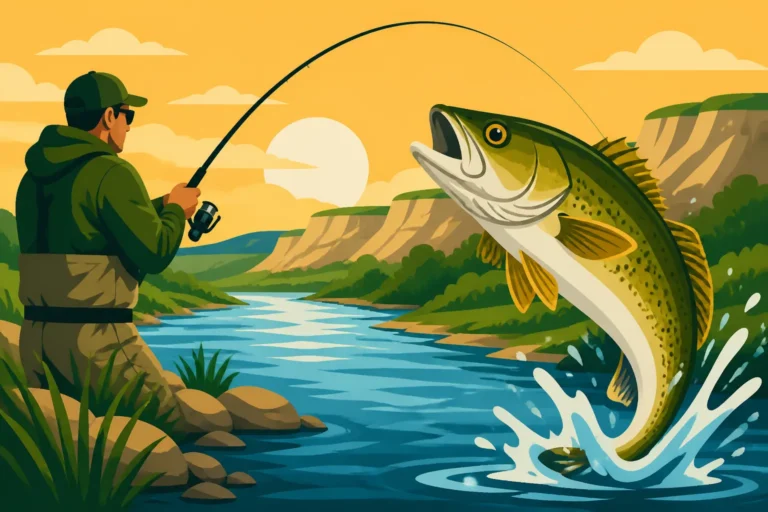
The lake is particularly renowned for its Largemouth Bass. You’ll find them lurking around the submerged structures, weed lines, and the shallower coves, especially during the warmer months. These fish grow to impressive sizes, offering exciting fights. Beyond bass, Channel Catfish are abundant and popular, thriving in the lake's deeper channels and mud flats. They provide consistent action and are excellent table fare.
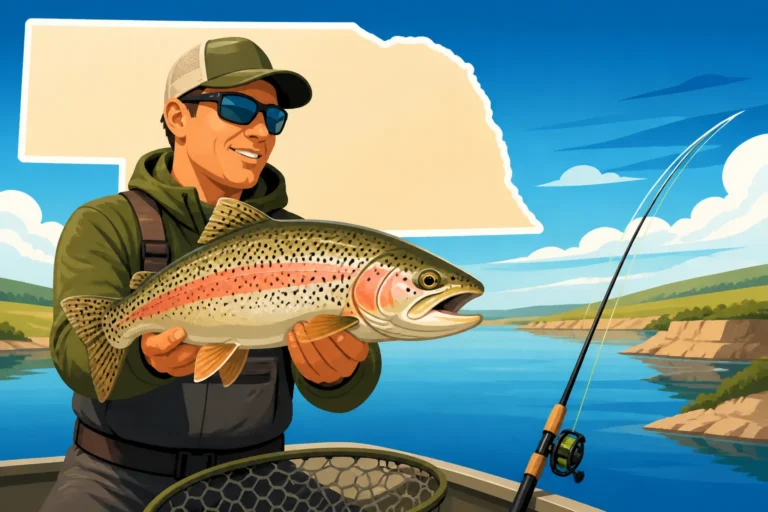
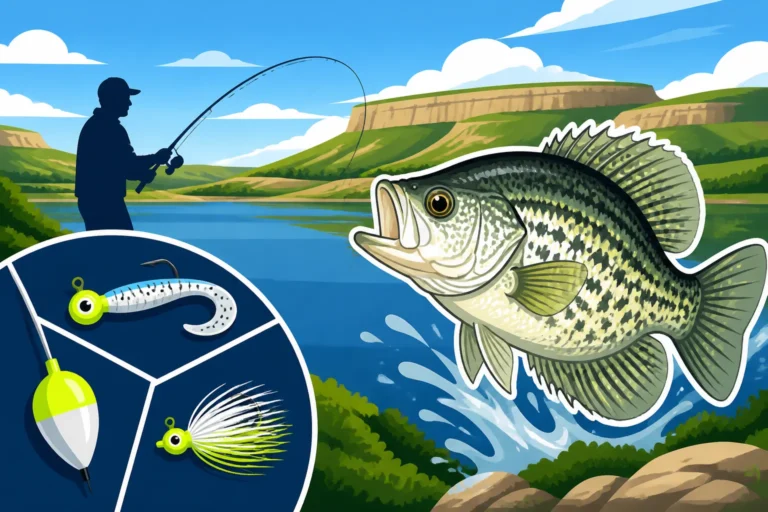
Crappie, both black and white, are also a major draw, congregating around brush piles, submerged trees, and fishing piers. Spring and fall can be particularly productive for these speckled beauties. For those seeking something a bit different, Wagon Train also holds a healthy population of Walleye, often found on rocky points and main lake humps. While not as dominant as in some of Nebraska’s larger reservoirs, they offer a thrilling challenge. You might even stumble upon Northern Pike in the weedier, shallower sections, known for their aggressive strikes and sharp teeth.
Additionally, White Bass and Wipers (a hybrid of white bass and striped bass) provide explosive action, especially when they’re schooling and chasing baitfish. These hard-fighting fish are a blast to catch. And, of course, no Nebraska lake is complete without a robust population of Bluegill and Sunfish, which are perfect for introducing kids to fishing or just enjoying a relaxing day catching plenty of bites. The NGPC regularly monitors and stocks Wagon Train Lake, ensuring that these populations remain healthy and provide consistent opportunities for anglers. For a deeper dive into the specific rules for these species, check out our guide on Nebraska Fishing Regulations Explained.
Essential Fishing Techniques for Wagon Train Lake
Having a strong understanding of the lake's layout and its fish species is a great start, but knowing how to target them effectively is where the real magic happens. Wagon Train Lake offers diverse fishing scenarios, meaning a variety of techniques will come into play depending on what you're after and the time of year.
Mastering Largemouth Bass and Northern Pike
These predatory fish require a certain approach, often involving casting lures designed to mimic their prey or provoke a reaction strike. For Largemouth Bass, Wagon Train Lake offers prime habitat. In the spring, when bass move into shallower coves and flats to spawn, soft plastics like Texas-rigged worms or Senkos pitched around submerged cover or lily pads can be incredibly effective. As summer heats up, they'll often retreat to deeper brush piles or shady areas under docks and trees. Here, crankbaits, jigs, or even topwater lures during low-light conditions (dawn/dusk) can entice strikes. Don't forget spinnerbaits for covering water and finding active fish, particularly along weed lines and points. If you're serious about your bass game, our dedicated guide on Largemouth Bass Fishing in Nebraska offers even more in-depth strategies.
Northern Pike, while perhaps not as numerous as bass, are certainly present and will readily strike if you present the right offering. They are ambush predators and often lurk in the same weedy, shallower areas as bass. Large spoons, spinnerbaits with big blades, or even larger swimbaits cast into these areas are excellent choices. Be prepared for a powerful fight and make sure you have a steel leader or heavy fluorocarbon to prevent bite-offs from their razor-sharp teeth. Early spring and late fall often see pike more active in shallower water before and after the summer heat.
Hooking Into Walleye, White Bass, and Wipers
These species often share similar habitats and feeding patterns, particularly when it comes to chasing baitfish in open water or along structural breaks. Walleye in Wagon Train are typically found near rocky points, main lake humps, or along the old creek channels, especially during low-light periods. Jigs tipped with minnows or nightcrawlers worked slowly along the bottom are always a reliable choice. Bottom bouncers with crawler harnesses can also be deadly when trolled or drifted over structure. In the evening or on cloudy days, casting or trolling crankbaits that dive to the fish's depth can trigger aggressive strikes. Paying attention to sudden changes in depth or bottom composition on your fish finder can greatly improve your walleye success.
White Bass and Wipers are often schoolers, and finding one usually means finding many. They are highly active and aggressive, especially during their spring runs or when they are actively busting baitfish on the surface. When you see them schooling, casting chrome or white spoons, inline spinners, or small topwater poppers into the fray can result in non-stop action. If they're not visible on the surface, search for them over open water humps or along submerged points using a fast retrieve with a jigging spoon or a Rattl' Trap. They're hard fighters for their size, providing a lot of fun on light to medium tackle. Our guide on White Bass Fishing in Nebraska has more tips for these energetic fish.
Targeting Crappie, Catfish, and Panfish
These beloved species are often the backbone of a successful family fishing trip, offering consistent bites and delicious meals. Crappie are a favorite at Wagon Train Lake, congregating around submerged brush piles, standing timber, and the legs of fishing piers. In spring, they move shallow to spawn, making them easy targets. Small jigs (1/32 to 1/16 oz) tipped with a soft plastic grub or a live minnow fished under a bobber are exceptionally effective. During summer and winter, they'll often suspend in deeper water around cover, requiring a more precise vertical presentation. You can learn more about finding these tasty fish in our guide to Crappie Fishing in Nebraska.
For Channel Catfish, Wagon Train offers fantastic opportunities, especially in its deeper channels and mud flats. These opportunistic feeders respond well to a variety of baits. Cut bait (like shad or sunfish), prepared stink baits, or good old nightcrawlers are highly effective. Fish them on a slip-sinker rig directly on the bottom. Night fishing for catfish can be particularly rewarding, as they become more active after dark. Look for areas where feeder creeks enter the lake or along deeper banks. If you're struggling to land these whiskered warriors, take a look at our Channel Catfish Fishing in Nebraska resource.
And let’s not forget the ever-present Bluegill and Sunfish. These panfish are perfect for beginners and seasoned anglers alike. They're almost always willing to bite, especially if you offer them small pieces of worms, corn, or tiny jigs. A simple bobber rig with a small hook (size 8 or 10) and a piece of worm cast near docks, weed edges, or fallen trees is usually all it takes. They're abundant and provide constant entertainment. Dive deeper into catching these smaller but mighty fighters with our guide on Bluegill and Sunfish Fishing in Nebraska.
Navigating Access and Seasonal Strategies
One of the great things about Wagon Train Lake is its accessibility for all types of anglers, whether you prefer fishing from the comfort of your boat or the solid ground of the shoreline. Understanding how to best access the lake and adapting your strategy to the changing seasons will significantly boost your success.
Prime Access Points for Boaters and Shore Anglers
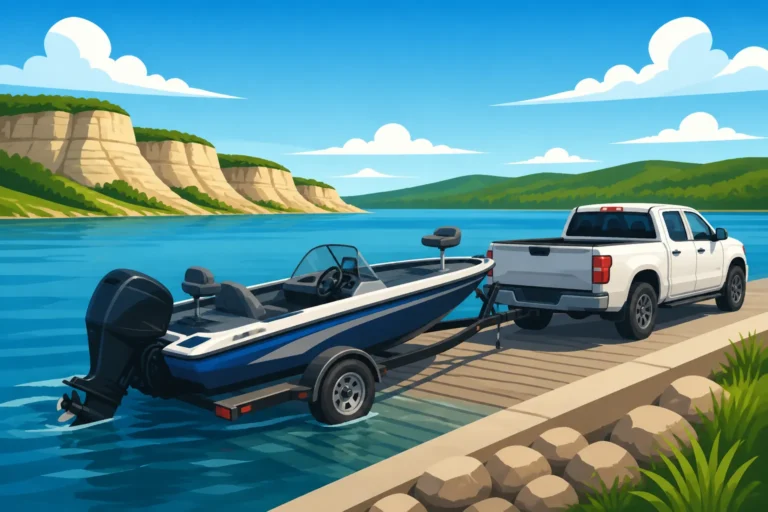
For boaters, Wagon Train Lake offers a couple of well-maintained boat ramps. The main ramp is located on the north side of the lake, off SW 100th St, providing ample parking and easy access. There's another ramp on the south side, offering alternative access. Remember, the lake has a strict "no-wake" policy. This means you can get your boat in the water and motor around, but you'll need to keep speeds low. While it might slow down your travel time, it creates a much more peaceful fishing environment, crucial for stealthy approaches to shallow bass or crappie. Before you even think about hitting the water, make sure your vessel is up to snuff by reviewing Nebraska Boat Registration and Equipment Requirements.
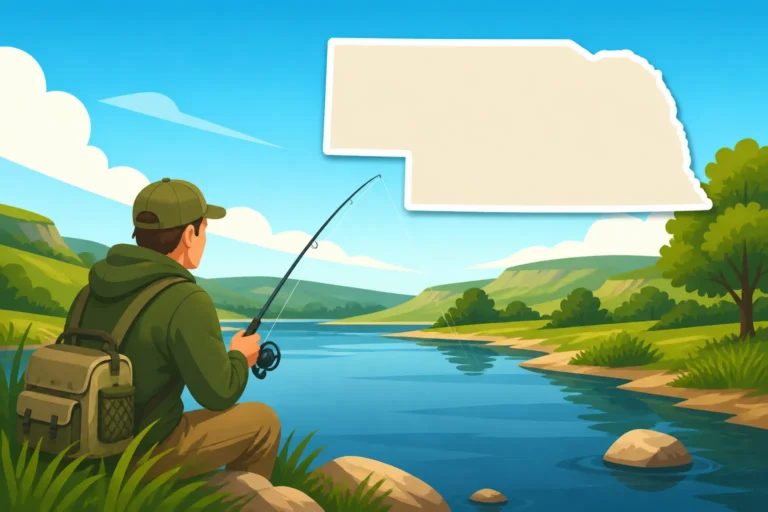
Shore anglers will find plenty to love about Wagon Train Lake too. The lake features extensive public access along its shoreline, making it easy to find a spot. There are designated fishing piers, including at least one that is handicap-accessible, providing excellent opportunities to cast into deeper water or target crappie and bluegill that congregate around the pier structure. Look for points, coves, and areas where brush has been purposefully submerged by the NGPC to enhance fish habitat. These spots are often well-marked or easily identifiable. Getting to know the best shore fishing spots can make all the difference, and our general guide on How to Fish From Shore in Nebraska might offer some broader tips. Many anglers also use online mapping tools or apps to scout out promising areas before they even leave home.
Year-Round Fishing Opportunities: Spring, Summer, Fall, and Ice Fishing
Wagon Train Lake truly shines as a four-season fishery, offering distinct opportunities throughout the year. Adapting your techniques to the season is crucial for consistent success.
-
Spring Fishing: This is prime time at Wagon Train. As water temperatures rise, fish become incredibly active. Bass move shallow for their spawn, crappie stack up on brush piles, and walleye start biting more aggressively. It's a fantastic period for both boat and shore anglers to target multiple species. Look for warming coves and northern shorelines first. Don't forget, the fish are hungry after a long winter!
-
Summer Fishing: The heat of summer brings its own challenges and rewards. Early mornings and late evenings are often the most productive for bass and walleye, as they avoid the bright sun. Catfish, however, will often bite throughout the day and into the night. Many fish move to deeper, cooler waters or seek refuge in dense cover. Focusing on deeper structures, brush piles, and fishing at night can be incredibly effective during these months.
-
Fall Fishing: Fall might just be my favorite time to fish Wagon Train Lake. As water temperatures begin to drop, many species go on a major feeding frenzy, stocking up for winter. Bass and crappie become highly active again, often found shallower than in summer. Walleye and white bass can be excellent as they chase baitfish. The crowds tend to thin out, and the scenery is often breathtaking.
-
Ice Fishing: When winter sets in and the ice thickens sufficiently, Wagon Train Lake transforms into a popular ice fishing destination. Crappie, bluegill, and even some walleye and northern pike are targeted through the ice. Always prioritize safety: check ice thickness frequently, go with a buddy, and inform someone of your plans. Small jigs tipped with wax worms or minnows are go-to baits for panfish, while larger spoons or jigging raps can tempt walleye and pike. For more in-depth advice on winter angling, explore our comprehensive guide on Winter Fishing in Nebraska.
Gear Recommendations and Important Regulations
Having the right gear makes a huge difference in your fishing experience, not just in terms of catching fish, but also in enjoying your time on the water. Beyond the gear, understanding and adhering to Nebraska's fishing regulations is non-negotiable for a legal and responsible outing.
Rods, Reels, and Terminal Tackle for Success
Given the variety of species in Wagon Train Lake, a versatile rod and reel setup or a few specialized combos will serve you well. For Largemouth Bass and Northern Pike, a medium-heavy power, fast action spinning or baitcasting rod (6'6" to 7'3") paired with a matching reel spooled with 10-15 lb fluorocarbon or braided line is ideal. This setup provides the backbone to fight larger fish and cast heavier lures. You'll want an assortment of crankbaits, spinnerbaits, jigs, and soft plastics in natural colors, as well as some brighter, more aggressive patterns for stained water. When targeting bass, don't forget the effectiveness of specific tactics like those discussed in Wagon Train Lake Bass Fishing.
For Walleye, White Bass, and Wipers, a medium power, fast action spinning rod (6' to 7') with a 2500-3000 size spinning reel spooled with 8-10 lb braided line and a fluorocarbon leader is a great all-around choice. This provides sensitivity for subtle bites and the casting distance needed for open water. Jigs (1/8 to 1/4 oz), spoons, blade baits, and a selection of crankbaits in shad or perch patterns will cover most situations. Live bait, especially minnows or nightcrawlers, is often irreplaceable for walleye.
When it comes to Crappie, Catfish, and Panfish, lighter tackle is generally more enjoyable. For crappie and bluegill, a light to ultra-light spinning rod (5'6" to 6'6") with a 1000-2000 size reel spooled with 4-6 lb monofilament or light braided line offers maximum sensitivity and fun. Small jigs (1/32 to 1/16 oz), tiny soft plastics, or small hooks for minnows/worms under a bobber are perfect. For Channel Catfish, a medium-heavy action rod (7' to 9') with a sturdy spinning or conventional reel spooled with 15-25 lb monofilament or braided line is recommended. Circle hooks (size 2/0 to 5/0) are excellent for responsible catch-and-release and ensuring the fish hooks itself. A variety of weights for slip-sinker rigs will be necessary to adapt to different currents and depths. For specific bait recommendations, check out Best Bait for Nebraska Catfish.
| Species | Recommended Rod Power | Line Type & Weight (lb) | Go-To Baits/Lures | Key Locations at Wagon Train Lake |
|---|---|---|---|---|
| Largemouth Bass | Medium-Heavy | Fluorocarbon/Braid 10-15 | Soft plastics, crankbaits, jigs, spinnerbaits | Submerged timber, weed lines, coves |
| Channel Catfish | Medium-Heavy | Mono/Braid 15-25 | Cut bait, stink bait, worms | Deeper channels, mud flats, creek mouths |
| Crappie | Light-Ultra Light | Mono/Braid 4-6 | Small jigs, minnows, tiny soft plastics | Brush piles, piers, standing timber |
| Walleye | Medium | Braid w/ fluoro leader 8-10 | Jigs, crawler harnesses, crankbaits, minnows | Rocky points, humps, old creek channels |
| White Bass/Wiper | Medium | Braid w/ fluoro leader 8-10 | Spoons, inline spinners, topwater | Open water, schooling baitfish, points |
| Bluegill/Sunfish | Ultra-Light | Mono 4 | Worms, corn, tiny jigs | Docks, weed edges, fallen trees |
Understanding Nebraska's Fishing Regulations for Wagon Train
Before you even think about casting a line, it's absolutely vital to be familiar with and adhere to Nebraska's fishing regulations. Not only does this keep you out of trouble, but it also helps conserve our precious fisheries for future generations. First and foremost, anyone aged 16 or older needs a valid Nebraska fishing license. This isn't just a suggestion; it's the law. You can easily purchase one online through the GoOutdoorsNE system, or from various vendors around the state. Our Nebraska Fishing License Guide is an excellent resource if you're unsure about the different types and what you need.
Beyond the general fishing license, you might also need an Aquatic Habitat Stamp. This stamp contributes directly to improving aquatic habitats and fishing access across the state. While often included with annual permits, it's always good to double-check if you need one. You can find more details in our article, Nebraska Aquatic Habitat Stamp Explained.
Wagon Train Lake falls under general statewide regulations, but it’s always wise to check the current Nebraska Fishing Guide from the NGPC for any specific rules that might apply to this particular body of water. Pay close attention to bag limits and length limits for species like bass, walleye, and crappie. These regulations are in place to ensure sustainable fishing and protect spawning populations. For instance, there might be slot limits on bass or minimum length requirements for walleye. Ignorance of the law is never an excuse, and game wardens do patrol Wagon Train Lake. Always double-check the latest regulations before you head out, as they can change from year to year.
Sometimes, especially if you're visiting a State Recreation Area (SRA) like Wagon Train Lake, people get confused about additional permits. You might be wondering, Do You Need a Park Entry Permit and a Fishing License in Nebraska? For Wagon Train, a state park entry permit is required on vehicles entering the area, in addition to your fishing license. It’s a small fee that helps maintain the beautiful facilities you get to enjoy. Make sure your vehicle displays the permit clearly to avoid any hassle.
Remember, responsible angling means knowing the rules, practicing good catch-and-release techniques when appropriate, and always leaving the lake cleaner than you found it. If you’re ever in doubt about a specific regulation or want to try your hand at a new technique but need some expert advice, consider checking out services like FishingBooker, where you can find local Nebraska guides who are intimately familiar with Wagon Train Lake and its ever-changing conditions.
Disclaimer
The information provided in this guide is for general informational purposes only and is subject to change. Fishing regulations, stocking schedules, and lake conditions can vary. Always consult the official Nebraska Game and Parks Commission website or their annual fishing guide for the most current and accurate regulations before planning your fishing trip to Wagon Train Lake. Fishing involves inherent risks; always prioritize safety and exercise caution on and near the water.